Malaysia moves to register refugees, link those eligible to jobs amid labour shortages
Authorities say the registration system will help regulate the refugee population, strengthen security oversight and improve refugees' welfare.

This audio is generated by an AI tool.




KUALA LUMPUR: Malaysia is stepping up efforts to manage the more than 200,000 refugees and asylum seekers living in the country, with eligible individuals set to be matched with temporary jobs in sectors facing labour shortages.
Since the start of the year, the government has been registering refugees under the pilot phase of its Refugee Registration Document (DPP) programme, which collects biometric and personal data and stores them in a centralised database.
Authorities say the registration system will help regulate the refugee population, strengthen security oversight and improve refugees' welfare.
LINKING REFUGEES TO JOBS
Home Affairs Minister Saifuddin Nasution Ismail last month said more than 4,000 people have been processed under the programme so far.
The database could support future job-matching initiatives for refugees aged 20 to 40, connecting them with opportunities in sectors facing manpower crunch, including manufacturing, construction, agriculture, plantations and services.
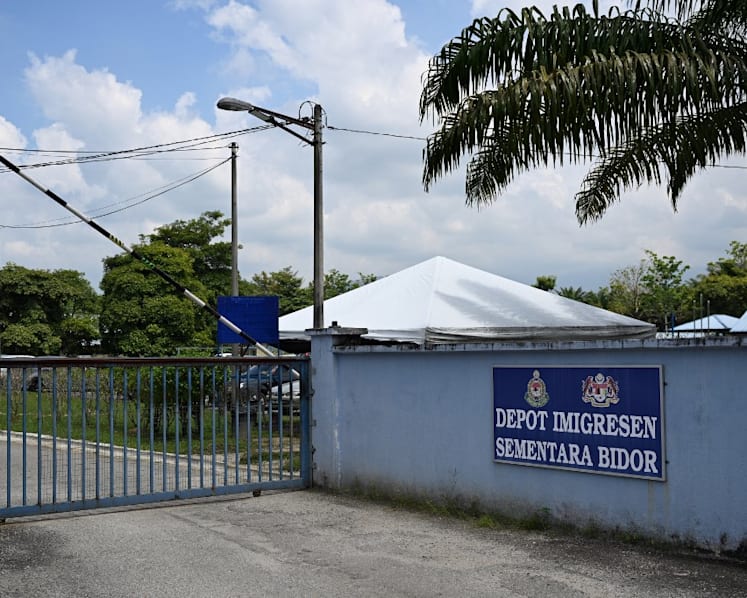
However, Saifuddin stressed that the initiative, which is being rolled out at immigration depots nationwide from this month, is not a pathway to permanent residency.
Employers hiring them must comply with existing labour laws, including paying the minimum monthly wage of about US$430 and providing suitable accommodation.
Industry players said the arrangement could help reduce reliance on foreign labour, which is often more costly.
Lee Tiong Li, director of connector manufacturing firm Amphenol TCS Malaysia, said: “I think we would have to wait for a lot of things to be straightened out. Of course it's very important that it's legally done.”
The government will also continue to strengthen its management of refugees and asylum seekers through closer coordination among agencies to safeguard national security.
“We cannot compromise the element of security,” said Saifuddin. “We have to balance between humanitarian and security. This is the main consideration now.”
ECONOMIC BENEFITS EXPECTED
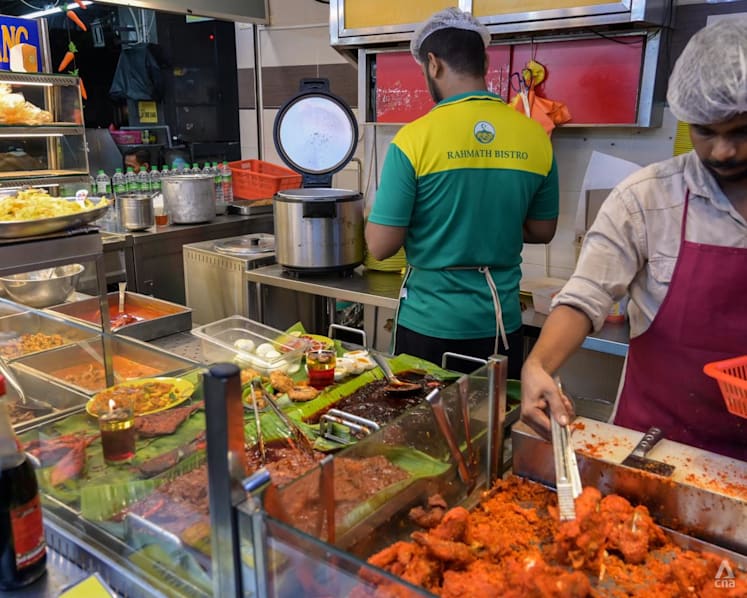
Refugees granted legal access to work in Malaysia could boost the country's gross domestic product (GDP) by US$750 million over five years and generate more than US$12 million in annual tax revenue, according to a study by the Institute for Democracy and Economic Affairs, a Malaysian think tank.
Meanwhile, human rights advocates are urging authorities to ensure transparency and protect refugees from exploitation.
Charles Santiago, co-chair of the ASEAN Parliamentarians for Human Rights, said authorities must clamp down on corruption, warning that labour brokers who currently bring foreign workers into the workforce could simply adapt and continue operating under different guises .
“This is where enforcement and the government has to be very strong,” he added.
Advocates also said refugees willing to work should not face unnecessary restrictions on employment opportunities.
Refugee rights campaigner Aslam Abd Jalil said refugees should be granted legal status through a straightforward registration process, allowing them to obtain documentation that enables them to work in sectors suited to their skills and capabilities.
“It's a win-win situation. We needed these people to work in our country and they also needed income and livelihoods,” he added.
This comes as efforts to resettle refugees in Malaysia in third countries have slowed significantly, driven in part by cuts to resettlement quotas in destination countries.





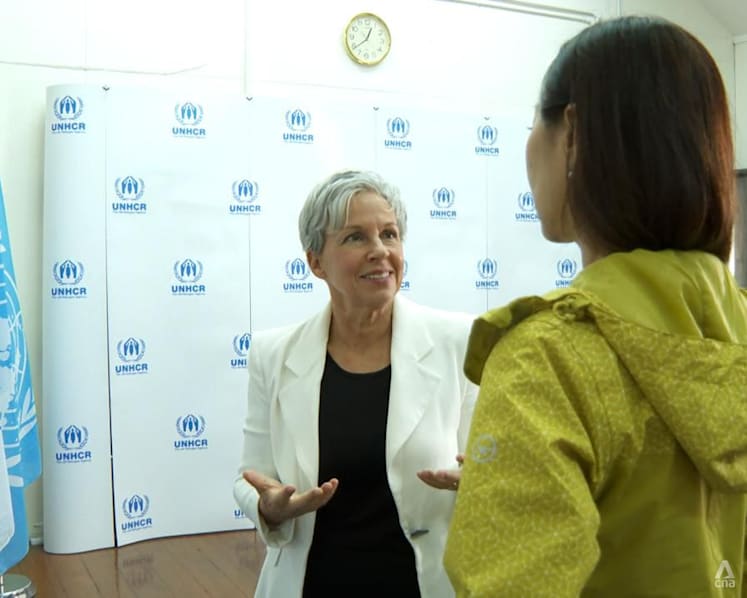
United Nations High Commissioner for Refugees (UNHCR) representative in Malaysia Louise Aubin told CNA that only 1 to 2 per cent of registered refugees get resettled a year and the number is shrinking.
“Globally, the number of resettlement places for refugees has lowered dramatically. So it’s important what Malaysia is doing to create a labour pathway for them because these refugees will have some skills," said Aubin.
The challenge is also expected to deepen as humanitarian agencies grapple with funding shortages affecting refugee support programmes.
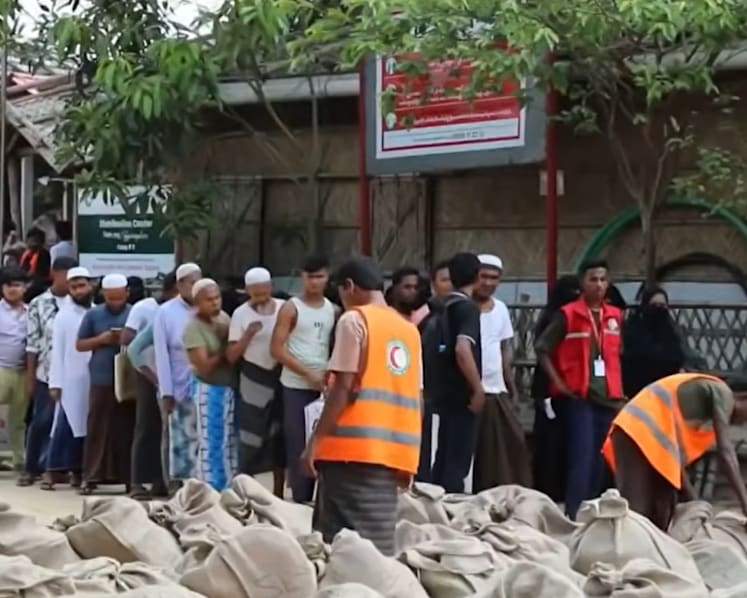
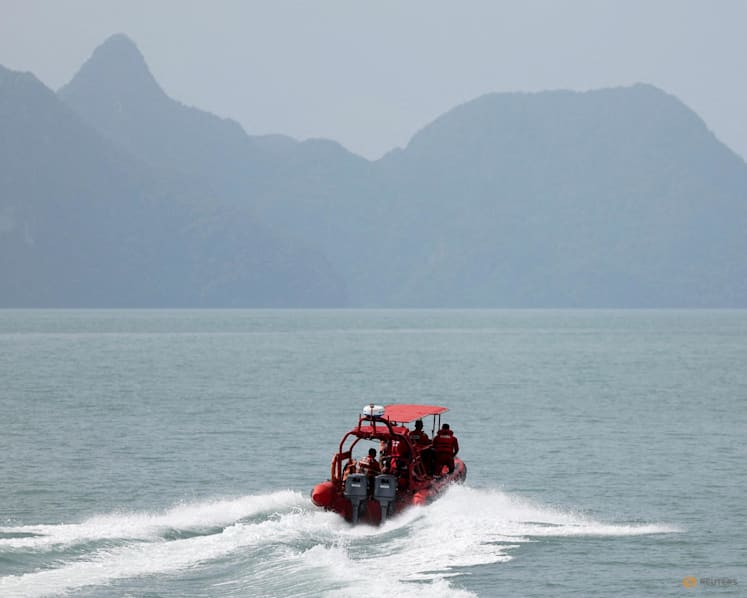
The overcrowded and deplorable situation at some of refugee camps in Cox's Bazar is said to be one of push factor that see hundreds embarking on perilous journey across the Andaman Sea each year.
Helen Brunt, migration and displacement lead for Asia Pacific at the International Federation of Red Cross and Red Crescent Societies (IFRC), said she is not surprised.
“The situation in the camps (in Bangladesh) is very bleak and the world attention is elsewhere in other areas. This enduring situation of displacement of growing number of people is becoming more and more critical."
The organisation estimated there are more than 200 fresh arrivals across the Bay of Bengal each month either to Malaysia or Indonesia's Aceh.
Saifuddin said: “We have to face the reality that this is potentially going to be a serious problem for Malaysia.”