Malaysia scraps proposed test for six-year-olds enrolling in Year One, but Anwar defends policy
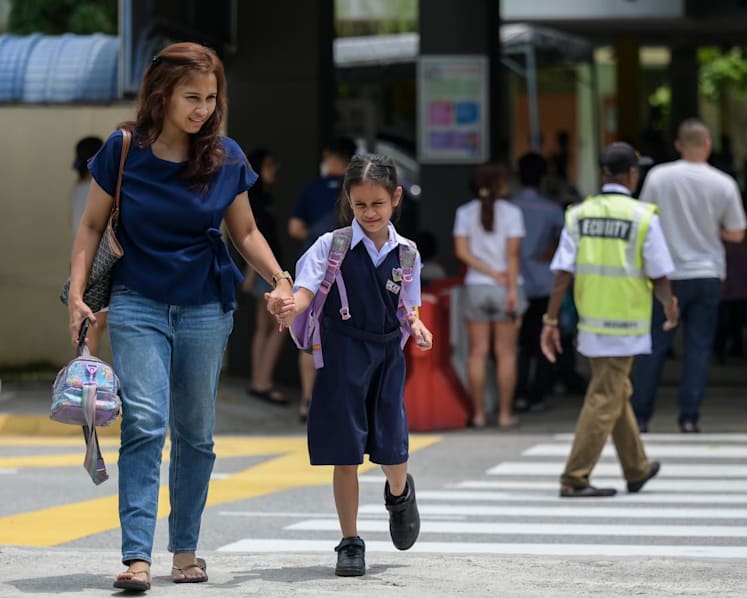
The government had proposed the test to assess the readiness of children for Year One after it lowered the age of enrolment in primary schools by a year, from seven years old to six.
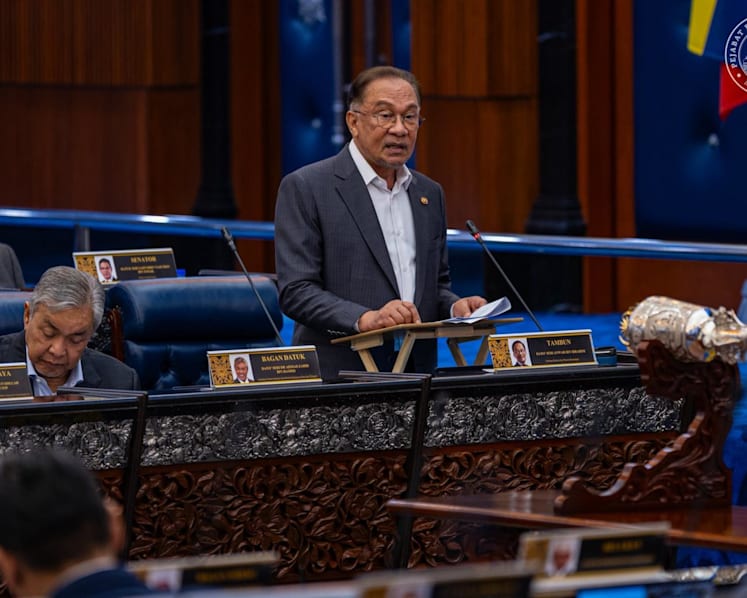
Malaysia Prime Minister Anwar Ibrahim speaking in parliament on Jan 27, 2026. (Photo: Facebook/Anwar Ibrahim).
KUALA LUMPUR: Malaysia has scrapped a plan for six-year-olds to take a “diagnostic test” for primary school enrolment after concerns the requirement was discriminatory and would hinder the access of children who fail it.
Prime Minister Anwar Ibrahim announced the about-turn in parliament on Tuesday (Jan 27), a week after the government said it would lower the age of enrolment in primary schools by a year, from seven years old to six. It would be voluntary, meaning parents could still choose to let their children begin formal schooling at the age of seven.
“I’d like to stress here that the initial proposal was good because there is an assessment system to see if the child is ready to start school,” Anwar said in a reply to Muar Member of Parliament (MP) Syed Saddiq Syed Abdul Rahman.
The diagnostic test, proposed by the education ministry on Jan 22, aimed to assess the readiness of children for Year One, including their skill level and ability to cope in the classroom, said Education Minister Fadhlina Sidek.
The government later thought the test could be discriminatory, as it could have psychological consequences if a child is perceived to be less intelligent if he could not enrol in primary school at the age of six, Anwar said.
“So I agreed with the (minister’s) proposal (to remove it),” he added.
Malaysia launched its National Education Blueprint 2026-2035 on Jan 20, which included the proposal to lower the primary school entry age to six from next year, with preschool entry at age five.
But the option of earlier enrolment in primary school, as well as the diagnostic test, sparked concerns, with parents, educators and politicians questioning if schools could cope with a larger cohort.
“How does the ministry plan to ensure facilities at school are enough to accommodate our students? Secondly, are there adequate teachers and have enough preparations been made before you roll the initiative out?” former Education Minister Hishammuddin Hussein asked in parliament on Jan 22, as quoted by news outlet Malay Mail.
“A single cohort alone is over 400,000. When it’s over 400,000 pupils, who is going to do all the tests?” questioned Leader of the Opposition Hamzah Zainudin on Jan 22.
National Union of the Teaching Profession secretary-general Fouzi Singon said the system might not be able to produce and place enough teachers in time.
“Teacher training can take up to five years, so this could make teacher shortages worse if planning is not phased,” he told Free Malaysia Today on Jan 20.





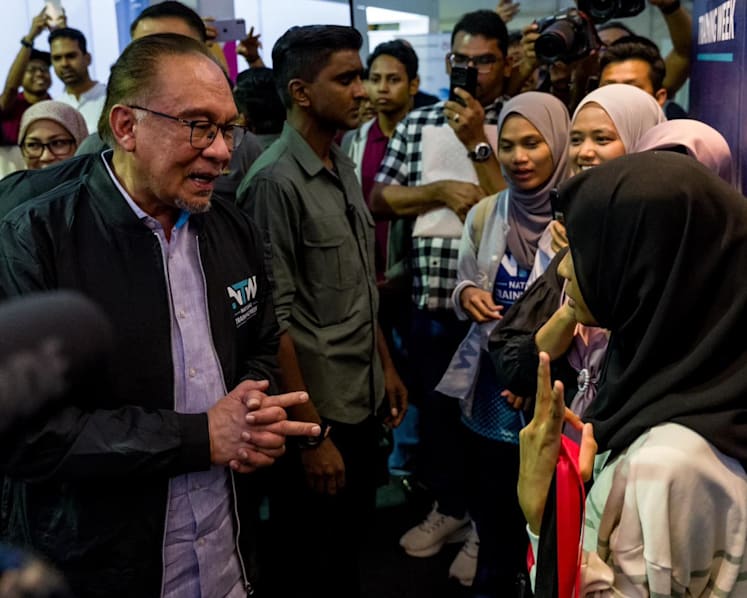
On Tuesday, Anwar said an extra RM800 million (US$202.2 million) would be allocated to support the transition, including the recruitment of 18,000 new teachers.
He defended the policy, saying that Malaysia cannot afford to lag behind global education standards or delay students’ learning by another year.
"According to UNESCO (United Nations Educational, Scientific and Cultural Organisation), 137 countries have implemented school enrolment at age six. That means more than 71 per cent of countries are already practising this,” he said.
While not mandatory at the initial stage, parents are encouraged to consider enrolling their children in Year One at age six, Anwar said, as reported by Bernama.
Registration for the 2027 intake will run from Feb 15 to Mar 31 this year, while five-year-olds may enrol in preschool from Apr 6 this year, he said.
Anwar said 10,514 preschool classrooms across 6,469 institutions had been expanded, with an additional 150 classrooms added in 2025 and a further 350 planned for 2026. The total capacity of government preschools stands at 110,889 places, reported New Straits Times.
While acknowledging the rollout may not be perfect, Anwar said the country must move forward.
"We must not be trapped by archaic thinking. We may feel it cannot be done, but our children are far more capable," he said.