Philippine artisans keep weaving traditions alive despite rising costs
As the Philippines looks to boost tourism, authorities have increasingly promoted immersive cultural experiences centred on traditional arts and weaving.
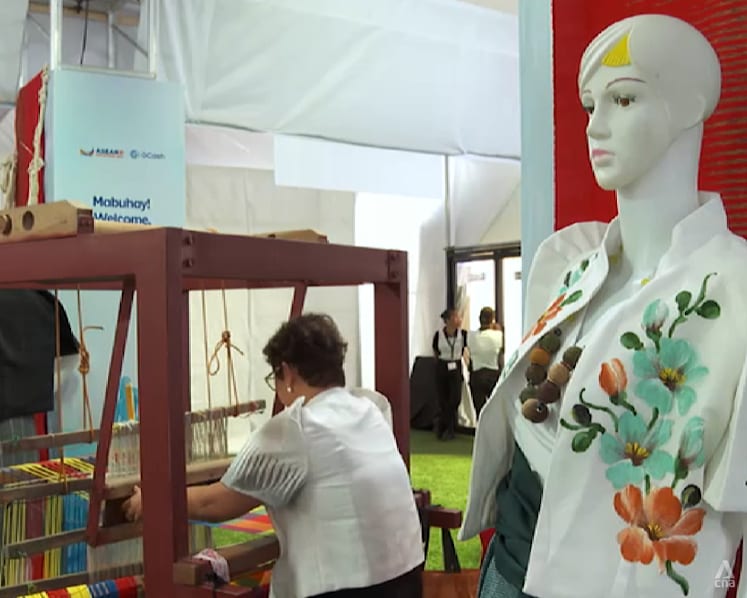
The iconic Filipiniana dress, with its elegant butterfly sleeves, remains a timeless symbol of Filipino heritage and craftsmanship.

This audio is generated by an AI tool.


CEBU: Traditional Filipino fabrics and heritage fashion stepped into the international spotlight at the recent Association of Southeast Asian Nations (ASEAN) leaders’ summit in Cebu.
Regional leaders and their spouses arrived for the summit’s gala dinner dressed in intricately crafted barong tagalog, an embroidered formal shirt worn by men, and the Filipiniana, a dress best known for its distinctive butterfly sleeves.
Philippine President Ferdinand Marcos Jr and first lady Liza Marcos received guests on the red carpet in elegant outfits designed by acclaimed Filipino fashion designer Francis Libiran.
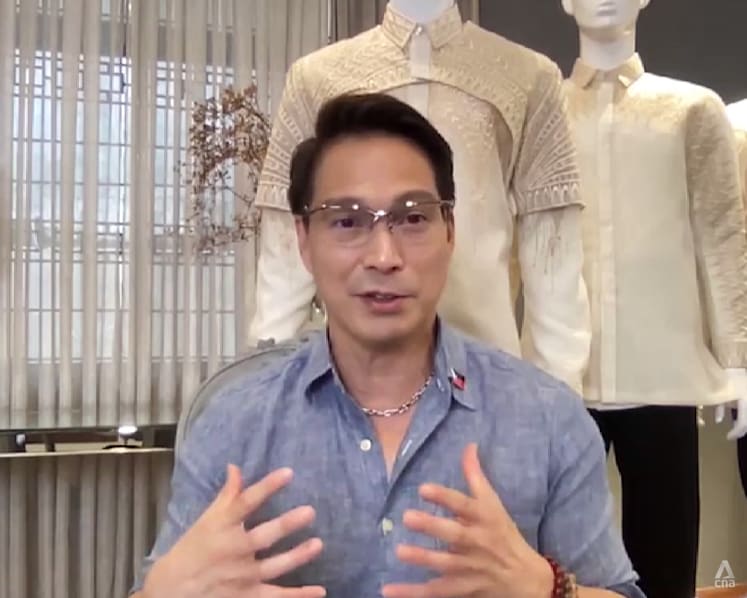
“The pressure was so high. I needed to deliver something that's really creative because it's our national identity,” Libiran told CNA.





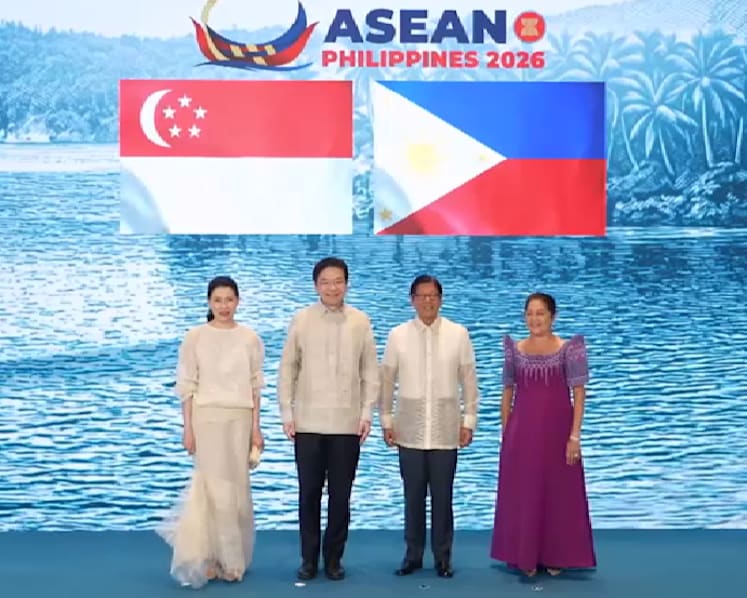
For the first lady’s gown, Libiran incorporated fabric woven by the Yakan indigenous community in Basilan, in the southern Philippines. The handloomed textile is known for its vibrant colours and geometric patterns.
President Marcos’ formal wear, meanwhile, featured callado – a highly intricate traditional embroidery using meticulously knotted pina fibre derived from pineapple leaves.
Libiran said the garments required the collective effort of artisan communities, with weavers and embroiderers spending more than two months completing the pieces.
The painstaking craftsmanship also comes at a premium. A traditional barong tagalog can cost anywhere between US$500 and US$3,000, depending on the materials and detailing involved.
A HERITAGE INDUSTRY UNDER PRESSURE
But behind the glamour of fashion is an industry grappling with rising costs and global uncertainty.
The Philippine weaving and embroidery sector supports thousands of small- and medium-sized enterprises across the country.
But like many industries, it has been affected by higher fuel prices, shipping costs and supply chain disruptions linked to the ongoing Middle East conflict.
The Philippines is an archipelago of more than 7,600 islands, making the transportation of raw materials and finished products heavily dependent on fuel costs.
Import costs have also increased, partly due to shipping disruptions and supply bottlenecks.
Libiran said expenses related to logistics and sourcing materials have risen by as much as 30 per cent.
“(Costs have) definitely gone up,” he said. “As much as I want to use everything Filipino, everything made in the Philippines, there’re a lot of things that we don't have here. That's why we import stuff like silk needles and silk threads.”
Disruptions to air travel have also affected the Philippines’ tourism-reliant economy, creating additional challenges for the distribution and promotion of traditional textile products.
REVIVING CEBU’S WEAVING TRADITIONS
In Cebu, efforts are underway to ensure these centuries-old traditions survive.
Jorelyn Paculba Concepcion leads “Hinablon sa Cebu”, a Cebu Technological University initiative aimed at reviving, modernising and sustaining a traditional handloom weaving method known as hablon.
The programme trains women in provincial localities, providing them with both livelihood opportunities and a means of preserving indigenous craftsmanship.
Concepcion said the community hopes to expand the project beyond local markets but exporting products, especially from rural areas, remains difficult due to logistical challenges.
“We’re established locally in Cebu and we have a few customers in Manila. We want to explore how we can bring our products to share with other ASEAN nations … because we think our products are beautiful,” she said.
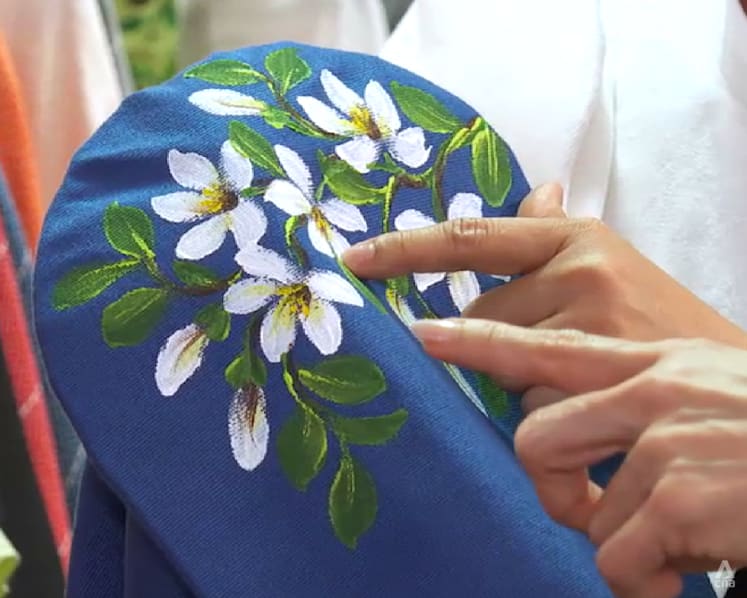
Beyond commercial ambitions, the initiative also documents indigenous patterns, designs and techniques that risk disappearing with older generations of weavers.
WEAVING CULTURAL IDENTITY INTO TOURISM
Concepcion said traditional Filipino clothing carries deep historical and cultural roots tracing back to the Spanish colonial era.
The sheer pina fabric used in barong tagalog garments, for instance, was originally intended to ensure colonial authorities could easily see whether men were concealing weapons beneath their clothing.
Meanwhile, the iconic butterfly sleeves of the Filipiniana dress – also known as the terno – are more than a decorative element.
“The terno serves many purposes,” Concepcion said.
“The sleeve, especially, is used to send messages, to communicate. For example, during courtship … (women) can hide their faces ... you can angle your head (behind the sleeve) to show your best feature.”
As the Philippines looks to boost tourism, authorities have increasingly promoted immersive cultural experiences centred on traditional arts and weaving. Tourists can visit workshops and factories and try their hands at handloom work or embroidery.
Industry players say efforts to revive indigenous craftsmanship have gained attention not only from regional visitors but also from international audiences and fashion capitals.
Libiran, the designer, said barong-inspired fashion have even graced global runways.
“We see a lot of inspirations right now being used by international designers. (Filipino fashion) is becoming noticeable on the international stage,” he said.
The government has also long mandated that civil servants wear traditional Filipino attire every Monday, a policy that continues to sustain demand for locally made garments and support artisan communities.