Philippine purple yam boom under strain from climate pressures
Global demand for ube is rising, but the crop is vulnerable to erratic weather, prompting some farmers to switch to more resilient alternatives.
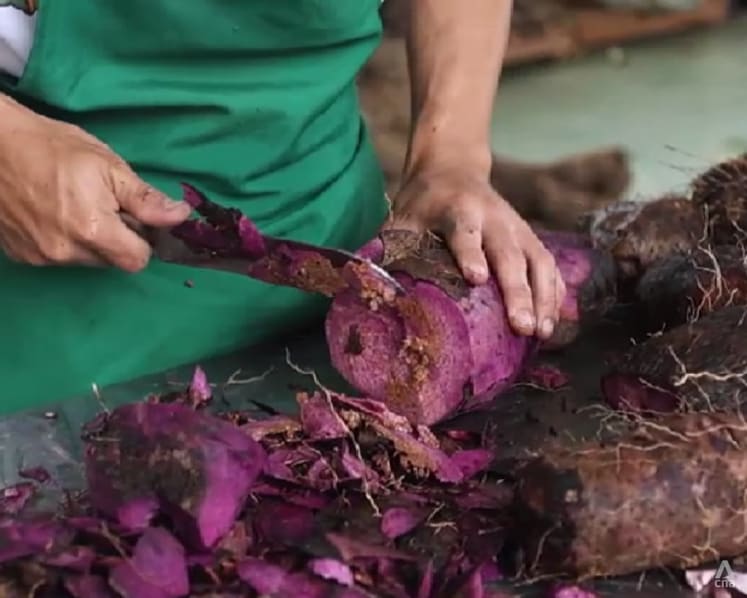
The Philippine purple yam, or ube, has become a global food trend.

This audio is generated by an AI tool.


EASTERN VISAYAS, Philippines: The purple yam, or ube – a root crop indigenous to the Philippines – has become a global sensation, prized for its distinct colour and mild sweetness.
From ice cream to pastries, demand for the tropical root crop has surged worldwide.
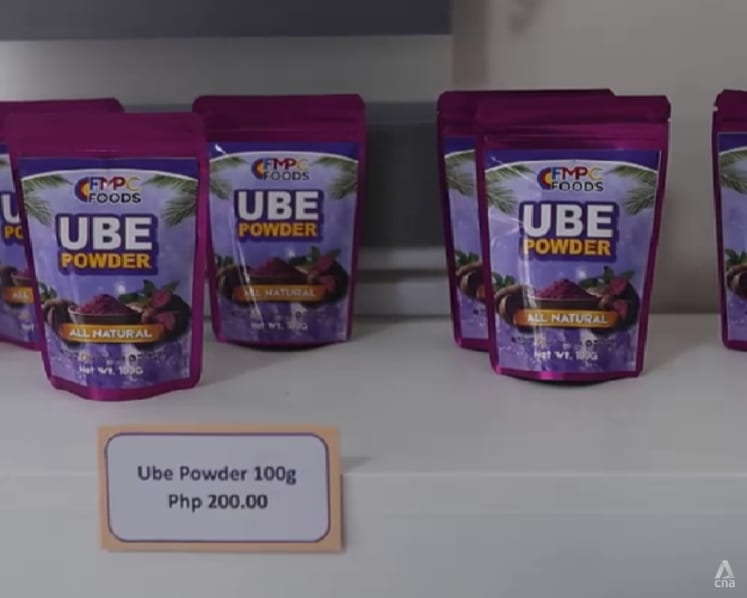
What was once a local staple has now become a premium ingredient, with the country exporting more than US$3 million worth of ube products last year to markets such as the United States, the United Kingdom and Italy.
FARMERS STRUGGLE TO KEEP UP
In Eastern Visayas, one of the country’s key growing regions for ube, farmers are racing to meet demand.
But many say production of the purple yam is becoming increasingly difficult.
“Ube is a sensitive crop. It needs care,” said Endalecia Canares, an ube farmer on the island province of Leyte.
“You need to lift its leaves from the ground because if they stay there when it rains, they attract fungi.”
Ube is becoming increasingly vulnerable to erratic rainfall, rising temperatures and stronger typhoons, farmers say.
Small-scale growers also face low productivity and fluctuating prices, making it harder to sustain their livelihoods.





STRENGTH IN NUMBERS
To cope with these challenges, farmers in Leyte are banding together to strengthen their bargaining power and learn new skills in planting the root.
At the Fatima Multipurpose Cooperative, growers pool their harvests and processing, with the cooperative buying their produce and giving them a more stable income.
“It’s a big opportunity for the farmers to uplift their way of living,” said general manager Maria Teresa Geniston.
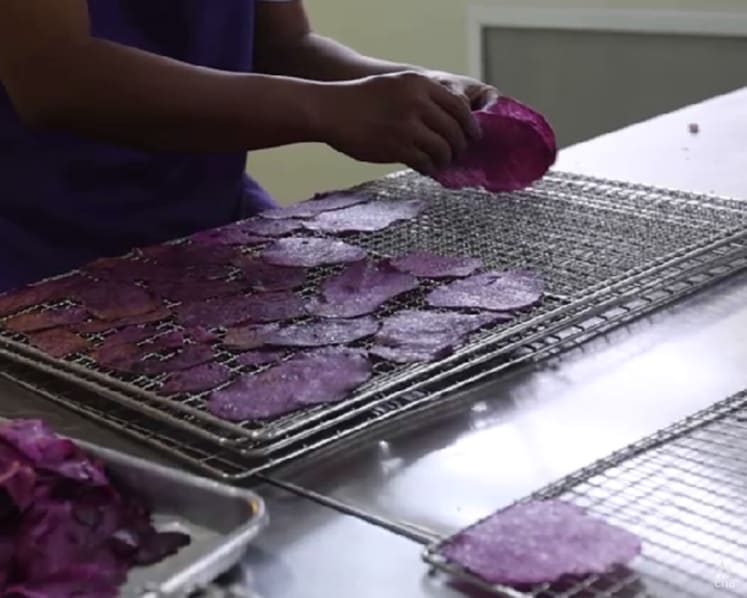
“For our farming members, we assure them that we will be the market and then they will be paid competitively with other prices,” she added.
Farmer Florencio Darriges told CNA that such an arrangement offers certainty. “It’s different when you are assured of a ready market for your goods, instead of having to look for buyers,” he said.
LOOKING BEYOND A SINGLE CROP
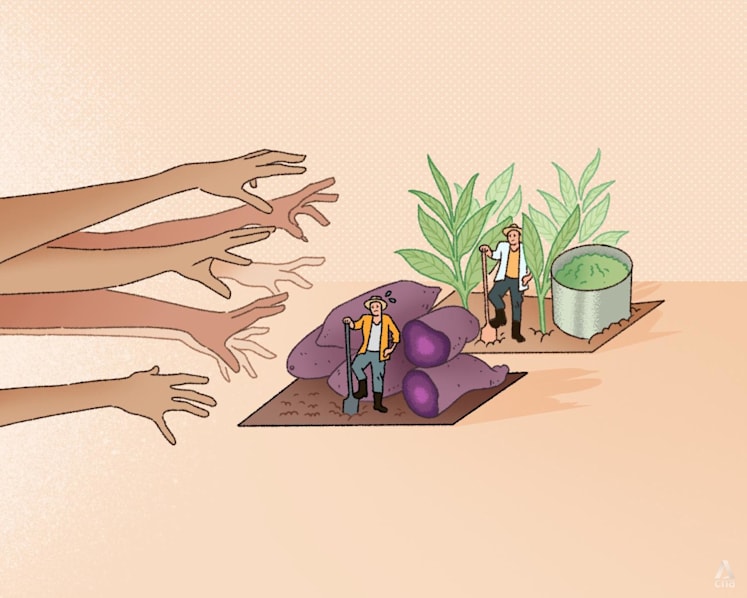
Despite ube’s success, experts warn against relying too heavily on one crop.
At the Philippine Root Crops Research and Training Center in Leyte, scientists are studying crops that can survive extreme conditions, such as cassava, sweet potato and taro, alongside improved ube varieties.
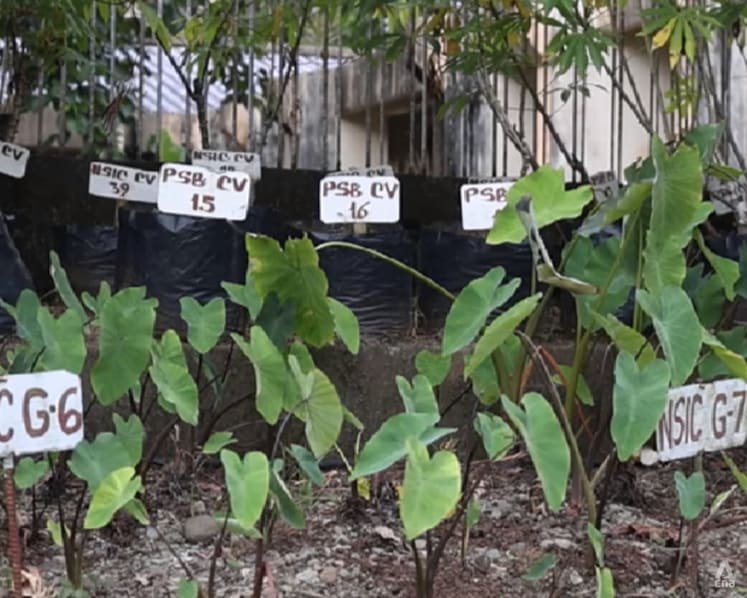
“In general, root crops are considered resilient crops,” said centre director Marlon Tambis.
“We’ve also done studies on which varieties are more resilient, or which varieties thrive best in the local climate. We give this information to our farmers.”
Such research is becoming increasingly important as climate change intensifies.
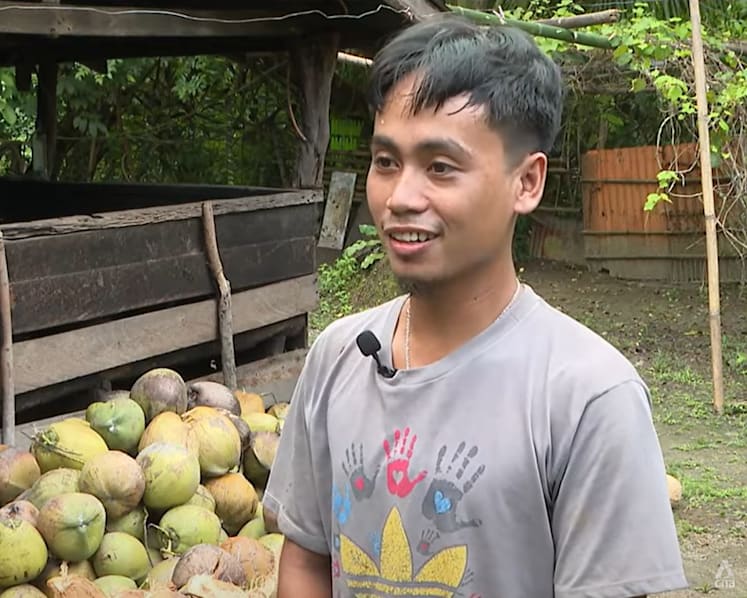
REDISCOVERING FORGOTTEN STAPLES
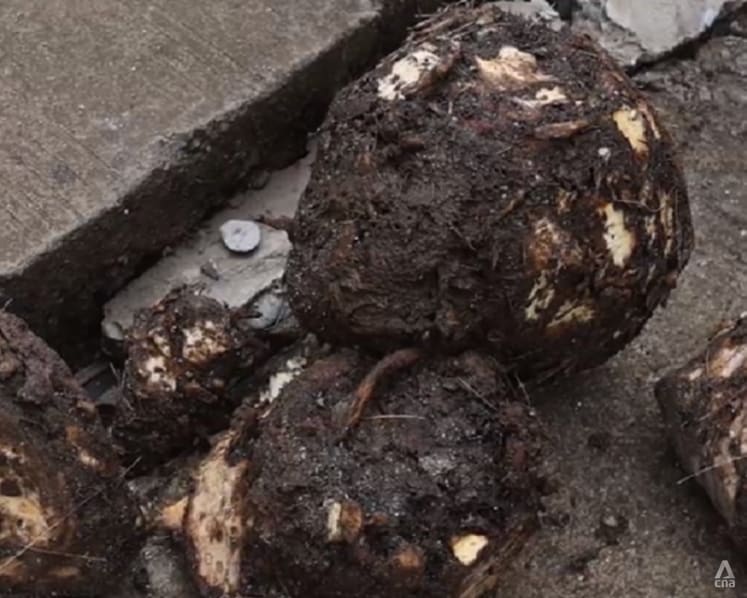
In Guiuan, Eastern Samar – ground zero of Super Typhoon Yolanda in 2013 – farmers are rediscovering a traditional crop known as palawan, a type of wetland taro.
Once a staple in the area until the 1980s, palawan is now being positioned as a cornerstone of local food security.
The root thrives where others fail, growing in waterlogged soil and tolerating salt intrusion, serving as a survival crop for poor families.
“We eat (palawan) when we don’t have money, especially when we can’t afford to buy rice,” said palawan farmer Myrna Gayoso Colandog.
Local authorities are encouraging its cultivation as part of disaster preparedness.
“We suggest that they plant palawan. Because even if it takes a while to grow or harvest, it will be very useful when calamities strike,” said municipal agriculturist Crescencio Catayong.
There are also plans to institutionalise its production through a proposed root crop research centre.
PUSH FOR SUSTAINABLE FARMING
Experts say the Philippines should invest more in indigenous crops and sustainable farming practices, including organic cultivation.
“Our farmers opt to go organic because they can earn more from their crops, or the ube turns out more fleshy when they use organic fertiliser,” said organic agriculture specialist Graciel Gacutan.
Indigenous crops, often marginalised by higher-value agricultural products, could play a critical role in feeding communities as climate shocks worsen.
Whether Philippine-grown ube continues to appear in cafes and dessert shops worldwide may depend on one thing – supporting the farmers who grow it.
For those on the frontlines of climate change, the future of food may lie not just in high-demand crops, but in rediscovering the resilience of traditional ones.