




Extreme weather, safety lapses: Bali ferry tragedy spotlights maritime risks in Southeast Asia
The deadly Bali ferry sinking in early July has cast fresh light on regional maritime safety, as analysts warn that worsening climate risks are colliding with chronic enforcement failures.

This audio is generated by an AI tool.




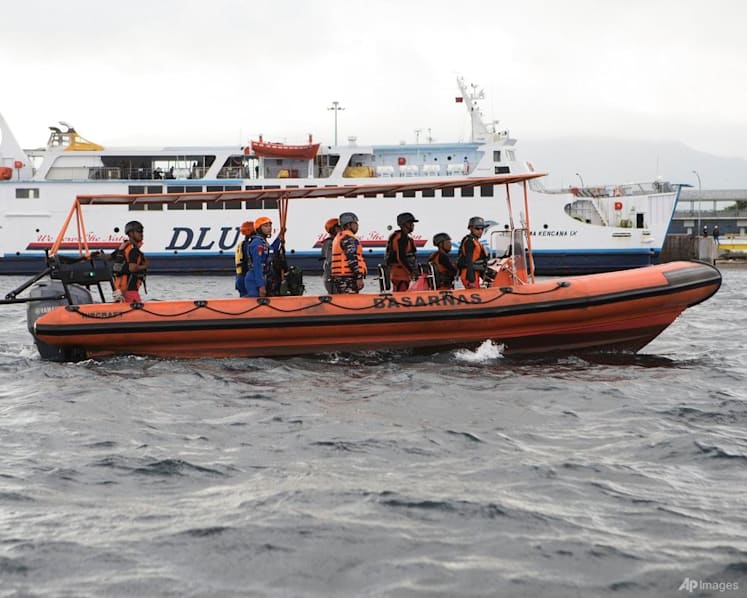
JAKARTA/SINGAPORE: With storm clouds brewing and waters churning, the Tunu Pratama Jaya set sail from the eastern tip of Java on the evening of Jul 2.
Passengers, crew and port officials alike expected a rough but routine 45-minute ferry crossing from Banyuwangi to Gilimanuk Port, across the Bali Strait.
But midway through the 4.5km voyage, powerful waves struck without warning, tossing the vessel violently from side to side, according to passengers and witnesses who later spoke to local media.
“The waves were high, water was rushing in, all the vehicles (on the ferry’s car deck) were moving from side to side. Then a wave hit and killed the engine. Within three minutes, the ship sank. The whole thing happened so fast,” said passenger Syamsul Hidayat in a now-viral TikTok post.





The ferry sank so quickly that many of the 65 people on board had no time to put on life jackets or board inflatable life rafts. Even those who did, like Syamsul, found themselves drifting in the Bali Strait for at least five hours, battered by relentless waves, before they were finally rescued.
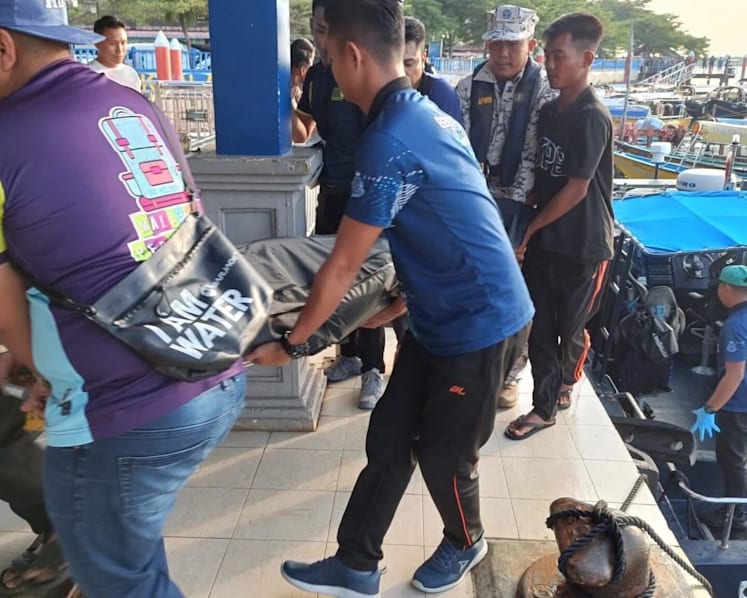
As of Thursday (Jul 10) evening, 15 bodies had been recovered from the frigid waters. Officials have warned that the death toll could climb, with 20 still missing as search and rescue operations continue.
The sinking in Indonesia is the latest in a string of deadly maritime accidents across Southeast Asia - a trend analysts link to increasingly erratic conditions fuelled by extreme weather.
The incidents have renewed concerns over vessel safety standards and the adequacy of early warning systems across the region’s busy, climate-vulnerable waterways.
As climate volatility intensifies, experts say so too does the urgency for governments, operators, and passengers to adapt - or risk even deadlier consequences.
ROUGHER WATERS
Barring 2023, when a prolonged drought kept seas relatively calm, Indonesia has seen a steady rise in maritime accidents in recent years. There were 87 incidents in 2020, compared to 128 in 2024, according to the Indonesian Ministry of Transportation.
Experts warn the Indonesian figure may be just the tip of the iceberg, as the Ministry of Transportation does not track accidents involving traditional fishing vessels.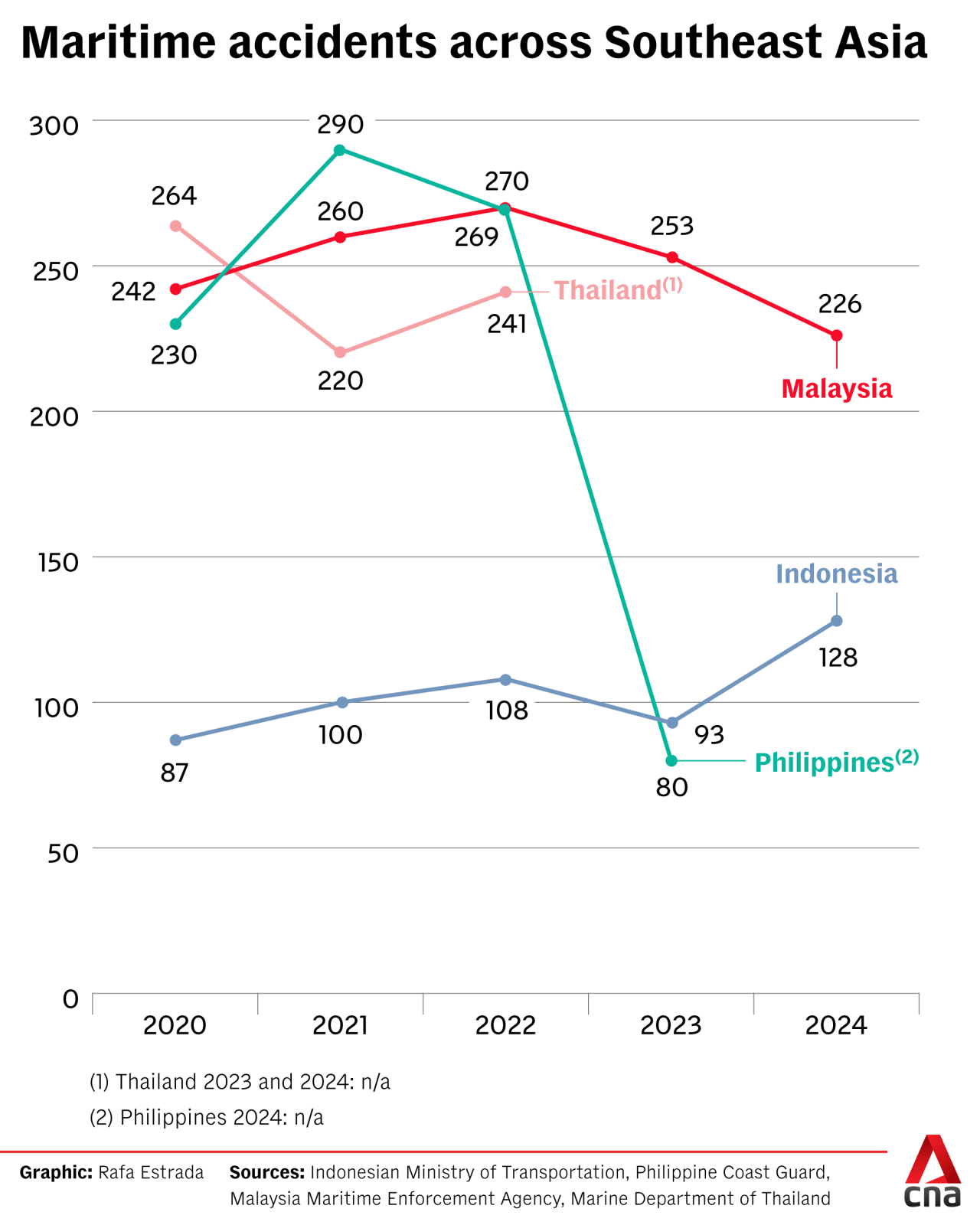
Meanwhile, Malaysia recorded 242 marine accidents in 2020, rising to 270 in 2022. The numbers improved slightly in the following years, with 253 incidents in 2023 and 226 in 2024.
There are concerns, however, that the numbers may climb again this year.
Between January and May this year, 108 maritime incidents were recorded in Malaysian waters, involving 251 people who were either killed, injured or reported missing, according to Mohd Tahir Khalid, a senior official from the Malaysian Maritime Enforcement Agency (MMEA). There have been 36 confirmed deaths, while 12 people remain missing.
Mohd Tahir warned that if the current trend continues, Malaysia could see close to 100 lives lost at sea by the end of 2025 - the highest death toll in recent years, after 64 in 2024 and 90 the year before that.
"As such, there is an urgent need to enhance public awareness of maritime safety, not only among the maritime community but also the general public who may be at risk while at sea,” said Mohd Tahir as quoted by local news outlet New Straits Times on Jun 28.
Analysts have singled out extreme weather as a key driver of the uptick in maritime accidents, with increasingly erratic sea conditions leaving vessels vulnerable.

In the Bali ferry sinking, strong winds and high waves struck during a period typically marked by calm seas and clear skies, according to scientists at Indonesia’s meteorology agency.
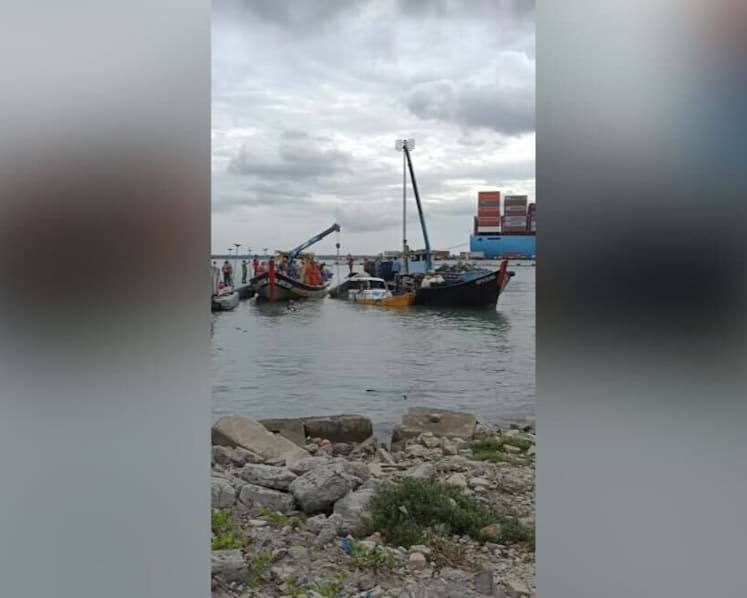
Search and rescue efforts have been hampered by lingering choppy conditions, poor weather and limited visibility. It took eight days before officials finally located the wreckage on Thursday morning.
The vessel was found 49m underwater, dragged by strong currents some 1.5km from where it originally sank. Officials believe some victims may still be trapped inside.
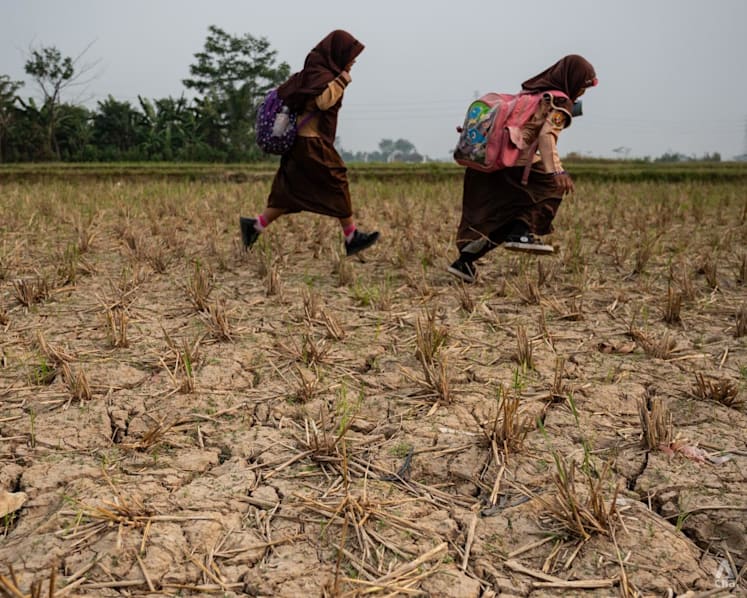
Historically, 60 per cent of Indonesia should be experiencing drought by the end of June. But instead, the meteorology agency has reported recording extreme rainfall across multiple regions, some of which have triggered devastating flash floods and landslides.
“Even though some parts (of Indonesia) have entered the dry season, atmospheric and marine conditions are very dynamic and can have an impact on people’s safety and activities,” Indonesian Meteorology, Climatology and Geophysics Agency (BMKG) chief Dwikorita Karnawati said in a statement on Jul 3.
Malaysia is also seeing unusual weather patterns this year.
On Jul 8, the national meteorological department issued a three-day thunderstorm warning across various regions, just a month after it had warned of a potential heatwave in many of the same areas.
The thunderstorm alert came just days after strong winds and high waves capsized a small fibreglass boat carrying 17 people off Belawai Beach in Sarawak. Ten people died in the incident.
A week earlier, strong waves were also blamed for the capsizing of another vessel in Terengganu, where three of the 15 passengers died.
Scientists believe climate change is not only shifting weather patterns but also making them more extreme, leading to more frequent weather-related accidents and disasters around the world, including in Southeast Asia.
The region sits between two of the world’s main drivers of global weather phenomena: the Pacific Ocean and the Indian Ocean. Temperature discrepancies across different parts of these oceans can trigger prolonged droughts in some regions and extended downpours in others.
These fluctuations fuel major climate systems - El Nino and La Nina in the Pacific, and positive and negative dipoles in the Indian Ocean.
“In the past, El Nino and La Nina took turns every few years. But now, they oscillate more frequently and the intensity of the weather produced is becoming more extreme,” Jakarta-based climate change expert Mahawan Karuniasa told CNA, adding that the same trend is being observed with the Indian Ocean dipoles.
Some parts of Southeast Asia have already experienced unprecedented meteorological events.
In April 2021, Cyclone Seroja slammed into Timor, the island shared by Indonesia and Timor-Leste, unleashing flash floods and landslides that killed more than 270 people.
The region was unlikely to be structurally or institutionally prepared for such a disaster, as cyclones usually form much further south in the Indian Ocean.
“The majority of disasters in Southeast Asia are hydro-meteorological, such as flooding, landslides, storms and high waves. These disasters are happening more frequently,” Mahawan said.
China’s waters: Safer but not risk-free
By Melody Chan
Bolstering maritime safety is also a constant work in progress for other countries in Asia, such as China.
A decade on, China’s deadliest peacetime maritime disaster remains a defining moment - not only for the scale of its tragedy, but for the changes it set in motion.
In June 2015, the cruise ship Eastern Star capsized while sailing along the Yangtze River, killing 442 people. Most of the victims were elderly tourists.
Investigations found that the vessel had sailed into a fierce thunderstorm. Gale-force winds and driving rain, coupled with human error and oversight failures, resulted in the tragedy.
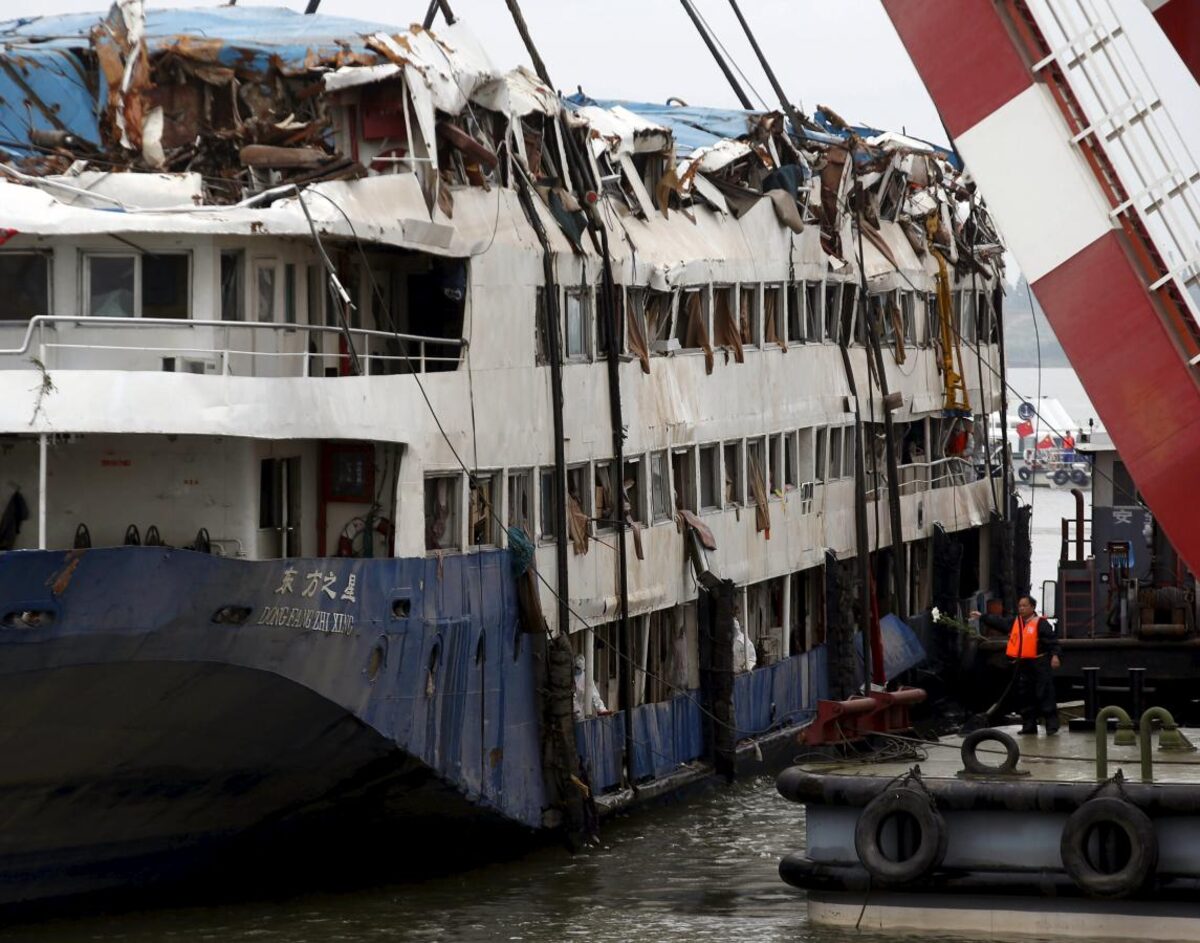
The disaster led to a wave of reforms as safety protocols and emergency responses across China’s inland waterways came under review.
Authorities tightened sailing rules in bad weather, raised ship design standards, introduced real-time tracking, and enhanced crew safety training. Older vessels were phased out and blacklists were created to bar unsafe operators.
It once took eight hours for rescuers to reach the Eastern Star. Today, provinces like Jiangsu have established rapid-response zones where help can arrive within an hour, and most passenger vessels are now equipped with smart alert systems and emergency escape tools.
The numbers reflect that shift. Reported deaths from waterway transport accidents fell by over 60 per cent between 2015 and 2023, according to the country’s Maritime Safety Administration, though the 2015 tally was unusually high due to the Eastern Star disaster.
But risks remain, especially along smaller rivers and in rural areas.
At least two fatal incidents have occurred across China in the past few months, all involving sudden, powerful winds.
In May, four sightseeing boats capsized in Guizhou province during a sudden storm, leaving 10 dead. Experts later confirmed record wind speeds, amplified by the area’s complex terrain.
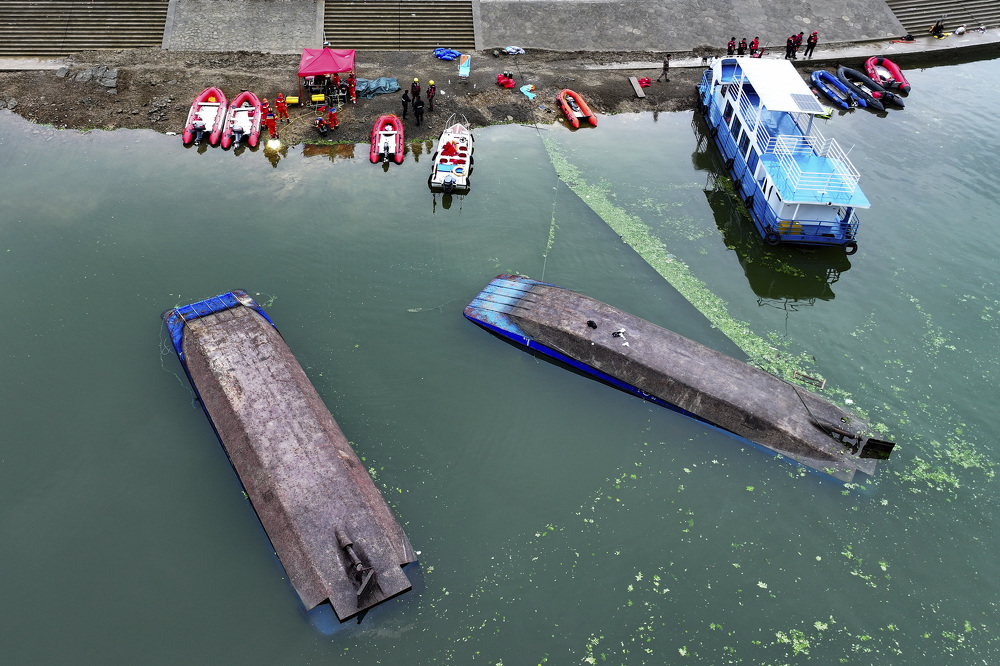
Just earlier in July, a leisure boat carrying 29 passengers capsized at Dongjiang Lake in Hunan province. Two died, while 27 were rescued. Investigators said the boat was hit by a sudden gust of wind just moments before it overturned.
The rise in sudden, violent gusts, whether from localised storms or broader monsoon activity, has raised questions about shifting wind patterns as climate change increasingly makes its mark.
Wang Lin, a researcher at the Center for Monsoon System Research under the Chinese Academy of Sciences, told CNA that typhoons typically have limited impact on inland areas like Hubei - where the Eastern Star sank - but pose greater risks along the eastern coast.
“Over the past decade, we’ve observed a noticeable trend of typhoons shifting northward and strengthening, which suggests growing risks for northern China,” said Wang.
At the same time, he noted that China’s current ability to forecast typhoon paths and intensity is relatively advanced, with a strong capacity to respond to associated risks.
Beyond climate risks, lapses in safety measures remain a concern.
Overloading, lax licensing and insufficient early warnings over extreme weather have emerged as recurring factors in China’s recent maritime incidents.
While enforcement has strengthened along major waterways like the Yangtze River, unregistered ferries and tour boats continue to operate across smaller rivers and inland lakes.
And as rural tourism grows and storms intensify, experts say the next challenge will be ensuring those upgrades reach the smallest boats - before the next gust hits.
THE CHOPPY JOURNEY TO SAFER SEAS
Even as climate risks grow more severe across Southeast Asia’s waterways, analysts say perennial issues such as lax safety standards, ageing vessels, and weak enforcement continue to undermine maritime safety.
Recent accidents in Indonesia and Malaysia underscore the problem, with safety protocols snubbed and fatalities that experts say could have been easily prevented.
In the Terengganu accident, authorities discovered that the travel agency and boat operator did not have valid licences. Meanwhile, the boatman, who later tested positive for drugs, failed to ensure passengers wore life jackets.
Kuala Lumpur-based maritime scholar Nazery Khalid said Malaysia has no shortage of maritime safety regulations, but as the Terengganu accident demonstrated, enforcement is where the system falls short.
“The boat owner or operator would not have been allowed to carry passengers in the first place and hire a boatman with such a background, should there have been more stringent checks and strict enforcement by the authorities involved,” he told CNA.
“This is simply unacceptable and a clear failure of enforcement.”
Experts say Thailand once faced similar challenges with lax enforcement of maritime safety regulations.
That changed in July 2018, when a double-decker tourist boat, Phoenix PC Diving, capsized near Phuket during a sudden storm. Forty-six people were killed, all of them Chinese tourists.
Subsequent investigations found that the vessel had ignored a severe weather warning in effect since the day before. Police also found that it was poorly built, using substandard materials and design.
The tragedy triggered a sharp drop in Chinese tourist arrivals to Phuket, costing the island more than US$1 billion in lost revenue.

Under mounting international scrutiny, Thailand ramped up enforcement of its maritime safety laws, including a mandate requiring all passengers and crew to wear life vests at all times.
That requirement, coupled with enforcement, has proved lifesaving.
On Jan 13, when a boat sank off the popular resort island of Ko Racha Yai, all 38 people on board, including 33 Chinese tourists, were safely rescued, despite the vessel sinking deep in the Andaman Sea.
“The mandatory life jacket policy proved crucial,” Nachapong Pranit, director of the Phuket regional harbour office, said after the incident, as quoted by Thai news platform Khaosod.
“All passengers were wearing their life jackets when the emergency occurred, allowing them to stay safely afloat until rescue arrived.”
Since the 2018 tragedy, there have not been any major marine accidents in Thailand.
While Thailand has stepped up safety enforcement, Indonesia has struggled to do the same.
“If only (boat operators) are following the rules, the number of accidents will surely go down,” Setyo Nugroho, a maritime transportation expert from Indonesia’s Ten November Technology Institute, told CNA.
He said there have been cases where operators overloaded boats to maximise profits, or cut corners by skipping essential repairs to faulty engines or decaying hulls.
“These things keep happening and there is no sign that things are changing,” Setyo said.
In light of the Bali Strait incident, several Indonesian lawmakers are pushing the Ministry of Transportation to inspect all ferries operating in the vast archipelagic nation. They are also calling for a 25-year age limit on vessels in service.

According to official records, the Tunu Pratama Jaya was built in 2010, placing it well within the proposed cap.
Officials from the Indonesian National Transportation Safety Committee (KNKT) said investigations into the Bali Strait ferry sinking are ongoing, but acknowledged that rough weather was a major contributing factor.
KNKT officials are also examining whether the vessel was seaworthy and if all safety measures had been followed by the crew prior to the incident.
Experts say Malaysia, too, must step up regular inspections of passenger vessels.
“Any boats found with engine faults, structural weaknesses or expired safety equipment - making them vulnerable during bad weather - must be suspended from operations until the problems are rectified,” Hairul Azmi Mohamed, a senior lecturer at the Netherlands Maritime University College (NMUC) in Johor Bahru, told CNA.
TURNING THE TIDE THROUGH TECH?
But even if countries successfully bolster monitoring and enforcement, experts warn these measures alone may fall short as extreme weather events grow more frequent and intense.
To ensure safer voyages amid increasingly unpredictable seas, sailors may need to lean more heavily on technology.
“With the current uncertain weather, sudden weather changes, it is very important to have a system to monitor weather (and) inform or update the boat operators from time to time to ensure the safety of all users,” Hairul said.
Maritime expert Nazery echoed the sentiment.
“Investing in equipment and systems is not just important, but critical to prevent maritime incidents - especially in routes and areas which are prone to severe weather, storms or rapid changes in sea and wind conditions,” he said.
Nazery said Southeast Asian countries need to start investing more in radars, buoys and sensors to strengthen their weather forecasting and early warning systems.
More pressingly, vessel owners and operators must also do their part, he added, describing them as the key to ensuring safer voyages at sea.
By investing in mobile alert systems, communication tools and high-resolution satellite coverage systems, sailors can chart safer routes and avoid extreme weather, Nazery said.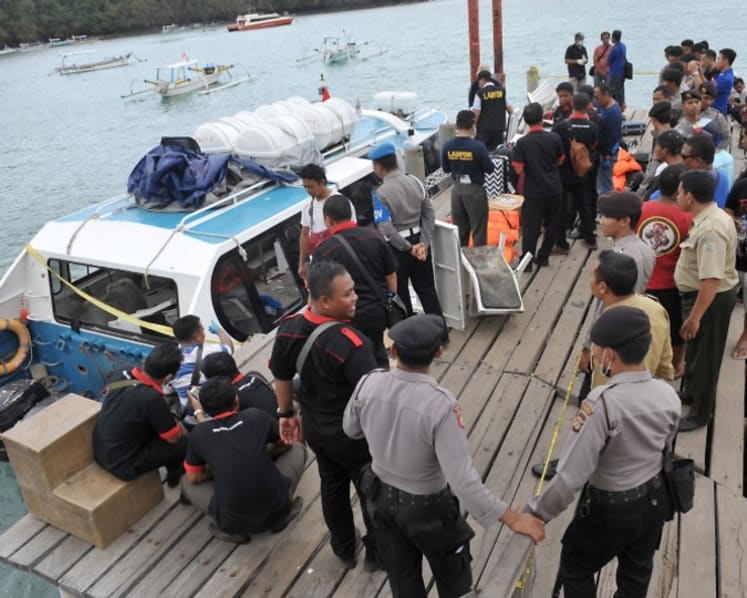
“Just as importantly, (boat operators) need to allocate investment to train their staff and crew to use these equipment and systems effectively,” he said.
“The owners and operators of these vessels … must embed a ‘safety first’ culture and ensure all their vessels are seaworthy and their crew well trained to face any eventualities,” he said.
Mahawan, the climate change expert, said all parties need to change their attitudes towards safety as the sea grows more volatile.
“Passengers must not protest when they are being told to wear life vests, boat operators must not snub bad weather warnings because they want money from passengers and government officials must not only ramp up inspections after an accident occurs,” he said.
“Sea transportation is becoming riskier as weather becomes more and more extreme, and it is important that disaster preparedness at sea is stepped up.”
Related:
IN FOCUS: Water, water everywhere – why Southeast Asia’s overbuilt capitals need new ways to survive
Giant sea walls, artificial islands and underground tunnels - these are some solutions being floated in Jakarta, Bangkok and Kuala Lumpur to combat flooding or sinking land. But experts say nature-based options may work better.
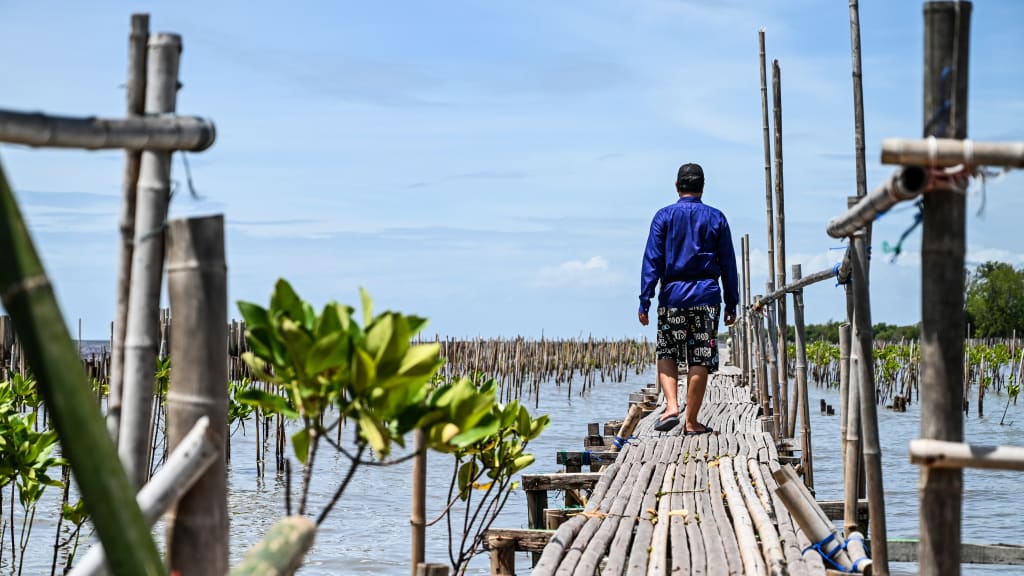
A walkway surrounded by makeshift coastal defence barriers in the form of bamboo fences put up by villagers at Bang Khun Thian in Bangkok to fight rising sea levels. (Photo: CNA/Jack Board)




BANGKOK/JAKARTA/KUALA LUMPUR: Standing at the shoreline of the Gulf of Thailand, murky waves rippling at makeshift coastal defence barriers, is to be a witness to a creeping calamity.
The marshy land grips to the edge of the Earth. It is a helpless endeavour - the waves will claim it soon enough. So it has been now for decades, the sea taking more and more.
A land marker that used to indicate the water’s edge is now a distant sight on the water. Faraway seagulls swirl around a concrete outpost that serves little purpose but a nesting spot and a reminder of what has been lost.
More than ever, there is a sense of foreboding here. It rings in the voices of anxious locals and hangs on the salty air.
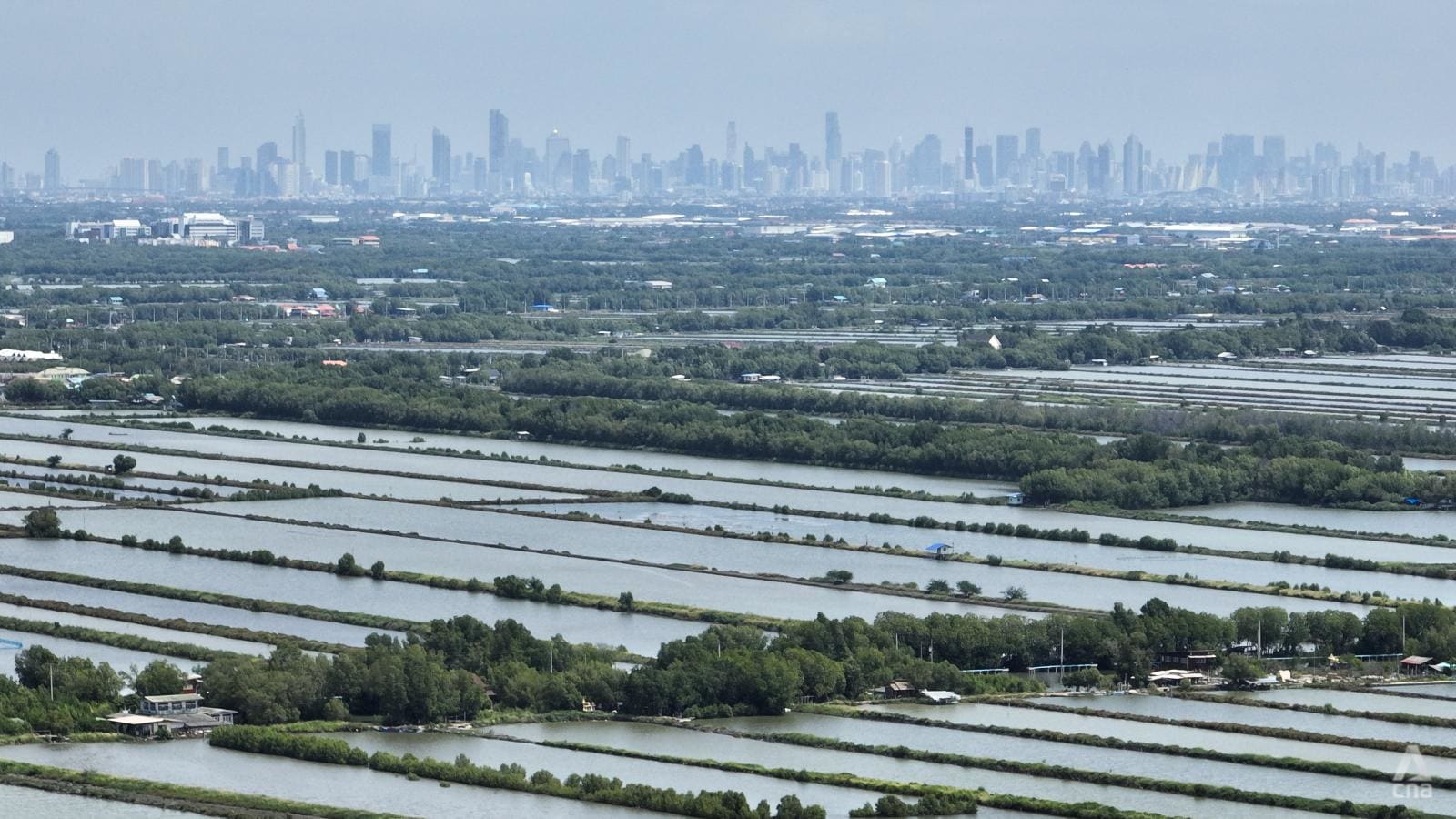
The community at Bang Khun Thian is a watchdog at the gates of the Gulf of Thailand, forebearers to the flooding that experts fear will increasingly threaten Bangkok, the megapolis visible on the horizon and that stretches deep inland.
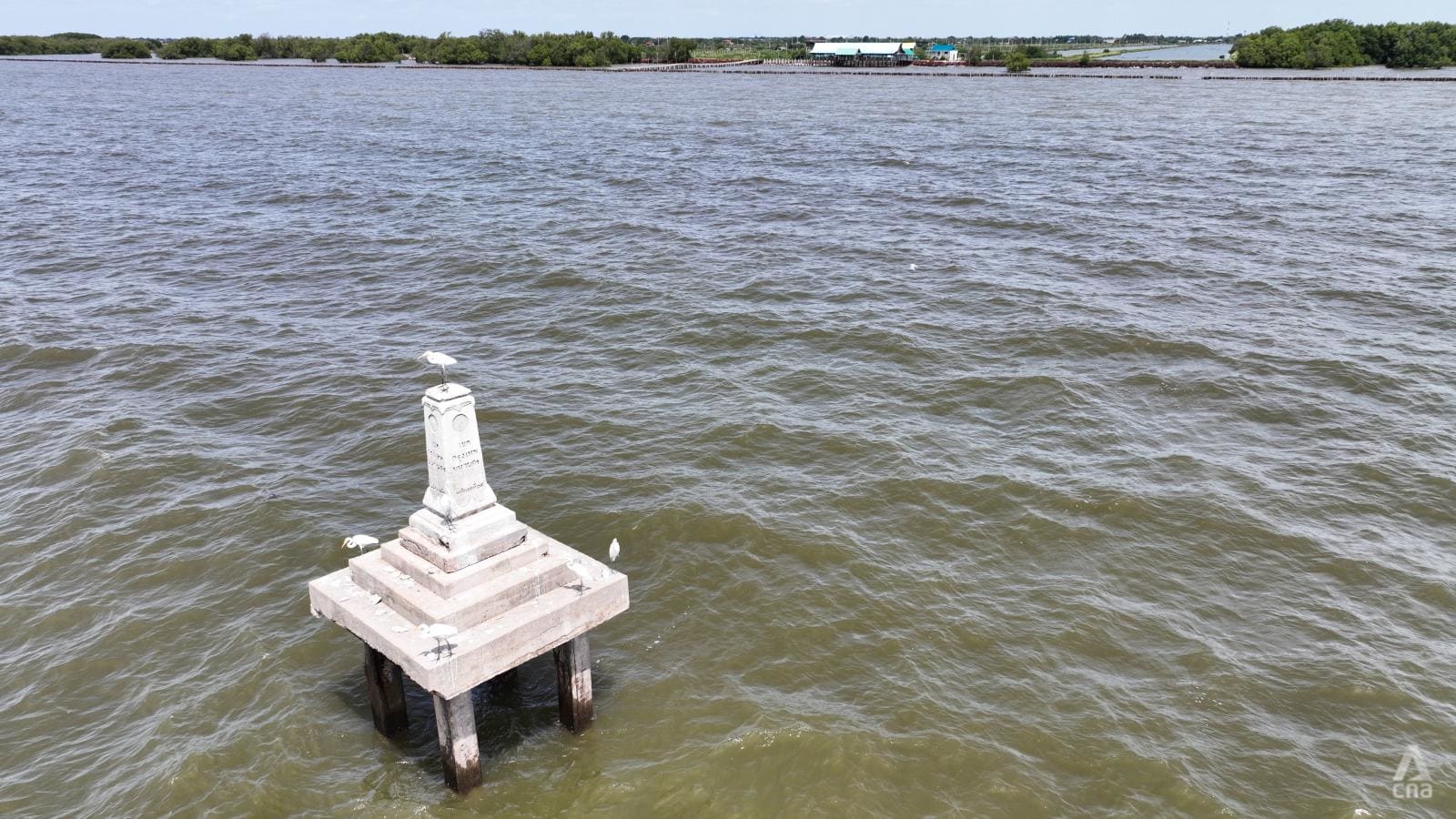
The Thai capital is precariously close to sea level - just 1.5m.
There is little to divide the rising waves from the seemingly endless roads and factories and shopping malls and high rises of the city, all of which are contributing to the land mass slowly sinking up to 2cm each year on average.
Only the fledgling mangrove forests - long neglected by all but those who understood their function and power - and the fishing communities who brave much to build whatever rudimentary defences they can by pouring rocks or shifting soil and erecting bamboo fences.
There’s also little margin for error - forecasts warn that by mid-century, rising sea levels could submerge much of the city.
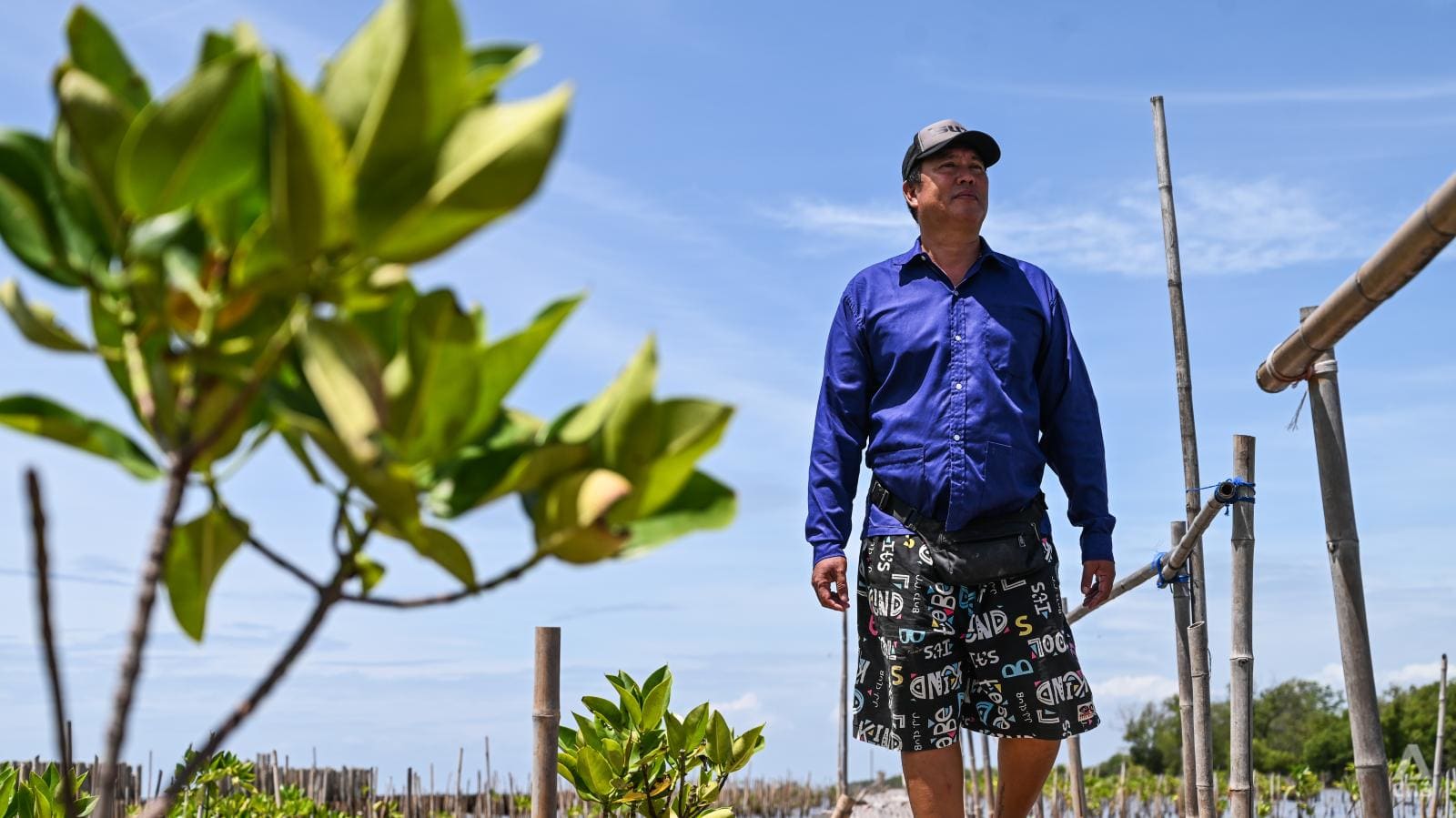
“We have been living here since olden days. But things have changed from the past,” said Mr Suthee Changcharoen, the head of the Bang Khun Thian community.
“During storms or rainy season, the tides are strong and the waves erode the land and it collapses.
“We then need to retreat and retreat. Us villagers don’t have wealth to fight against the sea. We flee because we cannot fight,” he told CNA.
Like many of Southeast Asia’s capitals, Bangkok was made by water. It was a floodplain long before humans started carving out canals and pouring concrete.
Now, these powerhouse cities - including Jakarta and Kuala Lumpur - are having to find new solutions to manage it.
Singapore too faces the threat of rising sea levels - forecast to be by up to 1.15m by the end of the century - and has unveiled measures such as reclaiming a "Long Island" off the east coast to protect endangered shorelines.
Climate change is supercharging the power of water in and around urban areas - from the rising seas to more powerful storms and unpredictable rain.
What is at stake is the lives of millions living on land that could conceivably be underwater, the productivity of critical economies and the potential collapse of vital urban infrastructure and natural ecosystems alike.
The question is whether engineering can save them.
Or if nature itself can be managed instead - or at the same time - to bring equilibrium back to places where human development has run wild.
BANGKOK’S BIG DILEMMA, BOLD VISION
There is a big idea in the Gulf of Thailand to literally construct an answer to Bangkok’s flooding dilemma.
In September, Mr Thaksin Shinawatra, Thai political doyen and the father and advisor of the current prime minister Paetongtarn Shinawatra, refloated a radical plan to construct a mega project up to 3km offshore, in the coastal expanse beyond Bang Khun Thian.
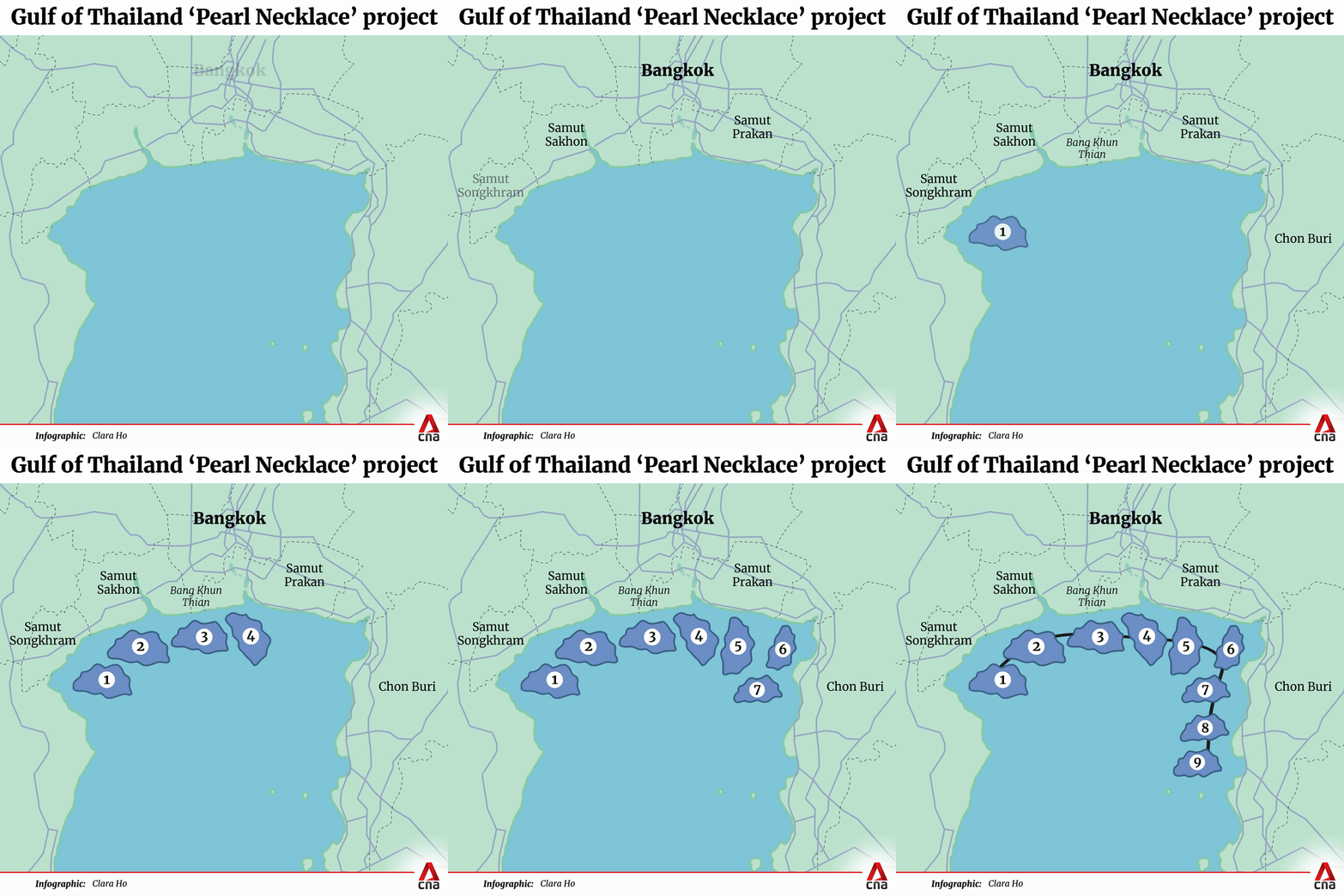
Dubbed the “Pearl Necklace”, the project would consist of a string of nine artificial islands that would act as a barrier to the rising seas.
Each island would have functioning protective sea walls, inspired by enormous flood mitigation infrastructure built in the Netherlands, notably its Delta Works.
“We call them pearls since these islands are prime areas and we will think of how to use them beneficially,” said Mr Plodprasop Suraswadi, a former Thai deputy prime minister and the chairman of the environment policy committee for Pheu Thai party, which currently holds office.
“The first benefit is that it can reduce coastal erosion because we build it in the sea, right? Secondly, we don’t need to take land back and there’s no impact during the construction, which will take over 10 years because humongous structures will be built.”
The types of infrastructure he means could include railways, an airport, a shipping port, residential areas within a “green city”, entertainment complexes, factories, water gates and communication lines all stretching across the overall span of the gulf - some 100km.
Mr Plodprasop has for many years championed the bold vision that is not unlike Singapore's Long Island. While he admits that a lot of research needs to be done before it is approved or realised, he is adamant that big thinking is necessary for Bangkok to endure.
“Will it be expensive? Yes. Will it take long? It will. Definitely,” he told CNA.
“But if we want to save 16,000 sq km of land, we have to do it this way. There’s no way out. We do this to protect our country and our history,” he added, referring to low-lying land in Thailand that faces the threat of inundation.
Indeed, greater Bangkok faces a multitude of flooding issues - from the sea, the sky and the several rivers that flow in and around the city before arriving at the gulf.
A report by Greenpeace in 2021 found that more than 96 per cent of Bangkok's land area could be affected by flooding during a once-a-decade flood event.
Its projections found that by 2030, 10 million residents of the city and gross domestic product (GDP) of US$512 billion would be threatened. Thailand's 2023 GDP stands at US$514.94 billion while Bangkok has an estimated population of 11.2 million people.
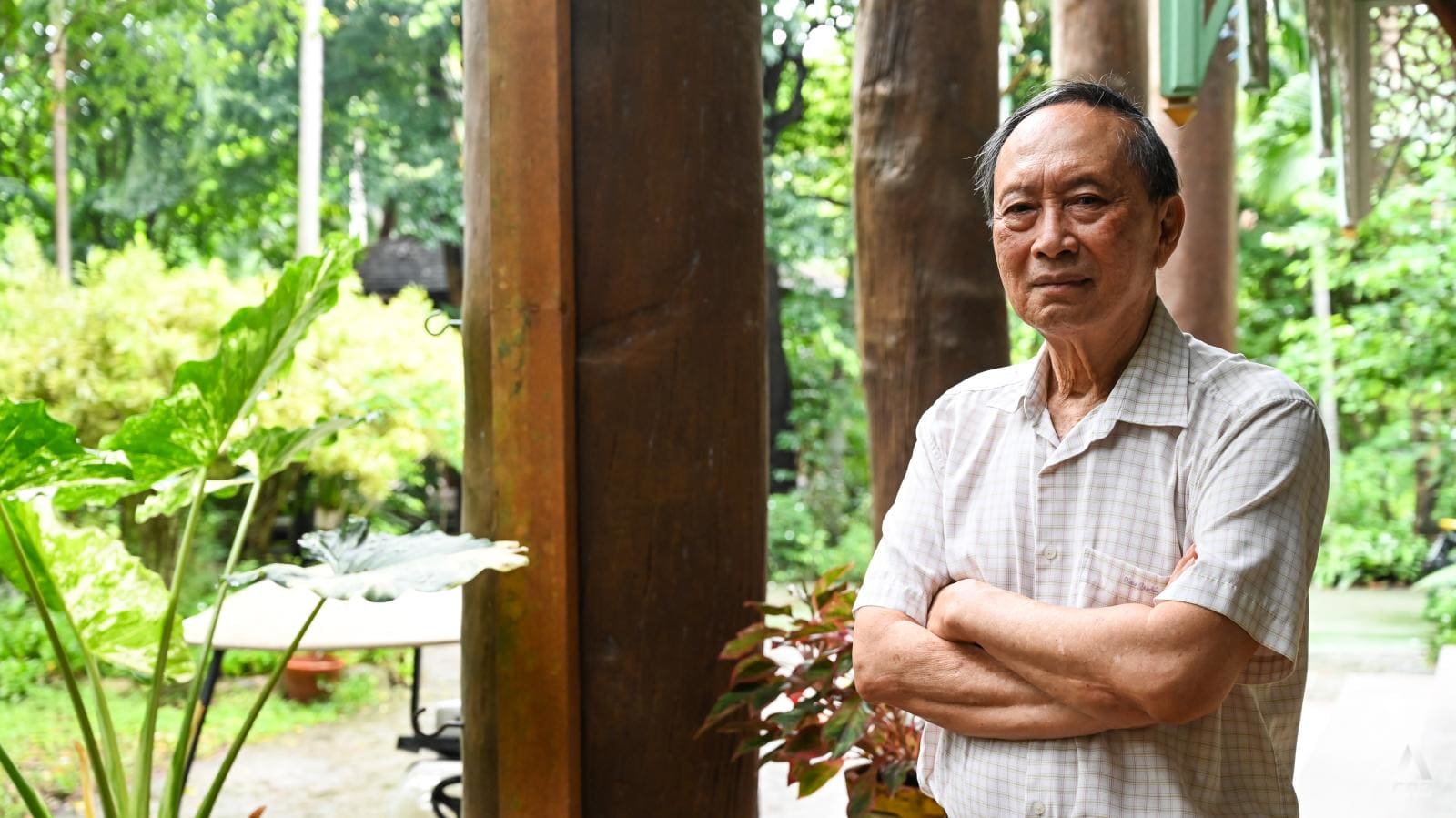
“Bangkok will be heavily, heavily impacted by sea level rise in the future due to the global boiling we are facing today and in the near future,” said Mr Tara Buakamsri, the country director for Greenpeace Thailand.
THAILAND'S WORRISOME COMBINATION OF RISKS
Many grey infrastructure projects - like dams, seawalls, roads and pipes - are underway in Bangkok and beyond aimed at mitigating the flood threat.
The waterways that snake their way through the metropolis like veins are abuzz with messy construction activities these days.
The works include repairing and reinforcing flood levees and maintaining drainage tunnels and canals throughout the city.
The Bangkok Metropolitan Administration had pledged to fix 737 at-risk areas, the vast majority of which were expected to be completed by the end of this year.
It is also considering a flood defence barrier that would function similarly to one in the Thames River, which protects London from tidal surges.
“The problem in the future is when sea water levels rise, water in the Chao Phraya river will rise higher as well,” Bangkok governor Chadchart Sittipunt told Thai media last month.
“It won’t be just in Bang Khun Thian, everywhere will be flooded. So, we need to think of how to make protective barriers,” he said.
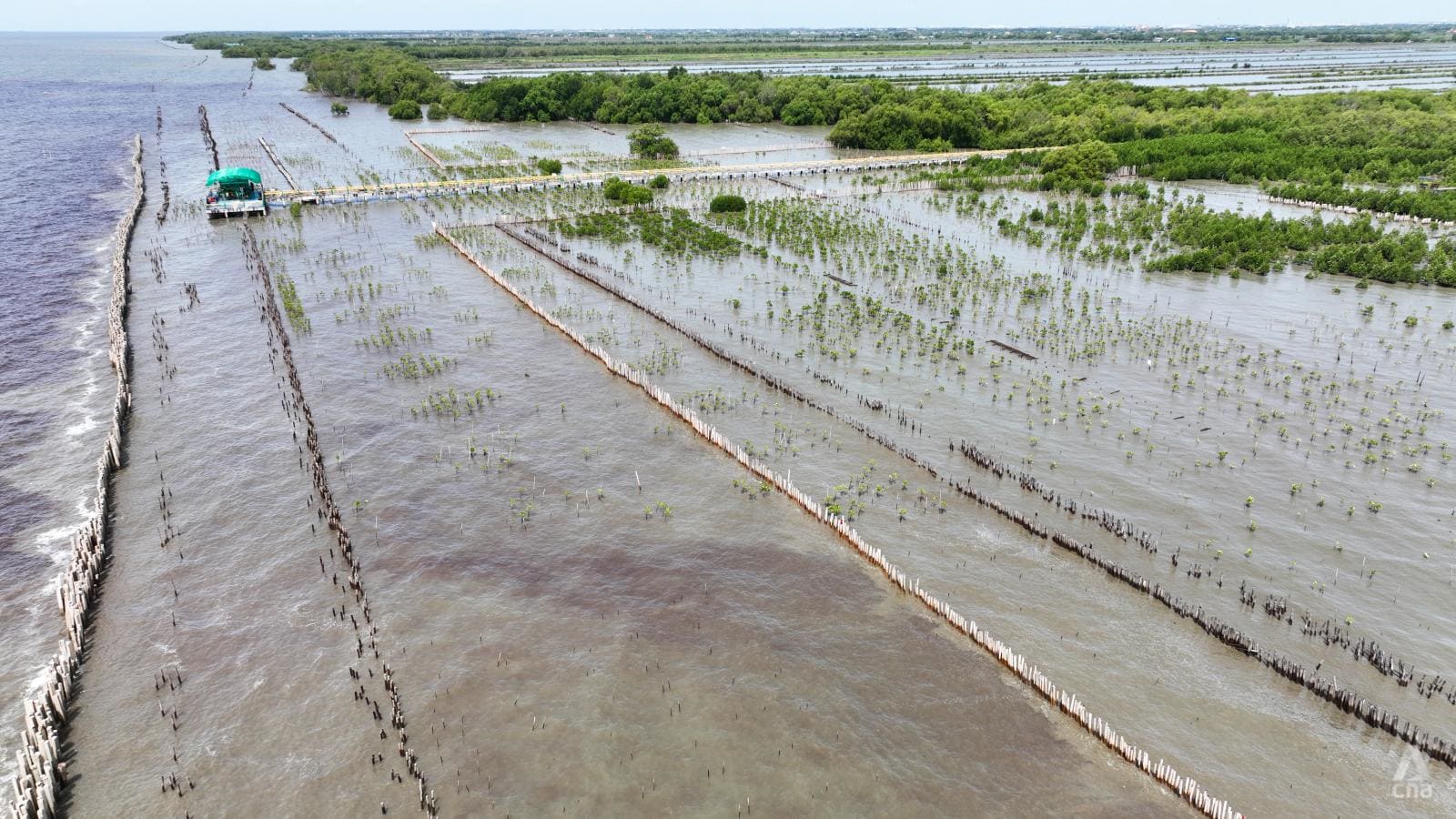
The Thai government is pressing on with a broad agenda to manage water, with the ongoing protection of Bangkok - the country’s overwhelming economic powerhouse region - at its heart.
It has started to implement its “Chao Phraya 9 Plans”, which includes water management investments with an estimated cost of US$9.4 billion. That includes hydraulic infrastructure and expanding water storage capacity.
The scars of the devastation from deadly floods in 2011 still feel raw in many parts. At that time, the capital was ravaged by a combination of powerful rainfall and flood waters flowing from the north, which killed 815 people and caused US$46.5 billion in damages.
Some industry experts say it needs to spend more and build more to contend with the rising challenge, amid the backdrop of northern Thailand experiencing exceptionally destructive flooding this wet season.
The World Bank has been in discussions to support the investments and its senior water resources management specialist, Mr Sanjay Pahuja, says Thailand vastly underspends on flood control, compared with Japan for example, which has consistently spent 1 per cent of its GDP every year on the issue.
“This speaks to a realisation of people who say, wow, we cannot afford those kinds of (damaging) events,” he told a panel discussion this month, noting that Thailand only spent 0.04 per cent of GDP on such flood controls.
“These are nation-building exercises, and we have to realise that if we don't do that, we're just running on a treadmill.”
Mr Pahuja noted the dangerous nexus that existed for Bangkok at present - a city facing a worsening flood hazard in a highly exposed region with an outsized concentration of people, production, strategic skills and supply chains.
“There are not that many places in the world that have such a worrisome combination”, he said.
“For some areas in Thailand, flood protection is not just another folder or business that you have to do. It is much more fundamental, and if you don't do it, nothing else that you do would matter.
JAKARTA: WET FEET WITHOUT WARNING
In Jakarta, a similar story is playing out. Here too, grand ideas of engineering swirl around the heads of local residents just trying to keep their feet dry.
Each night, Madam Fatimah listens anxiously to the waves crashing on the 10m tall concrete wall protecting her sinking neighbourhood, Muara Baru, from the rising sea.
During full and new moons when the tides are at their peak or during the monsoon season when the seas are rough, she barely sleeps at all.
The coastal floods sometimes come unexpectedly and without warning.
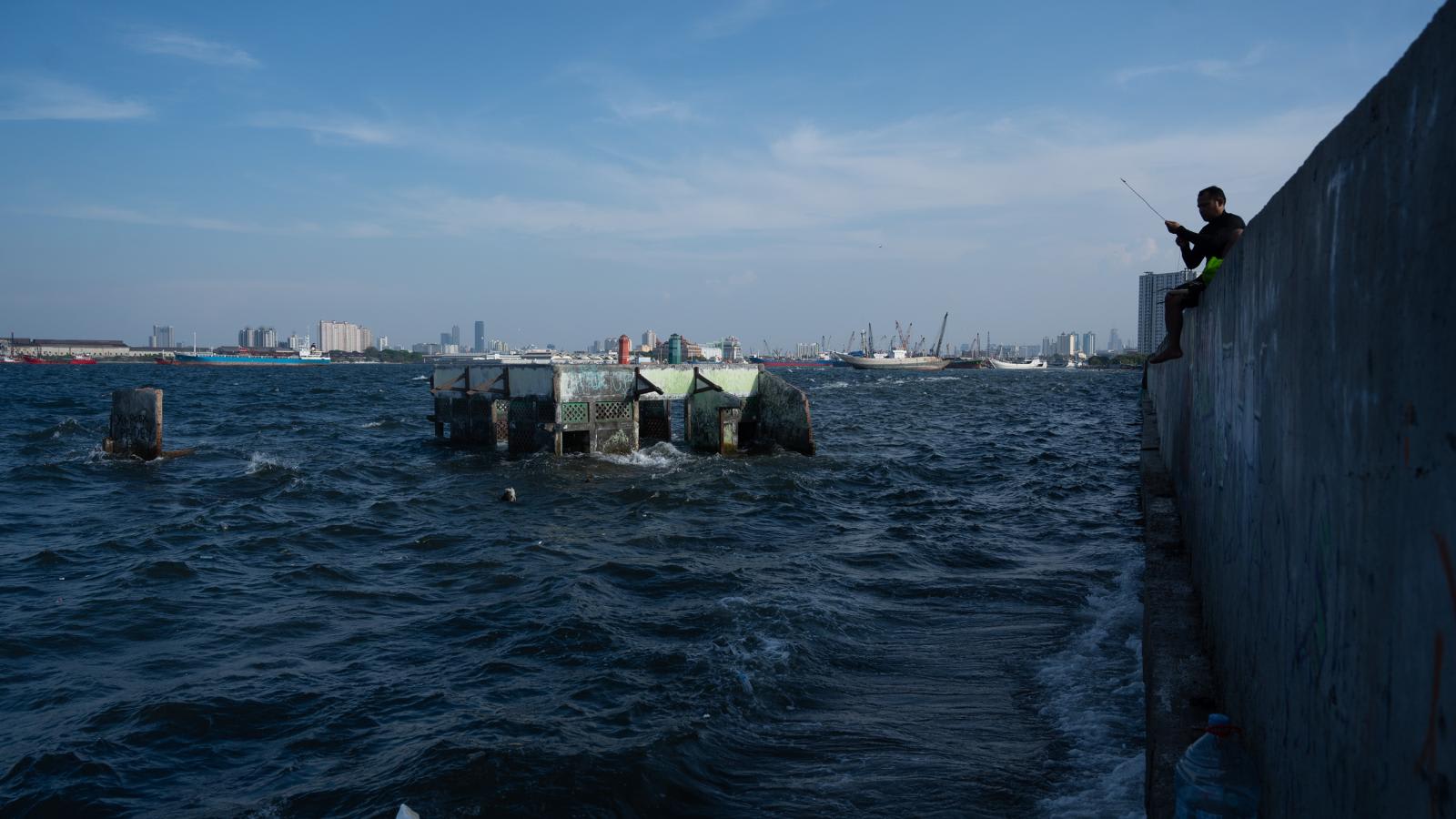
Last month, the sea rose so quickly it almost reached the top of the wall. Salt water was seeping through the structure’s cracks, inundating her congested neighbourhood, which is already around 5m below sea level, under ankle-deep water.
“I am scared that the wall might collapse one day. I can’t imagine what it will be like if that happens,” the 45-year-old said.
Because in Muara Baru water has nowhere to go but to be absorbed by the soil, Mdm Fatimah said her neighbourhood was not completely dry until five days later.
Over the past 50 years, Jakarta has been sinking at a rate of up to 25 cm per year, particularly in coastal areas like Muara Baru, which lie on loose and unconsolidated soil and sediment.
According to some studies, around 20 per cent of Jakarta is already below sea level, including the estuaries of the city’s 13 rivers.
This makes the city more susceptible to fluvial floods - rivers overflowing and inundating nearby lower lying areas - as the waterways lose their natural ability to drain themselves to the sea.
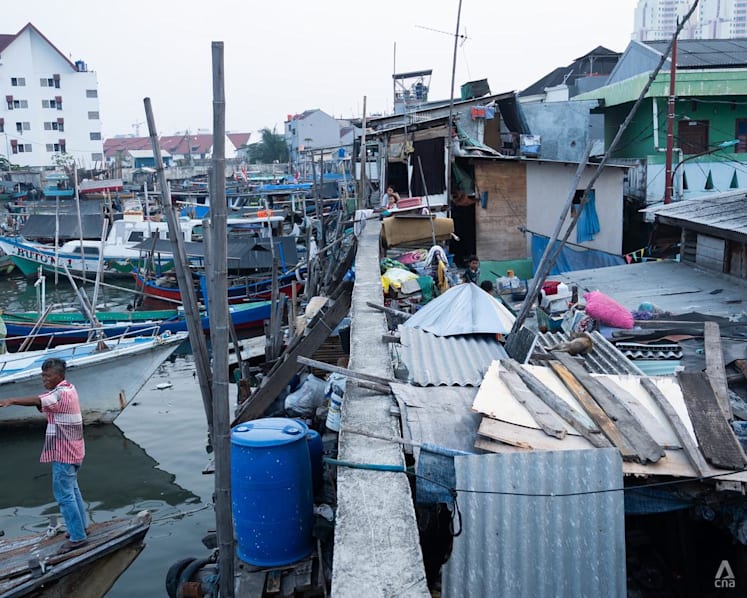
During the rainy season, Jakarta has to rely on more than 200 pumping stations along the coastal areas to flush out to sea the influx of water coming in from these rivers.
With some studies suggesting that the whole of Jakarta could be below sea level by 2050, Indonesia is moving its capital from Jakarta to Nusantara, a city built from scratch some 1,200km away in Borneo.
The Nusantara move aside, Indonesia has been mulling the idea of building a 30km long giant sea wall around 4km off the coast of Jakarta, where the ground is not sinking.
The plan, first proposed in 2014, promised to serve as a permanent solution to Jakarta’s land subsidence as well as rising sea level brought by climate change.
The US$3.7 billion wall is designed to have multiple purposes: A toll road connecting Jakarta and its suburbs; and a pond where water fed by Jakarta’s 13 rivers are collected and treated as a source of drinking water.
“The question is: Who is going to finance this sea wall?” Dr Yayat Supriyatna, an urban planning expert from Jakarta’s Trisakti University, told CNA.
“Is there anyone interested in investing? Even if it serves as a toll road and a fresh water source, and we can make money off of it, will (the project) be profitable?”
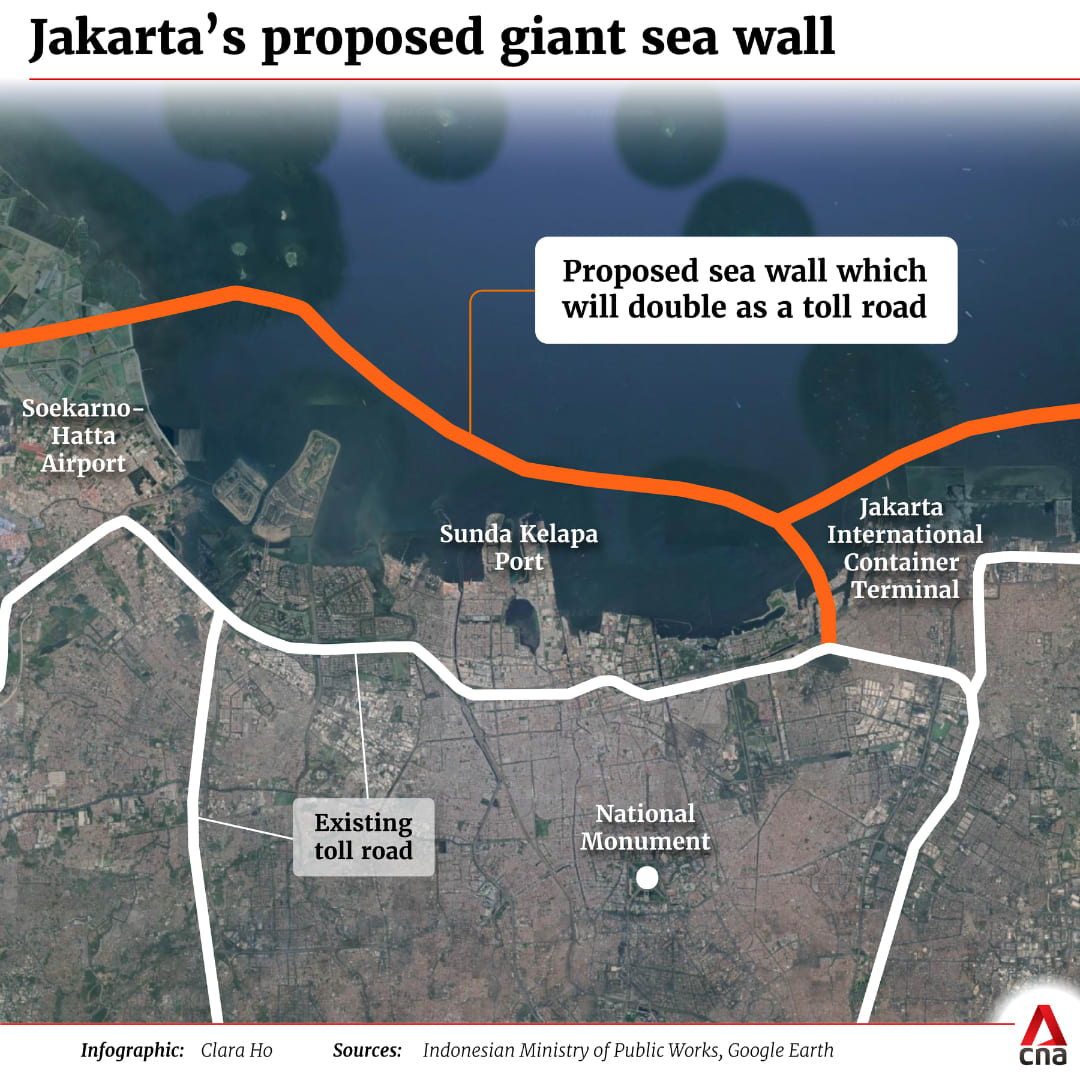
The plan was later shelved because of a lack of investment as well as criticisms that it could damage Jakarta’s delicate mangrove ecosystem – which requires a mixture of fresh and saltwater – and make it harder for fishermen to sail out of Jakarta Bay and catch fish in the Java Sea.
However, Indonesia’s new president Prabowo Subianto is considering not only reviving the Jakarta sea wall project but also extending it all the way to Gresik, some 650km away.
A spokesman from the Indonesian Ministry of Public Works said on Oct 10 that the ministry will soon get to work on the design of the 650km long wall.
Dr Heri Andreas, a researcher at the Bandung Institute of Technology, said building a giant sea wall, no matter the length, does not address the root cause of the problem: The over-extraction of groundwater.
“Finding new sources of clean water and expanding the municipal water network will be much more effective and cheaper than building a giant sea wall,” he told CNA, adding that as Jakarta’s population grows by around 100,000 every year, the city will need more drinking water.
And ironically, that is the main reason why Jakarta is sinking in the first place.
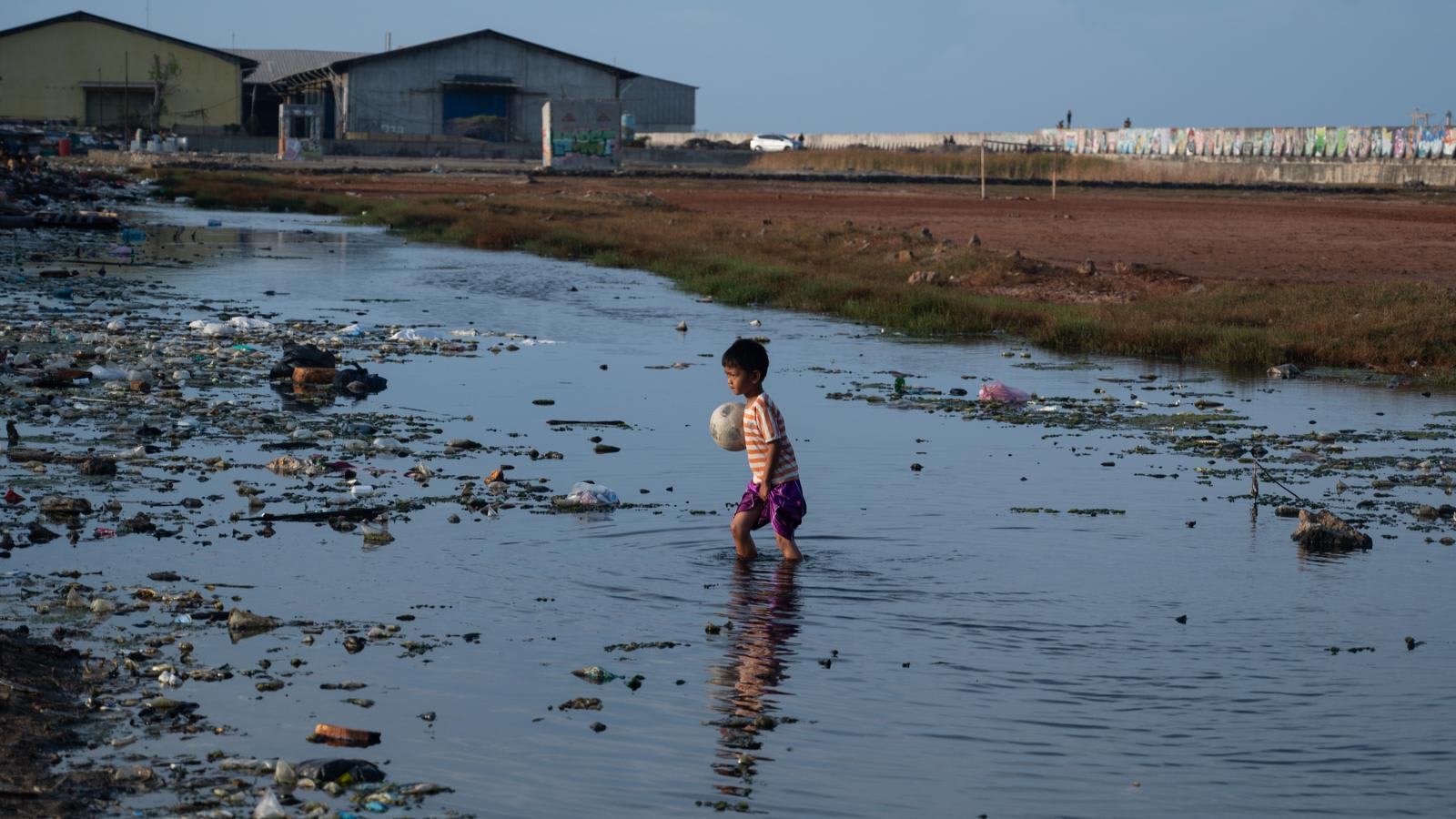
WATER EVERYWHERE IN JAKARTA BUT NOTHING TO DRINK
According to a 2021 study conducted by the Jakarta Environmental Agency, 74 per cent of the water from Jakarta's rivers are severely contaminated by solid waste, heavy metals and bacteria. These rivers also feed the city’s flood retention ponds and basins.
To make things worse, only around 940,000 homes, offices and factories have access to municipal water, according to data from the city’s piped water distribution company PAM Jaya.
This leaves little choice for the rest of Jakarta’s 11.3 million population but to rely on groundwater.
However, over-extracting groundwater from underground aquifers can cause the soil above them to compact and sink.
Dr Heri, an expert on geodesy – the study of how the Earth’s geometry changes over time – said it is hard to get people to understand the consequences of extracting groundwater because land subsidence happens gradually over a long period of time.
“Which is why people keep digging deeper and deeper for water without realising that their neighbourhoods are sinking,” he said.
Today, Jakarta relies on walls and dikes built along the capital’s coast lines to keep sea water at bay.
But because these structures sit close to areas affected by land subsidence, the dikes are also sinking and need to be raised and reinforced regularly.
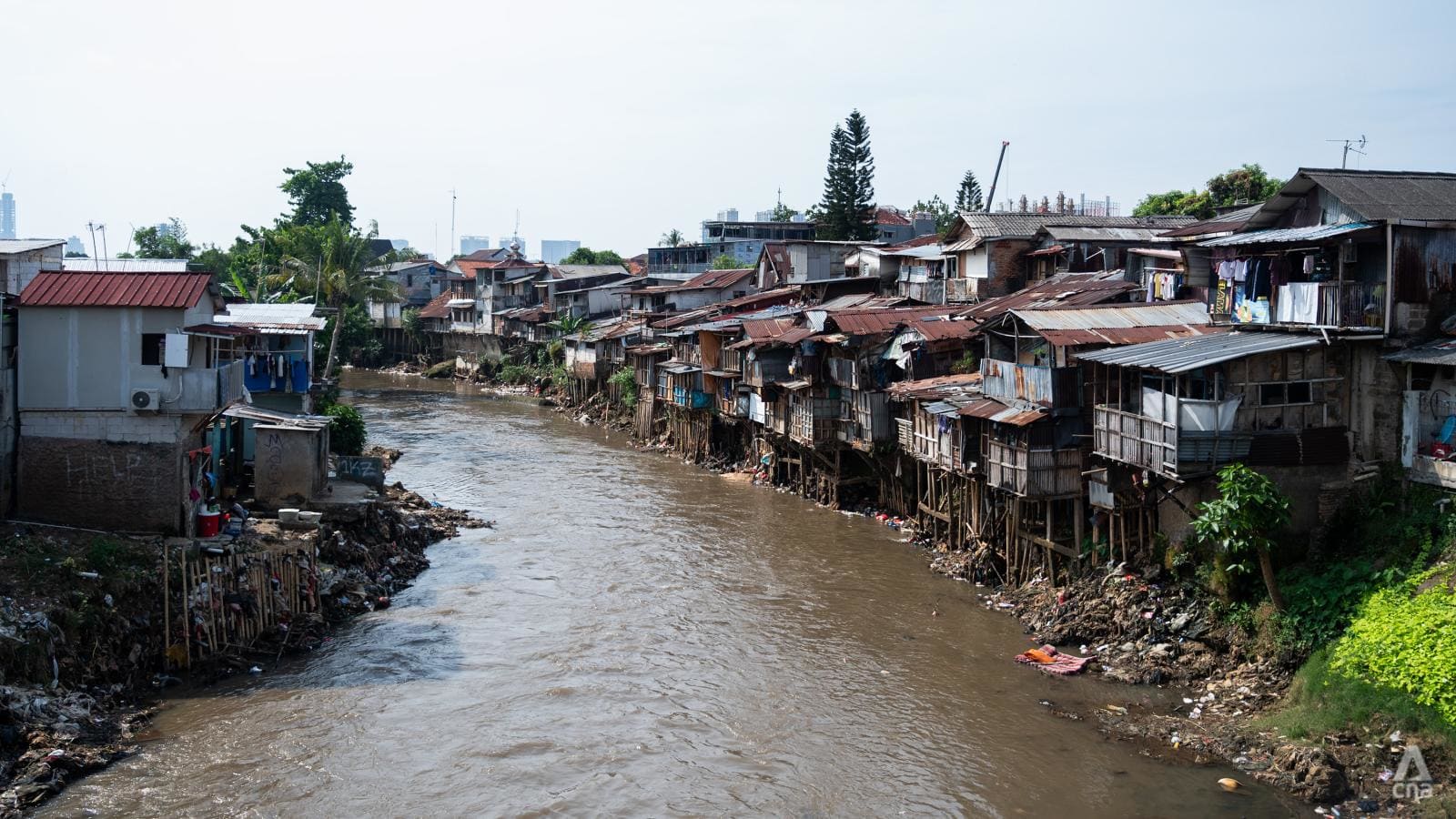
As bodies of water in Jakarta are polluted, the city relies on fresh water piped from dozens of kilometres away in neighbouring West Java and Banten provinces.
“Jakarta has too much water during the rainy season but not enough during the dry season,” Mr Nirwono Joga, executive director of think-tank Centre for Urban Studies, told CNA.
To mitigate this, Jakarta needs more places to store water such as open green spaces and reservoirs.
The government, he said, must also ensure that water from the hilly upstream areas, around 50km south of Jakarta, stays clean by the time it reaches the city.
“The problem is illegal settlements and factories along the riverbanks. (Does the government) have the courage to enforce their zoning laws and relocate these settlements (and) shut down industries polluting the environment?,” Mr Nirwono said.
This requires Jakarta to work together with two provinces, four cities and five regencies surrounding the metropolis.
But Dr Yayat of Trisakti University said this is hard because each government has its own priorities and interests.
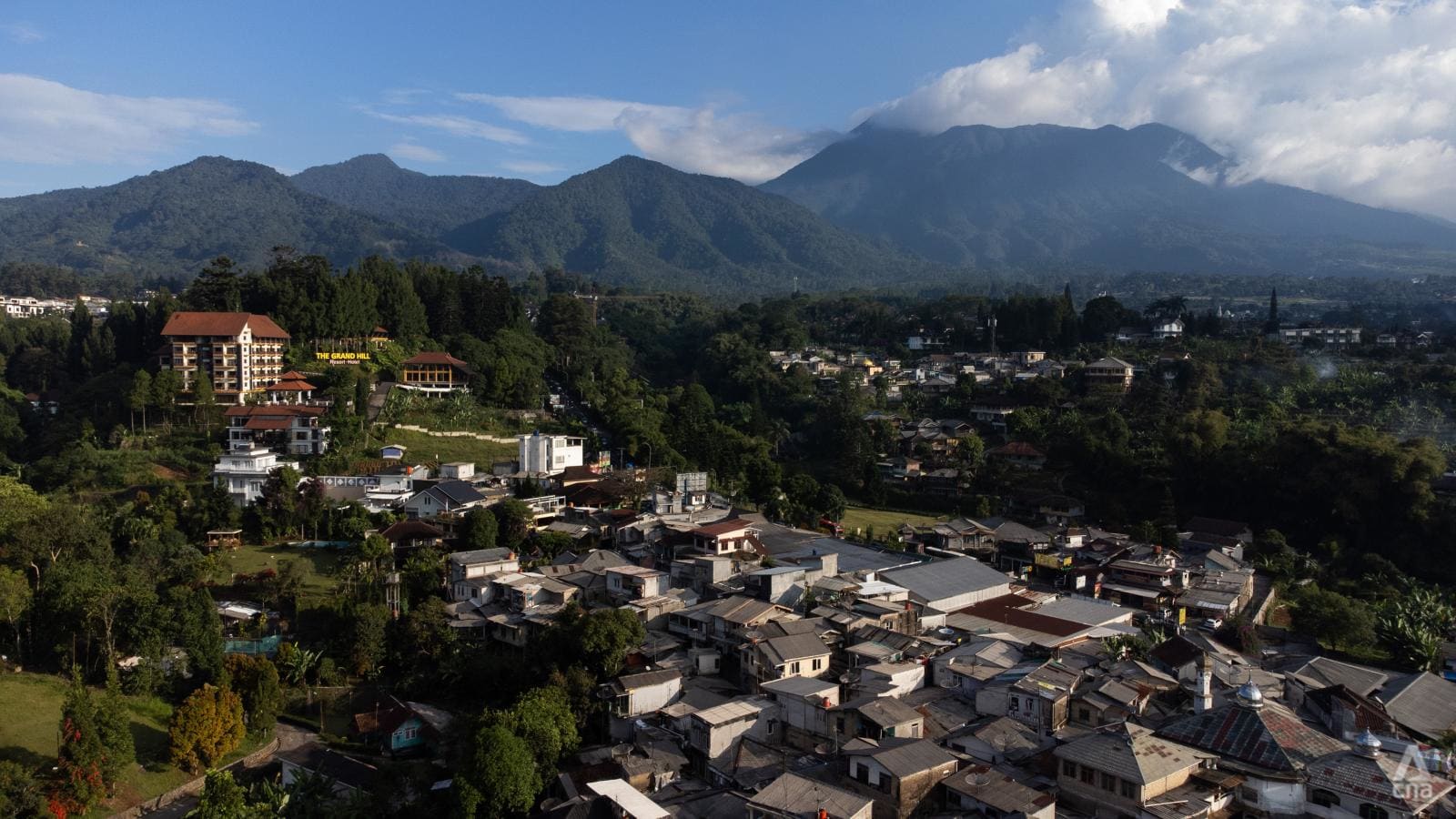
The urban planning expert said Bogor, a mountainous regency where most of Jakarta’s 13 rivers originate, needs to stop issuing permits for more villas and resorts in order to preserve the upstream area, improve the soil’s ability to absorb rain and prevent flood prone rivers to overflow by the time they reach Jakarta.
“But for Bogor, these villas, hotels and restaurants are sources of revenue. What compensation can Jakarta give if Bogor were to dismantle these villas and restore the forest?” he said.
KL: DARK HORIZONS, TUNNELS OF SAFETY
Across in neighbouring Malaysia, in the capital Kuala Lumpur, authorities and residents alike have learnt in recent years that they too cannot outrun or ignore the water around them.
Whenever Mr Muarif Matrawi observes black skies in the horizon from his home in Kampung Chubadak in Kuala Lumpur, he gets worried.
He knows that even a short spell of rain can result in the river near his home rising quickly.
In the past one and half years, he has seen his one-storey home inundated by flood waters twice, the first time resulting in him having to get rid of his belongings such as mattresses and some electrical devices.
He has taken his own measures to prevent flood waters from entering his home by building a small concrete barrier at the front door of his home.
“It is very worrisome for us living in this area every time there is heavy rain. It doesn’t have to be for very long before the water rises,” said the 61-year-old contractor.
He is not alone. As Kuala Lumpur continues to grow and develop rapidly, the threat of flash floods looms every time there are heavy downpours.
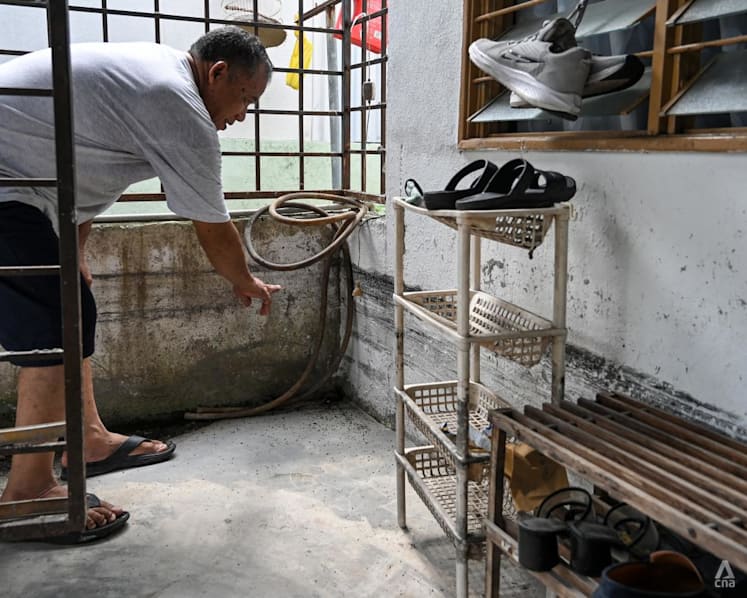
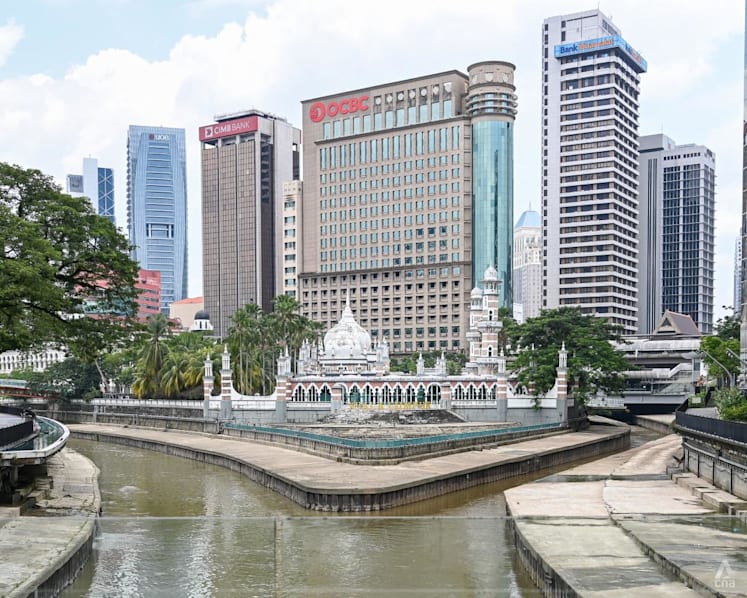
Several rivers run through Kuala Lumpur and the Klang Valley, with two of the biggest rivers - the Klang River and the Gombak river - converging in the city centre.
Authorities and experts say that changing weather patterns have resulted in the country experiencing more frequent and heavier rainfall events in recent years as existing infrastructure is not able to cope with the deluge of rain.
So much so that in August of this year, the authorities declared 14 new flash flood hotspots in the city, bringing the total number to 39 hotspots.
"Climate change is a challenge in overcoming this problem. Previously, August wasn’t the rainy season, but now it’s all changed,” Kuala Lumpur mayor Maimunah Mohd Sharif was quoted as saying by state media agency Bernama back in August.
Ms Maimunah said the city was looking at speeding up mitigation projects to overcome the issue, including to intensify periodic maintenance of the Onsite Stormwater Detention Ponds, rivers and main drains.
She added that deepening work at the nine detention ponds is being carried out, along with the upgrading of roadside drainage systems.
In a statement on Oct 19 - a few days after flash floods hit parts of the city - Ms Maimunah said that three flood mitigation projects have been completed, three projects were being carried out while another eight projects were to be implemented.
All the projects were slated to be completed by the first quarter of next year, she said.
Ms Maimunah also said that the city hall had installed water level sensors at 30 flood risk areas including rivers and drains that would alert authorities of rising water levels that could cause flooding.
The Institute of Engineers Malaysia vice-president Nor Hisham Mohd Ghazalli told CNA that the current infrastructure has not been able to keep up with the rapid rate of urbanisation.
He said that some of the existing systems were not built for high-intensity rainfall.
“There seems to be a change in weather patterns where we are getting high-intensity rainfall more frequently. Because of that, existing systems get overloaded and cannot cope, causing flash floods to occur,” said the former Director-General of the Department of Irrigation and Drainage Malaysia from Feb 2020 to Nov 2021.
Grey infrastructure has been central to the capital’s adaptation strategy.
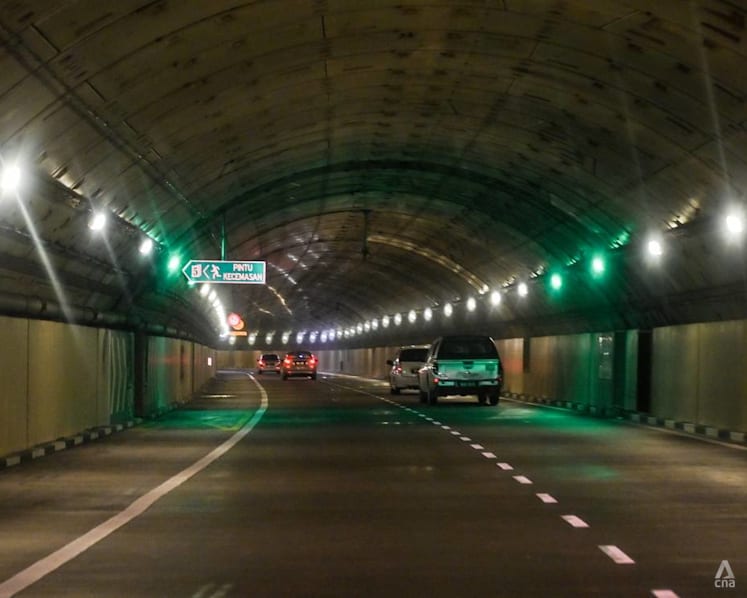
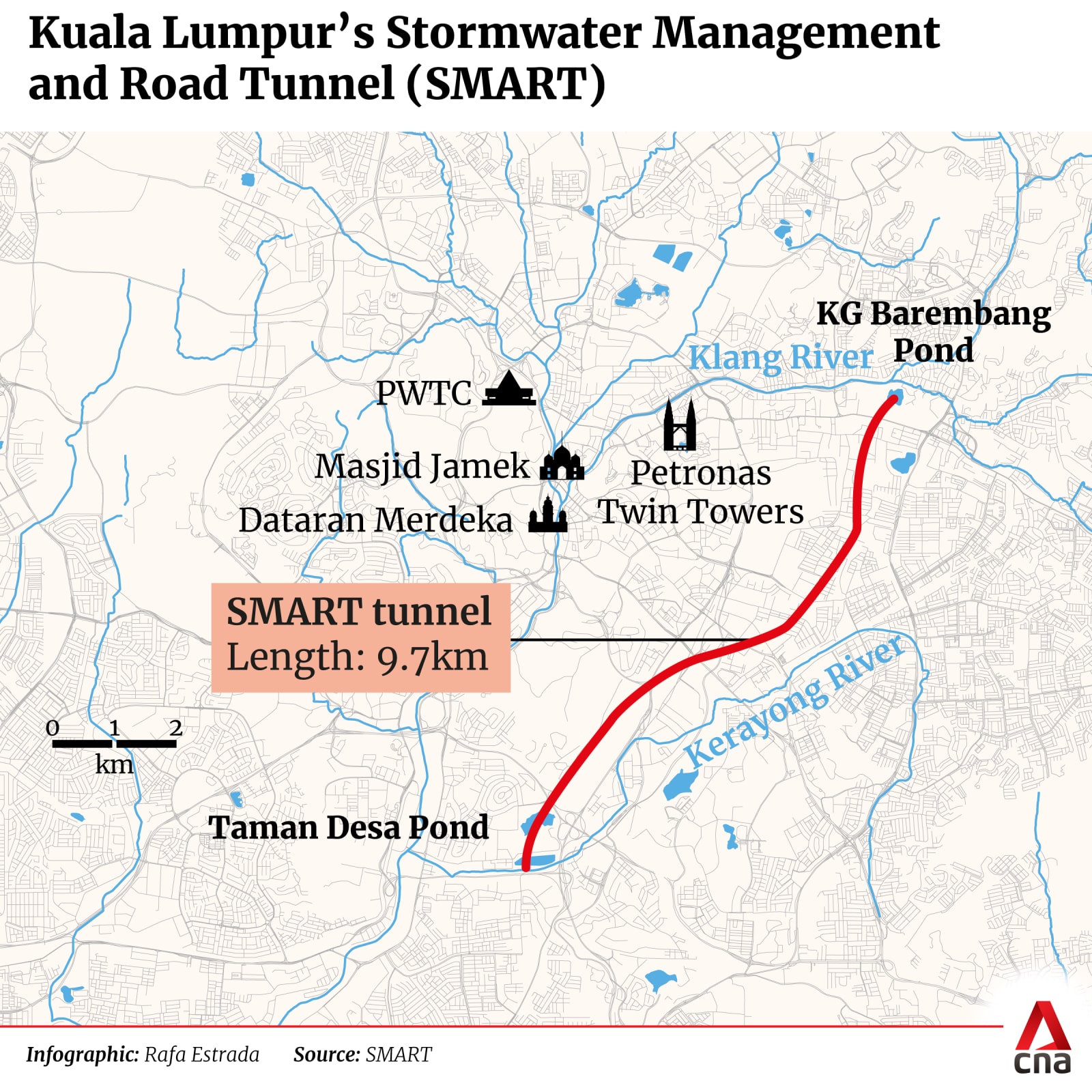
The Stormwater Management and Road Tunnel (SMART) - a project under the Federal Government initiated to alleviate the flooding problem in the city - was opened in 2007.
The 9.7km tunnel, which cost about RM1.9 billion (US$443 million) to construct, runs from the southern part of Kuala Lumpur to the city centre.
Its purpose is twofold - to relieve traffic congestion and for flood management.
When it rains heavily, the SMART system can divert large volumes of flood water via two holding ponds, a bypass tunnel and a storage reservoir.
“The tunnel was purposefully built to divert flows away from the area where two rivers meet in the city. From the upstream of the confluence, the flow is diverted into the tunnel that bypasses the city centre altogether,” Mr Nor Hisham said, adding that there have been no major floods in the city centre since the tunnel came into operation.
The tunnel alone addresses about 45 per cent of Klang Valley’s major floods, SMART’s chief operating officer Mohd Noor Mohd Ali said in an interview with the Star in 2022.
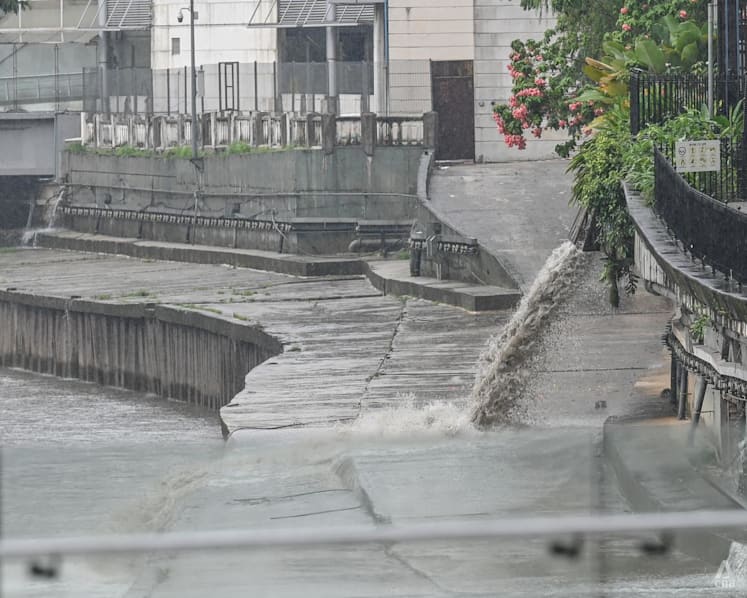
Mr Nor Hisham said that the flash floods such as those in early October are known as nuisance floods caused by blockages and damage to existing structures.
He said that the rapid pace of urbanisation has caused green areas to be paved over, with the ability of the land to absorb rainfall drastically reduced.
“Maybe it is time to reverse the process and purposefully create more green areas from existing pavements. For example, if we are looking at parking lots which were tarred over, we must go back to something more permeable,” he said.
Despite sinkholes, Kuala Lumpur is not sinking
On August 23, 2023, a 48-year-old Indian tourist, Ms Vijayaletchumy, vanished into a sinkhole near the Malayan Mansion in Kuala Lumpur's Masjid Jamek area.
Shortly after the incident, another cave-in occurred on Aug 27 in the Kuala Lumpur suburb of Kampung Kerinchi, along Jalan Pantai Permai, due to a collapsed drain although no casualties or injuries were reported.
These incidents sparked widespread fear and speculation that the city might be sinking.
But experts have debunked claims that Kuala Lumpur is a sinking city.
Prof Norzailawati Mohd Noor of the International Islamic University Malaysia’s Architecture and Environmental Design faculty told CNA that there was no solid evidence that the sinkholes were connected to a sinking city.
“A sinkhole and a sinking city are two completely different things. A sinking city is related to climate change and global warming. There is no evidence to show that Kuala Lumpur is in danger of sinking,” she said.
She said that the sinkhole that swallowed up a tourist in Masjid India was likely to be caused by improper planning.
“The development above ground might look alright, but the development below the ground wasn’t done properly and led to these kinds of issues,” she said.
Geologist Lim Choun Sian, a senior researcher at the Universiti Kebangsaan Malaysia, also told CNA that a sinkhole and sinking city were different phenomena.
“Sinking is normally when the whole city goes down, while a sinkhole occurs at a specific site,” he said, adding that sinking was linked to groundwater extraction and sea level rise.
Unlike the capital cities of Thailand and Indonesia, Kuala Lumpur is not a coastal city.
GREY VS GREEN
The situation in all three cities is an example of the contest of ideas between building more grey infrastructure versus harnessing nature instead to solve water issues.
In Thailand, as the Pearl Necklace concept emerged from the depths and onto the desks of decision-makers, a debate has been further ignited about the role of nature as a complement - or even a substitution - to those works.
Ms Kotchakorn Voraakhom, an internationally acclaimed landscape architect who collaborates closely with the Bangkok Metropolitan Administration to design and implement visionary water management projects in the city, says the co-benefits that nature provides for cities are often overlooked.
The chief executive of the Porous City Network and founder of Bangkok-based firm Landprocess has been behind projects like the Chulalongkorn University Centenary Park and Chong Nonsi Canal Park, which are leading examples of nature-based solutions at work.
She is still battling to push this philosophy more broadly, to have it incorporated into everything the city does in the future. Resistance and inertia remain, she said.
“Living with water hasn't been a strategy for Bangkok. It seems like Bangkok is actually trying to live without water and it's impossible because we are talking about a delta city.
“The city actually is on top of this natural dynamic. And when we’re not putting nature at the centre and we only think about human-centric development, we are losing the balance of how the city can be resilient and how it can be sustained,” she said.
“Nature can be part of great infrastructure, and great infrastructure has to prioritise the regeneration of the nature that we have destroyed. Living with nature is the only way to survive.”
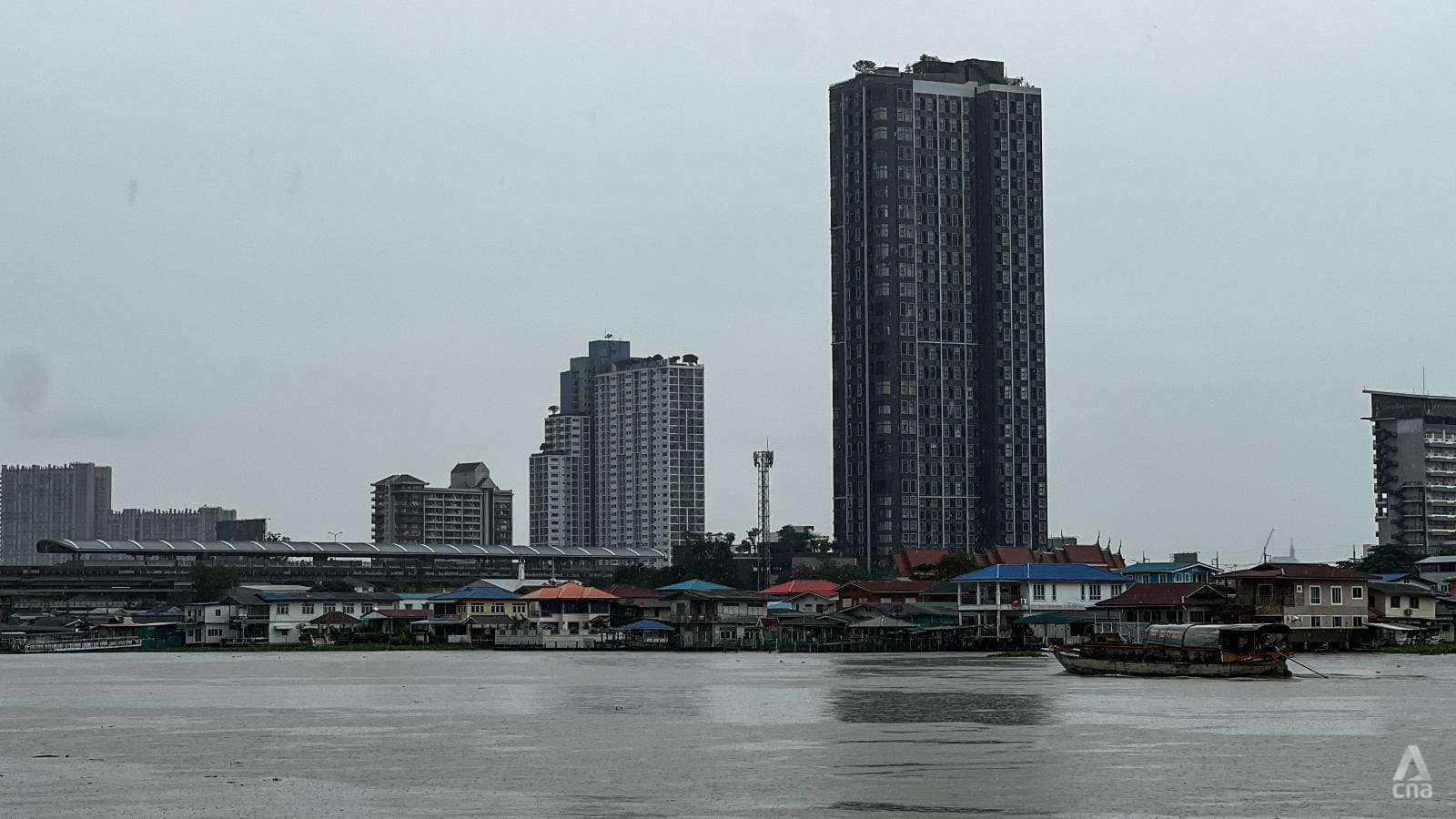
Her concerns extend to the Gulf of Thailand, where she would prefer to see the natural dynamics of mangrove forests restored and local communities empowered as protectors, rather than a vast project that could do more harm than good if not fairly considered.
“I hope that the Pearl Necklace project won’t choke our neck as a nation,” she said, expressing concern that blocking the sea could exacerbate challenges around the vast amounts of water from the country’s north draining into the sea, year-round.
“If we have more structures that are actually going to make this water flow in the opposite direction, that means we're going to create a flooded Bangkok forever. We’re going to create the biggest stagnant water in the world,” she said.
“For me it's actually showing how we still want to fight against nature rather than live with it.”
Mr Nirwono of Indonesia's Centre for Urban Studies said that nature can also provide a solution for Jakarta’s land subsidence and coastal erosion problems.
“Instead of a giant sea wall, why not build a giant wall of mangroves?” he told CNA, arguing that reforesting the coastal areas will not only be a more ecological friendly solution but be economically beneficial.
“Fish and other marine life can also thrive and serve as a source of income for our fishermen.”
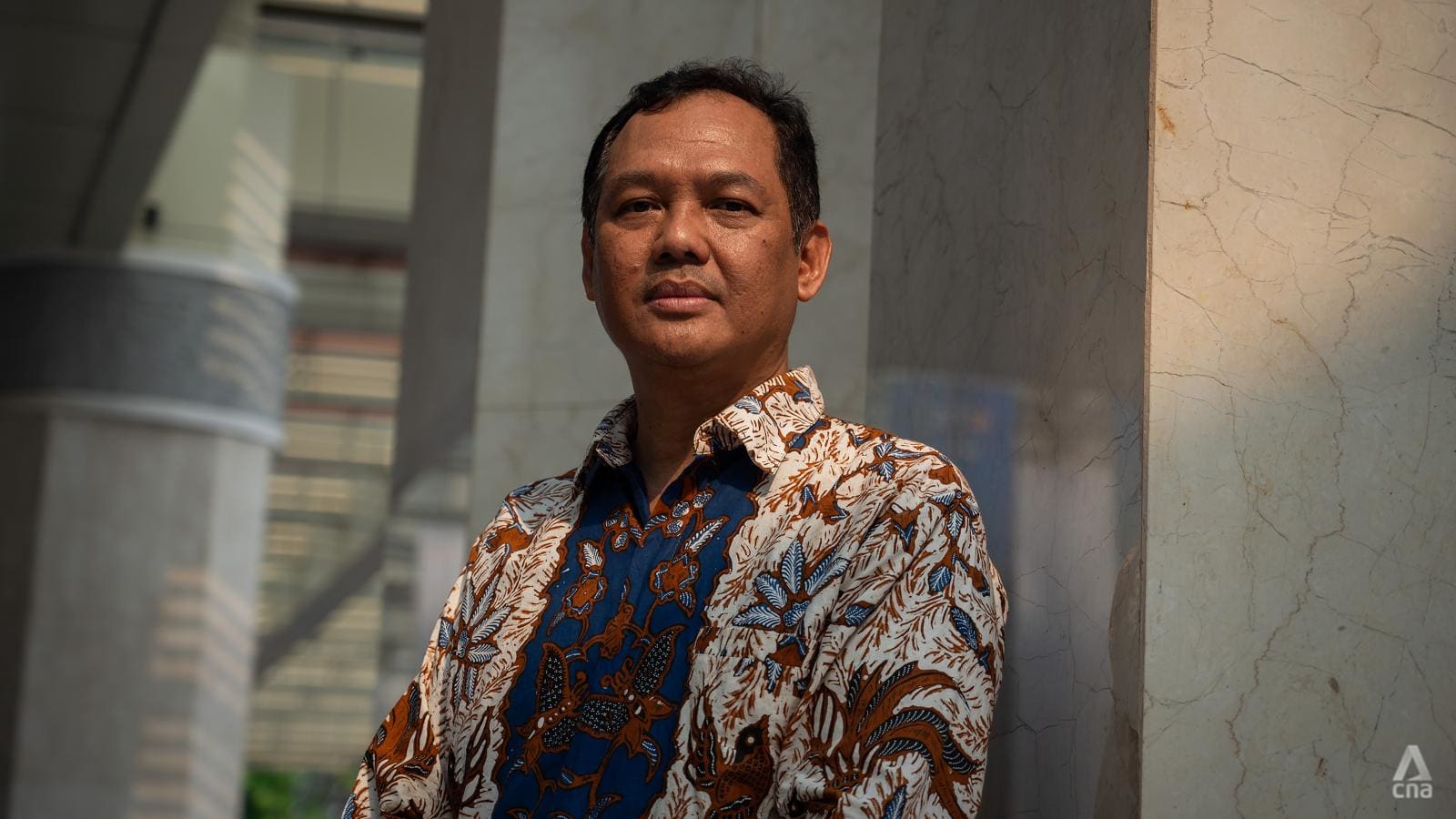
And for some Malaysian experts, Kuala Lumpur should further explore and adopt the “Sponge City” concept, which has been substantially adopted in China to overcome the urban flood issues in recent years.
It too is an example of harnessing nature to improve urban defences.
A “sponge city” would include permeable roads, rooftop gardens, the building of wetlands and man-made lakes, the construction of community gardens and planting of trees, said Dr Mohd Fairullazi Ayob of the Faculty of Architecture and Environmental Design at the International Islamic University Malaysia.
Through nature-focused landscaping, cities are more able to absorb and retain water, reducing surface run-off and reducing the risk of floods, he said.
“The Sponge City is a city with a water system that is highly adaptable to environmental changes and natural disasters that acts like a sponge, absorbing, storing, infiltrating, cleaning and purifying rainwater before releasing it for reuse.”
He pointed out that the Malaysia government had announced in 2022 to conduct a feasibility study in developing the proposed SMART 2 tunnel, a new flood mitigation measure for the city of Shah Alam in Selangor, which was devastated by flooding in December, 2021.
The 22km underground tunnel proposed by Gamuda, the company behind SMART, would embed the “sponge city” concept within it, Dr Mohd Fairullazi Ayob noted.
The system would absorb rainwater and surface runoff through interception and infiltration, storing water underground for regulated release to the sea later.
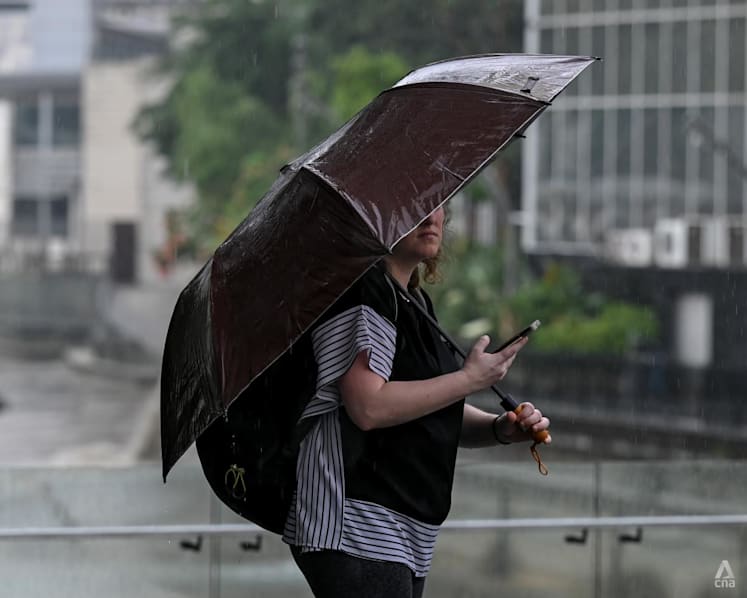
WORKING TOGETHER AMID COMPLEXITIES
Each of the three capitals - and many other cities facing similar water challenges - have complex problems to contend with.
Mr Nirwono in Indonesia said Jakarta’s issues require multiple ministries and local governments at various levels to work together.
To overcome this bureaucratic mess, Indonesia must look at other cities like Bangkok and Kuala Lumpur in how they manage their water and mitigate disaster, he argued.
“Bangkok for example has the Bangkok Metropolitan Administration which manages not only the Thai capital itself but also the surrounding areas,” he said.
The Bangkok Metropolitan Administration too also has limits to what it can achieve, when flooding issues are so systemic and incorporate national infrastructure across the expanse of the country.
Indonesia is forming the so-called Jakarta Agglomeration Area Council, with the country’s newly inaugurated vice-president Gibran Rakabuming Raka – former President Joko Widodo’s son - among the names touted to head it.
The council is tasked with coming up with a blueprint to solve problems such as transportation, flooding, spatial planning and environmental degradation in Jakarta and its suburbs, and coordinate its implementation with related ministries, provinces, cities and regencies.
But the formation of the new council raises many questions over its effectiveness.
“How powerful will this new body be? If the body has no power to force different municipalities and regencies to follow its masterplan, if the body does not manage its own budgets needed to finance various infrastructure projects then the body is doomed to fail,” Mr Nirwono said.
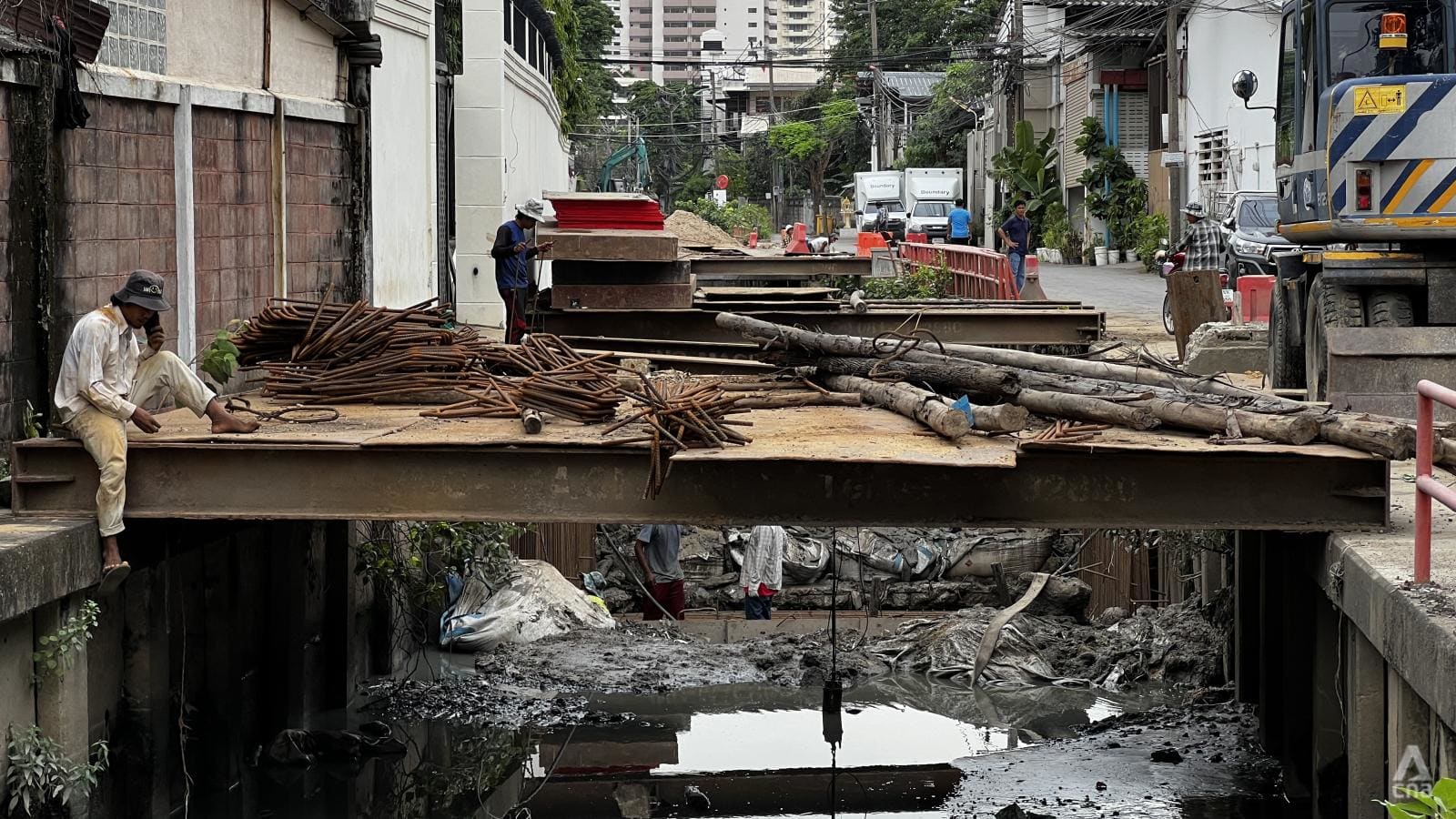
Within the Association of Southeast Asian Nations (ASEAN), the policy framework under Article 7 encourages member states to share strategies, resources and knowledge to better respond to events like flooding.
It should be leaned upon more readily, according to Mr Decharut Sukkumnoed, director of the Think Forward Center in Thailand.
“It's very necessary to coordinate this. We can invest together. We can share together and we can prepare better together,” he told a panel event in Bangkok this month.
Finding commonalities in nature-based solutions, and looking to the past for solutions are both ways that regional cities could also help each other going forward, said Mr Pakkasem Tongchai, programme officer on water and wetlands at the International Union for Conservation of Nature.
“Every city has its own problems and their own systems. But the same problem is the water,” he said.
“Nature-based solutions actually connect everyone. People always think about the new thing or the new technology. But to me, I think the things that we have in the past can guide us to something that we can help in the future.
“Because people in the past knew how to live with water,” he said.
While planning continues on paper and strategies get developed, affected locals live a strained reality.
With the sea already higher than the second storey of her home, Jakarta resident Fatimah said she is worried about the future of her neighbourhood, Muara Baru.
“Maybe this whole area will become one with the sea some day,” she said as she gazed emptily at a swampy wasteland where her childhood home used to be.
In her years living here, Mdm Fatimah has had to move houses twice because the Jakarta government needed her land: First to build a retainer wall in 2009 and later a pumping station in 2014.
“When city officials told me to move, I did so without making a fuss,” she said. “I have done my bit. I just need the government to do theirs.”
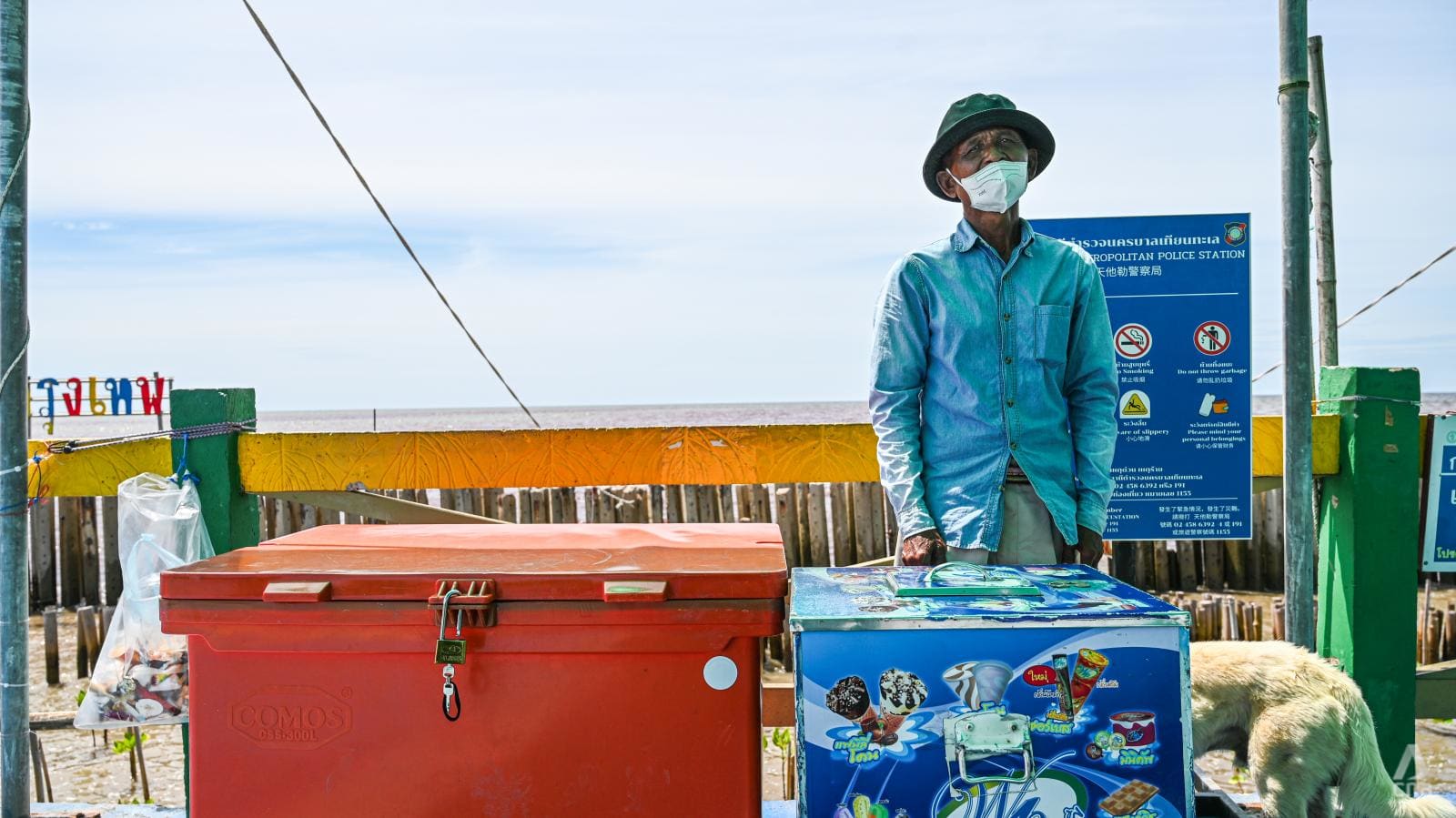
The residents of Bang Khun Thian have been moving too, as the water has bitten away at their land on the coast.
“I am scared because there’s nothing that can fend it off. When the waves come, they come a lot. And all the villagers are in trouble,” said Mr Sinsamut Phuttameephol, a 64-year-old fisherman.
Their livelihoods - their very future in shrinking ancestral grounds - are at stake. Their space is being enveloped on two fronts, by the sprawl of the city growing around them and from coastal erosion.
Soon, a mega project might land on their horizon. Some locals along the coast are already mobilising against it.
Yet Mr Plodprasop - behind the Pearl Necklace vision - has little patience for protest, another reminder of the often stark split between those living the impacts of flooding and those wielding the power of change.
“Instead of thanking us for saving their lives, they disagree,” he said. “You’re the first to be underwater. You’re the first. Don’t forget.”
Additional reporting by Ryn Jirenuwat.