









PRESENTED BY

GLOBAL BRAND,
LOCAL LEADERS
Content share and bookmark
As McDonald’s expands across Asia, its momentum is driven by the local leaders shaping each market.
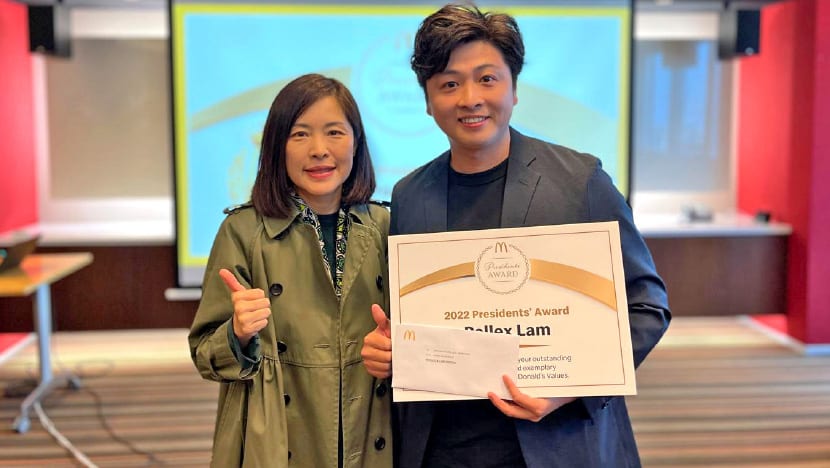
When Mr Pollex Lam first stepped behind the counter of a McDonald’s in Hong Kong in 2001, he never expected that the restaurant where he once shared weekend meals with his family would come to shape his career. What began as a young man learning how to run a busy restaurant eventually led him to oversee dozens of restaurants and later to take on a leadership role as a manager in family marketing.
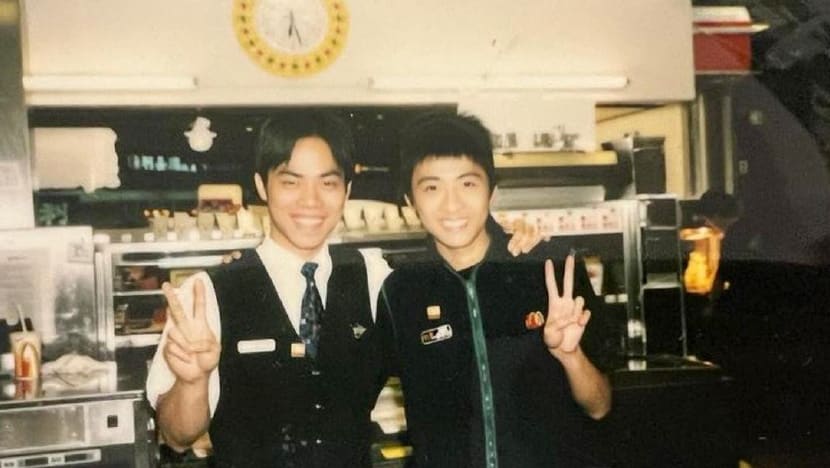
The perspective he brings to this role is rooted in his own experiences of eating with his family at McDonald’s and the time he spent on the restaurant floor as crew. He remembers the pace of weekend breakfasts, the fun-filled celebrations that unfolded in party rooms, and the way parents and children bonded during every visit together. Now, these firsthand memories equip him with an intuitive understanding of what resonates with Hong Kong families, and what makes their experiences memorable — insights that come from having experienced every aspect of the business as both a customer and an employee.
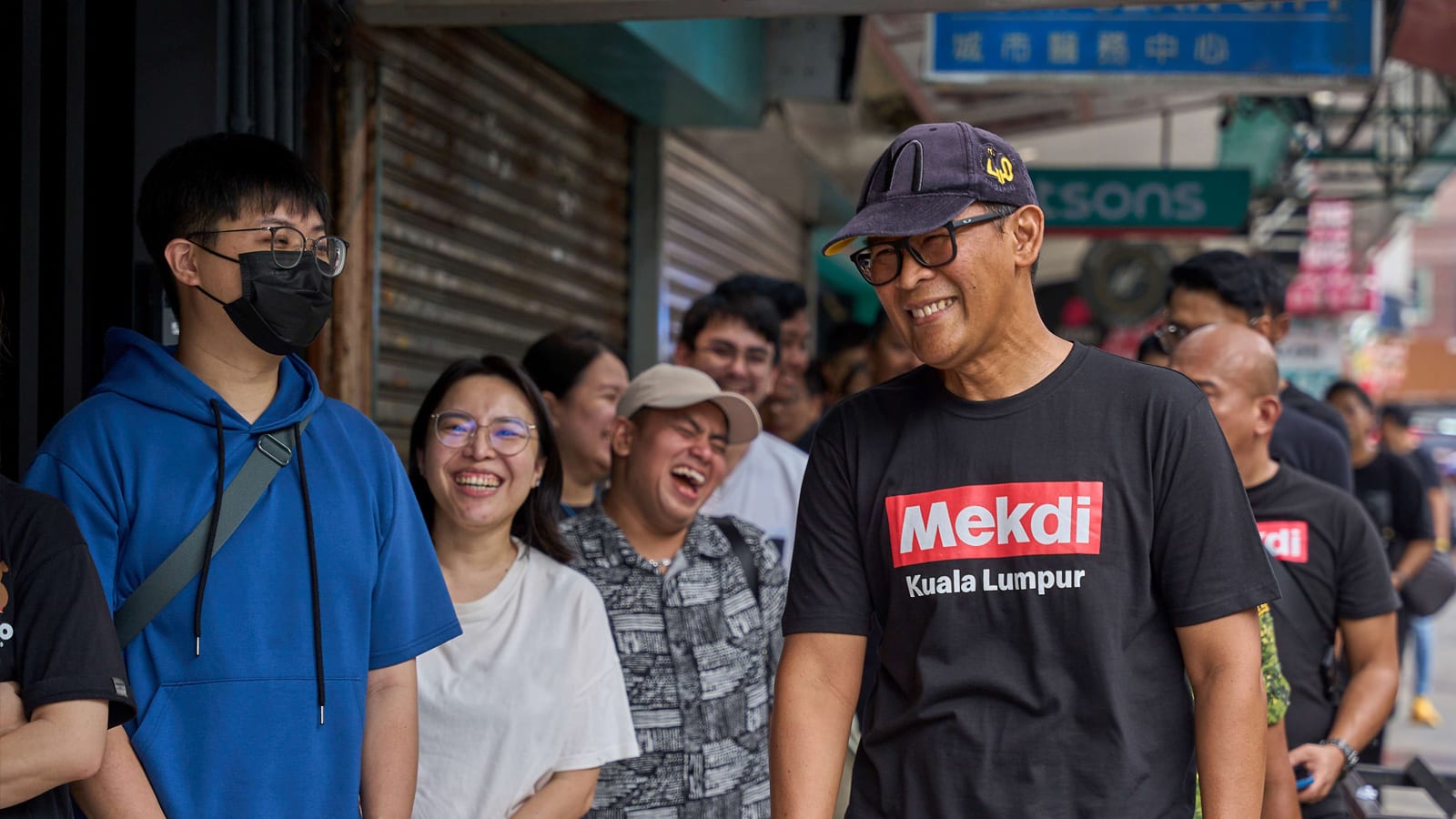
Mr Lam’s journey is not unusual across McDonald’s in Asia. People who grew up with the brand are now the ones leading it and shaping decisions that reflect the communities they come from. Mr Azmir Jaafar, managing director and local operating partner of McDonald’s Malaysia, recalls joining the company in 1993 as a management trainee and being struck by how structured and accessible the training was. “Every single step… comes with a training system,” he said. “Anyone can come to McDonald’s and be somebody.”
Mr Azmir spent his early years running stations and shifts, and learning the rhythms of the restaurant. Today, he leads a network of more than 370 restaurants, many of them in communities where the entire team comes from the local area. His leadership reflects a wider approach across McDonald’s in Asia: ensuring management teams are made up of local people, and giving them the autonomy to shape the direction and actions of the business in ways that feel natural to the context in which they are operating.





Across Asia, McDonald’s presence has grown to more than 13,000 restaurants, but the scale tells only part of the story. “Asia is an incredibly dynamic and diverse region — a true mosaic of cultures, traditions and tastes,” said Mr Stijn Heytens, head of McDonald’s Asia Business Unit. “What unites the markets is a shared passion for great food and strong community values. How those are expressed differs from one country to the next. So, success for a brand like ours relies on truly understanding those local nuances, from dining habits and religious practices to flavour preferences and family culture. Our local leaders play a crucial role in seeing through their customers’ eyes and making sure that every meal we serve provides real value for money.”
That understanding comes from championing local leaders to take charge of McDonald’s in Asia. Mr Heytens points to the company’s Developmental Licensee model, which entrusts ownership and day-to-day operations in local hands, and empowers licensees to reinvest in their markets for the long term. “What surprises people is just how local our business really is,” he said.
As entrepreneurs are rooted in their own communities, they hire locally, build neighbourhood partnerships, and tailor everything from menus and opening hours to community programmes and supply choices, all while upholding the same global standards in quality and safety. The result is a system that stays closely attuned to what consumers want, at prices they can afford, keeping the brand globally consistent but locally led.
LOCAL LEADERSHIP
Leadership grounded in local knowledge is woven into every aspect of McDonald’s operations, shaping everything from high-level boardroom strategies to the way guests are welcomed in restaurants. Local leaders guide essential areas such as menu development and customer engagement, ensuring strategies are not abstract but directly responsive to the needs and preferences of real communities.
Having a local leadership team making the decisions for their market also gives McDonald’s a distinct advantage when it comes to menu innovation and creating new food favourites that genuinely resonate with, and provide great value for local customers. Leaders who understand local taste preferences are better able to guide the curation of local menus to effectively draw customers in and foster a strong sense of loyalty.
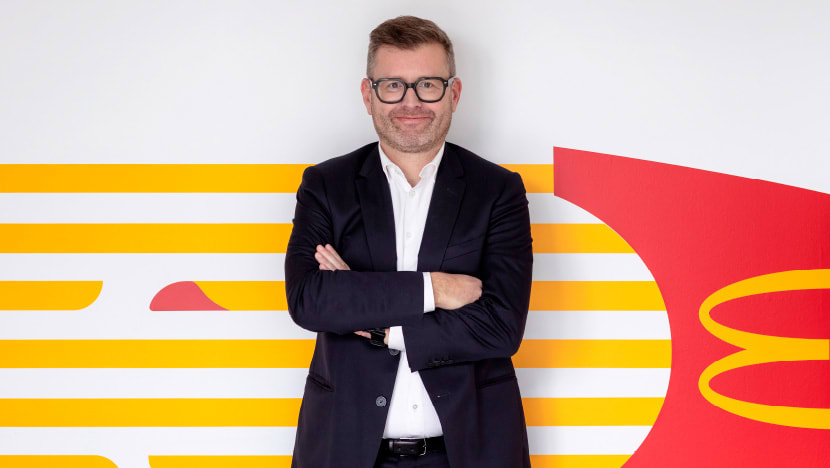
“A hyperlocal approach means paying special attention to how their customers are alike — and importantly how they are different — from other markets,” Mr Heytens explained. “It ensures they stay focused on giving customers exactly what they want and when they want it, both inside and outside of the restaurants. For example, alongside global menu icons like the Big Mac and Chicken McNuggets, local teams are given the freedom to adapt menus locally.”
Mr George Yang, founder and chairman of Golden Arches Development Corporation, which runs McDonald’s in the Philippines, underscores the importance of a localised menu. He recalls how the early success of McDonald’s in the country hinged on serving food that stayed true to local culinary tastes and traditions. “We had to win Filipinos over with food that felt familiar,” he said, explaining the introduction of McSpaghetti, Chicken McDo with rice and gravy, and the Burger McDo — items that still define the menu today.
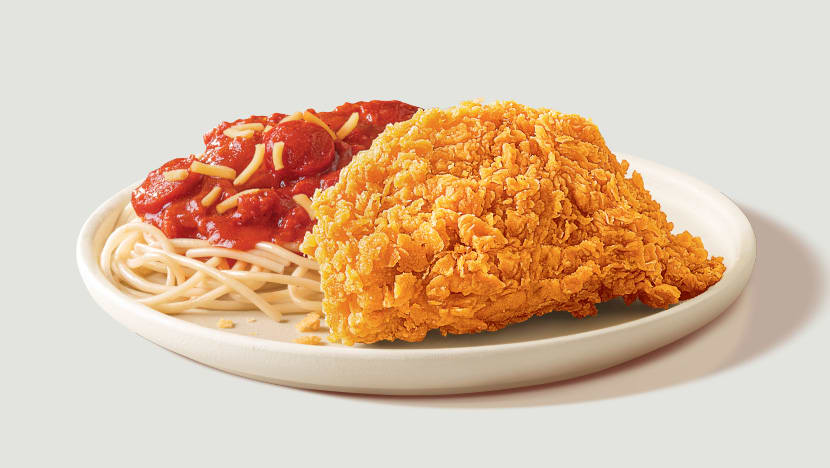
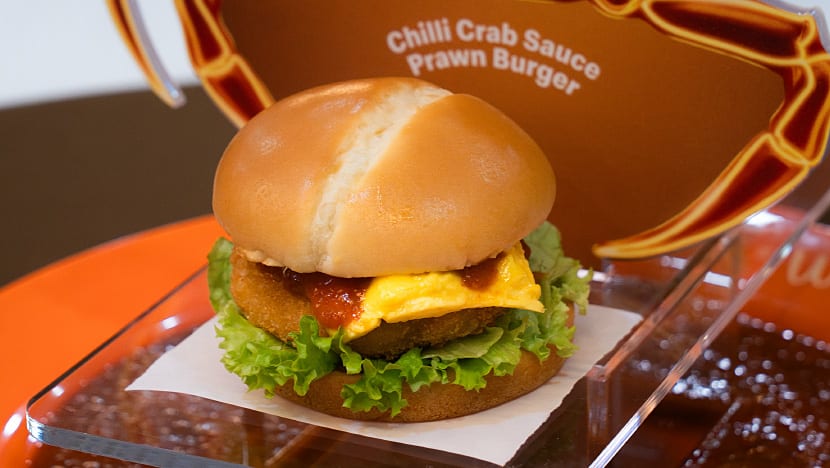
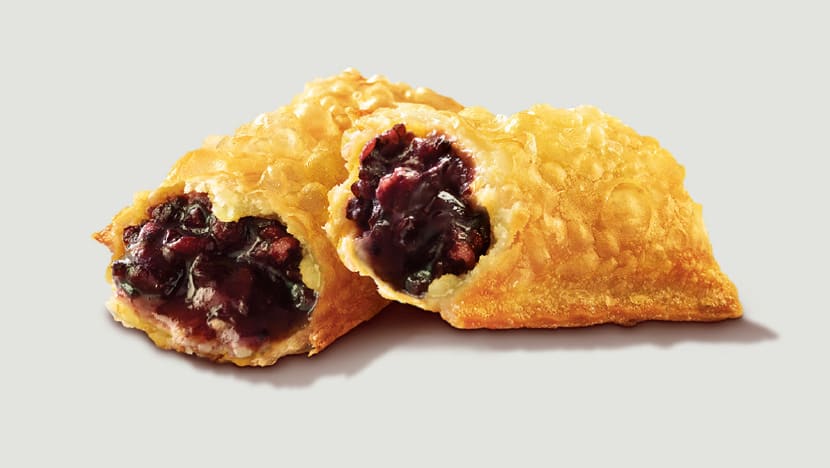
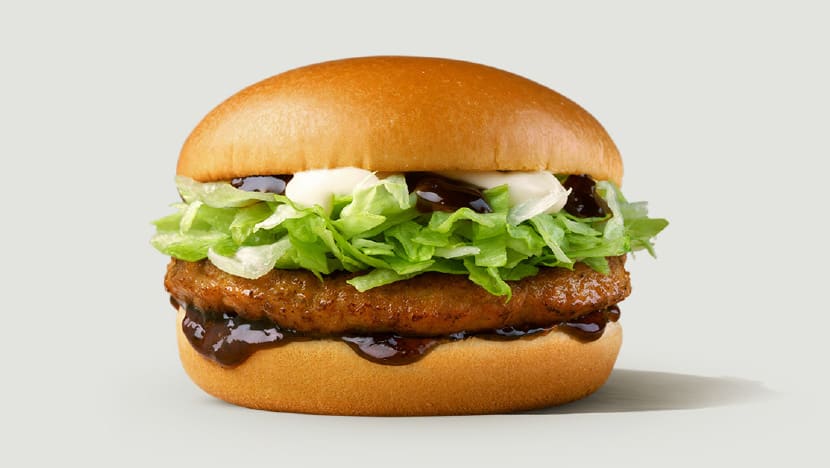
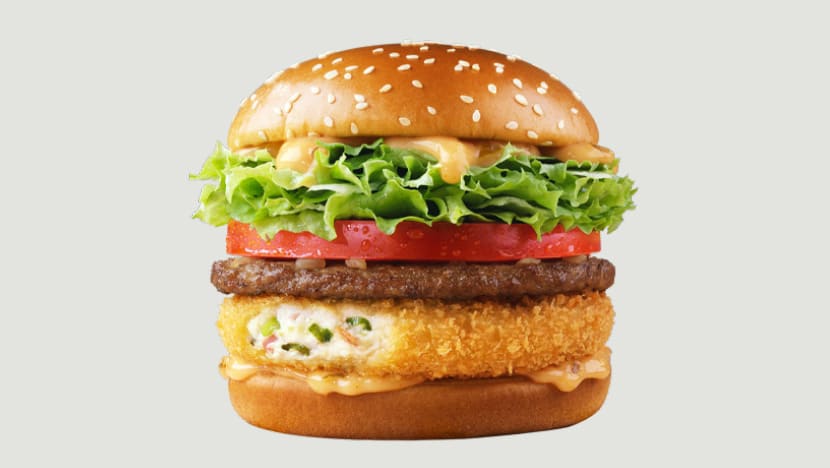
Across Asia, McDonald’s menus celebrate regional flavours and culinary heritage. In Singapore, the Chilli Crab Sauce Prawn Burger and Pulut Hitam Pie draw inspiration from the country’s famed hawker culture. In India, vegetarian icons like the McAloo Tikki are considered a balanced source of nutritional ingredients as per local nutrition norms and remain bestsellers decades after their introduction. In South Korea, items such as the Bulgogi Burger showcase the much-loved flavours that are staples of the national palate. Together, these local specialities blend seamlessly with global menu icons to create restaurants that feel both recognisably McDonald’s but comfortably homegrown.
ROOM TO GROW
To ensure a strong pipeline of local talent that is vital for sustained business growth, McDonald’s also invests significantly in upskilling and mentorship, providing clear pathways for crew members to advance into more senior roles within restaurant operations. Training is structured, practical and consistent, blending on-the-job coaching with clear career progression for all.
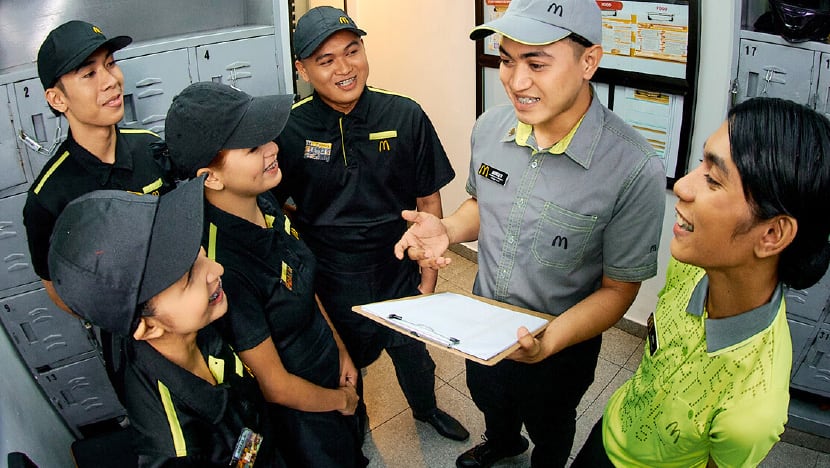
Ms Indah Purnamasari has spent 30 years at McDonald’s Indonesia, rising from crew member to brand extension manager — a trajectory shaped by the company’s structured development system and the mentors who supported her through each stage. She credits that guidance for helping her navigate new roles and responsibilities, describing how her own leaders treated her “patiently and sincerely”. The training she received, from restaurant operations to national-level brand work, gave her both the skills and the confidence to advance in her career.
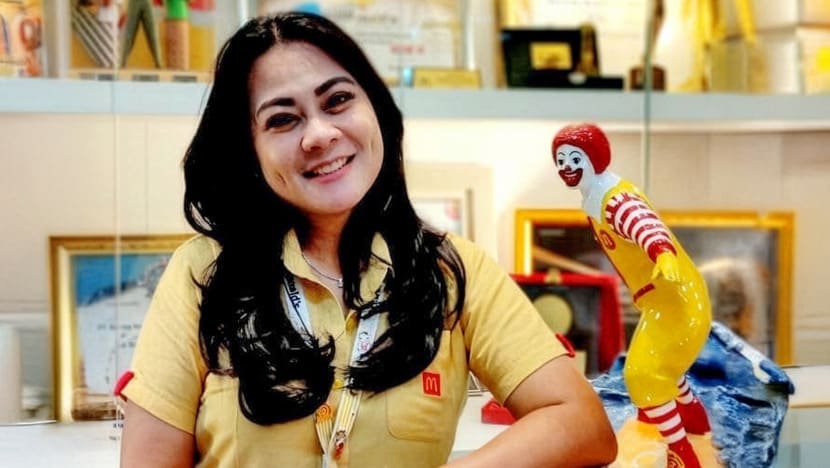
Now, she carries those lessons forward. “I believe everyone has great potential,” she said, explaining why she sets clear goals and high expectations for her team. Her leadership centres on helping others grow the way she did — by taking initiative, learning from decision-making and cultivating pride in their progress. As she put it, “Success is not just about results. It’s about the person you become along the way.”
McDonald’s success across Asia is powered by local leaders who grew up with the brand and now shape its future, blending global standards with deep community understanding to deliver menus and experiences that truly resonate. By investing in training, mentorship and a clear career pathway, McDonald’s empowers its people to rise from crew to leadership, ensuring every decision is made close to home, and every restaurant feels both globally consistent and authentically local. Celebrating regional flavours and building lasting connections in every community it serves — that’s how McDonald’s keeps the Golden Arches everywhere and for everyone.
BACK TO SCHOOL
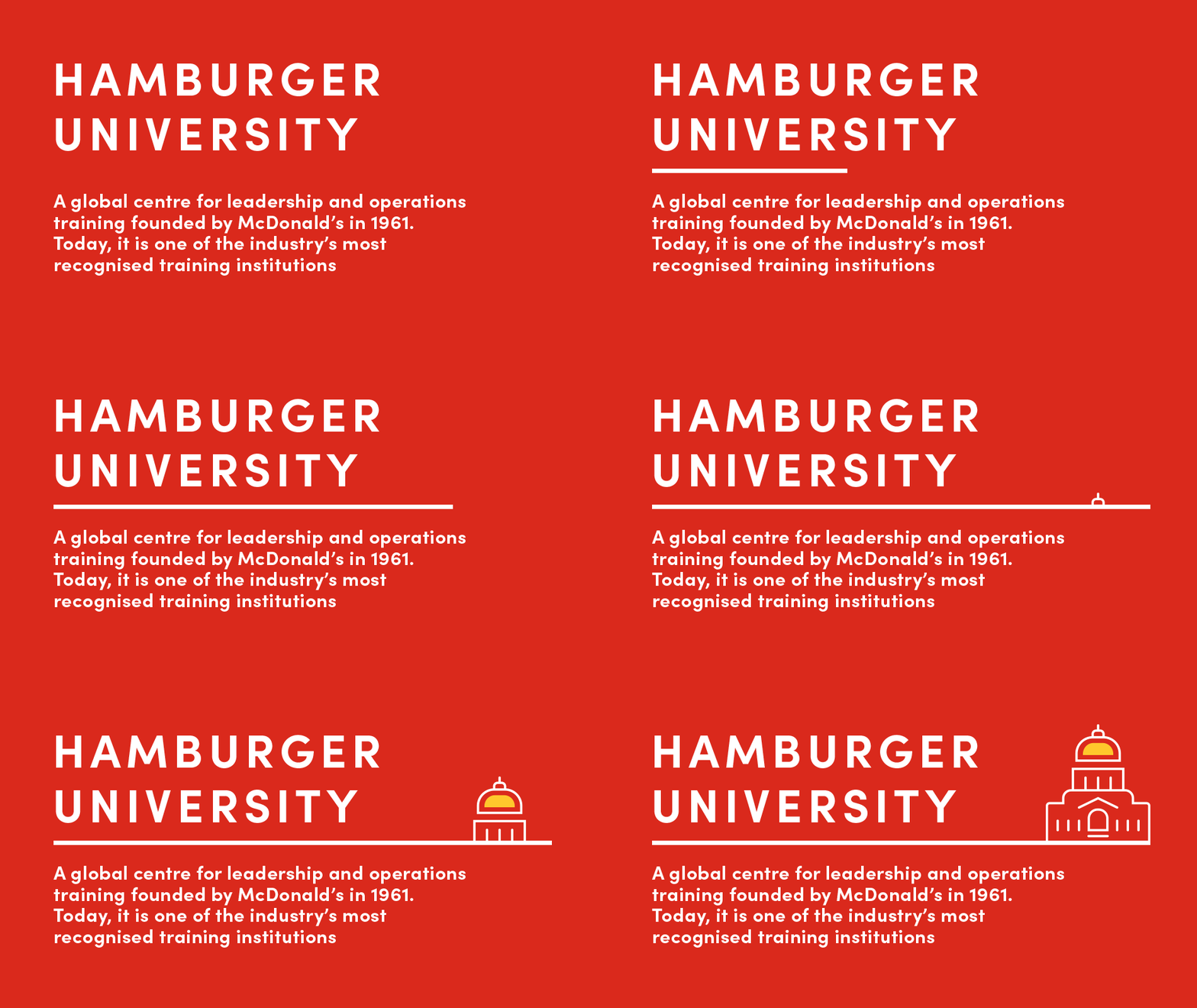
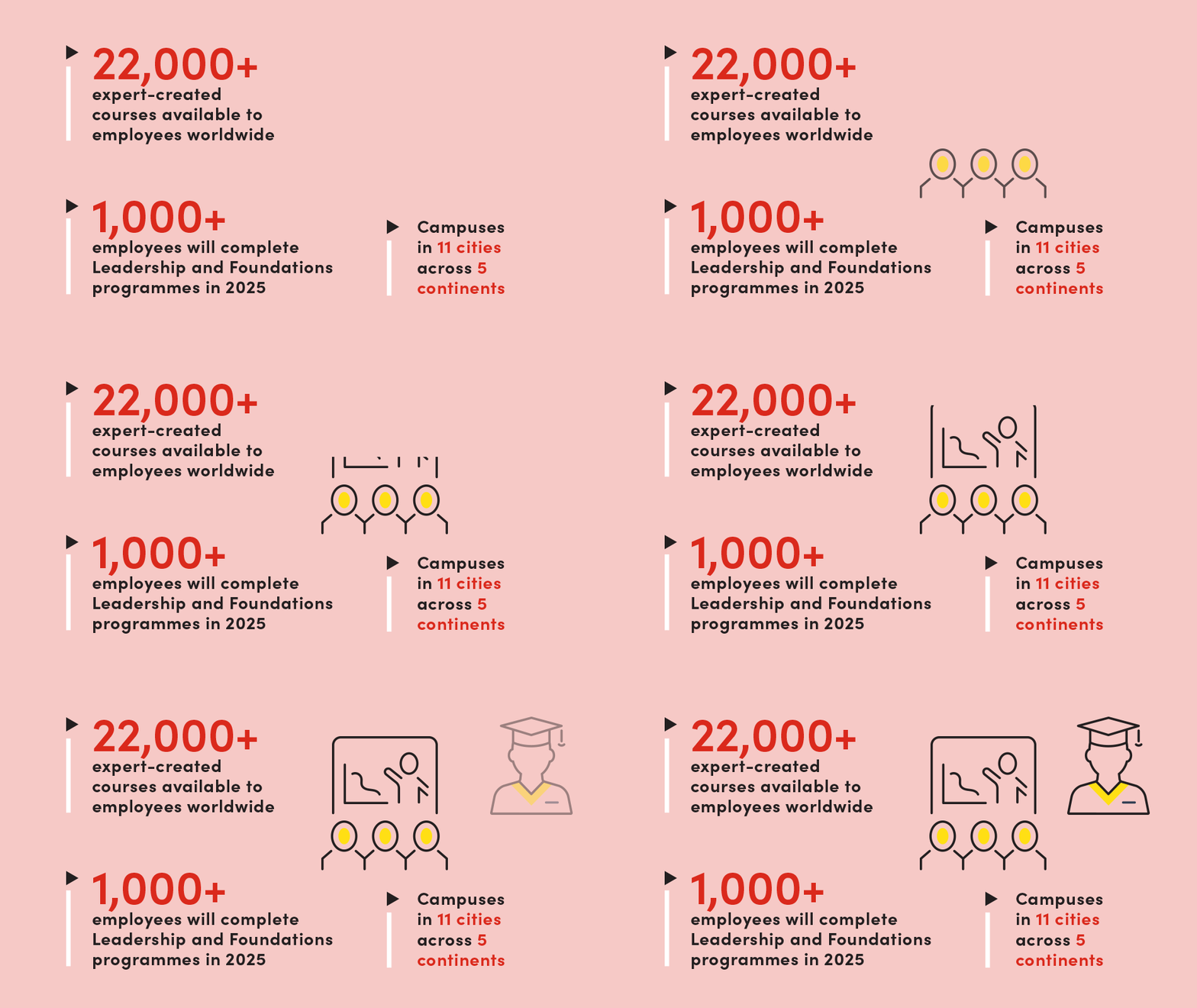
McDonald’s has long believed that people learn best when training starts early. Crew members are taught the right methods from the beginning. This includes learning standard operating procedures for food safety and preparation, practising hospitality and service routines, understanding cleanliness and hygiene protocols, and being coached on teamwork and communication. These skills are built through a structured mix of hands-on practice, in-restaurant coaching and clear learning goals. Whether someone stays for a first job or grows into management, the training is designed to be practical and lasting.
How McDonald’s trains its people
- Blended learning such as digital modules, in-restaurant coaching and structured training tools
- Classroom sessions led by certified trainers, with case studies, restaurant immersion and assessments
- Fast-track pathways like the McTalent Development Programme
- Recognition platforms such as the All Star Competition

