









PRESENTED BY

MAKING A DIFFERENCE,
ONE RESTAURANT AT A TIME
Content share and bookmark
Every McDonald’s restaurant is a hub of opportunity – one that connects people, communities and economies.
Business is brisk at a McDonald’s restaurant in the Indonesian city of Bogor. Customers queue for their meals, while behind the counter, trays of burgers and fries pass through quick, practised hands. Amid the flurry stands Ms Hana Merlian, who coordinates with her teammates through sign language and hand signals.
Ms Hana, who was born deaf, is among the 120 employees with hearing impairments working across 313 McDonald’s restaurants in Indonesia, supported by an inclusive hiring initiative known as the “Special Crew”. For Ms Hana, a mother of two, the initiative has been transformative. “Working at McDonald’s helps me contribute to my family’s future,” she said. “It gives me a sense of purpose knowing that what I do helps build a better life for my family.”
Her journey echoes the experiences of thousands of younger workers, seniors, people with disabilities and underrepresented groups across Asia who rely on McDonald’s for stable, formal employment. For these employees, working at McDonald’s unlocks more than just a steady income: It brings dignity and independence, enabling them to support their families while opening clear pathways to skills development, progression and a lasting career.
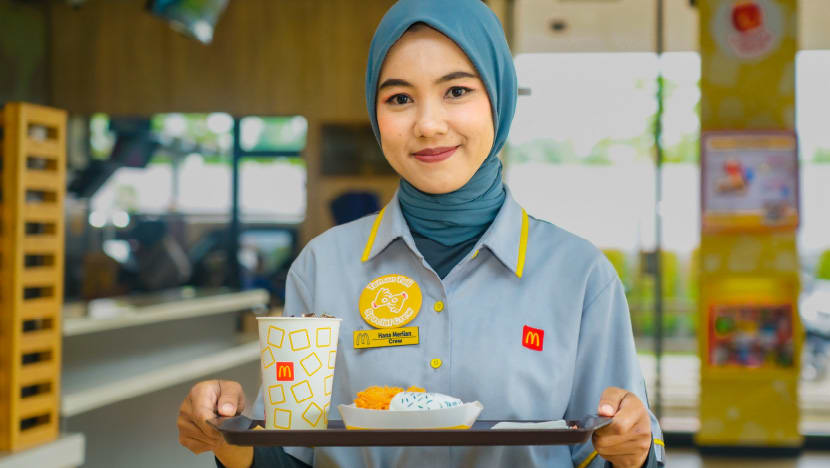
Since 1995, McDonald’s Indonesia has been recruiting people with disabilities from local communities where restaurants operate. To empower them, Special Crew members receive role-specific training and coaching, from general catering skills to barista training, with accessible tools and clear steps for career progression. “Inclusivity has always been part of who we are as Indonesians and, at McDonald’s Indonesia, that belief guides how we treat our people every day, enabling everyone to become their best self,” shared Ms Yulianti Hadena, director of human resources and general services at McDonald’s Indonesia.
DIVERSITY ACROSS BORDERS
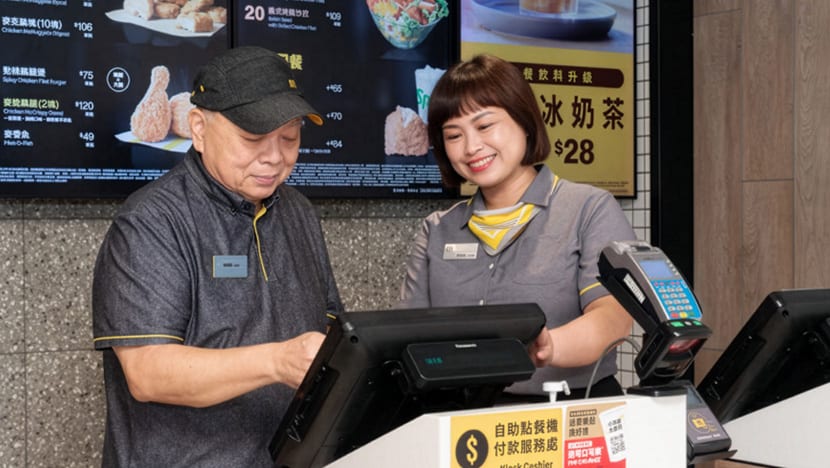
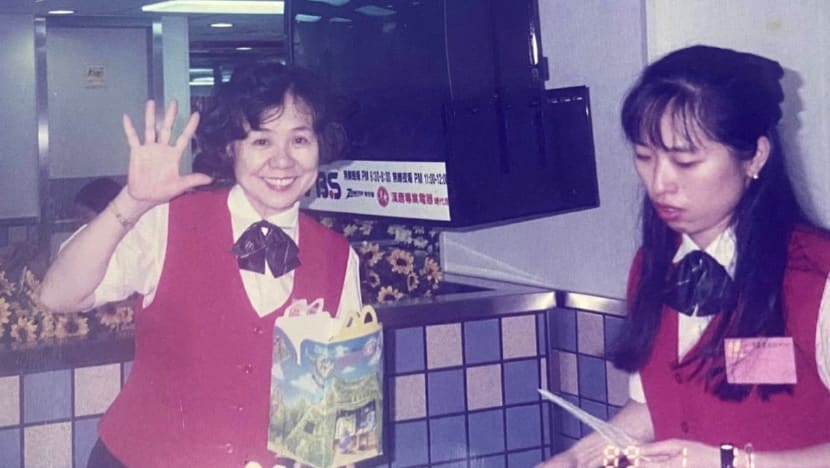
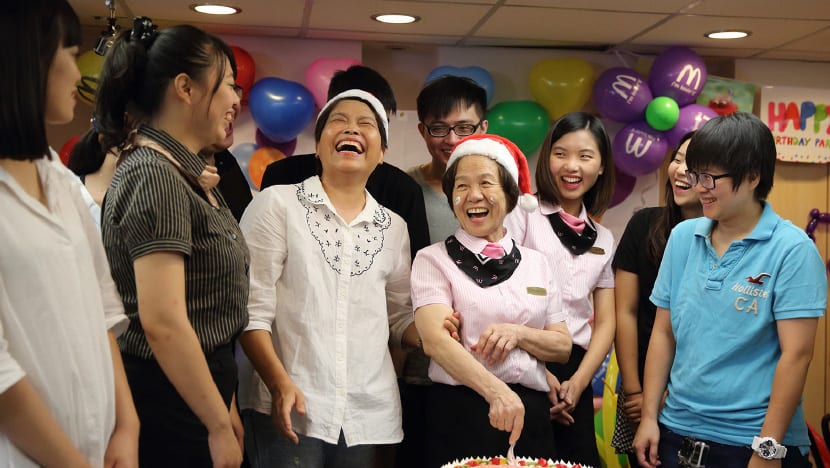
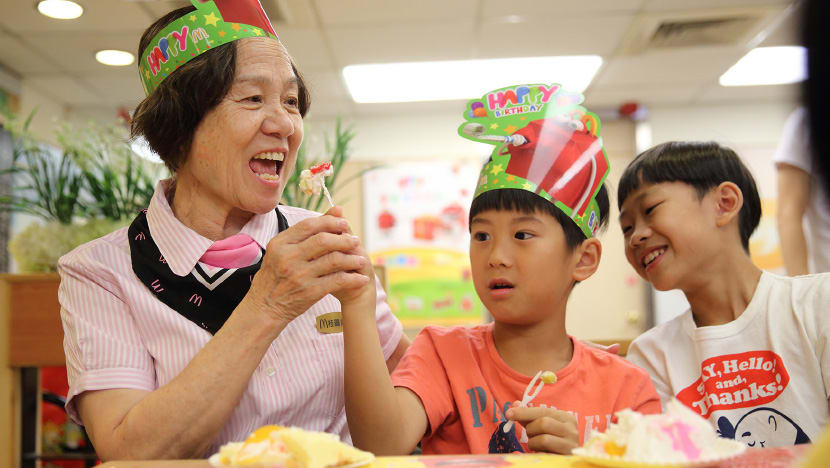
Similar stories abound in Taiwan, where McDonald’s also prides itself on inclusive hiring. Here, roughly one in every 80 people has worked at a McDonald’s, and a significant number are seniors, who make up nearly 10 per cent of the current team of 25,000. “We’ve seen how mature employees often bring professionalism, patience and reliability, which can boost customer satisfaction and repeat visits,” explained Mr Anthony Lien, vice president of the human capital group at McDonald’s Taiwan. “But the impact goes far beyond the counter. When seniors re-enter the workforce, it strengthens household income, improves social inclusion and enhances community resilience. To me, this is what true inclusion looks like – a workplace where people of different generations learn from and support each other, coming together as a unified team.”

That economic and community impact becomes even more visible as markets expand. In the Philippines for instance, Mr Kenneth Yang, president and CEO of McDonald’s licensee Golden Arches Development Corporation, noted how local ownership transformed the scale of opportunity. “Becoming a 100 per cent Filipino-owned licensee in 2005 was a turning point,” he said. “Since then, we’ve reinvested our profits to grow our footprint, from 243 stores in 2005 to 818 today. That growth has created over 70,000 jobs, with each new store generating around 100 employment opportunities.”
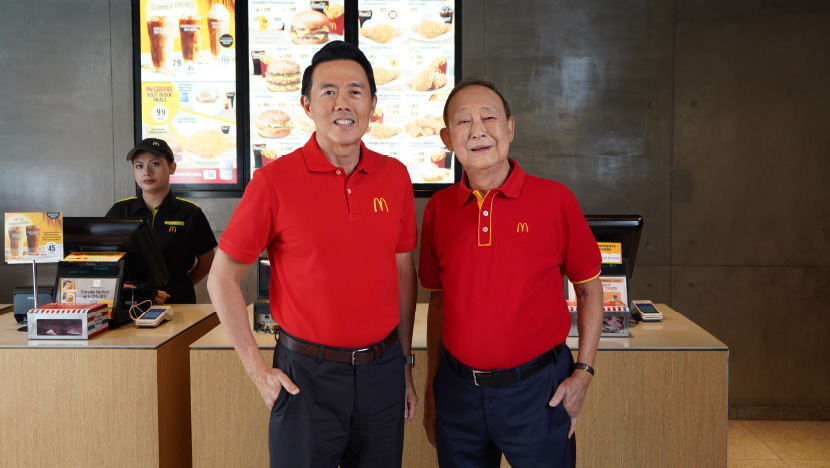
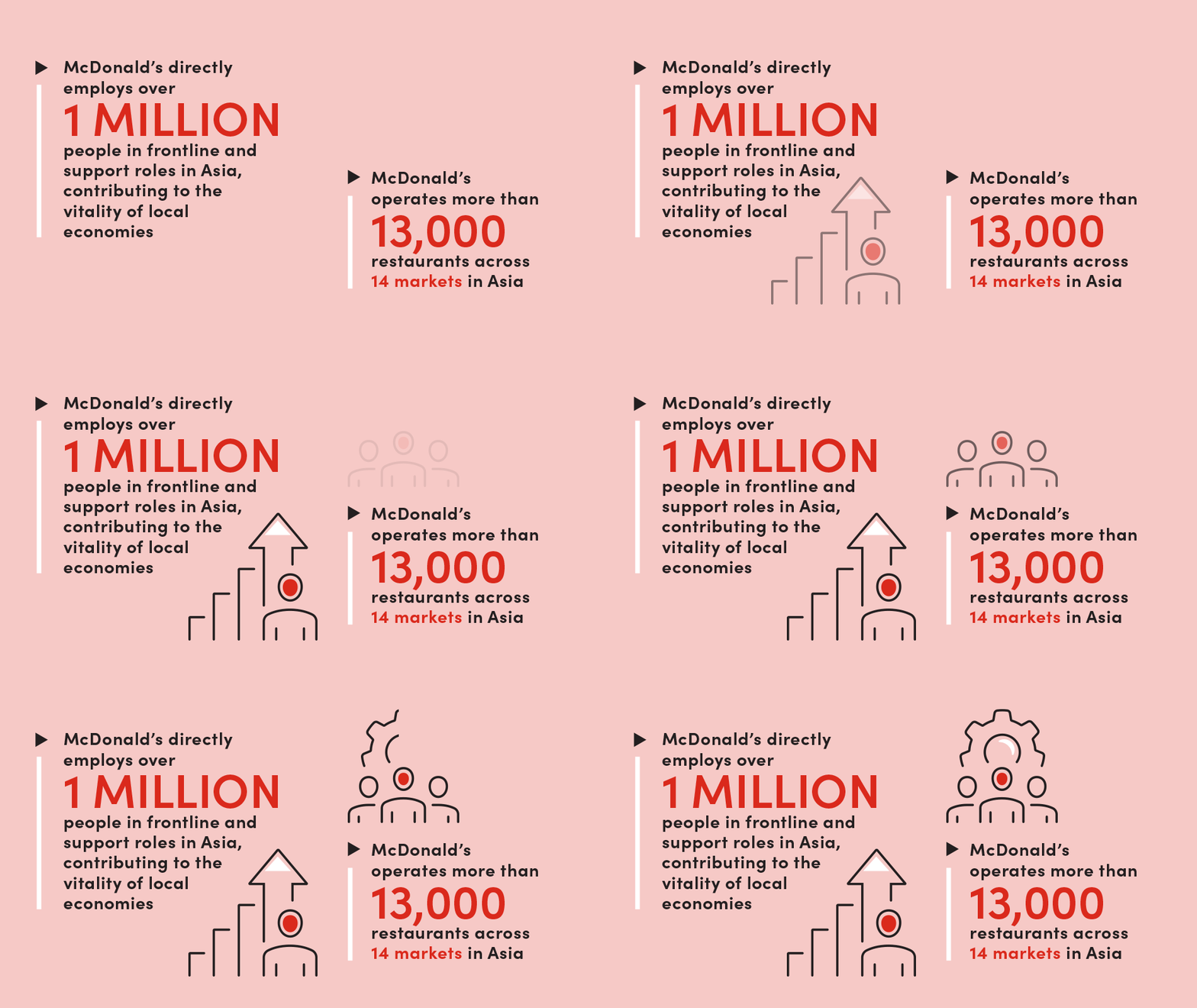
The wages earned by crew members also flow directly back into the neighbourhood economy, supporting small businesses and helping communities become self-sustaining over time. As Mr Stijn Heytens, head of McDonald’s Asia Business Unit, reflected: “It’s not just about our business – it is about contributing to the broader ecosystem of growth and opportunity across Asia. Each restaurant opening creates a positive economic ripple effect as our market teams drive local job creation, upskill talent, and forge supportive partnerships with local suppliers and farmers for the long term.”

HYPED ABOUT HYPERLOCAL
McDonald’s is a global company with footprints all across Asia, operating as a network of local businesses deeply embedded in the communities they serve. It adopts a hyperlocal approach, meaning that markets are led by local owners and teams who understand their communities, enabling them to stay close to customers and ensure decision-making is tailored to market needs.
Across Asia, this hyperlocal approach takes different forms. It may involve hiring locally, answering specific social needs through the recruitment of underrepresented groups and locally curated social programmes, and catering to local tastes and trends through menu innovation, value offers and partnerships.
In Malaysia, for example, McDonald’s restaurants are deeply rooted in the towns they serve, with crews and managers often drawn entirely from the surrounding community. “When we talk about being hyperlocal, it starts with the people in each restaurant – they know their customers, schools and local communities,” said Mr Azmir Jaafar, managing director and local operating partner of McDonald’s Malaysia. That connection drives initiatives such as Community Month, an annual event in October where every McDonald’s restaurant engages its neighbours through acts of service such as hosting birthday celebrations for children from orphanages and providing meals for the community.
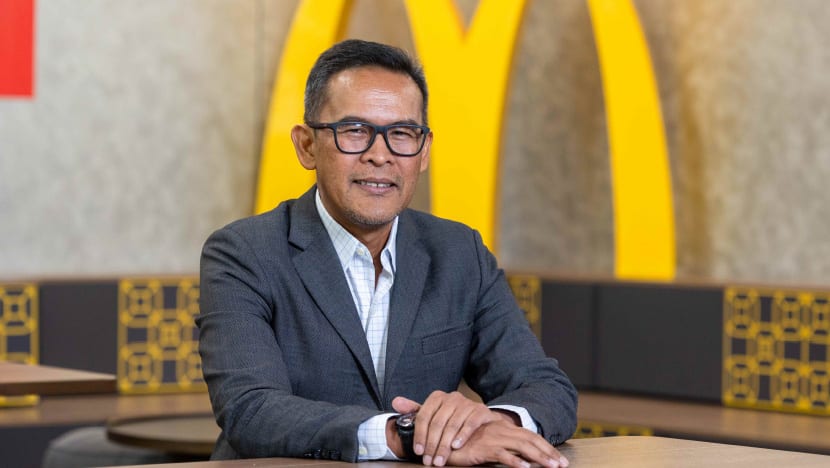
Mr Azmir’s commitment to uplifting the local community does not end there. Inspired by his own progression through the company ranks, his belief that working at McDonald’s opens career pathways led him to establish the McDonald’s Vocational Academy. This government-recognised apprenticeship programme has helped thousands of young Malaysians, many from rural or low-income backgrounds, earn fully sponsored vocational skills in food and beverage and hospitality while gaining meaningful work experience. For Mr Azmir, this cycle of nurturing talent from within offers “a fair chance” for people to grow – the same chance he was given all those years ago.
The 18-month programme combines classroom learning with hands-on training at McDonald’s restaurants and is fully sponsored, including meals and accommodation. The Academy was designed to help youths who may not have the means to pursue tertiary education, particularly those from rural areas. Participants graduate with a recognised certificate and can later advance to diploma level. That was the experience of Ms Afiqah Binti Muhammad Radi, 30, who enrolled in the Academy in 2018. She rose through the ranks over the years and is now a department manager. “Without this programme, I may not have had the structured exposure and guidance needed to build a long-term career in this industry,” she shared.
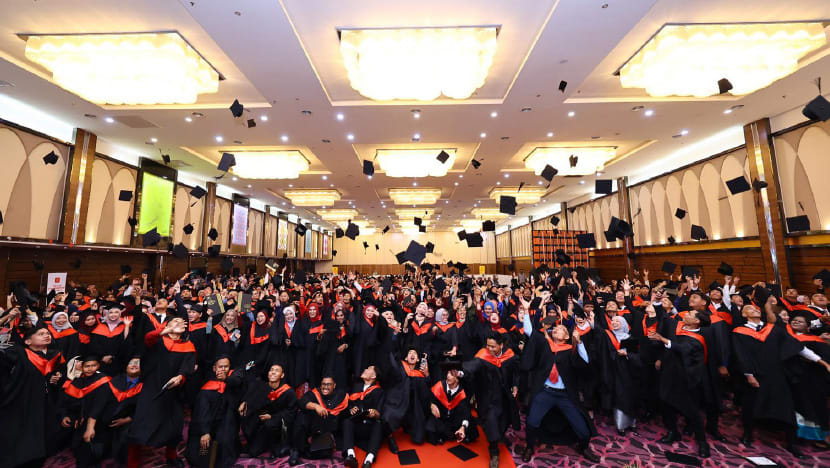
Importantly, more than 80 per cent of graduates choose to stay with McDonald’s after the programme, with many progressing to supervisory and managerial roles. As Mr Azmir explained, the programme reflects McDonald’s belief that training can change lives.
Similar efforts flourish elsewhere. The McDonald’s For Youth programme in India connects underprivileged youth with meaningful jobs while in the Philippines, McDonald’s works with the City Government of Manila to employ senior citizens and people with disabilities, offering flexible four-hour shifts designed around their needs. Together, these programmes reflect a broader belief that opportunity should meet local people where they are, and that businesses grow strongest when their people grow with them.
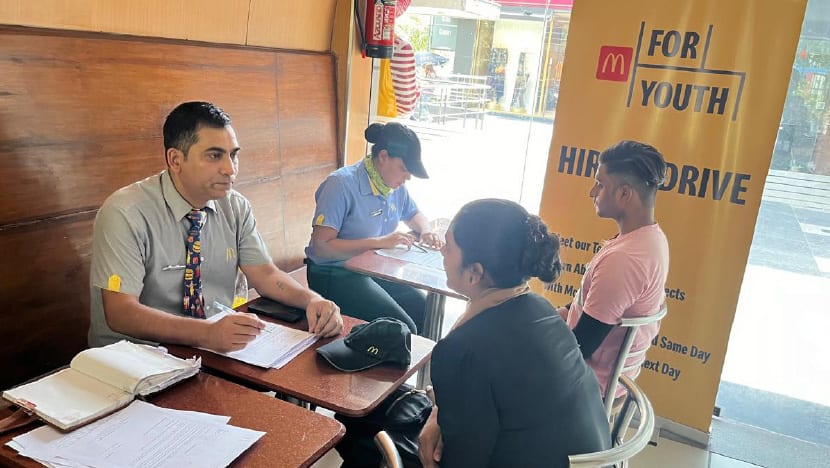
“When it comes to helping our people grow, McDonald’s has long been a place of possibility,” Mr Heytens added. “We take pride in helping young people build their early career paths whilst offering accessible opportunities to mid-life and senior workers. Many of our senior restaurant leaders in Asia began their journey behind the counter – and that’s something we’re truly proud of.”
FROM COMMUNITY TO TABLE
Providing affordable, quality food to customers remains a big focus for McDonald’s in Asia. Being hyperlocal does not stop at who serves the food – it extends to who grows it. McDonald’s works hand in hand with thousands of small- and mid-sized local farmers and suppliers in Asia to build supply chains that nourish both customers and broader communities. By sourcing close to home, McDonald’s fosters its own business resilience whilst strengthening local economies, creating a winning recipe that combines quality, affordability and local tastes in a way that best serves local communities.
In Indonesia, that commitment is visible in every meal served. Today, about 76 per cent of the ingredients used by McDonald’s Indonesia – from chicken and eggs to rice, chillies, lettuce, buns and cooking oil – come from domestic suppliers. Each partnership supports local producers and leaves positive impacts on the local community. In India, nearly all the food served is sourced locally, with ingredients like lettuce, buns and potatoes moving through a nationwide network of farmers and suppliers that span the country.
In South Korea, local sourcing powers the Taste of Korea series of limited-edition burgers built around regional produce. The series has featured items such as the Changnyeong Garlic Burger, Jindo Green Onion Cream Croquette Burger and, most recently, the Iksan Sweet Potato Mozzarella Burger. As managing director of McDonald’s Korea Ms Kiwon Kim explained, the concept grew from the way Korean consumers relate to food. “Korean consumers have high confidence in local ingredients and are very sensitive to trends,” she shared. “We wanted a campaign that reflected the market’s maturity and our focus on mutual growth with local communities.”
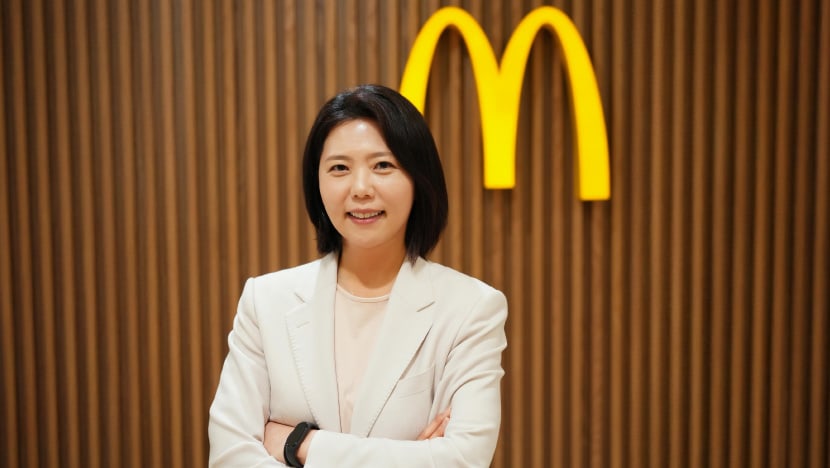
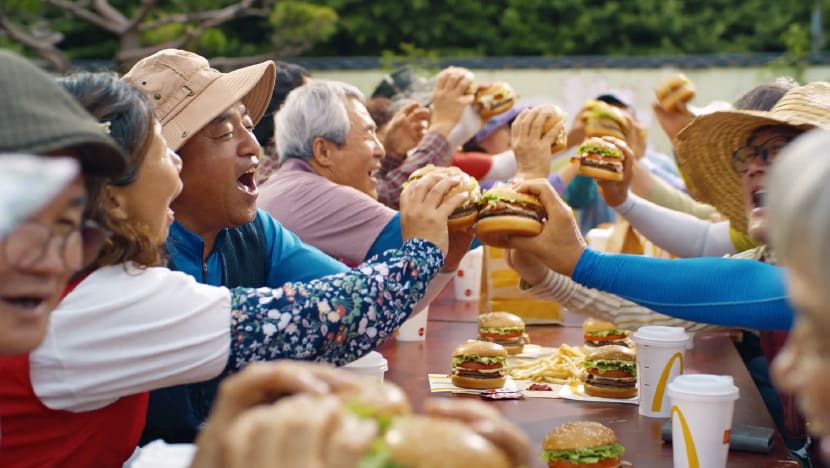
The project now provides farmers with a stable sales channel across the 398 McDonald’s restaurants in the country and helps raise the visibility of regional speciality crops. One study estimates that Taste of Korea generated 61.7 billion won (S$55 million) in combined social and economic contributions between 2021 and 2024. For producing regions, this exposure can be transformative. As Mr Han Yul Jeong, Mayor of Iksan City, said: “We are experiencing a significant increase in Iksan’s brand recognition as a key sweet potato-producing region. This collaboration marked a clear turning point, earning nationwide recognition and even leading to Iksan’s first-ever Sweet Potato Festival in September of this year.” Customer response has matched that momentum. Campaign content has gone viral online, with participating farmers even appearing in the ads themselves. “Customers love the freshness of local ingredients, and many connect with the idea of growing together with local farms,” added Ms Kim.
GROWING TOGETHER
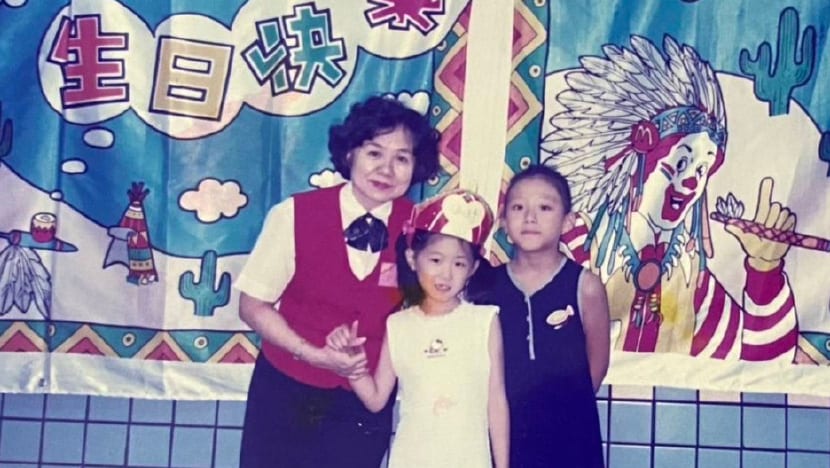
At its heart, McDonald’s ongoing positive impact is best seen in the lives of people like Ms Hana in Bogor, Granny Longan in Taiwan and Ms Afiqah in Malaysia. Their stories are reminders that a restaurant job can mean much more than a pay cheque – it can be a meaningful path towards stability, confidence and community. Every new McDonald’s outlet becomes part of that story. It brings steady work to local hands, business to farmers and suppliers, and provides a true community hub. Over time, those ripples of opportunity and neighbourhood bonds form the fabric of a stronger, more connected community.


As McDonald’s continues to grow across Asia, its success remains inextricably linked to the people who power it – the customers, crew, farmers and families who turn each restaurant into something bigger than a place to share a meal. They are the measure of its growth and the reason the business continues to strengthen alongside the communities it is built from.

