Teen missing, brother deported: Families face high cost of young Indians taking ‘donkey route’
As immigration enforcement hardens in the US, CNA’s Undercover Asia meets Indian migrants who survived jungles and mafia on the Dunki route only to face perhaps a harsher reality: detention, debt and deep uncertainty.
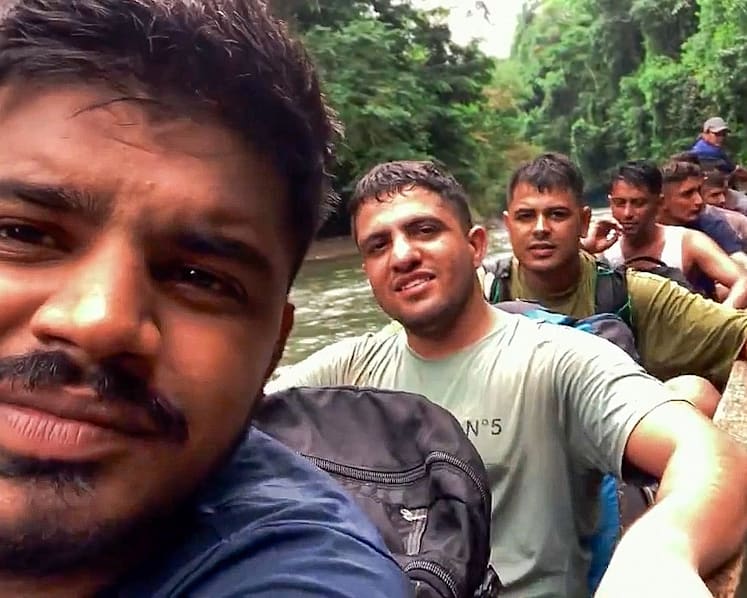
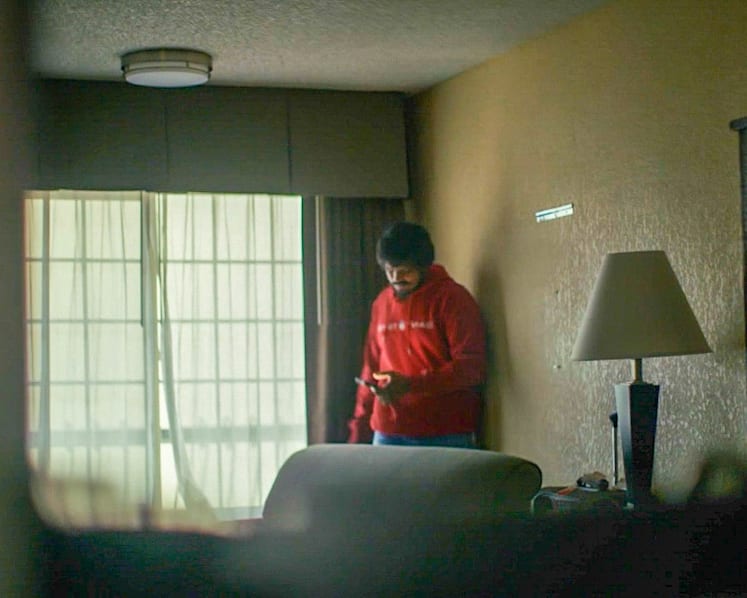
Mohit Kaatiya (left) vlogging about his attempt to reach the United States via Latin America.

This audio is generated by an AI tool.


SAN DIEGO and CHANDIGARH, India: Mohit Kaatiya was pacing around his rented flat, with the curtains drawn. He had survived jungles, cartels and being on the run for months, but it was in the United States where he felt most uncertain.
“I don’t know how many years I’ll have to live here alone,” said the 22-year-old. “What will I have to do? What will happen next?”
He had left India believing the US would change his life. That hope carried him across borders at night, through terrain marked by corpses and out of the grasp of armed kidnappers.
After each close call, he held on to the idea that reaching the US would make it all worthwhile.





Thousands of young Indian men like him have followed the “Dunki” (Punjabi for “hop from place to place”) route, an illicit migrant passage from South Asia to the US or Europe. They move without visas, with little protection and often with no way back.
These journeys run on a shadow network of forged documents, corrupt officials and smuggling crews. Agents sell the route when legal visas seem out of reach, while families mortgage or sell farmland to pay the cost.
“I didn’t even try the legal route,” said Kaatiya. “People of my age … have hardly any chance of a visa, no matter how strong our travel history is.”
But what awaits them is rarely the future they imagined. For some of them, the journey ends in exploitation and fear. As for those who reach the US, the pressures are intensifying.
Indian nationals are among the largest groups of undocumented migrants in the US, and enforcement has hardened. About 3,360 Indians have been deported between this January and November, compared to 617 in all of 2023.
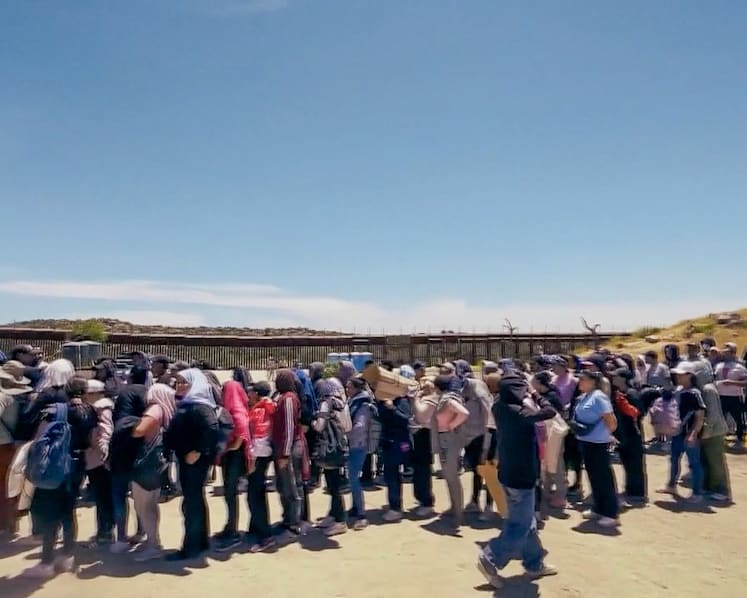
CNA’s Undercover Asia examines what drives young men to attempt this journey, what they endure along the way and why reaching their destination may no longer be the finish line but the beginning of a harder chapter.
HOW THE JOURNEY BEGINS
Kaatiya’s journey did not begin in a forest or at an airport but in his home state of Haryana, where reel after reel on social media made life in the US look effortless.
“They were living a good life abroad. They’d buy cars like a Mustang GT and post on Instagram.” he said. “I thought if I could go to the US, I’d be able to achieve everything I’d ever dreamt of.”
Across India’s rural north, this aspiration has taken root among young men frustrated by low wages and limited prospects.
WATCH: Inside the illegal Dunki route migrants take from India to the US (46:35)
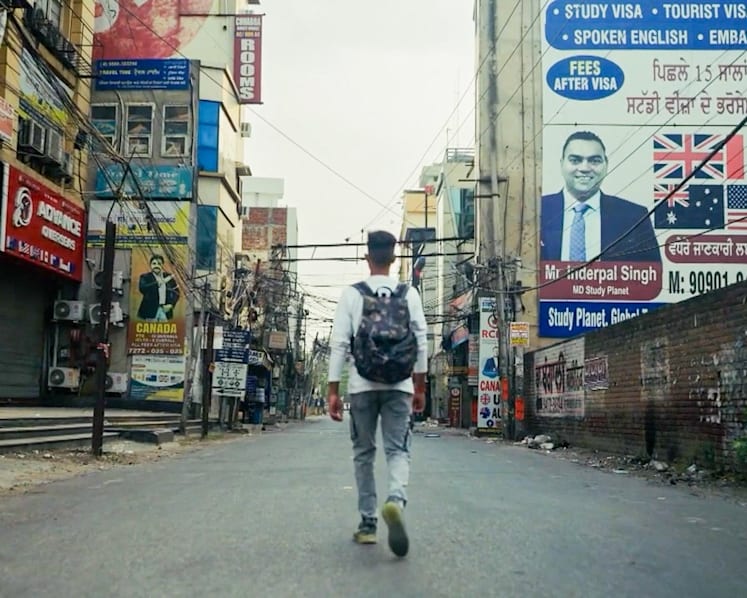
Already, government data showed that 984,000 people left the state of Punjab and Chandigarh, the capital it shares with Haryana, between 2016 and February 2021.
An entire migration economy has grown to meet this demand: visa agents, test prep centres and advertisements promising quick approvals. “The illegal work starts from here, under the guise of coaching centres,” said Dunki agent “Mandeep”.
The referral pathway, or “line of commission”, often begins in the villages, he added. “Mention your plan to go abroad, and your neighbour says, ‘My nephew went through this agent, let me take you to him.’”
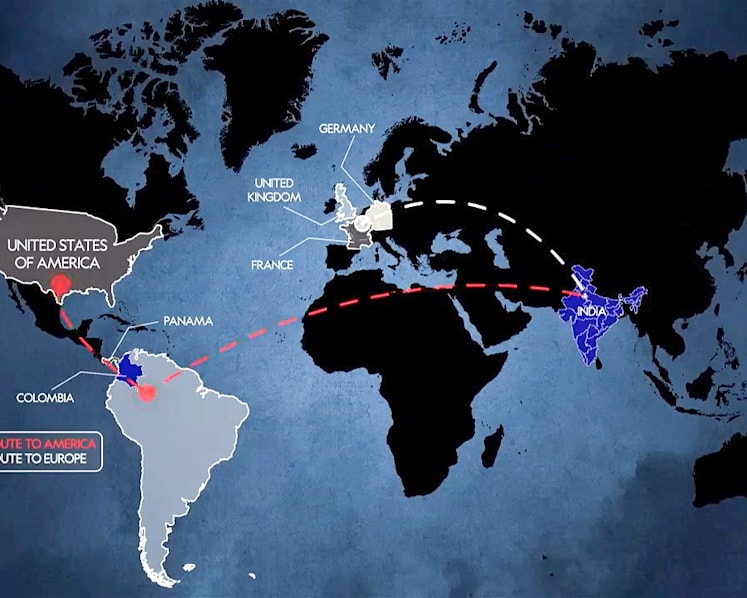
The route to the US by air costs US$70,000 to US$94,000; the forest route costs about US$35,000, he listed. “The difference is in the amenities.”
Migrants who pay more can fly with forged visas and have safer stopovers. Those who pay less must rely on ground-level smugglers in Latin America known as “Donkers”, risking increased exposure to extortion and other dangers.
Kaatiya chose the cheaper option, at a cost of about US$38,000. He mortgaged his father’s farmland and doubled the debt when his younger brother insisted on joining him.
At Delhi Airport, he was told which immigration queue to join because “only one immigration officer out of 10 was working with the agent”, he recalled. And so he got through immigration checks.
For those who can afford it, the deception becomes more elaborate. Another agent, “Veer”, said he sends clients to Dubai on their own passport and then flies them to Europe with a substitute one.
“We see which passport the (client’s) photo matches. … It shouldn’t be too different,” he said.
“(Our immigration contact in Europe) knows beforehand that this person is coming (and will) pull him from the queue. Once he gets out of the airport, our work is done.”
KIDNAPPED BY LOCAL MAFIA
For Kaatiya, the transit point was Ethiopia, chosen for its easy e-visa access, before he landed in South America. As his group moved through checkpoints, one bribe at a time, some stretches in between were brutal.
“They stuffed us in a van for 17 to 18 hours, during which they didn’t even let us use the toilet even though I badly wanted to pee,” he recounted. “We didn’t have water or much to eat.”
The most feared section of their route was the Darien Gap, the 100km-long swathe of mountains, swamps and rivers between Colombia and Panama, overseen by paramilitary and other armed groups.
“It is said that even the leaves bite in Panama. If you touch some poisonous vines, you can die. Then there are snakes, wild animals,” said Mandeep. “Children faint. You can start hallucinating.”
Kaatiya saw casualties with his own eyes. “Some corpses were buried in mud, and some were lying in the open. There was a strong stench,” he described. But nature was just half the threat on his route.
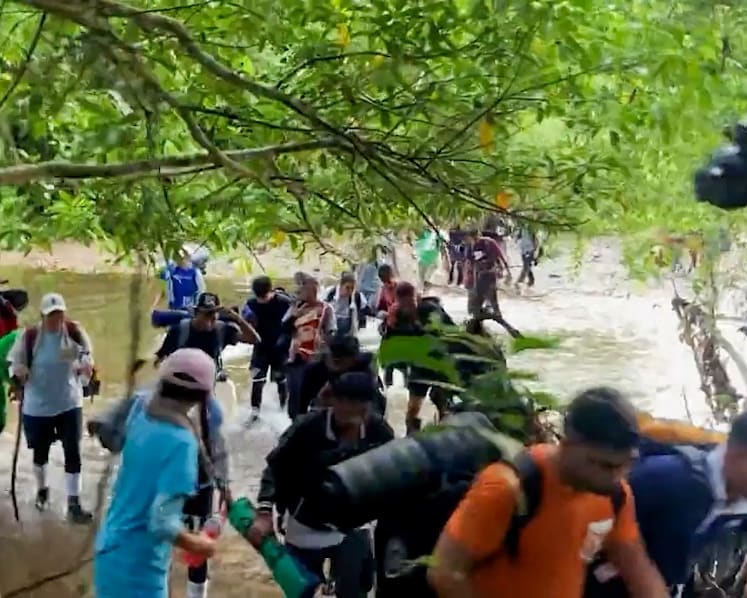
Deep inside Panama, what he thought was a safety checkpoint turned out to be a government-run camp. Flagged for deportation, he and his brother escaped on the second day and got into a car they had spotted.
“I thought it was ours. But after sitting in the car, we got to know that it was somebody else’s. He was a mafia (member), and he wasn’t our Donker’s man,” Kaatiya recounted. Then the brothers were kidnapped.
“If you encounter the mafia, the agent or the Donker can’t do anything,” said Mandeep. “They take away (your) mobile phones. If they like your clothes, they strip (you). … Sometimes there are women too. They get raped.”
In the case of the Kaatiya brothers, they were confined in a cramped room, with no food and guarded by armed men. “If anyone spoke, they slapped and kicked him,” recounted the elder sibling.
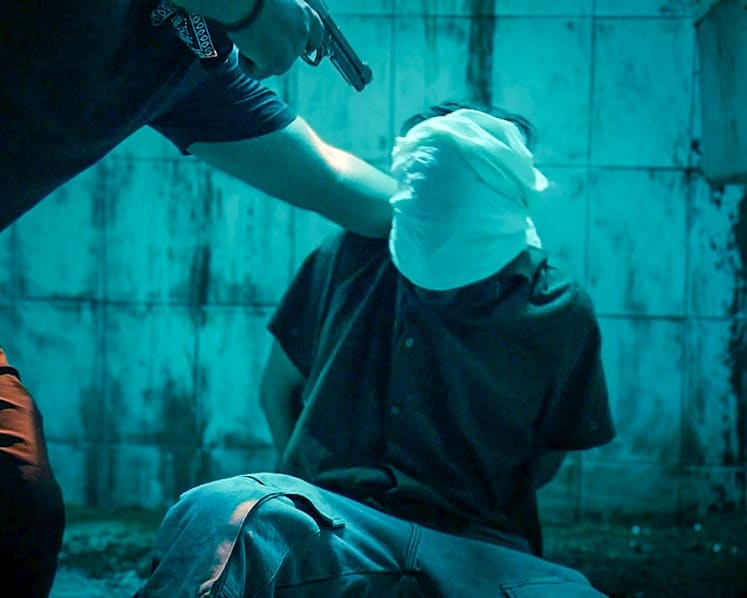
The ransom was set at US$1,500 per person. The brothers’ family paid via agents using forex and cryptocurrency wallets, a payment method that leaves no trail.
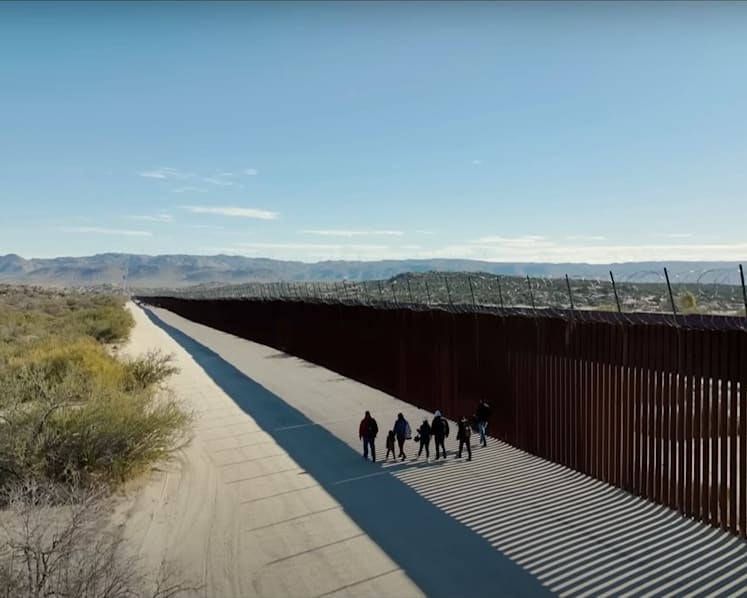
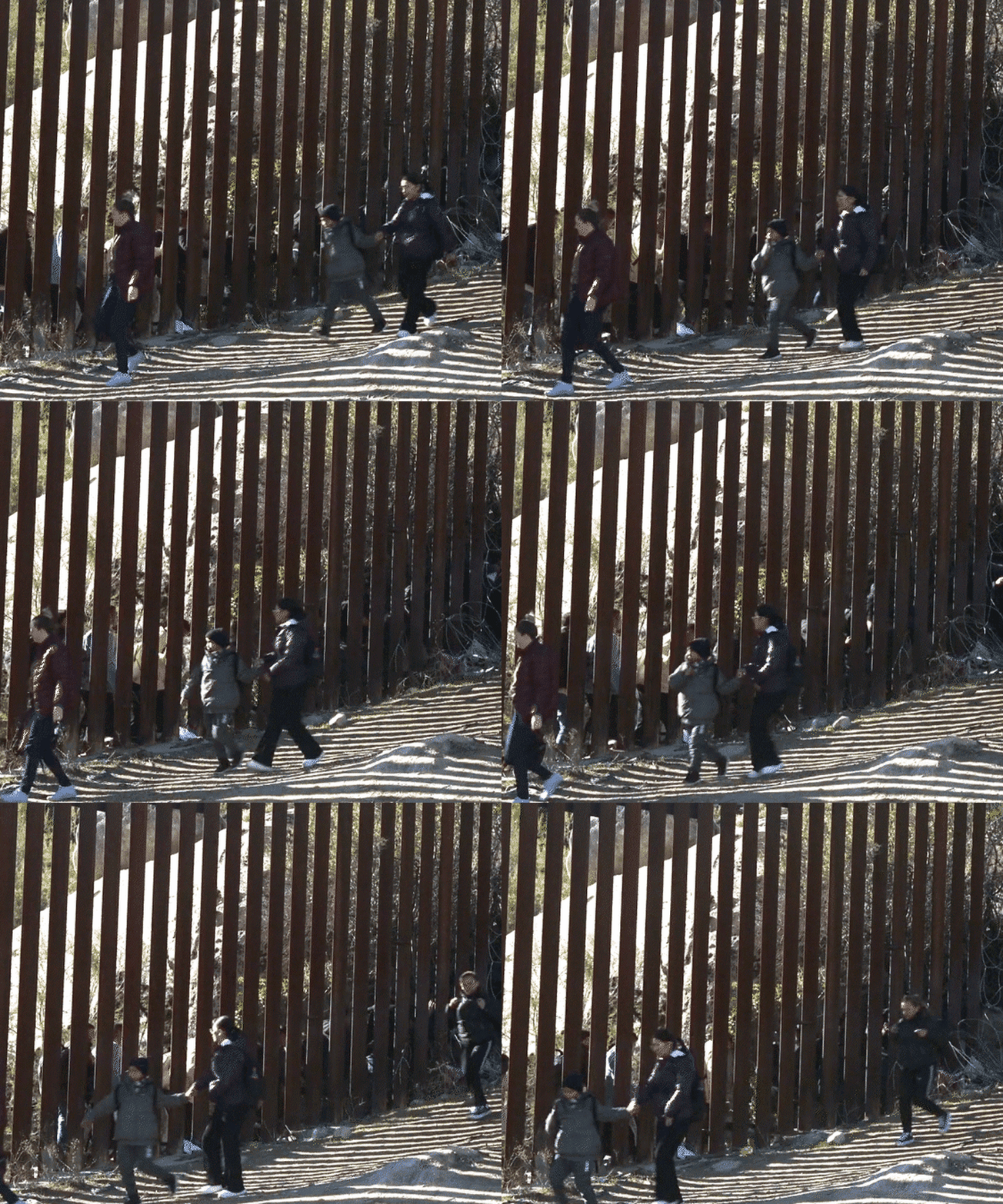
After the brothers were released, they pushed on through Central America. And close to six months after setting off on their 13-country journey, they reached the US border, not far from San Diego, believing the worst was over.
NO RELIEF ACROSS THE BORDER
The day was Nov 6, 2024. And it did not take long for Kaatiya’s happiness to evaporate as he faced the harsh light of reality.
“Maybe it was fate, but the day we crossed the border we heard (Donald) Trump had won the presidential election. Our worst fear had come true,” he said.
In the first 100 days of Trump’s second term, arrests and deportations surged. Kaatiya, who lost contact with his agent, went into hiding in California. Four months into his new life abroad, he remained undocumented, caught between fear and survival.
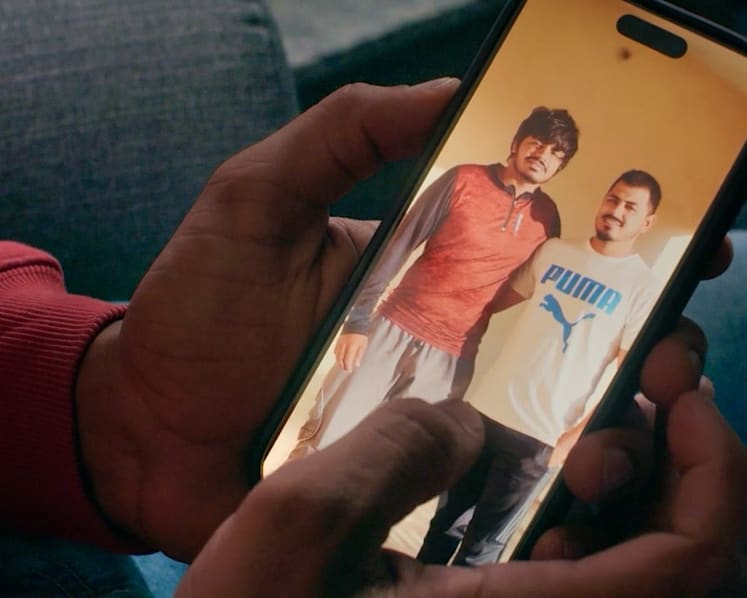
“If someone plans to come to the US through the Dunki route, I’d suggest not even thinking about it,” he said.
His brother, who was detained in Texas, video-called him after a deportation date was fixed. “I’ve cried many times,” said the younger sibling, lamenting his “wasted” journey and the US$45,000 he spent, which included his legal fees in the US.
Across the country, there were 680,000 undocumented Indian immigrants as at 2023, according to the Pew Research Centre’s latest estimates.
That was the year illegal Indian arrivals peaked at almost 97,000, US Customs and Border Protection data showed. In its latest fiscal year (ending in September), it encountered just over 34,000 Indians arriving illegally.
“Things are very different at the border today,” said Ronald Vitiello, senior adviser to the agency. “Now the endgame is a return to India or wherever the person may be from.”
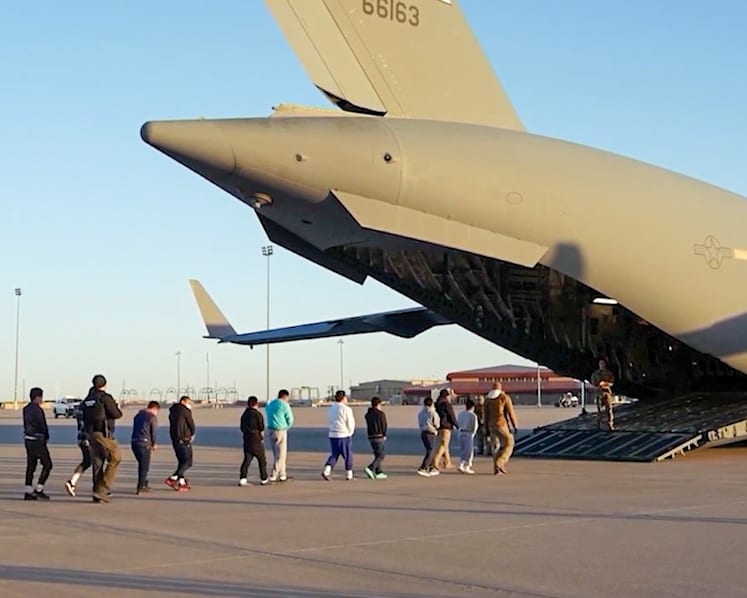
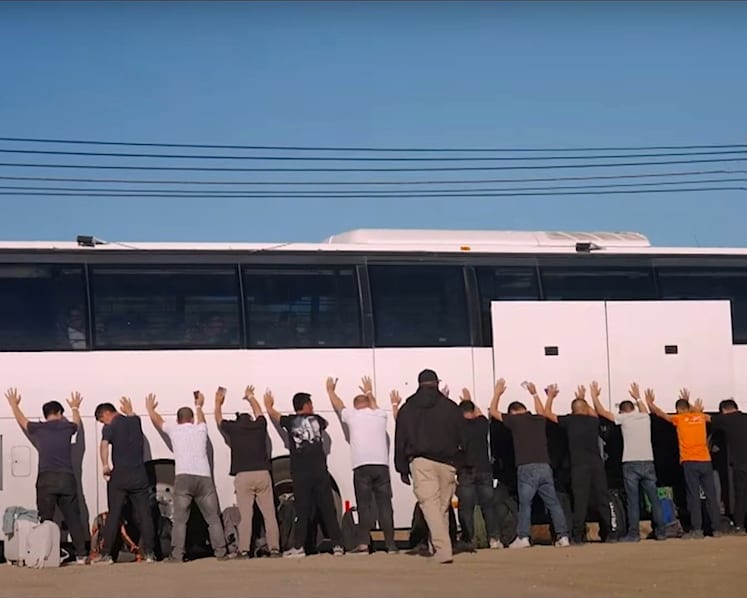
Inderjeet Singh from Punjab was one of those detained in San Diego by the US Border Patrol. “They made us strip and allowed us to keep only one (layer) of clothing,” the 21-year-old recalled.
Within 72 hours, he found himself shivering in a US Immigration and Customs Enforcement facility. “They banged the gates to keep us awake. The air-conditioning was freezing, and then they’d (run) the heater (at full blast),” he said.
They ignored people suffering from fever. So we just lay there, helpless.”
The endgame for him played out with an officer appearing with a list. “(He) shouted, “All of India!” He told us we were being released and asked us to clap,” recounted Singh.
Then he was handcuffed and taken to a plane, shackled to 103 other detainees being deported. “The plane took off. ‘India in five hours,’ they announced (later). All the boys started crying,” he said.
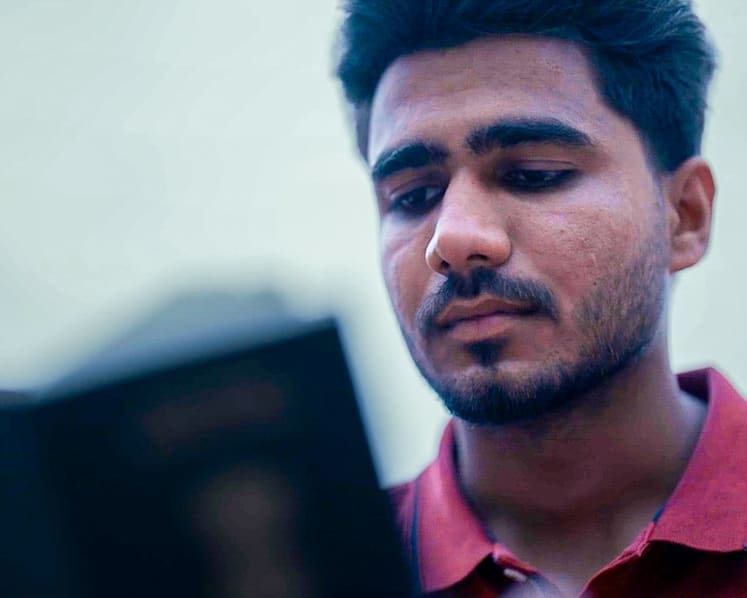
Barely two weeks after reaching the US, Inderjeet ended up back home, doing farm work once more. But his American obsession grips him, even after four attempts in two years, mounting debts and a five-year travel ban.
“If, after five years, the option of asylum (is) open, and God wills it, I’ll try again,” he said. “The US is my dream, and I must fulfil it.”
“A MOTHER JUST WANTS HER SON BACK”
Not every Dunki journey ends in arrival or deportation. Some end in silence, the kind that haunts families long after agents vanish and trails go cold. In the town of Bholath in Punjab, Bobby Singh, 45, is living this nightmare.
His son, Sagar, was duped into taking the Dunki route — which is also known as the donkey route — when agents promised a flight to France via Russia. After the 19-year-old reached Russia, his family was unable to contact him.
Sagar had wished to go abroad since age 14 or 15. “Because of the monetary situation at home, he used to say that he’d work hard, that he’d take care of his sisters and our home,” said his mother, Madhubala.
The agents reassured her that there would be no danger. “They said that … they’d sent many children abroad, that they’d send Sagar too, that he’ll reach safely,” the 41-year-old recounted.
“We don’t know where they took him. We don’t know who they sold him to or … got him killed.”
Other boys told the family he had died. But without proof, she refuses to accept it. His agents are facing criminal charges, yet the investigation has made little progress.
“If I’d got any information about Sagar, … I’d have forgiven them. My mind is in total turmoil,” said his father, who has been pressing for answers for months.
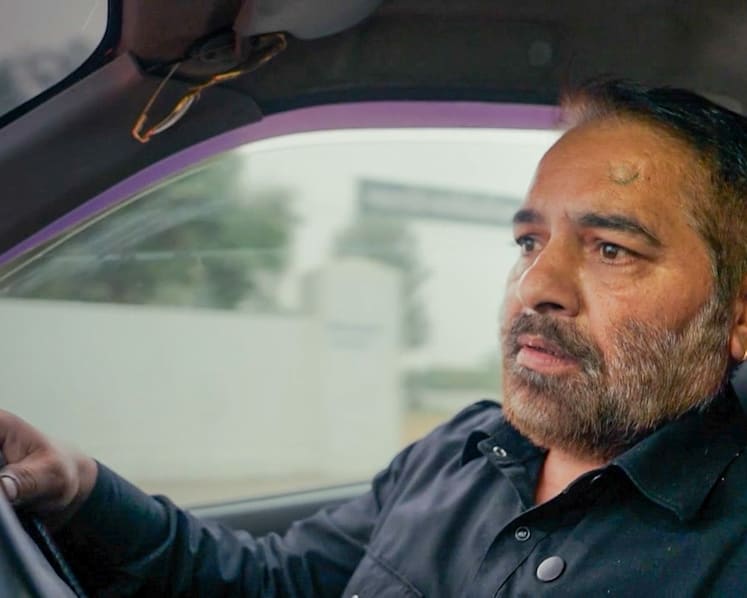
In a court hearing in Chandigarh, nearly 200km from the family’s village, their lawyer objected to the agents’ bail application and requested that the court ask the agents where the teenager was.
“I have faith that we’ll hear about Sagar, but those responsible must be punished. What’s happened to us should happen to no one else,” Bobby Singh said later, with a decision pending.
We’ll bang on the court’s doors until we have answers.”
Cases like this and risks such as kidnapping and detention have not stopped others from attempting the same journey. Though fewer now, thousands of young Indian men remain convinced that the West offers opportunities they cannot find at home.
Their families can only wait for word that they are safe wherever they are on the Dunki route. For Sagar’s parents, the wait has been excruciating. “A mother just wants her son back,” Madhubala said before she broke down.
Watch this episode of Undercover Asia here.