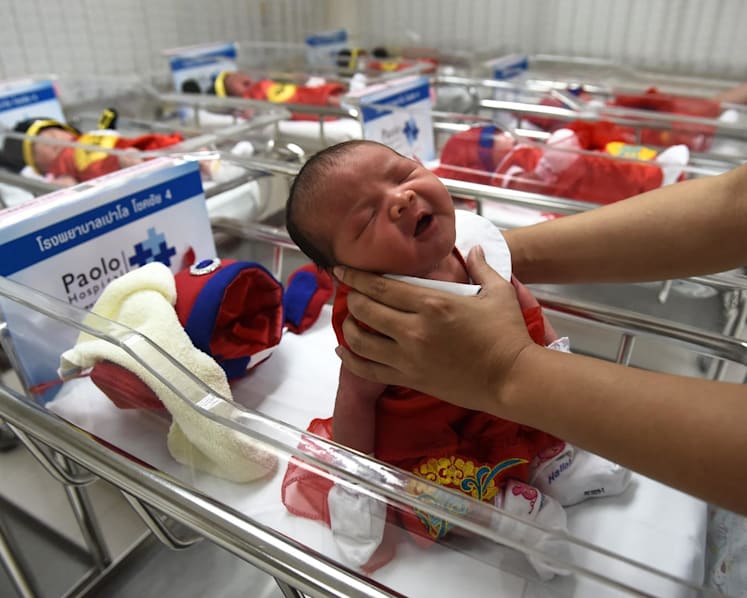
Why more young people in Thailand and Vietnam are turning away from marriage
Half of Bangkok’s residents are single. In Vietnam, the age of marriage has gone up in recent years. Financial and other issues are making love and family a tougher proposition for the younger generation, finds the programme Insight.
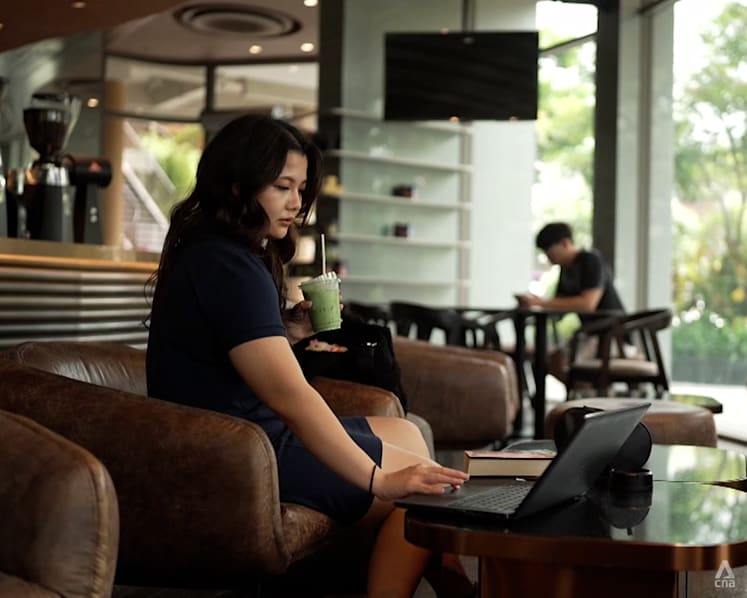
Marriage is becoming more of a perceived burden than a priority for many young adults in Thailand and Vietnam, experts say.

This audio is generated by an AI tool.




BANGKOK and HANOI: If Pacharaporn Saengpradub were to get married, it would not be for romance or family but the one-time thrill of slipping into a wedding dress. Even that, she says, may not be reason enough.
But marriage is still “a big deal” for the 26-year-old marketing coordinator — maybe too big. “Once you get married, you’re more committed,” she says. “You’ll lose your independence, maybe not completely but some for sure, especially if you have kids.
“If I don’t meet the right one, I’m okay with not ever getting married.”
Her reluctance to tie the knot is hardly unique. A quarter of Thais remain single; among those aged 25 to 34, the proportion rises to three in 10. In Bangkok, where Pacharaporn lives, half the population is unwed.





Across the region, similar shifts are unfolding.
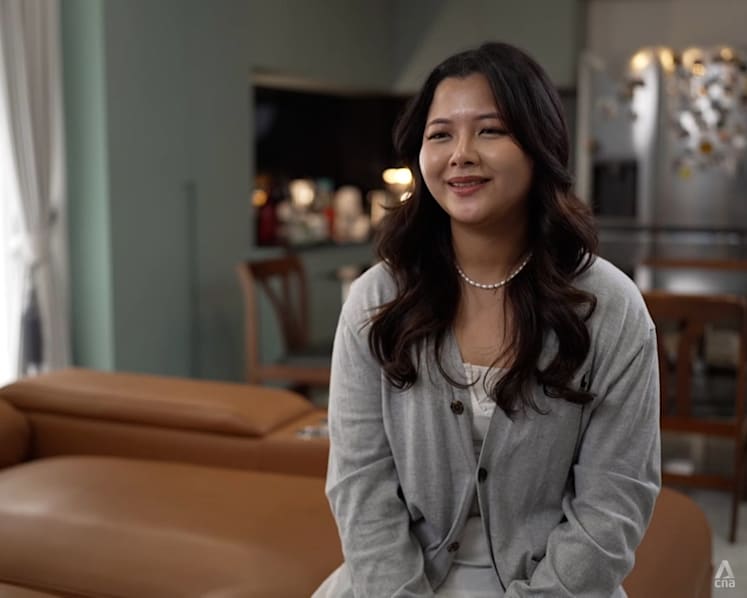
Vietnam, traditionally one of Southeast Asia’s most marriage-oriented societies, has seen attitudes change in recent years. The average age at first marriage rose from 25.2 in 2019 to 27.3 now; in Ho Chi Minh City, it is 30.4.
Elsewhere in Asia, marriage registrations have plunged. China recorded a 54.7 per cent decline last year, compared to 2013. Japan, the Philippines and South Korea are following the same downward trend.
Increasingly, young adults are no longer treating marriage as a milestone; many are hesitating or stepping away from it altogether. This has drawn disapproval in some quarters.
“In some respects, I personally see them as a bit selfish. They only live to satisfy their own needs,” says Tran Thanh Nam, vice-rector of the University of Education under the Vietnam National University.
“They lack responsibility and the perspective that they’re citizens of the country and must have a duty to contribute.”
WATCH: Falling marriage rates in Asia — Why youth in Thailand, Vietnam are turning away (45:04)
Are they indeed acting out of selfishness or simply navigating the world they have inherited? The programme, Insight, looks at why marriage is losing its shine among young people across Asia, with a focus on Thailand and Vietnam.
MARRIAGE VALUED, BUT NOT ESSENTIAL
In much of Asia, marriage and children once formed a single, unquestioned trajectory. A child was viewed as an asset, and life unfolded in a familiar sequence: study, marriage, parenthood.
But that script is losing influence. Today’s younger generation approach marriage with more independence, says Bunyarit Sukrat, the director of Thailand’s Reproductive Health Bureau.
With greater access to education and career opportunities, and more open conversations about gender roles and family structures, they see a wider set of possibilities for shaping self-sufficient lives, with fewer obligations.

Market research firm Milieu found in a recent survey that marriage and children remain valued in Southeast Asia but are no longer seen as essential for a fulfilling life — a view held most strongly by Gen Z.
Having grown up in a “gloomy” era marked by economic uncertainty, a pandemic, climate anxiety and geopolitical tensions, Gen Z is “born with pessimism” and more inclined to chart their own course in life, says psychologist Pongrapee Buranasompob.
Their lives are also deeply digital. Spending hours online each day leaves them overwhelmed by information, creating what Pongrapee describes as an inert outlook and a tendency to “delay everything”.
For many people, financial security also outranks marriage. “Some of my friends have boyfriends but no plans to get married. We’ve talked about it, and they’ve said it’s unlikely,” Pacharaporn says. “Making money is the most important thing for them.”
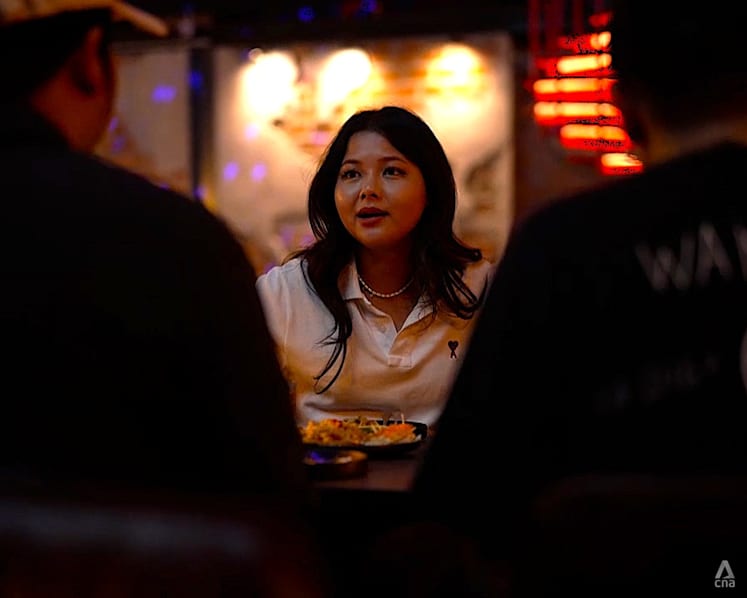
She herself aims to build her professional network, start a business and secure financial stability before considering marriage, if at all.
“Marriage isn’t the most important milestone for me. What matters most is myself and my happiness,” she says. “As long as I have financial stability, then I’m good.”
THE COST OF FAMILY
With young adults focused on financial stability, their hesitation to marry is not simply a matter of materialism. For many of them, marriage and children present significant financial liabilities.
While a recent United Nations Population Fund (UNFPA) survey across 14 countries in five continents showed that more than 60 per cent of respondents wanted to have at least two children, they are somewhat trapped.
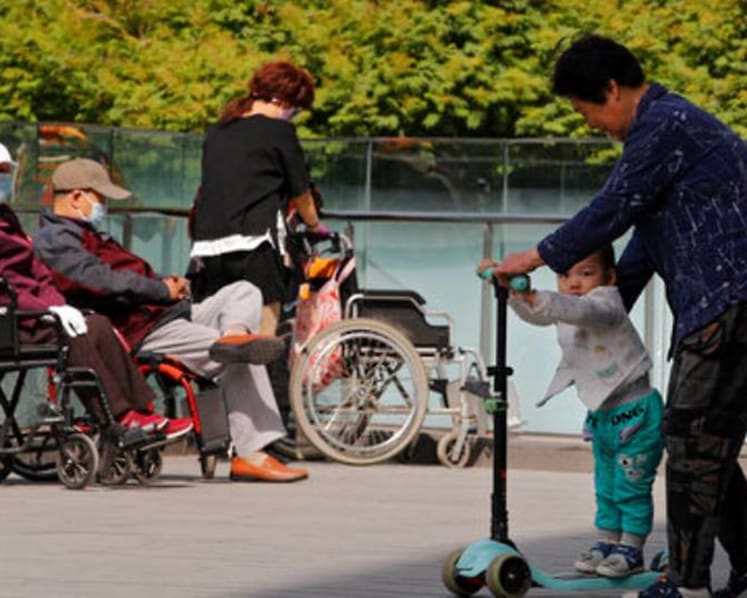

“Many of them tell us that the economic pressures they face, and the social pressures, are barriers that limit their ability to get married and to have children,” says Matthew Jackson, UNFPA Representative in Vietnam.
In countries like Vietnam, the decision to marry is tied to financial readiness. Prospective couples routinely confront questions about housing, cars and savings — benchmarks that can make marriage feel out of reach for younger generations.
It is a similar experience for factory manager Tanasarn Ratchadanon, 44, in Bangkok. He and his girlfriend have been together for over a decade but see little urgency in pledging their troth.
“It’s been so long now, we think marriage may not be necessary,” he says. “Our financial condition is the main factor. We’d have to put money on a new house. More burdens.”
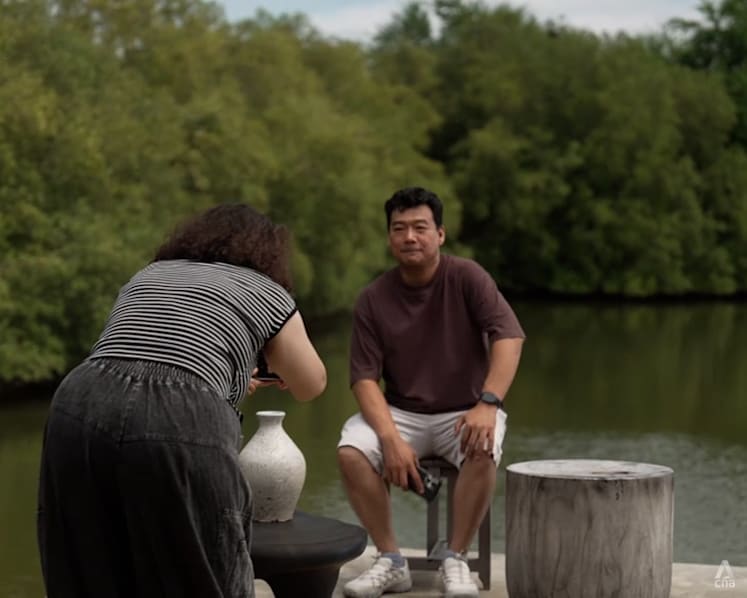
They live apart to fulfil another cultural obligation: Caring for their own parents. “We can each take care of our families. We meet halfway, and that’s more convenient,” Tanasarn shares.
“(If we get married), we’d have to build a separate family and wouldn’t be able to look after our parents. Our expenses would multiply.”
Already, he works six days a week and often returns home late, leaving little time for anything beyond rest, family commitments and the occasional outing with his partner.
“Marriage is just a symbol,” he says. “It’s something to show others that we’re living together as a couple and following social norms and traditions. That’s all.”
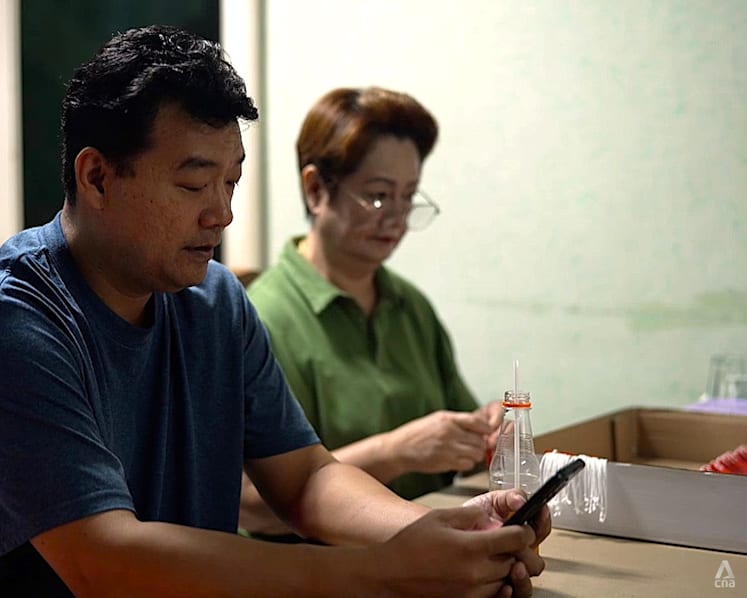
As Thailand becomes more developed, the cost of living rises and belts are tightened, individuals who shoulder responsibility for themselves and for their parents often find marriage and children financially untenable, Bunyarit notes.
COMMITMENT ISSUES
One way of looking at young people’s approach to marriage is that they plan to be fully prepared, and not only materially.
For Vietnamese model Nguyen Xuan Dat, mental preparedness is crucial too. This partly explains why he is in what is called a “situationship” — a romantic grey zone without formal labels, defined boundaries or expectation of exclusivity.
The 32-year-old has been seeing someone for about seven months. But the demands of work mean the relationship drifts between companionship and independence. They do not live together, and he still considers himself “a single guy”.
Situationships have surged in recent years, particularly among young singles. They offer intimacy and connection without the commitment that traditionally leads to marriage.

Again, Pongrapee attributes this to the upheavals and economic instability of their times.
“These days, young people prioritise self-exploration and instant gratification, not marriage or having kids,” he observes. “They choose to live for the moment, for good memories and experiences.”
This fluidity is part of the appeal. They can drift into or out of situationships, taking their time to “discover themselves first”. And for some of them, Pongrapee adds, the eventual “safe space” may be to remain single.
In 2022, dating platform Tinder saw a 49 per cent rise in users adding “situationship” to their profiles. For some young singles, situationships were a preferred way to “develop a relationship with less pressure”, an in-app survey found.
As for Dat, the “single life” he leads offers the freedom to prioritise work, finances and personal ambitions.
“People with jobs like mine, who still have a lot of fun or need youth and appearance for work, may want to prolong their younger years to succeed in their career,” he says.

TROUBLE FINDING “THE ONE”
Then there are those, like 39-year-old fashion designer Cuc Chi, who are at different stage of their life and want more than casual connection. Many of the men she meets online, however, are not looking to settle down.
Dating apps are making the search for a serious partner even harder, some experts argue.
“In the past, … (dating) was like going to a clothing store, and there were only two or three styles, so it was easy for you to choose,” Nam says.
“Now it’s like going to a supermarket, and there are thousands of options that would constantly change.”
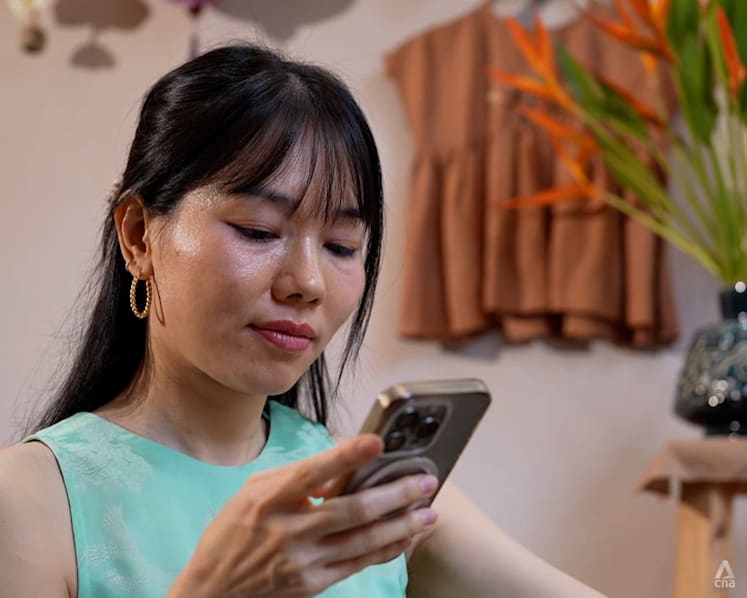
Studies suggest that users can fall prey to what researchers call a “choice overload”, which often leaves them less than satisfied with the person they eventually choose.
Dating apps may streamline preferences but also lead to ghosting and rejection, says Pongrapee. “This can have a big mental impact because it means the choices they made aren’t reasonable or good. This leads to self-doubt and extreme mental fatigue.”
The problem for Chi, however, is not too many choices but too few. She acknowledges her high standards: Physical attractiveness gets her attention, but shared interests and a university education matter just as much.
“Everyone should have high standards. Then, when you meet, you can lower them gradually,” she says. “But you can’t have low standards as it’d be a bit difficult to raise them later.”
Rising expectations about dating have been linked to declining marriage rates. “When women have higher education and better jobs, they tend to choose men who are on the same level or even higher,” Nam states.
“In some cases, men may feel reluctant to marry women who surpass them in terms of status, career or income.”
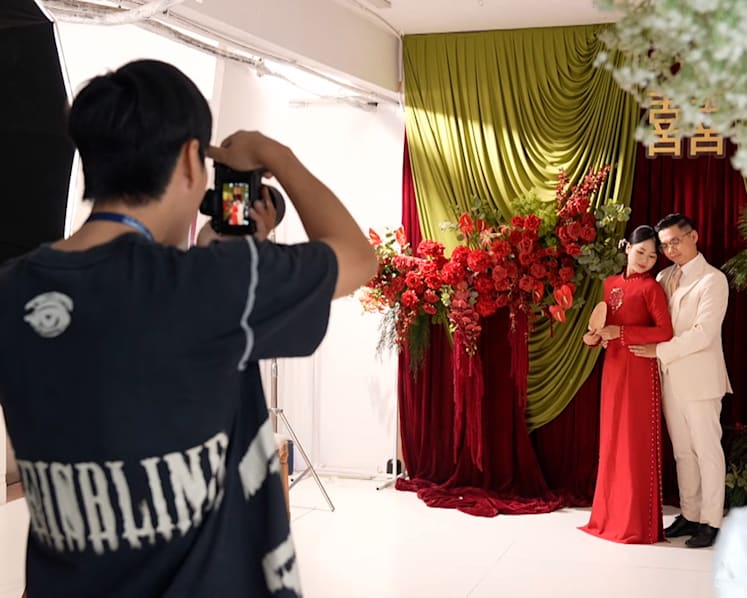
In Thailand — where women outnumber men at university — nine in 10 single women will not date a man who is less educated than themselves, reported matchmaking company Bangkok Matching.
Seven in 10 single Thai women prefer partners who earn 100,000 baht (US$3,140) a month, according to the company’s dating statistics last year. The average monthly salary in Thailand was 15,565 baht in the first quarter this year.
Researchers, meanwhile, have found that each additional year of schooling reduces fertility for Thai women, and a university degree lowers their marriage prospects by nearly 15 per cent.
In Asia, this has become known as the Gold Miss phenomenon — a term coined in South Korea to describe highly educated, high-earning women, who either postpone or opt out of marriage.
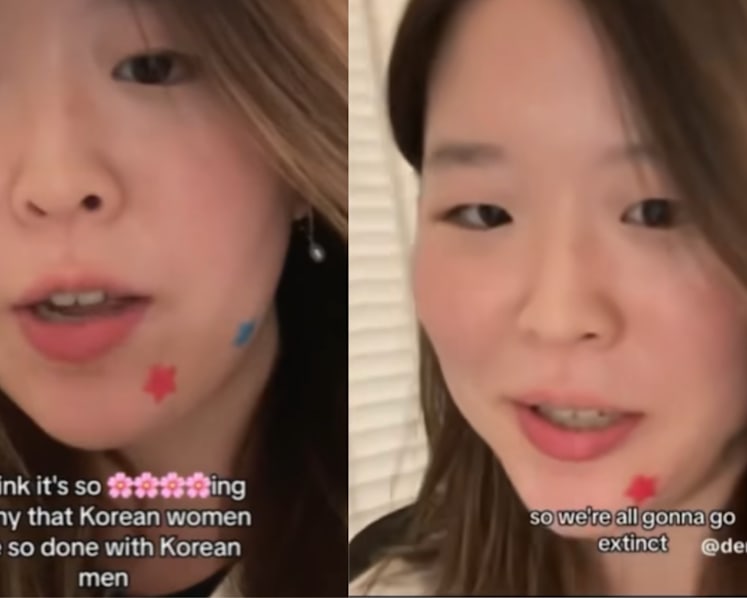
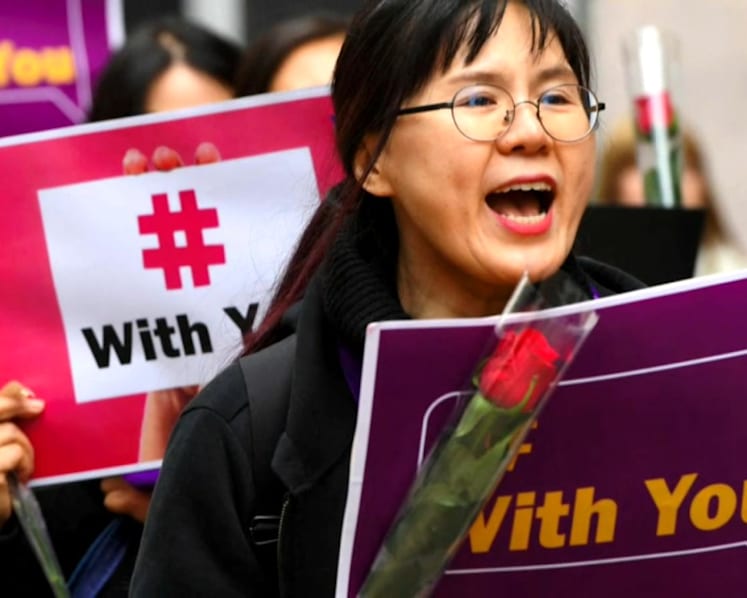
The result is a mismatch between what men and women want, shaped by greater gender equality and personal autonomy for women.
Still, marriage is not off the table for Chi. But she would rather wait for Mr Right than compromise. It is a sentiment Pacharaporn shares, as she believes in choosing “the best for your life”.
Others, such as Dat, think people have been “defining happiness wrongly”. “People always define happiness as having a spouse, children and all that. But when those families fall apart, nobody says anything,” he says.
“Living a single life until old age doesn’t mean you’ll be unhappy. You can still find joy in many different things.”
Watch this episode of Insight here. The programme airs on Thursdays at 9pm.