Commentary: Why recognising e-sports, chess and bridge as sports matters to Team Singapore
Creating a more diverse range of official sporting activities might broaden the demographics of participants, says former national athlete and sports administrator Nicholas Fang.
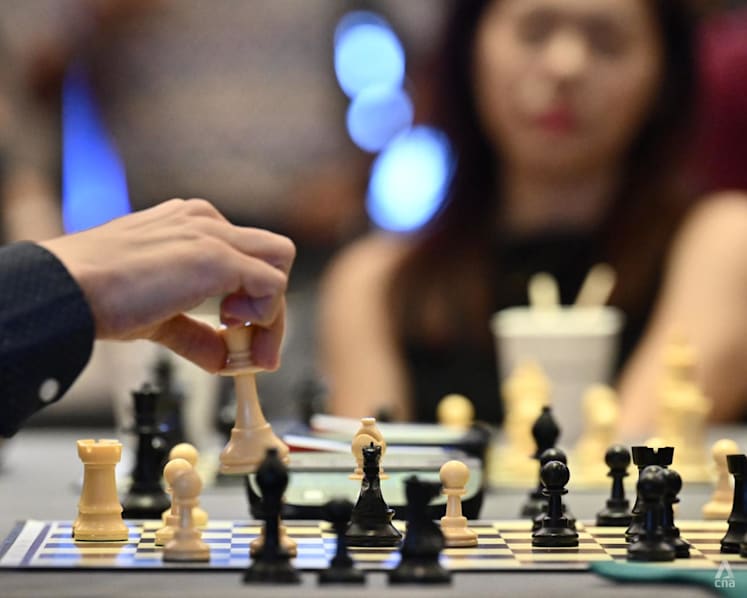
Fans playing chess against one another in the Fan Zone area, at the FIDE World Championship Singapore 2024 at Equarius Hotel, Singapore, on Nov 26, 2024. (Photo: CNA/Jeremy Long)

This audio is generated by an AI tool.


SINGAPORE: Is chess a sport? Or is it a game?
The question of whether an activity qualifies as a sport is a long-standing debate among casual fans, serious athletes and sports administrators. The debate has recently been reignited in Singapore, with Parliament considering a Bill that will formally recognise e-sports, chess and bridge as sports.
The Singapore Sports Council (Amendment) Bill, tabled last month, aims to update the roles and functions of Sport Singapore (SportSG). The broader intent is to better support the increasingly diverse sporting aspirations of Singaporeans.
SPORT OR NOT?
The question of whether e-sports and mind games are sports is unlikely to be resolved definitively anytime soon. Those against it say that such activities do not require sufficient physical effort, while those in favour argue that they involve direct contest against an opponent and demand resilience, endurance and strategy.





There is also the question of how e-sports and mind games stack up against the gold standard of excellence for most sporting activities – the Olympic Games. The International Olympic Committee (IOC) officially recognises the World Chess Federation and World Bridge Federation, but chess and bridge are not included in the Olympic Games.
E-sports are similarly acknowledged by the IOC but are not part of the Games. The committee launched the Olympics Esports Series in Singapore in 2023, but came under fire for its selection of titles, due to its conditions that e-sports must reflect Olympic values and cannot contain violent content.
Meanwhile, there is no unanimous agreement among individual countries on whether e-sports and mind games are sports. Regardless of which side of the argument comes out on top, there is merit in exploring the broader implications if Parliament passes the Bill to amend the Singapore Sports Council Act.

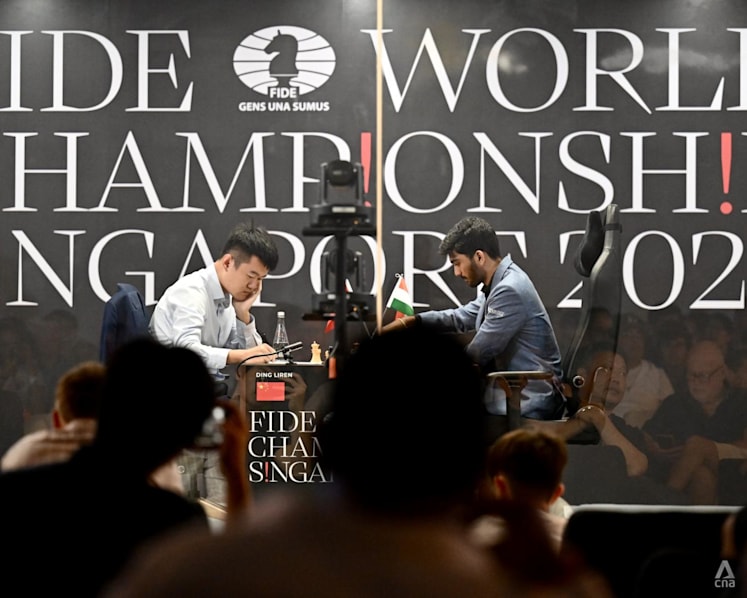
TANGIBLE IMPACT
While it may sound to some like a simple issue of definition, there will likely be real-world impact on local mind sports and e-sports communities.
Perhaps the most obvious impact is likely to be in terms of financial support. Should activities be recognised formally as coming under the ambit of SportSG, the governing authority for sports in Singapore will then have to devote resources to ensure that those activities are able to grow and develop.
This could take the form of building up national associations to ensure the long-term growth of the individual sports, providing funding for related activities such as training of national teams and supporting them in competitions, and building a base of participants at various levels to create a pipeline of talent and community for each sport.
This might sound like a boon for fledgling sports seeking to establish themselves, but it is worth sparing a thought for what this might mean for the rest of the sporting community.
It is well-known that support for sports in Singapore often pales in comparison to other key national priorities such as defence and security, national development, transportation and housing.
It is fair to say, though, that the amount allocated to sports from the national budget has gone up since my time representing Singapore as an athlete in the mid-1990s to the early 2000s, but it remains finite and relatively small. Spreading it among more officially recognised sports will see the pie being carved up into even smaller pieces.
At the same time, creating a more diverse range of official sporting activities might broaden the demographics of participants, and potentially attract other sources of funding from sponsors or stakeholders keen to invest in growing such sports for commercial gain.
GREATER INCLUSION ALWAYS A GOOD THING
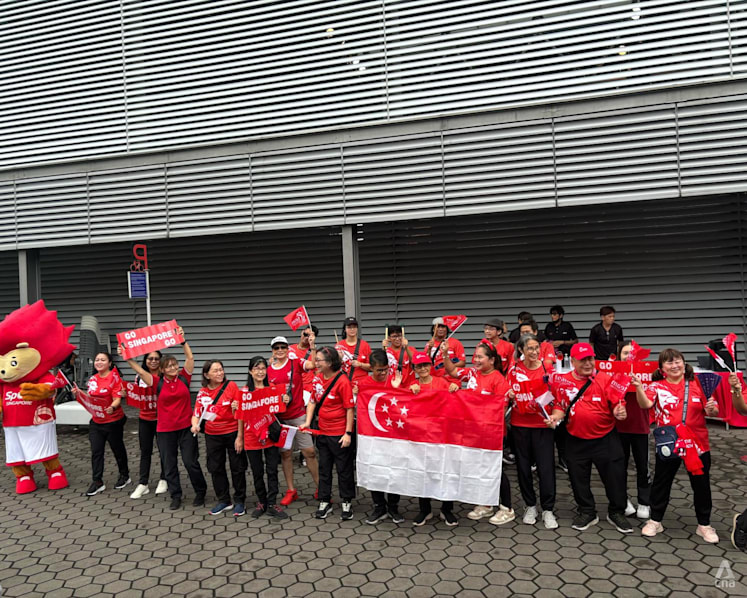
The move to recognise more sports officially can also have other benefits, in terms of making such activities more inclusive and attractive to a broader range of individuals amid the evolving tastes and demands of society.
It would appeal to younger generations of Singaporeans who are passionate about e-sports and mind sports, and could spur greater commitment and drive to potentially represent the country at major events such as the Southeast Asian Games and Asian Games.
As an ageing population, having such official sports that require less physical capability compared to other events might also encourage an older demographic to stay engaged and active.
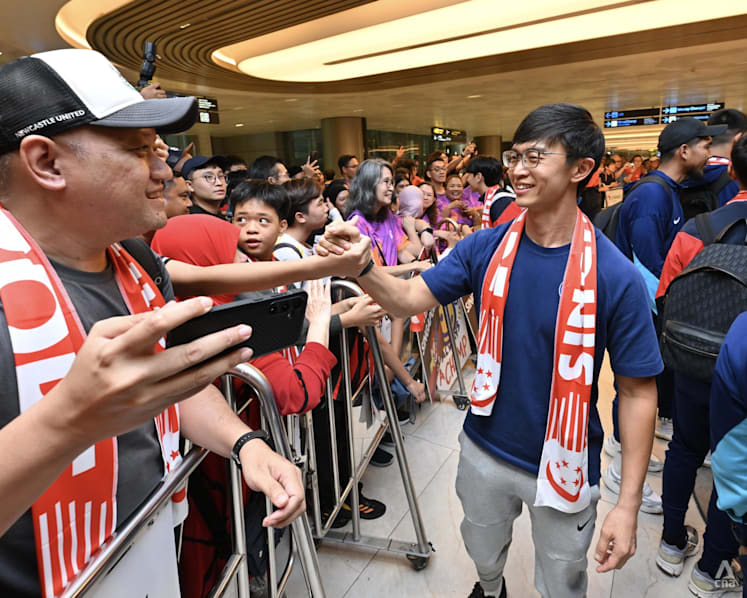
At an elite level, there is also the potential benefit to national athletes flying the flag of Team Singapore. Newer and less established sports that have not been part of the Olympic framework for example might not be as competitive at the highest levels, and thus offer more opportunities to excel and perform at international competitions.
Regardless of the outcome, the move to have more sports officially recognised by the government is likely to have a significant impact on Singapore’s sporting ecosystem and broader society.
However, with other activities such as pickleball and padel, as well as fitness races such as Hyrox gaining a foothold in our sporting landscape, the result could also be a green light for their advocates to push for their official recognition as well.
Nicholas Fang is a former national athlete and sports administrator. He represented Singapore in fencing and triathlon, and helmed the national fencing and modern pentathlon federations. A former member of the Singapore National Olympic Council, he was also a Nominated Member of the Singapore Parliament. He is co-founder and managing director of sports consultancy Novastella.