Defections from North Korea fall further as regime tightens grip
Just 224 North Korean defectors entered South Korea for resettlement last year – a sharp drop from pre-2020 levels, when over 1,000 people made the perilous journey south each year.
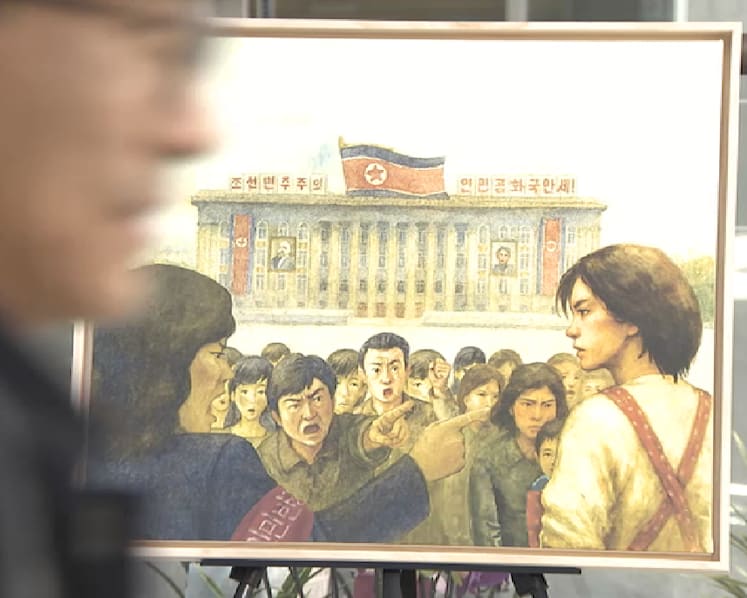
Artworks on the lived realities of ordinary North Korean citizens line the halls of South Korea’s National Assembly.

This audio is generated by an AI tool.




SEOUL: As North Korea seals itself ever more tightly from the outside world, the number of people able to escape – and to tell its stories – is dwindling.
Two hundred and twenty-four North Korean defectors entered South Korea for resettlement last year, according to Seoul’s Ministry of Unification – a slight dip from 236 the year before. Most of last year’s arrivals were women.
That figure marks a sharp fall from the years before the COVID-19 pandemic struck in 2020, when more than 1,000 people typically made the perilous journey south each year.
Human rights groups warned that the decline is more than a statistical trend – it is eroding one of the few direct windows into life inside the secretive state.





RARE GLIMPSES OF DAILY LIFE
Efforts to preserve them have taken on renewed significance.
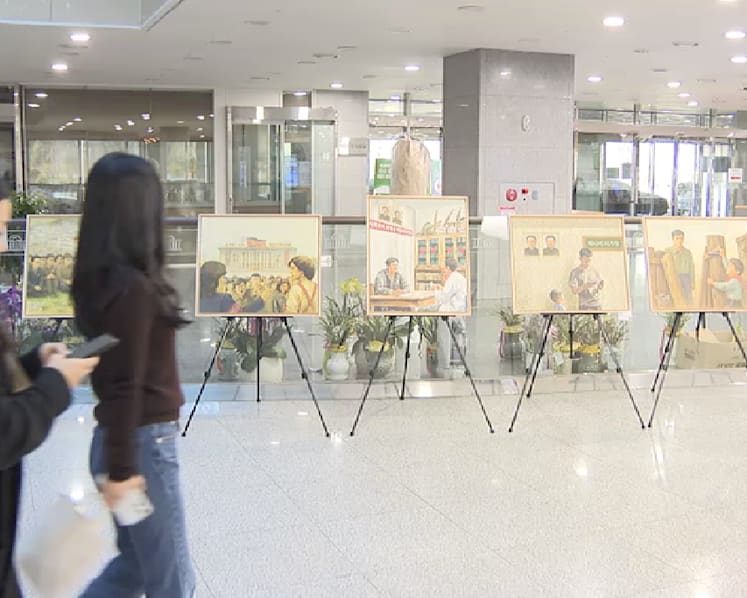
Such glimpses of daily life in North Korea are what an exhibition inside South Korea’s National Assembly is seeking to preserve and share.
Lining the halls are artworks focusing on the lived realities of ordinary citizens, which have become increasingly difficult to document as Pyongyang tightens restrictions on movement and communication.
Several of the works are by North Korean defectors themselves, depicting scenes drawn directly from their own experiences.
Many pieces are inspired by The Accusation, a collection of short stories by the pseudonymous North Korean author known only as Bandi. Written inside North Korea and smuggled out, the stories offer rare insight into the everyday lives of people living under the regime.
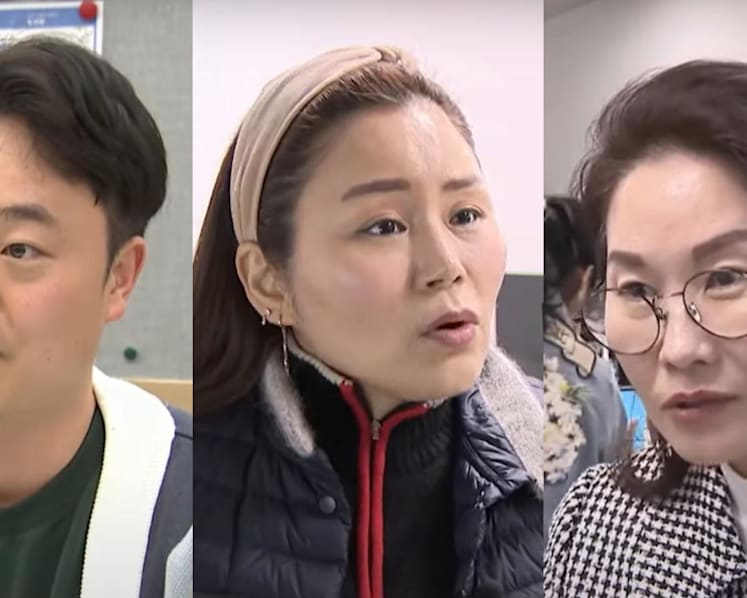
“For this exhibition, artists from both North and South Korea participated together,” said Do Hee-Yoon, head of Happy Reunification Road, an organisation that advocates for the reunification of the Korean peninsula.
“What is distinctive is that North Korean defector artists directly depicted their own lives in North Korea,” he added.
“The stories closely mirror the lives they themselves actually lived, and they expressed those experiences through their paintings.”
PRESERVING VANISHING VOICES
Organisers say exhibitions like this are taking on greater urgency – preserving testimony, amplifying voices and documenting lives that might otherwise remain unseen.
This is as the number of people able to carry such stories out of North Korea has fallen sharply.
Defections plunged during the COVID-19 pandemic, when Pyongyang sealed its borders.
But analysts say the flow of people and information had already been shrinking for years.
North Koreans caught attempting to flee face severe punishment, a reality that human rights groups say has further deterred escape efforts.
Beyond the personal testimonies, the dwindling number of defectors limits the international community’s ability to verify conditions inside the hermit kingdom. First-hand accounts remain crucial for understanding issues at the grassroots level.
“Certainly since 2020, but really from 2017, the country itself has slowly become a place where no information goes in or out,” said James Heenan, representative at the UN Human Rights Office in Seoul.
“People don't come in or out without permission,” he added. “Without information, we can't assess what is going on.”