







Higher cash payouts, help for platform workers as Singapore announces S$1b support package amid Iran war
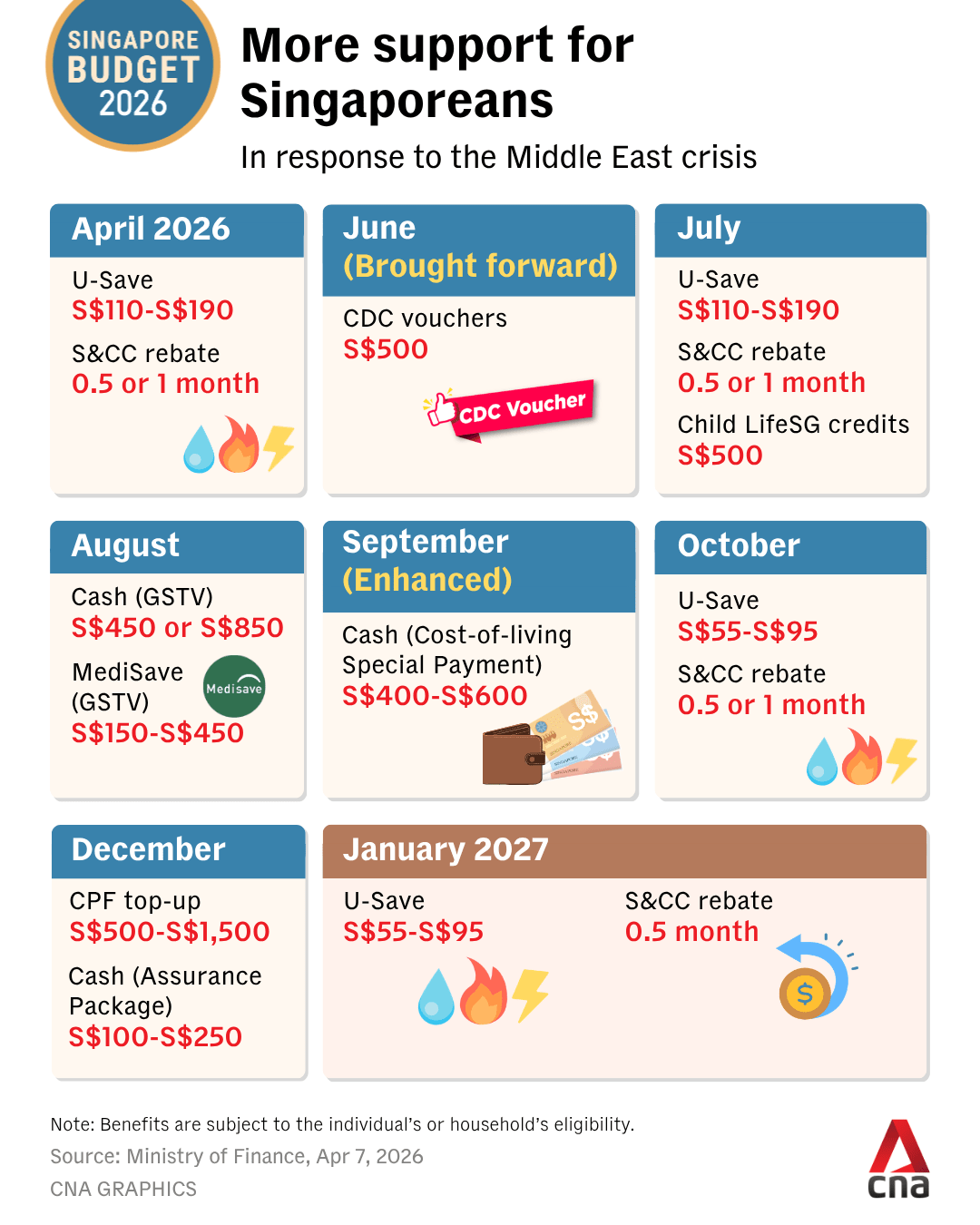
The next tranche of S$500 in CDC vouchers will be brought forward to June this year.
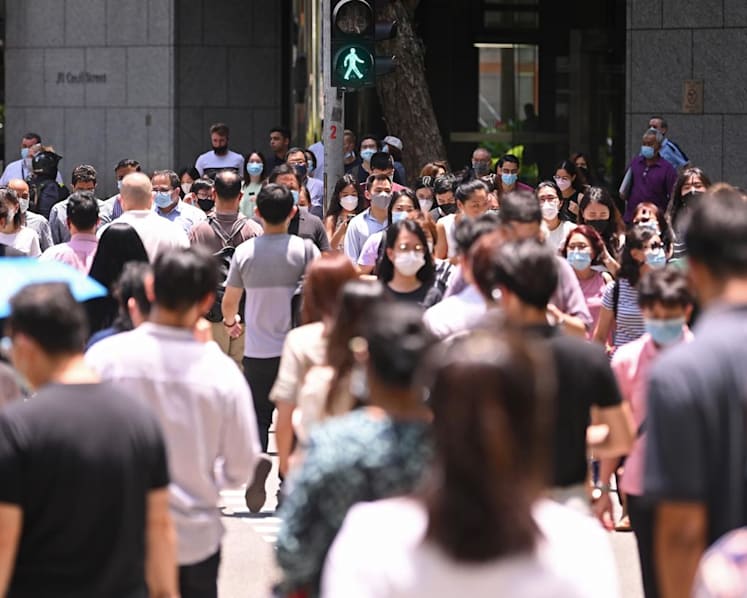
People in the central business district in Singapore on Mar 25, 2022. (File photo: CNA/Gaya Chandramohan)

This audio is generated by an AI tool.


SINGAPORE: Singaporeans will receive higher Cost-of-Living (COL) special payments and platform workers will get cash relief under new measures rolled out in response to the war in Iran.
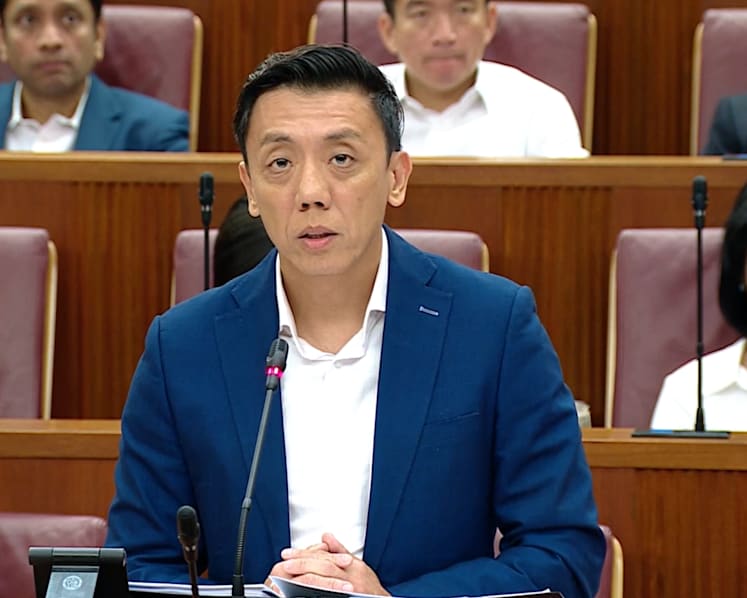
The new support package will cost close to S$1 billion on top of what was committed at Budget 2026, Senior Minister of State for Finance Jeffrey Siow said on Tuesday (Apr 7).
The one-off COL special payment – announced during Budget and to be disbursed in September – will be topped up by S$200.
Eligible adult Singaporeans with an assessable income of up to S$100,000, who do not own more than one property, will now receive between S$400 and S$600 in cash. About 2.4 million Singaporeans are expected to benefit.





Also announced at Budget 2026 and originally due in January 2027, the next tranche of S$500 in Community Development Council (CDC) vouchers will instead be disbursed in June this year.
The vouchers, which are valid until Dec 31, 2027 and will cost the government S$700.07 million, are expected to benefit about 1.4 million Singaporean households.
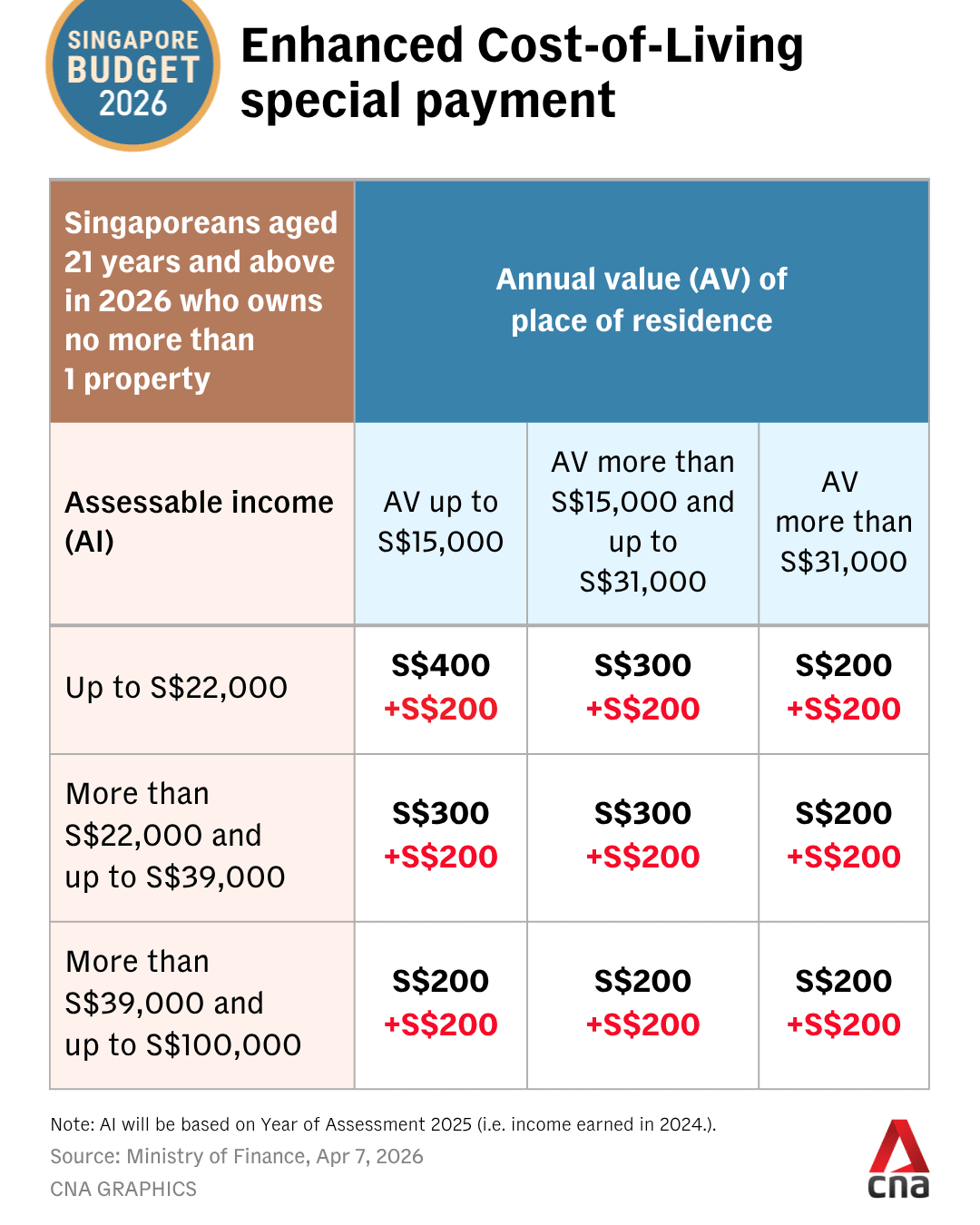
Mr Siow added that the government was closely monitoring the prices of food and other essential goods and services.
“So far, rising fuel prices have not yet fully percolated into wider price increases across the economy,” Mr Siow said in a ministerial statement delivered in parliament.
“Given the heightened uncertainty in the Middle East, it is still too early update our projections of inflation in Singapore, or to quantify the full impact on households. But we know the situation has amplified cost-of-living anxieties for Singaporeans.”
The household measures were meant to reassure Singaporeans that cost increases in the coming months can be managed, he added.
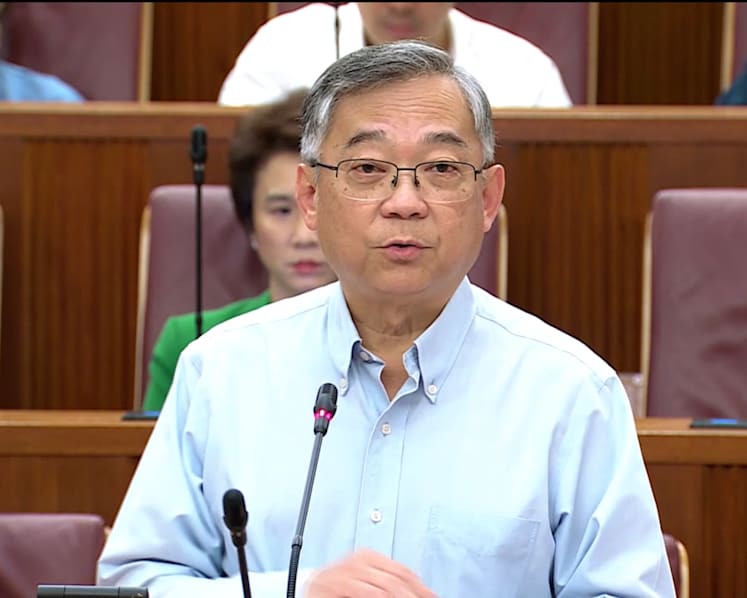
Earlier, in a separate ministerial statement, Deputy Prime Minister and Minister for Trade and Industry Gan Kim Yong warned that the crisis caused by the Middle East conflict was unlikely to be over anytime soon, and Singapore must be prepared for its effects to persist for some time.
SUPPORT FOR TRANSPORT WORKERS
Mr Siow, who is also Acting Minister for Transport, announced additional support for the domestic transport sector and businesses, noting that sharp fuel price increases have hit the earnings of platform workers, private-hire car drivers and taxi drivers.
The government will disburse S$200 in cash to active platform workers, private-hire car drivers and taxi drivers from the end of this month.
Eligible platform workers are those with net earnings from platform work exceeding S$500 a month across all platform operators for each month from December 2025 to February 2026.
The Central Provident Fund (CPF) Board will automatically disburse the cash payout based on net earnings declared by platform operators when making CPF contributions.
Payouts will go out via PayNow-NRIC by end-April, or GIRO by May 11. Those without PayNow-NRIC or a valid bank account will receive the payout via GovCash by May 18.
The cash relief also applies to all taxi drivers who held a vehicle hire agreement with a taxi operator from December 2025 to February 2026. The Land Transport Authority will automatically disburse payouts by mid-May to eligible taxi drivers who do not receive them through the CPF Board.
NTUC Assistant Secretary-General Yeo Wan Ling welcomed the measures, but noted support should also be extended to self-employed combi bus drivers and limousine drivers.
"Our drivers face the same cost pressures, and should not be left out of our support efforts," said Ms Yeo, who is also advisor to NTUC-affiliated platform work associations.
"NTUC will continue to work closely with the government and industry partners - and press for a strong tripartite response - so that support reaches affected workers," she added in a Facebook post on Tuesday.
Ms Yeo also said that workers cannot be left to absorb the costs of fuel increases by themselves.
"We also need action on the ground. Service buyers should step forward to review and adjust existing contracts where fuel increases are significantly affecting livelihoods," she said.
"We will keep pushing for broader, practical support - so that no worker is left behind during this challenging period"




