







Changes tabled in Parliament to give immigration officers powers to search and arrest suspects
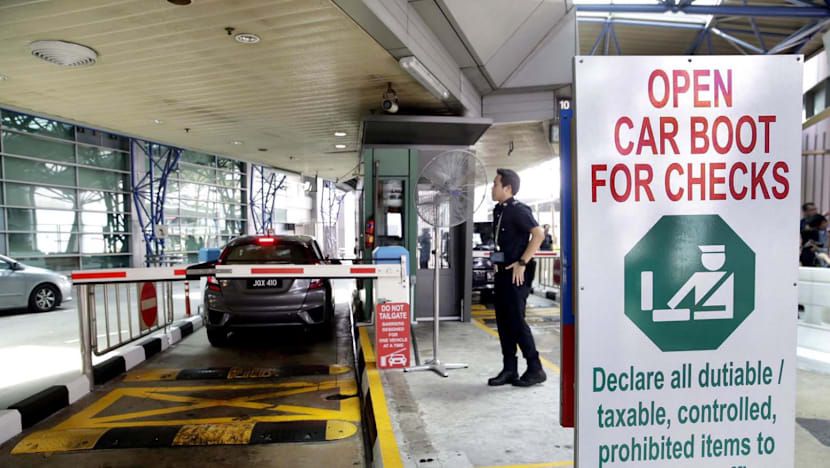
Immigration officers may soon be empowered to carry out searches and make arrests for some offences in an effort to deal with crime and security incidents more efficiently. TODAY file photo


SINGAPORE — Immigration officers may soon be empowered to carry out searches and make arrests for some offences in an effort to deal with crime and security incidents more efficiently.
Currently, these functions come under the authority of the Police.
The proposed changes to the Immigration Act, which were tabled in Parliament on Monday (Nov 6), will give immigration officers the power to stop and search any vehicle or person within, or in the vicinity of an authorised area, if it is believed that a relevant offence has been committed.
They may also be empowered to arrest individuals without a warrant if they have reason to believe that the individuals have committed an offence. Such arrests can also be made in cases where suspects refuse to give their name or residential address, or provide false information.
If passed, the proposed amendments will also allow officers to enforce security screening on suspects, such as by compelling individuals to walk through a detector, be screened via a handheld scanner, or passing their belongings through an X-ray machine.
In addition, the proposed Bill will also allow the ICA to collect personal identifiers — such as photographs, fingerprints and passport details — from travellers in transit at Changi Airport where necessary. Currently, such information is only obtained from travellers at immigration counters.
“(The amendments) help ensure that security incidents at the checkpoints are dealt with even more promptly, especially in the current heightened threat environment. The changes to the Immigration Act empower Immigration and Checkpoints Authority (ICA) officers to exercise selected police powers... so that they can perform this enhanced role,” a spokesman for the Ministry of Home Affairs said in response to media queries.




