







Changing attitude towards failure starts with the individual: NMP
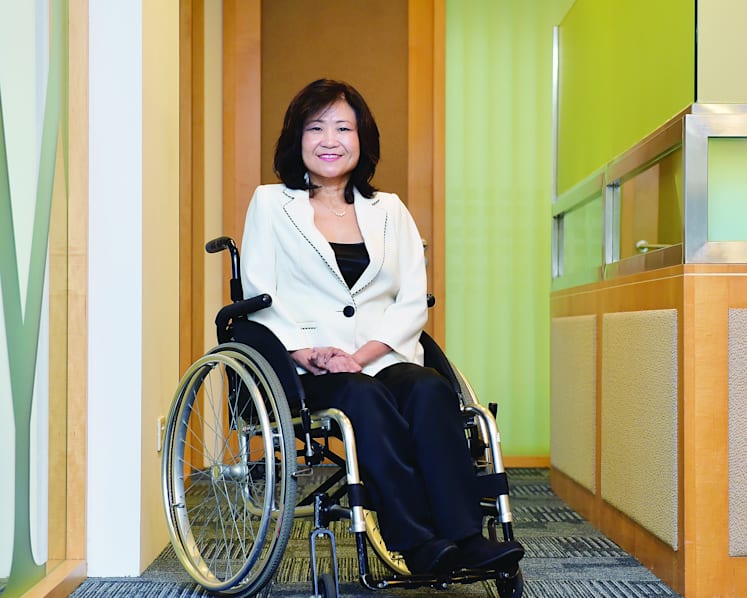
Nominated Member of Parliament (NMP) Chia Yong Yong, TODAY file photo


SINGAPORE — When pre-schools wanted to introduce elements of learning through play in their curriculum, some parents were alarmed and raised concerns about their child not being able to read and write when they enter primary school, while blaming the authorities for instilling this fear in them.
But if the authorities were to change their policies, will parents change their expectations of their children accordingly, asked Nominated Member of Parliament Chia Yong Yong today (March 10), as she recounted the sentiments expressed to her by a friend.
Addressing the issue of the fear of failure among Singaporeans at the National University of Singapore (NUS) Symposium today, Ms Chia, a speaker at the event, said that ultimately, people need to change their own attitudes towards failure.
She was responding to a question from Assistant Professor Terence Lee from NUS’ Department of Political Science, who had asked how Singapore can move away from the present narrative, where failure is not an option and that the country cannot rest on its laurels.





The symposium, which was attended by about 60 students, researchers and representatives from the public and non-profit organisations, reflected on Singapore over the past 50 years and what can be expected in the next 50.
Associate Professor Bilveer Singh, also from the Department of Political Science, asked how the country can bring about a change in thinking in the next 50 years and whether it would stem from political activism.
In response, Ms Chia, who is also president of social service provider SPD, said: “Politics should serve the people ... It’s a question of whether we allow politics to get the better of us or (do) we influence the politics of the country. Where do we start? I think we start with each of us.”
Another speaker, Mr Dominic Lim, head of community network WeCare@MarineParade, felt younger Singaporeans should be encouraged to break out of cookie-cutter views to achieve excellence. “(Youths feel) a certain perception that they need to fit into a cookie-cutter approach, (where) they didn’t dare to raise their views or speak up on what they thought was right in a public setting or to really stand (behind) their views,” he said.
Another challenge for Singapore to address is Not-In-My-Backyard sentiments, said Ms Sumytra Menon, senior assistant director of the Centre of Biomedical Ethics in NUS’ Yong Loo Lin School of Medicine. “People who say you got to do something, but don’t do it in my backyard. People who say I want to do something, but I don’t know how. People who say I want to do something, but I’m not ready. These are some of the challenges we ... need to address.”




