







Contractors absorbing higher costs to complete projects on time amid Middle East war
Prices of some construction materials have risen by about 20 per cent and are expected to remain high, says the Singapore Contractors Association Limited.
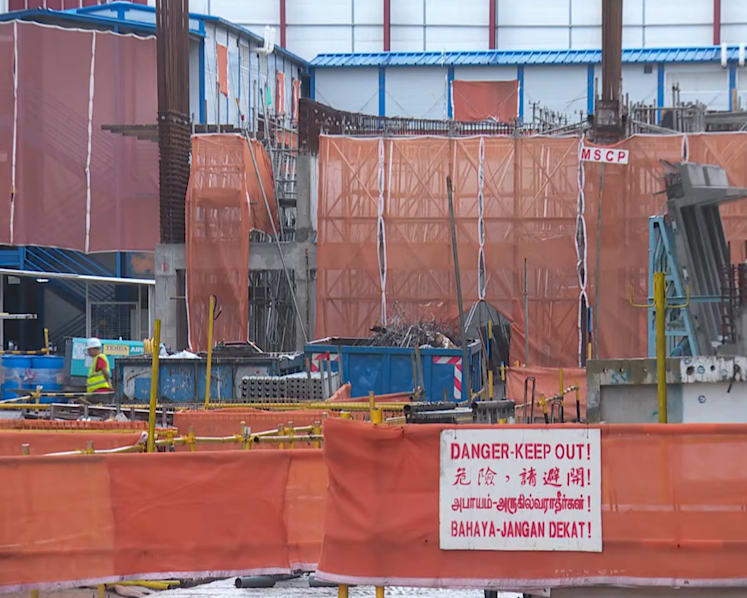
A construction site in Singapore.

This audio is generated by an AI tool.




SINGAPORE: Some construction firms are absorbing higher material costs to keep projects on schedule, as prices surge amid the ongoing war on Iran, said the Singapore Contractors Association Limited (SCAL).
Prices of some construction materials have increased by about 20 per cent and are expected to remain high.
Some transport and machinery companies are expecting losses of up to S$1 million (US$780,500) per month, the association added.
Crucial materials such as waterproof membranes, paint and sealants - which are petroleum-based - have become more expensive as oil prices surge following disruptions at the strategic Strait of Hormuz.
Construction material wholesaler Eastern Win, for instance, is investing in a buffer for short-term disruptions, while keeping in mind the one-year shelf life of such materials.
“Stockpiling is something that we have to study and do carefully, because if we stock too much, there's a risk of it going bad and we have to throw it away, and that (adds) costs to our bottom line,” said the company’s business head of construction Sylvester Lim.
“We have to plan our safety stocks carefully - and the reason we do safety stocks is because we must be able to supply to our customers when they need it. Otherwise, the construction timeline … will be extended.”
Building up buffer stock could raise costs by up to 15 per cent for the firm, Mr Lim added.
As for whether prices will return to pre-war levels, he said that it will “take a long while” for costs to go down, depending on market demand and how many projects the firm is handling.





SHIPPING DELAYS
Industry observers warn that Singapore, as an import-dependent construction market, could face longer lead times and higher costs due to shipping volatility.
Some companies are already facing delays.
United Tec Construction, which imports marble directly from Iran for one of its projects, has seen shipment delays of up to 10 days due to vessel detours and unpredictable delivery schedules.
The war on Iran, which began almost two weeks ago, has impacted shipments, particularly from Europe and China, said United Tec Construction founder and managing director Allan Tan.
While the company still has time to look for substitutes and alternative sources, it is concerned some projects could fall behind if the conflict escalates. This is especially as the industry is just recovering from the COVID-19 pandemic, said Mr Tan.
“Each project takes about three to four years to complete, so (we have to think) three to four years ahead,” he noted.
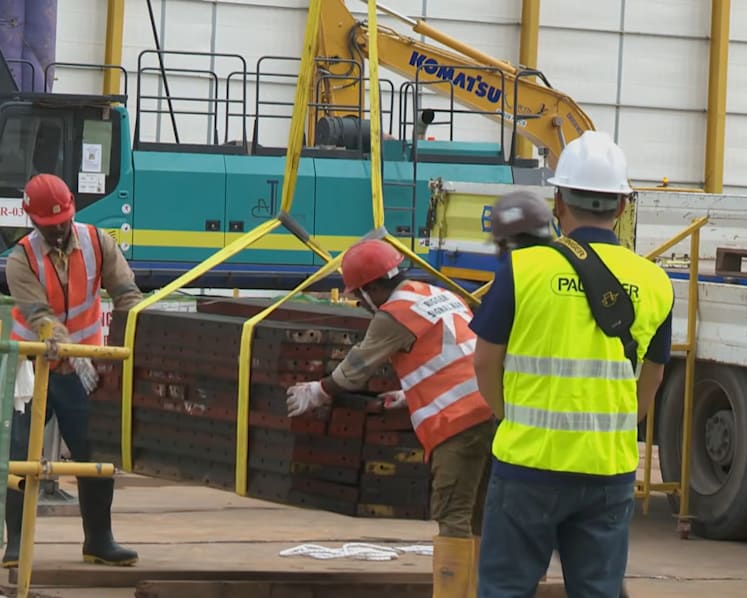
The impact has been bearable so far, but it could be “disastrous” for the industry if the conflict drags on, Mr Tan added.
“Along the way, if the war is prolonged and the crisis never ends … many materials will be affected. Shipments will all be delayed … it cannot be so easily mitigated.”
Consultancy firm Linesight said Singapore can expect to see higher steel prices driven by energy volatility, increased shipping and insurance costs.
It added that vessel detours, among other factors, could lead to longer lead times for imported materials, greater unpredictability in delivery schedules, and difficulty for contractors in locking in prices and timelines.
However, severe physical shortages are not expected, it said.
PUBLIC SECTOR EXPOSURE
For most public projects, meanwhile, government agencies are likely to adjust their contract prices when material costs fluctuate.
This covers key construction materials such as steel rebars and ready-mix concrete.
SCAL, which represents more than 3,000 construction firms and allied businesses, said it hopes to expand this list of materials to help more companies adjust during a crisis.
Its president Lee Kay Chai added that specialised contractors handling short-term projects are particularly vulnerable to price swings.
“The oil prices went up so high. Then their cost of operation will increase significantly, but they cannot stop … so they will be paying a lot in terms of material costs (and) fuel costs. It will definitely eat into their margin,” said Mr Lee.
“In the public sector, there is a fluctuation cost for materials … so these are somehow protected. But for the private sector, this provision doesn't come in at all, so (contractors will especially) be very badly hit.”
Site preparation works and earthworks are also expected to be affected by rising costs, Mr Lee added.
The Building and Construction Authority said materials such as sand and granite can be sourced from within the region and that no supply disruptions are expected.
However, it noted that project stakeholders should consider sharing risks and rewards going forward, as prices could become more volatile amid the uncertain outlook.




