







Grouses over discount and incentive roll back expected, but Grab insists it will deliver more
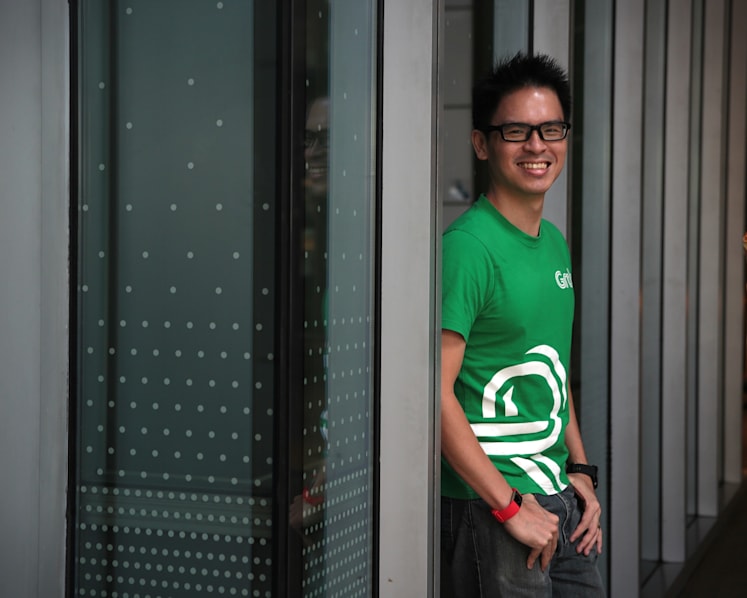
Head of Grab Singapore Lim Kell Jay said that Grab is a “homegrown South-east Asian company with humble beginnings” that has shown its ability to compete against the world’s best.


SINGAPORE — Acknowledging consumer unhappiness over Grab’s rollback of incentives and promotional codes since its acquisition of Uber, head of Grab Singapore Lim Kell Jay said that while “there will be unhappiness and complaints initially”, consumers should take a “more holistic view” as the company seeks to provide a more comprehensive suite of services beyond ride-hailing.
Speaking to media at the launch of food delivery service GrabFood on Monday (May 28), Mr Lim also pointed out that Grab is a “homegrown South-east Asian company with humble beginnings” that has shown its ability to compete against the world’s best. He added that it was committed to helping other companies here and in the region do the same.
Amid the public grouses with the firm, Mr Lim also spoke about the future of Grab and its business strategies moving forward, particularly with Indonesian ride-hailing firm Go-Jek set to launch in the region in the coming months.
Last Thursday, Go-Jek announced that it will be investing US$500 million in its “international push” across four countries in South-east Asia: Singapore, Thailand, Vietnam and the Philippines.





Mr Lim appeared unfazed by the challenge from the latest market entrant. He said: “Competition is always there, it comes and goes.
“We faced many competitors in the past, but I think one of the reasons why we’ve remained on top is because we’ve been very focused on what the customers want.”
After Grab announced its acquisition of its rival Uber in March, commuters subsequently reported receiving fewer discounts, or promotional codes, while drivers were unhappy over the rollback of incentives, which adversely affected their incomes.
On the last day of Uber's operations in Singapore earlier this month, Mr Lim confirmed then that the promotional codes and incentives have given way to perks on its loyalty programme, GrabRewards.
But he stressed that these promotions had been "trending down" even before its acquisition of Uber's South-east Asia operations.
He added: “Incentives and promos are still going to be there, it’s just that we need to look at it from a more holistic view.”
Mr Lim stressed that it is important that the company continues to deliver value to passengers and drivers across several “fronts”.
To that end, Grab is working to add more partners to its rewards platform in order to deliver more value to passengers, he said.
For example, the SCORE programme, a subscription scheme between Grab and supermarket chain Fairprice, was set up in March to offer members rebates on grocery purchases and discounts on Grab rides.
As for drivers, Mr Lim said that “their main incentive will continue to be there”.
Grab will continue to look at how to improve their incomes, “which is really what is important” to them, he added.
The company is also testing out other “ancillary revenue streams”, in addition to looking at how to increase the number of bookings for drivers. “We’ve started to test out advertising for drivers… and they get a cut of the revenue,” he said.
It will also continue to work with industry partners to lower rental rates, and give out fuel discounts.
In place of UberEats, GrabFood was launched on Monday in a move to help the firm achieve its vision to be an everyday app that offers transport, food and mobile payment services.
Mr Lim said: “Our customers’ needs evolve and we need to evolve along with them. That approach is not going to change and that is the only sustainable way for us to remain relevant to the market.
“The next logical step is to integrate public and private transportation and also to make the experience a lot more seamless especially in paying for the service.”
Since announcing the buyout of Uber’s South-east Asian operation in March, Grab has also come under scrutiny from local watchdog, the Competition and Consumer Commission of Singapore (CCCS).
Fearing that the deal would result in the firm grabbing a monopoly of the market, regulators here recently issued interim orders which included a requirement for Grab to maintain its pre-acquisition pricing.
When asked if Grab foresees further regulatory scrutiny as it expands to other sectors, Mr Lim said: “We’ve been engaging authorities very closely. In fact, as part of the current review of the acquisition, we’re helping the Competition and Consumer Commission of Singapore understand that the Grab business is not just transport, not just private-hire vehicles, which is the original scope of review, but also the other services that we are branching out into, for example, the food, logistics and financial services.”




