







Lukewarm response to paralegal option as way to soak up oversupply
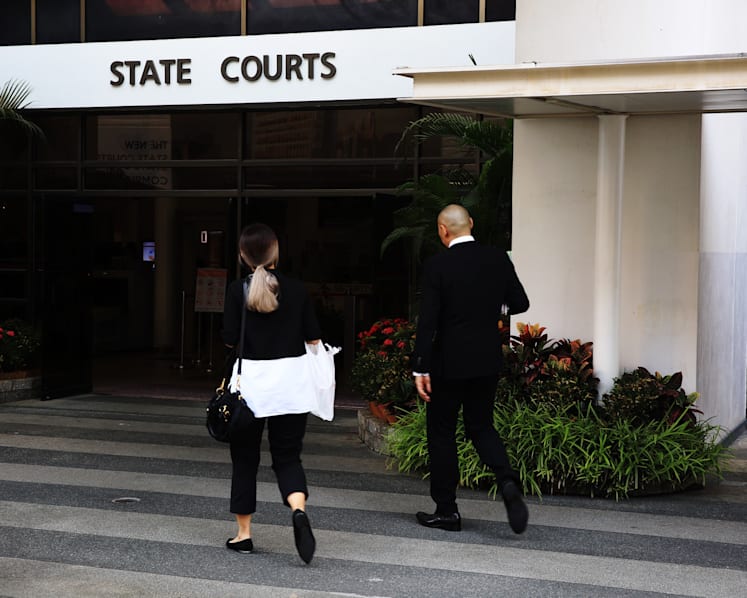
TODAY file photo


SINGAPORE — Getting fresh law graduates to remain in the profession as paralegals for a few years if they fail to secure employment contracts might not be an attractive option to the young entrants, said undergraduates and lawyers that TODAY spoke to.
At the Mass Call ceremony on Friday (Aug 26), Chief Justice Sundaresh Menon had suggested in his address, among other things, that practice trainees who are not offered employment contracts could instead serve as paralegals until their admission to full professional status at a later time.
This comes amid concerns that the profession is losing “budding legal talent” before they had the serious opportunity to be nurtured, he said.
But National University of Singapore (NUS) law undergraduate Andrea Ee, 20, said aspiring lawyers might be dissatisfied with the paralegal option.





“(Law students) expecting to get hired as an associate but end up getting a position as a paralegal (may notice) some incongruity there”, said the second year student, adding that these graduates might instead, choose to find jobs outside the legal profession.
Mr Kyle Goh, 26, also an NUS law undergraduate, said many would not be keen on taking the paralegal route. “You study law… because you want to practice law, you want to be out there handling the transaction,” he added.
Director at Quahe Woo & Palmer LLC Sunil Sudheesan noted that getting law graduates to work as paralegals might be “kicking the can down the road”.
“In the end, it is a function of demand. If there is not enough work, people are not going to get jobs,” he said.
But President of the Law Society of Singapore Thio Shen Yi noted that some firms here have already explored that option for foreign lawyers that do not have the requisite grades and could not get called to the Bar.
To expand that idea, the Senior Counsel suggested offering opportunities for paralegals to upgrade their skills or get themselves accredited so that they will eventually “be more attractive to employers”.
Paralegals are trained in matters of law but are not fully qualified as lawyers. While they are able to help draft letters and affidavits and help with trial preparations, they cannot advise clients, for instance.
Senior Partner at Dentons Rodyk & Davidson LLP Lok Vi Ming noted that while publishing data such as the law firm’s retention rates might help law graduates avoid firms with lower rates, it might also have an opposite effect where firms would avoid offering more training contracts in order not to affect their retention rates.
On the suggestion to prescribe the training that law firms should provide young entrants, Mr Lok said it would be hard to find a level of supervising that all firms cam commit to, particularly so for smaller outfits that do not have as much resources.
Mr Sudheesan also noted that the distinction between small, medium and large law firms has to be made. “Depending on the size of the firm, the ability to deliver such a specific training program is uncertain. That may have the countervailing effect of discouraging smaller firms from taking on trainees,” he added.
Lawyer Gloria James-Civetta added that it would be difficult for firms to give young lawyers all the training they need within a six-month period.
“The burden on us will be very tight. There should be some flexibility,” added Ms James-Civetta who runs her own firm.
Lawyer Amolat Singh suggested having a central body to coordinate internships and training contracts, adding that the profession as a whole needs to be responsible for the training of young lawyers.
Professor Simon Chesterman, Dean of the NUS Faculty of Law, noted that the university admits a constant number of law students each year and the oversupply of law graduates comes primarily from those who studied in England.
“There are now more Singaporeans studying law in England than in Singapore. It is the students at second-tier English law schools that are finding it hardest to get training contracts,” he added.




