'I do', but let's spend less: Lavish weddings lose appeal as Singapore couples focus on housing, family plans
Some wedding planners say demand for large and luxury weddings has fallen, with guest lists shrinking and couples seeking more personalised options.


This audio is generated by an AI tool.


SINGAPORE: For newlyweds Seraphiliz Peng and Lewis Tan, a Disney-themed wedding had always been a dream.
But when the couple realised they would potentially fork out up to S$100,000 (US$80,000), they set about making the celebration more financially sustainable.
By cutting out the middlemen, significantly reducing their guest list and lowering venue costs, they managed to host their wedding for just S$10,000.
The couple is among a growing number in Singapore who are less willing to splurge on lavish weddings as rising living costs and long-term financial priorities reshape how they celebrate tying the knot.





Some wedding planners say demand for large and luxury weddings has fallen by about 30 per cent over the past three years, with guest lists shrinking and couples seeking more personalised options.
Instead of a traditional ballroom, Ms Peng and Mr Tan opted for a yacht club, which offered greater flexibility in accommodating guests without committing to a fixed number from the start.
The couple also prepared their own decorations and door gifts, and Ms Peng altered her wedding dress.
Despite the tighter budget, they found ways to weave the Disney theme into their big day. Decorations included the iconic teacup and clock from Beauty and the Beast, while groomsmen dressed as the seven dwarves from Snow White.
The savings allowed them to focus on what they considered more important milestones.
“We wanted to walk into this marriage being financially strong,” Ms Peng told CNA.
“We prioritised our long-term plans – housing, building a family, travelling. Those were the major reasons for us to cut back. We didn't feel that it should be compulsory to spend so much money on a single night.”
Mr Tan said they had seen friends struggle financially after spending heavily on weddings.
“I have a few friends – they cancelled their honeymoon, pushed back their housing and having a child to have that big wedding solely to satisfy their parents and (relatives),” he said.
“Some of them are still paying off their wedding loans. They regret it sometimes (and) would have preferred to have more cash flow.”
SMALLER WEDDINGS, LOWER BUDGET
According to wedding planners, average guest numbers for Chinese weddings have fallen from around 300 before the COVID-19 pandemic to about 100 today.
Spending on larger weddings has also declined, from approximately S$80,000 to S$40,000.
Some couples are taking their budgets overseas as well.
Destination weddings are popular in nearby locations such as Bintan, Batam and Bali, where costs can be at least 20 per cent lower than comparable celebrations here.
Overseas pre-wedding photoshoots are also gaining traction, with couples attracted by scenic backdrops, lower costs and all-inclusive packages.
“They're going to places like China, where they settle everything for you – from gowns to photographers to hotels,” said Mr Alex Tan, founder of The Wedding Guru Singapore.
“A three-day-two-night (package) will cost you less than S$2,000, which is a price you can never ever get in Singapore.”
CUSTOMISATION IS KEY: INDUSTRY PLAYERS
In response, wedding planners and venues are increasingly offering tailored packages and forging new partnerships to appeal to a more discerning clientele.
Malay wedding venue operator Lagun Sari has more than doubled its network of wedding partners in recent years, according to its director Trina Ng.
“Couples are more particular about what kind of style, which vendor they want to have in their wedding package, so we cannot just fix it as one specific vendor anymore. It has to become more customisable,” she said.
Before the pandemic, Lagun Sari worked with only two or three venue partners.
Today, that number has grown to at least eight. Ms Ng added that younger couples are increasingly allocating their budgets differently.
“In the past, couples would spend a majority of their budget on the wedding itself. (Now), they're spending more on other aspects of marriage - maybe housing, honeymoon or other things that have more personal relevance to them,” she said.
“They have realised that a smaller, more intimate wedding would still generate a very memorable experience for them and their guests.”
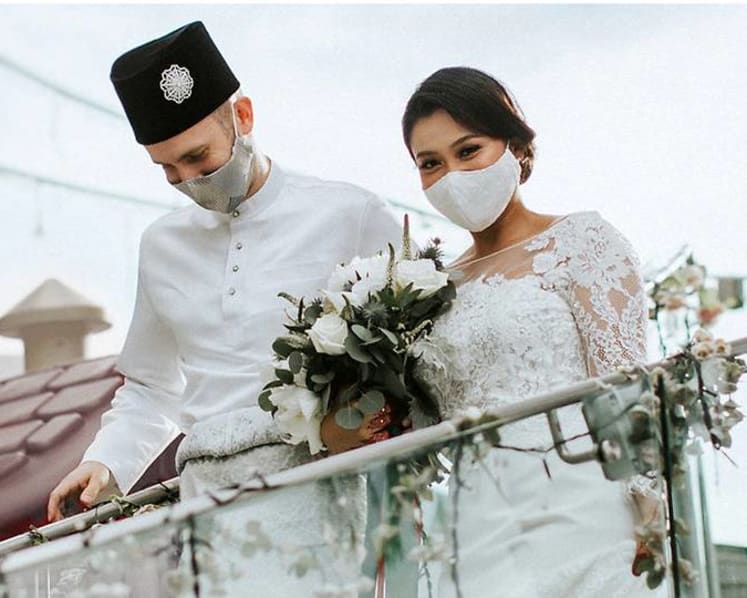
Hotels are also adapting to changing consumer preferences.
Crowne Plaza Changi Airport has expanded beyond its traditional focus on Chinese weddings to cater more actively to Malay and Indian ceremonies. The hotel has more than tripled its partnership and outreach efforts over the past year.
“We've indeed seen that trend of less volume, and maybe a bit more intimate (weddings) to a certain extent,” said general manager Greg Gubiani.
The hotel has partnered with wedding planners to “create a one-stop solution”, and is able to tweak menus and its event spaces to fit a couple’s personal preferences, he added.
It also leverages its location for unique experiences, such as its partnership with Jewel Changi Airport which gives couples access to distinctive photo-taking locations at the Canopy Park. For aviation enthusiasts, rooms with views of aircraft take-offs provide a different wedding experience.
MORE SAVVY GENERATION OF COUPLES
Despite the shift away from lavish celebrations, industry players remain optimistic.
They say the money saved from smaller guest lists and more affordable venues is often redirected towards creating more memorable experiences such as live food stations, photo booths and professional emcees.
At the same time, social media is playing a larger role in spending decisions. Lagun Sari's Ms Ng said demand for photography, videography and social media-focused services has risen in recent years.
“Photography, videography – these are things that they can post on their social pages, so they put more emphasis on these,” she said. “We also see couples getting more vendors that do same-day edits or social media reels for them to post instantly on the spot.”
Mr Tan said he believes today's couples are more informed than ever before, and the challenge for businesses is no longer simply competing on price.
“Couples now are very, very savvy. Before they even reach out to you, they have already done in-depth research about you … read Google reviews about you,” he said.
“Moving forward, for the overall wedding industry, the main thing is really to position yourself in the market so that couples truly see the value that you're offering and they're willing to pay (your) price.”
While wedding budgets may be shrinking, industry players say demand for meaningful celebrations remains strong, provided couples feel they are getting value for money.
“It's not that couples don't want a beautiful wedding anymore,” said Ms Ng. “They are leaning towards a more aesthetic, meaningful and financially sensible kind of wedding.”