







New signalling system to be tested on NSL trains on Tuesday
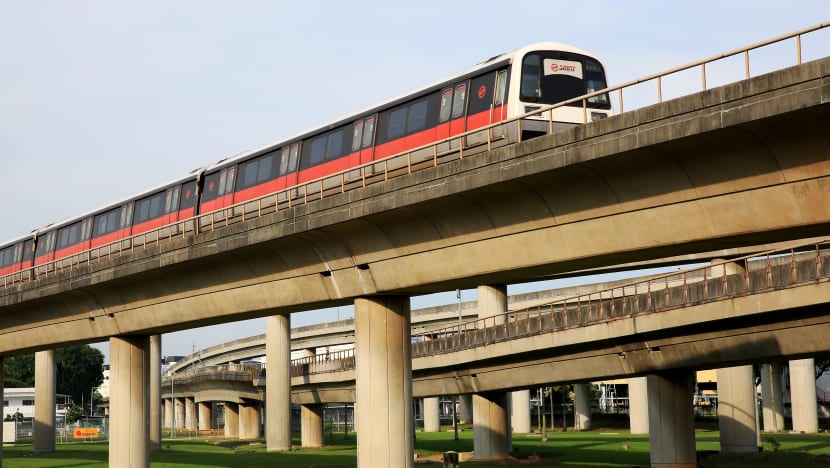
TODAY file photo


SINGAPORE — On Tuesday night (March 28), the North-South Line (NSL) will switch over temporarily to a new signalling system as part of continuing trials, with all trains on the 26-station line halting for around 10 minutes during the final hour of service from about 11pm.
The downtime will allow rail operator SMRT’s operations control centre and train captains to switch the network and trains to the new system, which will then be in use until the end of train services.
The trial will involve more than 30 trains — about half the number of trains that run on the NSL during peak hours. During the last hour of service, passenger numbers are about one-fifth of that during peak hours — which means that hundreds of commuters are expected to be travelling on the NSL during the switchover.
Mr Siu Yow Wee, SMRT’s director of station operations for the North-South and East-West lines, said that most of the trains would be in stations during the switchover, but some would stop between stations. This could happen along the longer stretches of the line, such as between the Yew Tee and Chua Chu Kang stops.
Besides making announcements in the trains and deploying more than 100 employees to stations to assist commuters during the test, SMRT has contingency plans in place, including reverting to the current Fixed Block System if serious problems crop up.
TODAY understands that possible hiccups could include software bugs with the potential to cause the system to malfunction and trains taking longer to depart stations.
Apart from the 10-minute delay, the switchover is not expected to affect commuters significantly and the train’s lights and air-conditioning will function normally.
SMRT’s train captains and operations control centre would monitor the operations and performance of the trains, with commuter safety taking top priority.
On Monday, the Land Transport Authority (LTA) and SMRT said they would start testing the new system progressively during operating hours. Test runs during non-service hours, which began last August, have been completed.
Putting the system through the motions during service hours would take the trial into a real-life environment with commuters on board. It will look at how passengers react to the workings of the new system, for instance. “We’d like to remind commuters not to rush to board the trains, as train doors will open and close automatically on the new signalling system,” Mr Siu said. Under the existing system, train captains control the doors manually.
The results of the trial will help the LTA determine when to roll out tests across longer stretches during service hours and when the NSL will transit completely to the new system, said Mr Tan Yih Long, the LTA’s re-signalling project director.
Commuters whom TODAY spoke to generally shrugged off the additional travelling time required on the NSL tonight but some said they would try to avoid getting caught in the delay.
Equities analyst Zachary Ong, 27, takes a train from his workplace in Raffles Place to his home in Yishun at least thrice a week at about 11pm. He said he would make adjustments to his schedule by heading off earlier or leaving later to catch the last train. Still, he added: “I don’t think (the 10-minute pause makes) a big difference. My timing fluctuates also.”
The new signalling system allows trains to operate at closer intervals: During peak hours, they will arrive within 100 seconds of each other, instead of 120 seconds, easing congestion and making for a faster commute.
Armed with features that provide for greater redundancies in instances of a signal fault, the system will also improve rail reliability, since critical components are duplicated as back-up.
While the re-signalling works on the trains, stations, depots and the operations control centre were completed last year, LTA had previously said it would delay the roll-out — targeted for the end of last year — to run more than 1,300 tests to ensure the system’s reliability before its launch.
The decision to do more tests was also taken on the advice of international metro operators that have carried out similar re-signalling projects, such as those in Taipei and London.




