Singapore monitoring Nipah virus case reported in Bangladesh; no cases here
Ongoing surveillance of bat populations in Singapore has found no evidence of the Nipah virus, the Communicable Diseases Agency says.
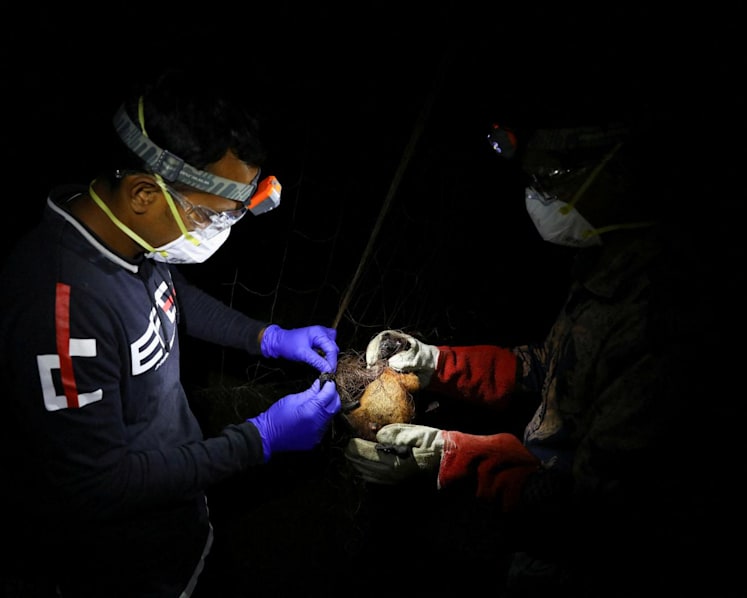
Field lab assistants catch a bat in their net as they collect specimens for their Nipah virus research in the Shuvarampur area of Faridpur, Bangladesh, Sep 14, 2021. (Photo: REUTERS/Mohammad Ponir Hossain)

This audio is generated by an AI tool.
SINGAPORE: Singapore's Communicable Diseases Agency (CDA) said on Saturday (Feb 7) it is closely monitoring a reported case of Nipah virus infection in northwest Bangladesh, adding that no cases linked to those in India and Bangladesh have been detected in Singapore.
The case was reported in Naogaon District in Bangladesh’s Rajshahi Division. The World Health Organization said on Friday that a woman had died in January after contracting the deadly Nipah virus infection. She was said to have a history of consuming raw date palm sap, a known risk factor for Nipah virus infection.
Nipah is endemic in Bangladesh, said CDA, with recurring seasonal outbreaks linked to the consumption of raw date palm sap contaminated by fruit bats.
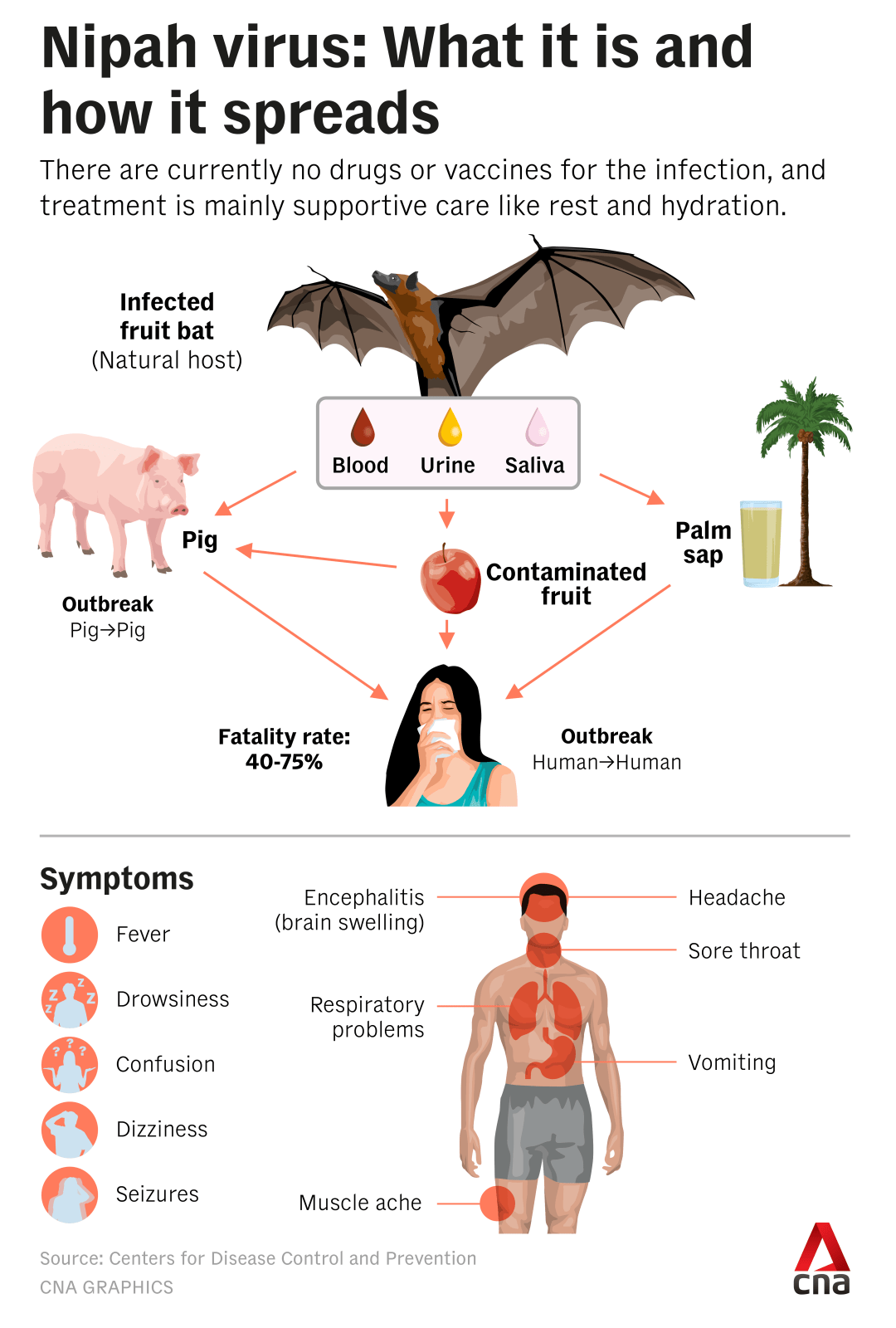
CDA said there is no evidence that the case is linked to recent infections reported in West Bengal, India, or of any human-to-human transmission in Bangladesh. It added that there is also no indication of active community spread in either Bangladesh or West Bengal.
To date, no Nipah virus cases associated with the situations in Bangladesh or India have been detected in Singapore, said CDA. Ongoing bio-surveillance of bat populations here, which has been conducted since 2011, has also not found evidence of the virus.

MEASURES TAKEN BY SINGAPORE
Singapore has progressively stepped up precautionary measures since Jan 28.
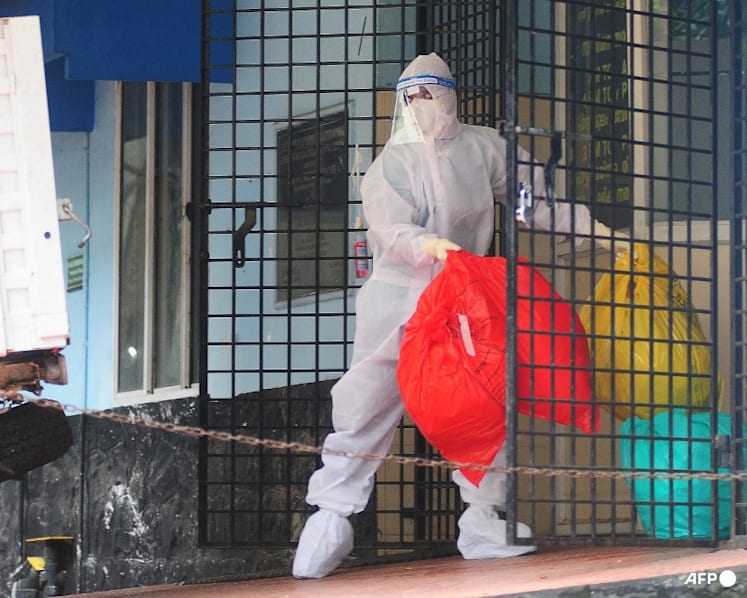
These include requiring medical practitioners and laboratories to immediately notify CDA of confirmed or suspected cases, and alerting doctors to be vigilant for patients with compatible symptoms and recent travel history to affected areas.
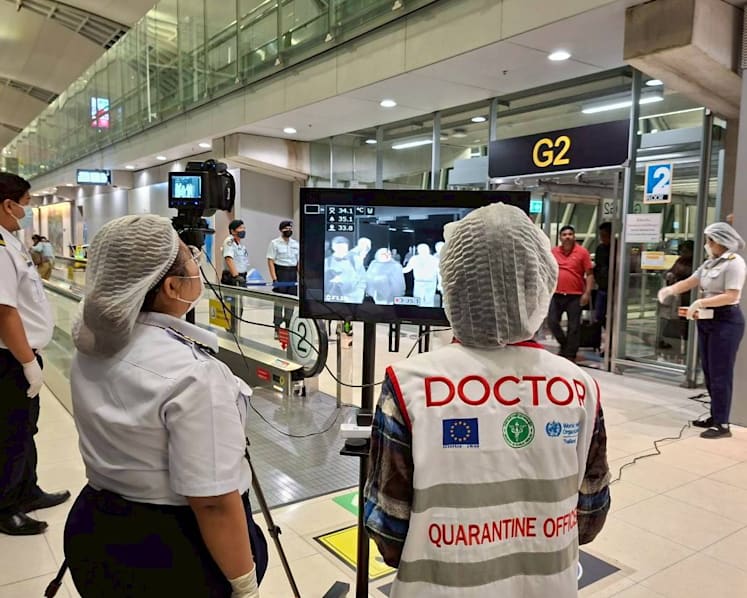
Temperature screening has been implemented at air and sea checkpoints for arrivals from affected areas in India, while health advisories are being issued to travellers.
Singapore’s arrival health declarations have also been adjusted to include Nipah virus, and surveillance of newly arrived migrant workers from South Asia has been enhanced.
CDA on Saturday reiterated its advice for travellers to affected areas to avoid food and drinks that may be contaminated by bats, such as raw date palm sap and fruit found on the ground.
The agency also advised travellers to avoid direct contact with sick individuals and animals, especially bats and pigs, as well as bat roosting areas.
CDA said it will continue to monitor the global situation and adjust public health measures when necessary.