Over 500 ex-residents gather to bid ‘flatted kampung’ farewell
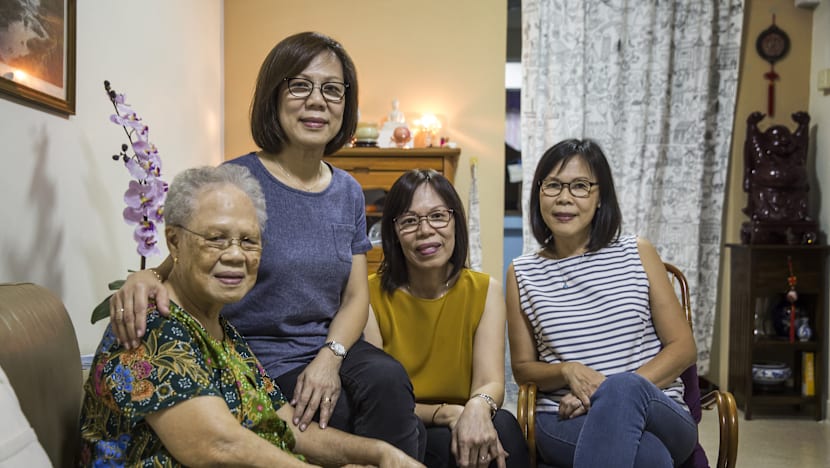
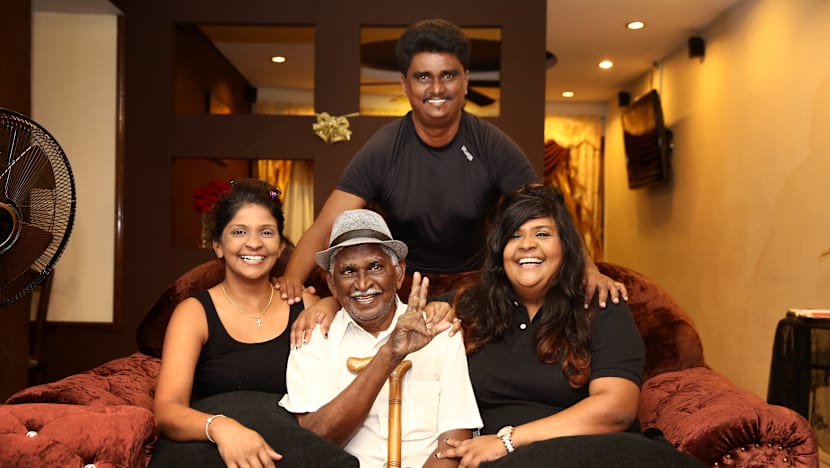
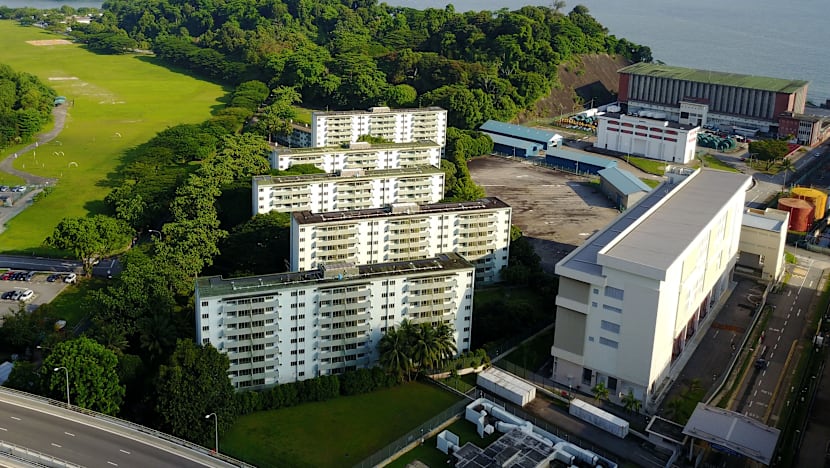
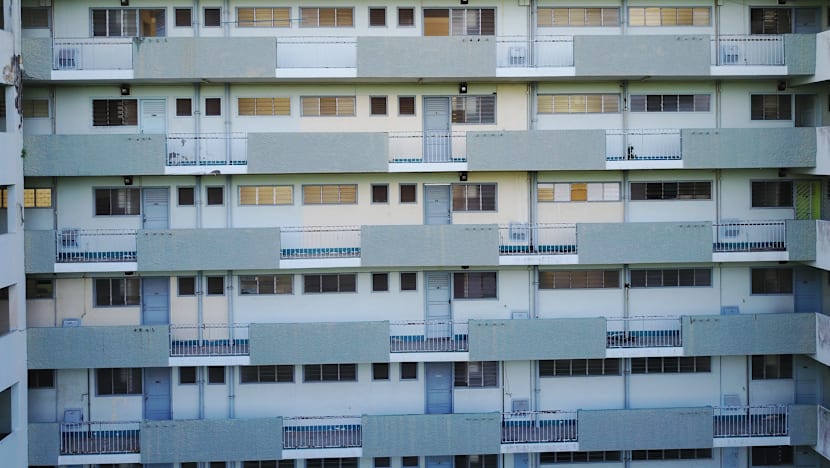
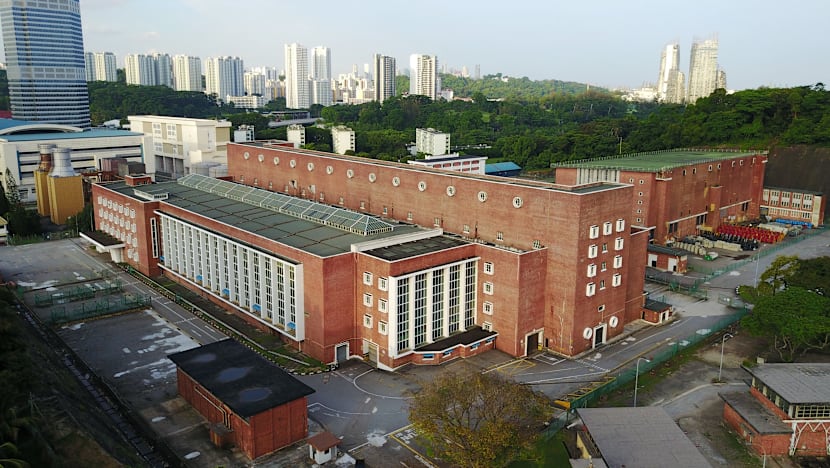
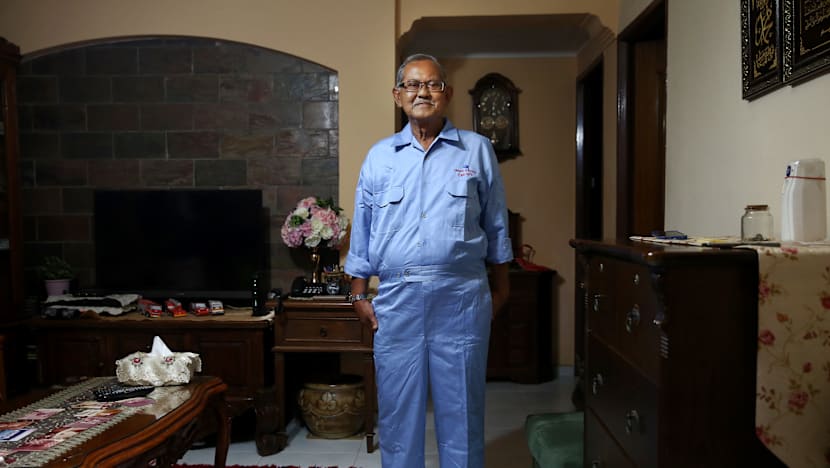
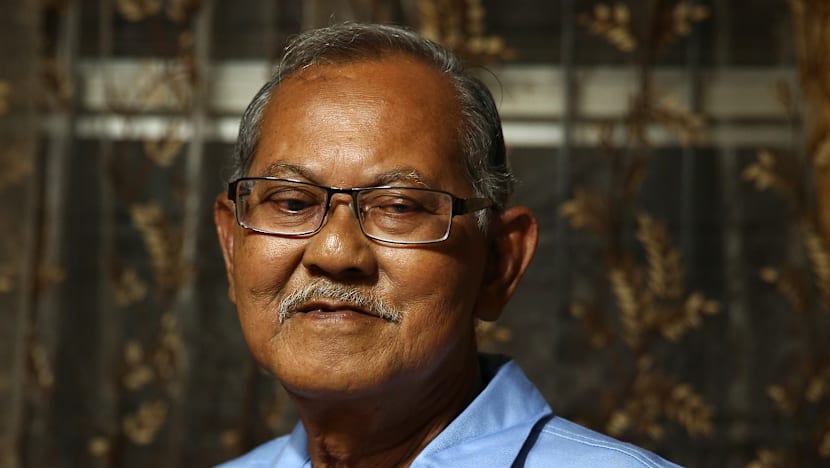
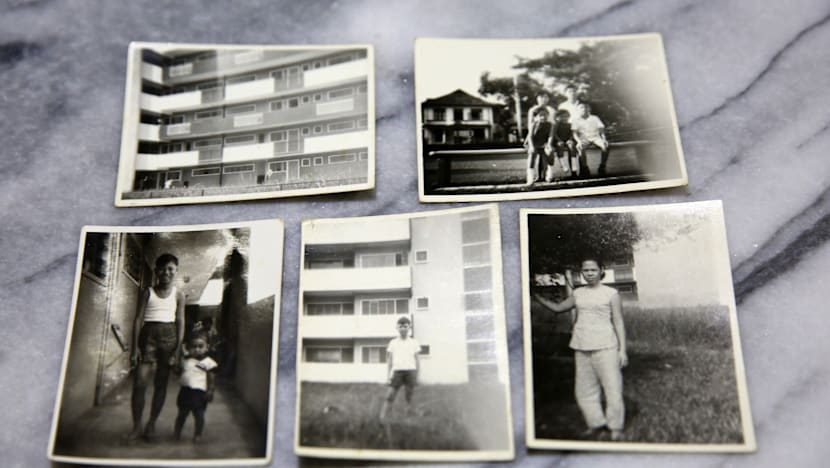
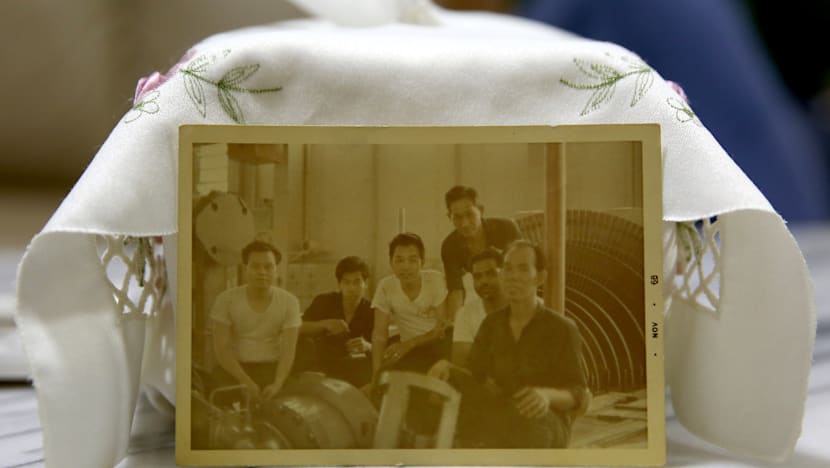
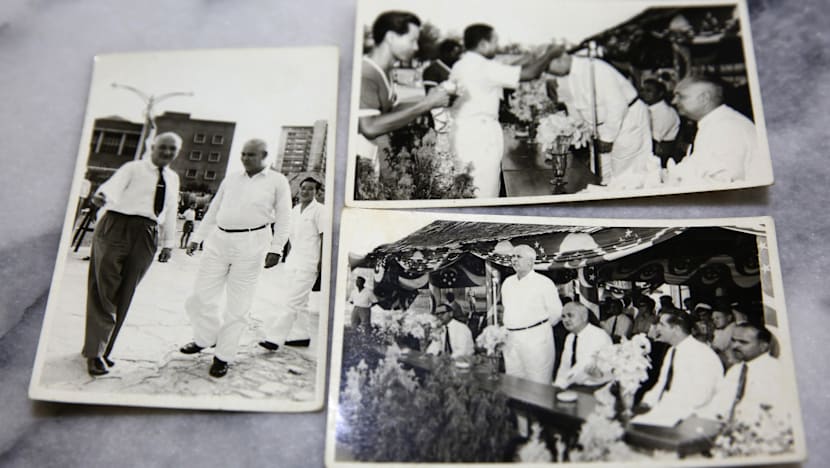
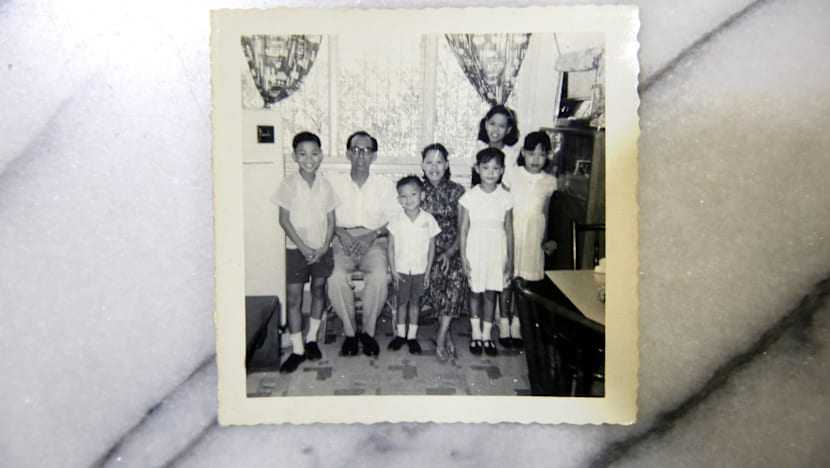


SINGAPORE — He needed to spread the word fast to his old neighbours scattered all over the island: Their beloved “flatted kampung” in Pasir Panjang which they vacated more than 30 years ago would be demolished soon, and they should get together to bid it farewell.
So, Mr Morhan Karup sent an SMS to 10 of them on May 1, confident that the message would be passed from one former resident of the workers’ quarters of Pasir Panjang Power Station to another.
Indeed, the message travelled so fast that in three weeks, more than 450 people from about 70 families had indicated their interest in a final reunion.
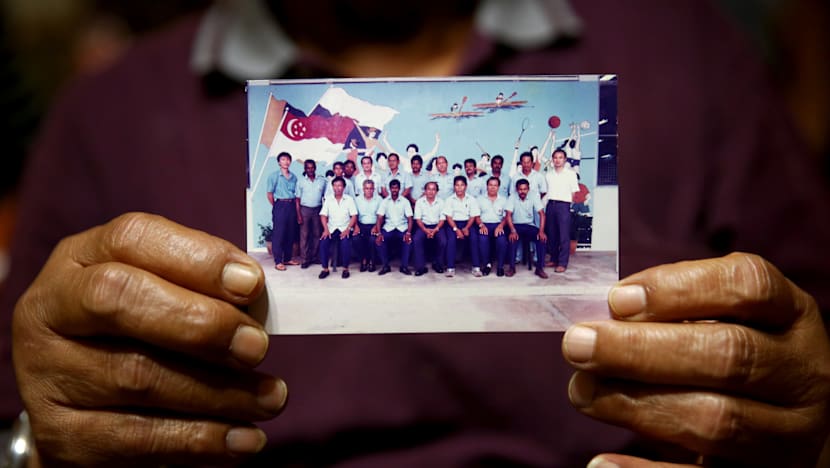
On Sunday (May 28), more than 500 former neighbours turned up at the workers’ quarters where many had spent some of the best years of their lives.





The turnout was much larger than their reunion in 2014, when about 300 people from 40 families got together at NTU Alumni Club in one-north, said Mr Karup, 56. He had lived in the quarters for 15 years as his father worked as a boiler cleaner.
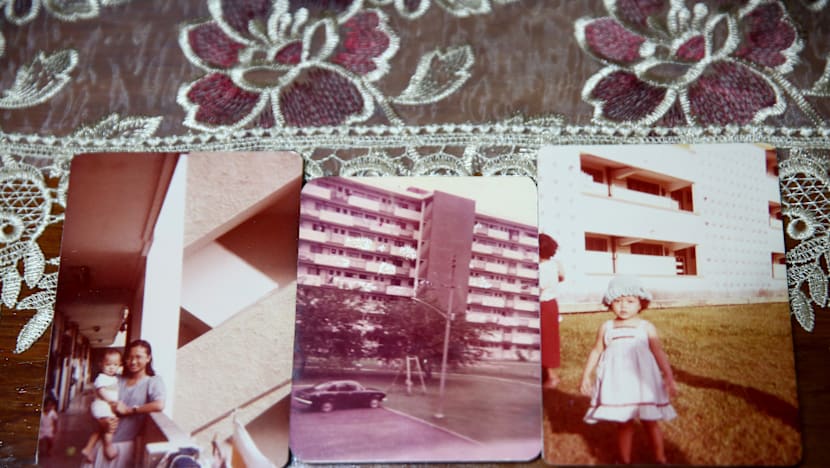
At the power station’s heyday between the late 1960s and 1970s, about 300 daily-wage workers and their families were given low-cost housing at 10 blocks on site to generate power round the clock. Gas turbines there could produce about 200,000 kilowatts to power Singapore’s homes.
The families started moving out in the 1980s when larger power plants in Jurong, Seraya and Senoko were built. The Pasir Panjang Power Station was eventually decommissioned in 1987.
While its former residents left the workers’ quarters long ago, their memories of the strong neighbourly bonds forged there remain very much alive.
The families were not well-off — their breadwinners were blue-collar workers, earning no more than S$12 a day as boiler cleaners or turbine operators. But because they did not have much, the neighbours shared almost everything — television time, food, clothes and shoes included.
“Sometimes, when we needed to go out for occasions like weddings, we used to borrow shoes or T-shirts from neighbours. Girls would lend one another their sandals or skirts,” said Mr Ramlan Omar, 48, adding that this was possible because everyone treated one another as siblings.
“Most neighbours were like family to us,” said Mr Ramlan, who lived at the quarters for 13 years from 1971.
He recalled how he would often get chapatis from his Sikh neighbour on days when his family could not afford to have more than a meal a day.
“I would say: ‘Bibi (auntie in Punjabi), I want a chapati’. She would prepare some and inform me when they were ready to be picked up,” he said. A neighbour, whom he called “Acchi” (Tamil for aunty), would also cook extra fish curry to share it with his family.
Neighbours also had an open-door policy, where anybody could walk into anyone’s flat and sit in the hall, while children often slept at the homes of the friends they played and studied with.
Those who did not fancy their mothers’ cooking could even help themselves to their neighbours’ spread, former residents told TODAY.
Mr Surjit Singh Dhillon, 49, who spent the first 10 years of his life at the workers’ quarters, said: “Sometimes, my mum would cook the typical Punjabi vegetarian dish, like daal and roti. I didn’t want to eat that as a kid, so I would head a level up to have the ‘sedap makan’ (yummy food in Malay) at my Malay neighbour’s house.”
Former residents recalled how, as children, they would look out for one another to ensure that nobody got into trouble.
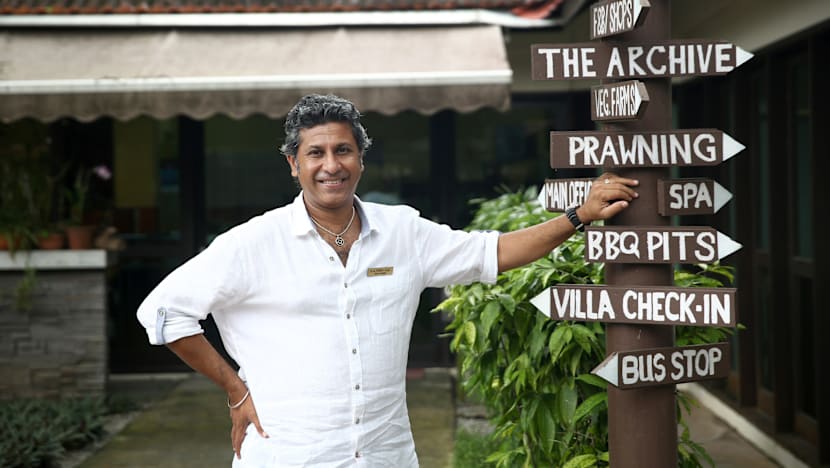
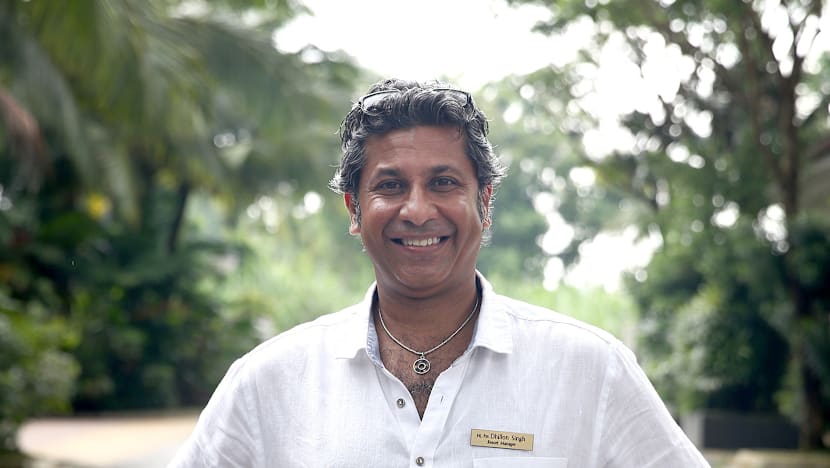
“At 4pm, the (sound of the) steam whistle meant the fathers or grandfathers were coming back home. If you were downstairs playing and were supposed to be home, you ran. You would see a whole school of bicycles scattering back to the flats from the field,” said Mr Singh, a manager at D’Kranji Farm Resort.
As most residents there were Tamils and Malays, Mr Singh said he particularly enjoyed festivals such as Hari Raya and Deepavali, when he could “go to anybody’s house to get 5 cents, 10 cents” that the older residents would give as part of the celebrations.
“Those days, they didn’t have a lot of money, and yet they shared. Today, you have all the disposable income but nobody shares,” he said.
He added that since moving to a condominium in Upper Bukit Timah four years ago, he has not had the chance to greet his neighbours more than 20 times. “In Pasir Panjang, we used to know whose dog or cat it was, whose grandmother was coming. Even when outsiders visited, we knew which house to send them to.”
Mr Singh’s grandfather, father and uncle worked at the Pasir Panjang Power Station. His grandfather who came from Amritsar, India, was a boiler operator, who moved into the quarters in 1956. His father was a side clerk, while his uncle was a machinist.
Since his grandfather owned a black-and-white television, his flat would be the centre of attraction on days when good Hindi or Tamil movies were shown. “Neighbours — Chinese, Indian, Malay — would be standing by the window, sitting in our living room,” said Mr Singh, adding that that was how everyone got to know about Bollywood star Amitabh Bachchan.
Mr Pharaz Benjamin, 59, who was 13 when he moved in, would be one of those visitors to his neighbour’s eighth-floor flat. Even when there was no movie, Mr Benjamin, who lived on the sixth floor, said he could simply walk into the house and ask his neighbour for permission to switch on the television. “They would let me, and even make me coffee,” he added.
Ms Jane Choi, 59, who lived there between 1956 and 1970, recalled the quarters’ lunchtime siren that acted as a signal for mothers to get ready for the returning breadwinners.
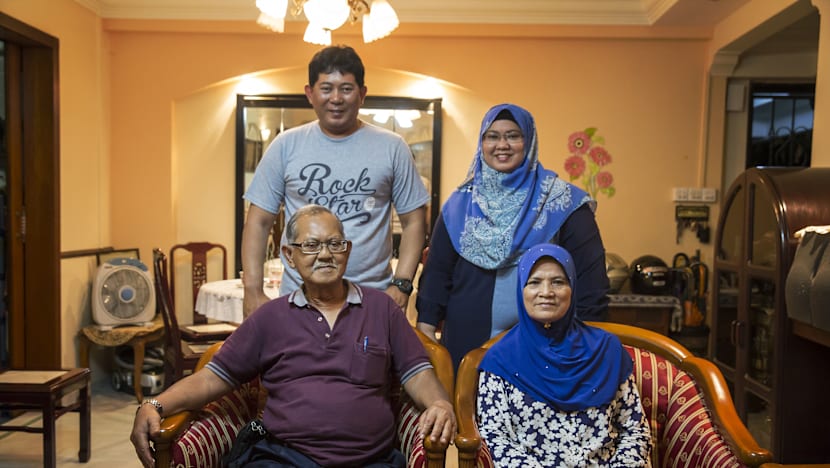
Shift workers who were not allowed to leave the power station for lunch would receive food from their children through a fence, said Ms Juraida Omar, 50, Mr Ramlan’s elder sister. She was one of those 40-over children handing lunches to their fathers by using one of several stools placed near the fence, said her father, Mr Omar Wahab, 71.
“If I didn’t have food at work or have a shortage of money, I could approach my friend,” he said.
The turbine operator, who earned S$8 a day, added that the trust with his neighbours was built through daily acts of kindness. This included sharing the load of seafood — fishes, shrimps and crabs — that he had picked up from a strainer near the power station’s pump house, where he was stationed.
“Whatever (seafood) I picked up, I would distribute to neighbours. We didn’t eat alone,” said Mr Omar, now a security officer.
To supplement their household incomes, many families sold food or tidbits: Air batu (ice pops), satay, rojak, curry puffs and home-fried banana chips. Children loved the five-cent “tikam tikam” sold by Ms Choi’s family at the ground floor of Block C.
Her mother, Mdm Chia Swee Heng, would make frequent bus trips to Chinatown to buy tidbits and “tikam tikam” in bulk.
Ms Choi, whose father worked as a fitter at the power station, remembers tending her makeshift stall by the door of her flat.
“A lot of children with a five-cent coin would come to the stall and stand there for so long until (my sisters and I became) fed up and scolded them,” said Ms Choi who works at Bollywood Veggies farm.
Mr Omar’s house on the second floor of Block A was also famous for selling 10-cent ice pops and S$1 banana crackers. Below him lived a Malay family who was famous for their rojak.
“That was a flatted kampung. In the kampung, everybody got together, did things together,” said Mr Benjamin’s sister, Florence, 47. “The only things we lacked were chickens and cows. Other than that, we had everything (a kampung has) there,” said the woman, who was only a year old when she moved into the quarters.
Mr Benjamin added: “I got from Pasir Panjang Power Station the definition of what good neighbours are.”