







Parliament mulls curbs on property management committees to rein in ugly spats
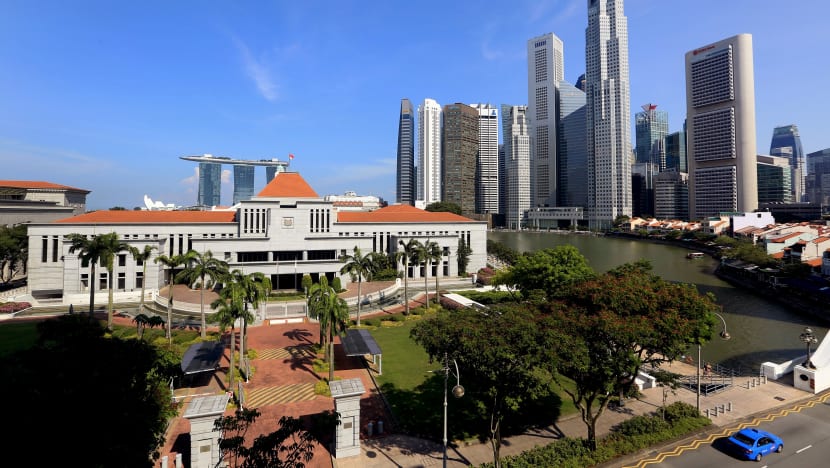
TODAY file photo


SINGAPORE — Amid nagging complaints of abuse of power by management committees of strata-titled properties, a series of curbs was tabled in Parliament on Tuesday (Aug 1), including limiting the use of proxies to gain control of management.
If passed, this set of 57 proposed changes, which comes after a review spanning more than five years and would mark the first revision to the Building Maintenance and Strata Management Act since it came into force in 2005, will spell greater transparency and regulation in what is now a relatively laissez-faire industry.
Chief among the amendments is a cap on the total number of proxy votes one can hold at annual general meetings — to either 2 per cent of the total number of lots in the development or two lots, whichever is higher — to curb proxy wars where owners garner hundreds of votes to push their agenda.
Currently, there is no restriction on the number of proxies one can hold, leading to ugly spats at some properties. For instance, an uproar ensued at Mandarin Gardens in 2008 when an en-bloc sales committee collected enough proxy votes to push through resolutions deemed unfavourable to the estate, such as to slash the management council’s limit for expenses on urgent matters from S$300,000 to S$50,000.





In 2013, it was reported that waterfront condominium The Sail @ Marina Bay convened an extraordinary general meeting to remove three property agents who had elected themselves as council members and allegedly misused their powers to further their careers. Their bid failed, as the trio collectively held more than 60 per cent of the proxy votes.
During public consultations on the proposed legislative changes, some had called for the cap to be lower than the 2 per cent proposed, or for proxy holders to be residents or related to owners in the estate. Some also wanted the proxy system scrapped.
The Building and Construction Authority (BCA) decided on the proposed limits so that residents who cannot attend general meetings can “still have their interest or decision represented”. But it proposed a safeguard in response: Both proxy giver and holder must sign consent forms to ensure transparency.
Other proposed changes in the Bill include barring double-hatting in management committees — commonly known as Management Corporation Strata Title, or MCSTs. This means the treasurer, for instance, cannot concurrently hold the office of chairperson and/or secretary. MCSTs with 10 or fewer lots will be exempted from this rule.
Currently, almost 10 per cent of MCSTs, or 305 out of 3,400, have office-bearers wearing multiple hats.
One proposed amendment will also forbid MCSTs from preventing owners from installing safety fixtures, such as grilles or awnings to protect children. But if a dispute arises, the owners will still have to lodge a complaint with the Strata Titles Board, which mediates in disputes involving unit owners and management councils.
There have been recent cases of management councils forbidding owners from carrying out such installations on the basis that it would “affect the building’s appearance”. In January 2015, the STB ruled in favour of a family that was twice refused permission to install a grille in the balcony of their 13th-level unit in One North Residences, located at 7 One-North Gateway, after seeing their four-year-old daughter try to climb over it. Among other things, the MCST argued that the grilles would not keep up the building’s appearance, as stipulated under its by-laws, and would obstruct the maintenance of a glass wall.
But the board found that the “children’s safety must be paramount, even if the grilles may affect the appearance of the building”.
The amendments also require developers to get approval from the Commissioner of Buildings for maintenance charges, and to present them upfront to prospective buyers. Should there be a need to increase these charges, developers must seek all buyers’ consent before revision.
They must also ensure that funds transferred to the MCSTs at the end stage of a new real estate development are in surplus, an amendment that supportive stakeholders felt “would protect subsidiary proprietors and encourage developers to be more mindful of expected expenses when proposing ... maintenance charges”.
Other amendments include requirements for council nominees to give their consent prior to an election and giving the Commissioner’s power to appoint an independent official to manage the MCST during an “emergency or critical situation”.




