Vegetable, seafood farm productivity up in 2025 as Singapore bolsters food resilience
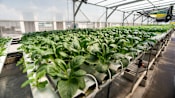
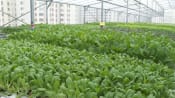
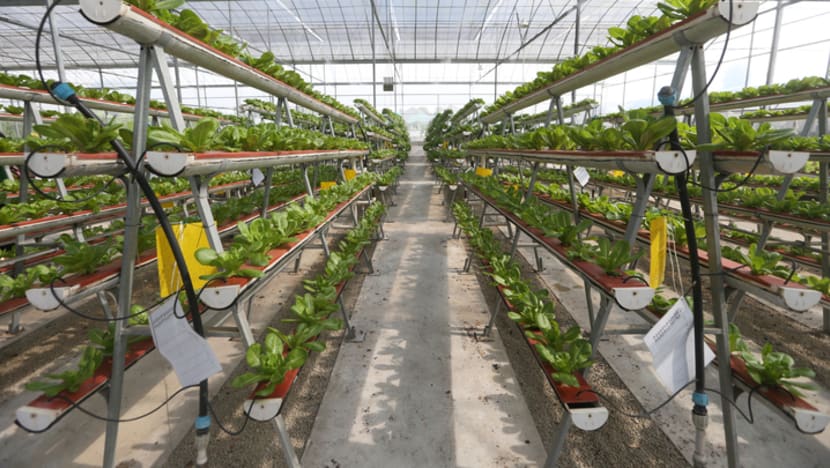
Vegetable farm productivity rose 10 per cent in 2025, while seafood farm productivity jumped 27 per cent.

This audio is generated by an AI tool.
SINGAPORE: Vegetable and seafood farms in Singapore were more productive in 2025 compared to the previous year, as the country continues to push ahead with efforts to diversify food imports and strengthen food resilience.
Vegetable farm productivity rose 10 per cent in 2025, while seafood farm productivity jumped 27 per cent, according to the Singapore Food Agency's (SFA) latest food statistics report, which was released on Friday (May 8).
In a Facebook post on Friday, Minister for Sustainability and the Environment Grace Fu said the numbers reflected the "hard work of our farmers, and industry partners, working in partnership with government agencies".
"Our local farms are producing more and doing it better ... the government will continue to support the growth of the agri-food sector through various initiatives," Ms Fu added.





Despite the gains in local farm productivity, the supply of some food items dipped in 2025.
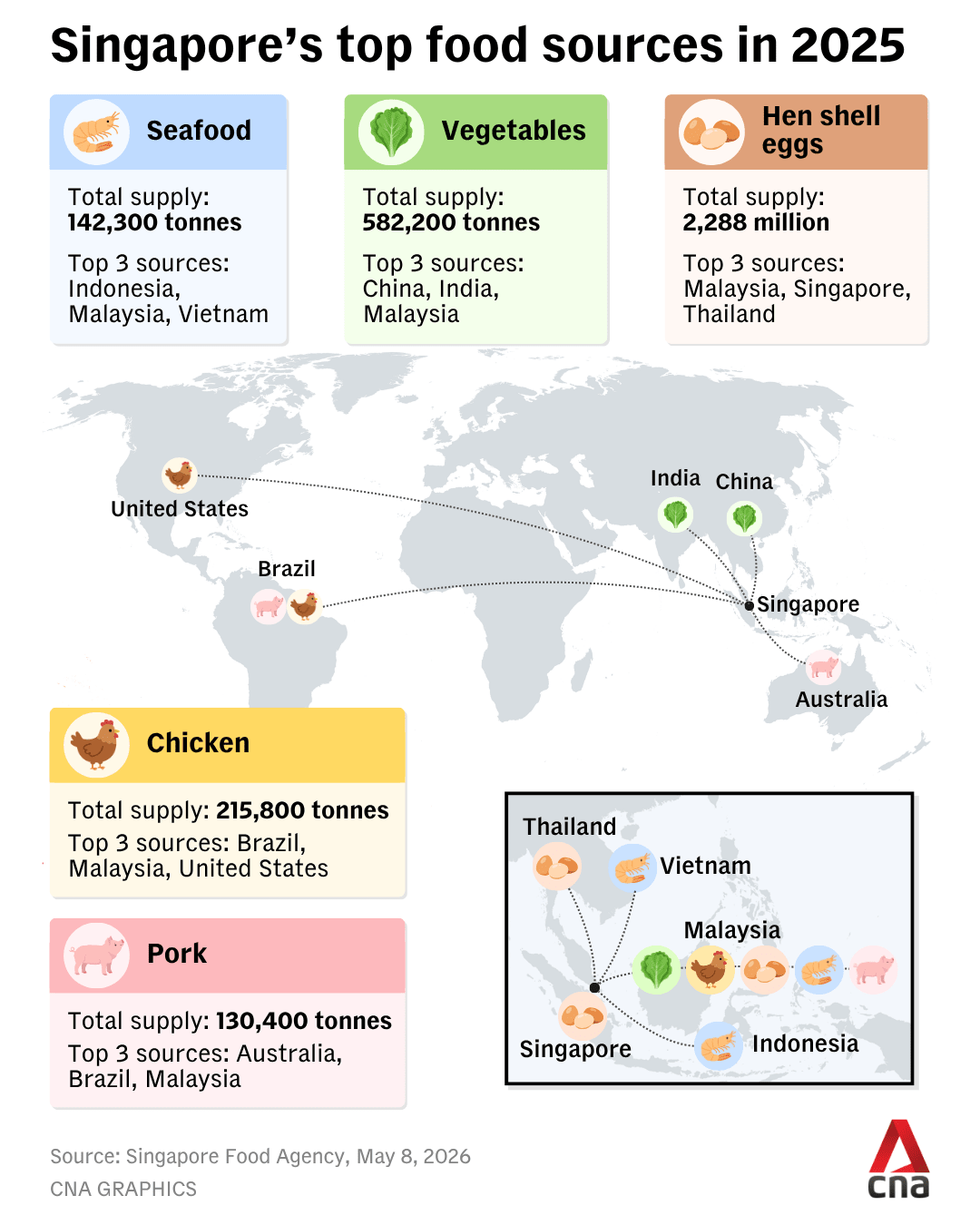
Supply of chicken dropped by close to 4 per cent, from 224,000 tonnes in 2024 to 215,800 tonnes in 2025, while pork supply fell by around 2.4 per cent, from 133,600 tonnes to 130,400 tonnes.
Vegetable supply also dipped slightly by about 0.2 per cent, from 583,200 tonnes in 2024 to 582,200 tonnes in 2025.
There was a rise in the supply of hen shell eggs and seafood, though, with both increasing by about 1.2 per cent and 6.5 per cent respectively.
In response to CNA queries, SFA said the change in supply, which is to meet Singapore's demand, may "fluctuate year on year to reflect market conditions, including the changing dietary preferences by consumers".
SFA's latest report comes after the government introduced Singapore Food Story 2, its refreshed food resilience strategy.
Announced in November 2025, one of its main targets is for local farms to supply 20 per cent of the local consumption of fibre and 30 per cent of the local consumption of protein by 2035.
According to the report, Singapore's local agri-food sector contributed about 8 per cent of local fibre consumption and 25 per cent of local protein consumption.
"While the percentage contribution of fibre and protein has remained relatively stable over the past three years, fibre production is projected to increase with new capability and capacity from successful land tenderers and improved productivity across existing farms," SFA said.
The agency also approved new sources of shell eggs, processed eggs, poultry, pork and beef, as part of the country's plan to diversify its food sources to strengthen resilience against disruptions.
Some of the new sources include Lithuania for shell eggs and Greece and Paraguay for poultry, pork and beef.
"Singapore's food story is our journey of building food resilience through continual effort and forward planning," Ms Fu said.
She added that Singapore now sources food from over 180 countries and regions, up from about 140 two decades ago.
"Diversification is key as it gives us options and flexibility when disruptions hit."
But building food resilience was not "just about what we grow or where we buy", Ms Fu added. “It’s also about the relationships we build.”
On that, she brought up the Memorandum of Cooperation on Food Security that Singapore signed with Cambodia in April, to strengthen bilateral rice trade.
Ms Fu also noted that Singapore, together with its ASEAN neighbours, had adopted a statement on safeguarding food security and agricultural supply chains, due to "global uncertainties, including the evolving situation in the Middle East weighing on global food supply chains".