







Silver generation key to easing labour crunch and driving growth in Singapore: Experts
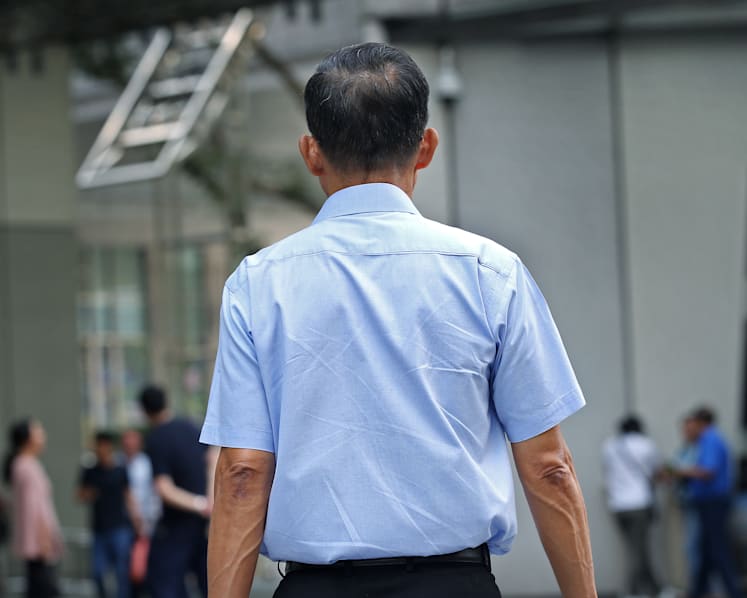
With Singapore’s total fertility rate falling to a record low of 0.87 and one in four citizens expected to be aged 65 and above by 2030, the country is facing a looming labour crunch.

This audio is generated by an AI tool.






SINGAPORE: Singapore’s rapidly ageing population could become a powerful engine of growth – if the country can better tap the potential of its seniors as both workers and consumers.
This comes as the country faces a looming labour crunch, with the total fertility rate sinking to a record low of 0.87 and one in four citizens expected to be aged 65 and above by 2030.
A smaller working-age population will have to support a growing number of seniors, raising concerns over manpower shortages and economic sustainability.
MAKING WORKPLACES AGE-FRIENDLY
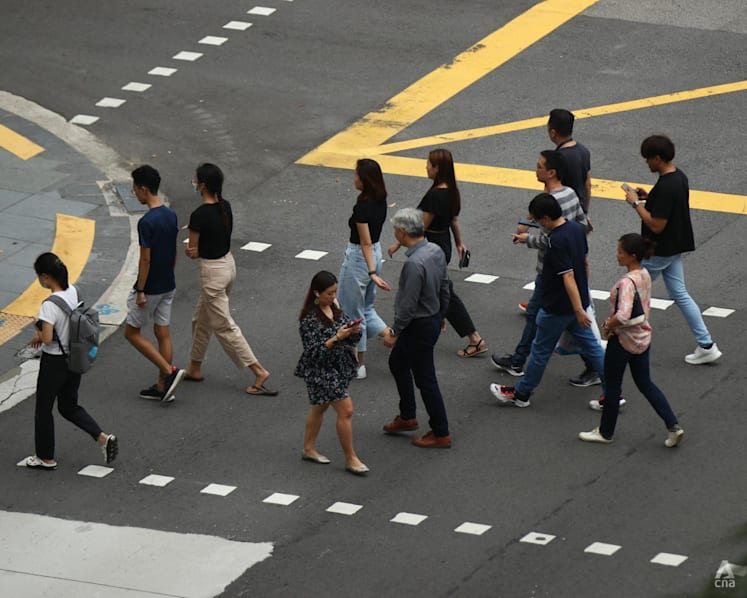
While artificial intelligence and automation may ease some labour shortages, there remains untapped potential among seniors who are willing and able to continue working.





But this requires a mindset shift, particularly in addressing ageism in hiring, experts told CNA.
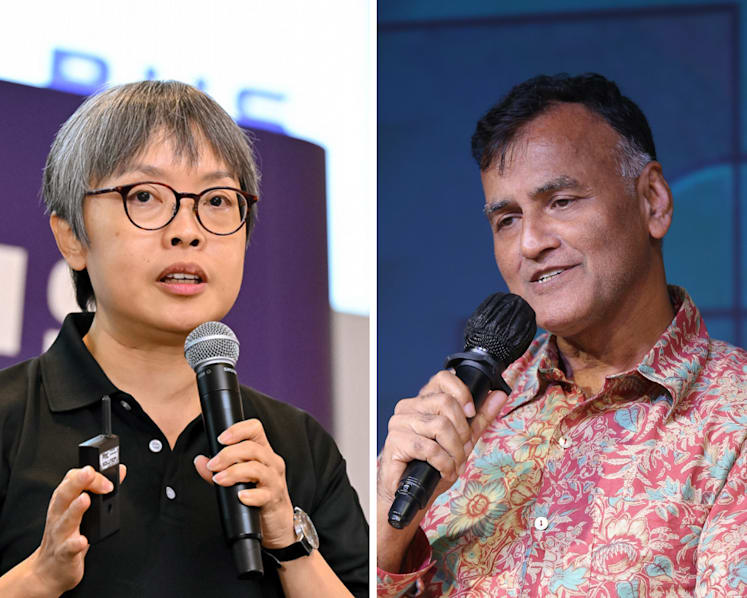
“Companies need to make sure that seniors, older people feel wanted,” said Ms Janice Chia, founder and managing director of social enterprise Ageing Asia.
“One of the biggest conversations today by seniors coming to us is that they don't feel that they can get employment that suits their abilities,” she added.
“They find that the rejection rate is higher than the acceptance rate, and the rejection rate is due to ageism – it's not due to their abilities.”
Experts say boosting workforce participation among those aged 60 and above will also depend on redesigning jobs and workplaces.
“We need help to learn how to attract older adults to stay in the labour force, because we need them,” said sociology professor Paulin Straughan of the Singapore Management University (SMU).
“This includes flexi-work options. We need to rethink work and not assume that everybody in the labour force should work the same way.”
She added that technology can also play a role in making workplaces more age-friendly.
“Just because somebody is older, slower and may not be so flexible in their movements doesn't mean that they cannot contribute otherwise,” she said.
GROWING CONSUMER SEGMENT
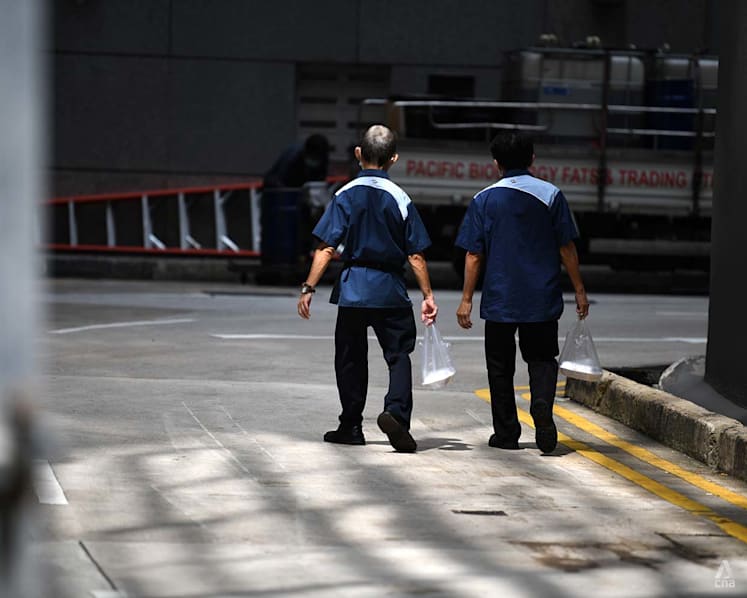
Beyond filling workforce gaps, older adults also represent a significant and growing consumer segment that could reshape the economy in the years ahead.
This expanding pool of seniors is expected to fuel demand beyond healthcare, spanning retail, services and lifestyle offerings.
According to a recent Asia-Pacific Silver Economy report, this could bring in more than US$122 billion to Singapore by 2030.
But Ms Chia noted that many companies are not yet prepared to capture this opportunity, as they have not developed products and services tailored to older consumers.
“Companies need to get more personalised. They need to develop more niche services,” she said.
“It takes time to research the market to understand what older people truly want.”
Businesses need to move beyond viewing the silver economy purely as a care sector, and instead develop products and services that support fulfilling ageing, she added.
TURNING RESEARCH INTO ACTION
As Singapore looks to better harness these opportunities, efforts are underway to translate research into practice.
A new institute launched by SMU on Tuesday (Apr 14) aims to reshape jobs, retirement and support systems in response to longer lifespans.
Backed by a S$10 million (US$7.9 million) fund, the Longevity Societies and Economies Institute will work with government agencies, businesses and community groups to shape policies and solutions – ranging from flexible work models to new financing approaches.
Dr Cheong Wei Yang, interim co-director of the institute, said the goal is to bridge research and real-world implementation.
“They have things they are trying to implement, and that's actually data for us to do research on,” he added.
“With that data and the research that we then do, we inform them to then maybe change the way they implement, change the way they actually think about policies.”
Speaking at the launch, Minister in the Prime Minister's Office Indranee Rajah noted the traditional three-stage model of education, work and retirement may no longer apply, as people move through multiple phases of learning, caregiving and employment.
For instance, a person may step away from work to care for young children or ageing parents, and later return, she added.
BUILDING A LONGEVITY SOCIETY
“In effect, we need to prepare for a ‘longevity’ society, not an ageing population,” said Ms Indranee.
She added that as the institute develops, “there will be scope to explore new business and financing models, strengthen regulatory frameworks, and address governance considerations such as privacy, cybersecurity, and societal acceptance”.
To kickstart its efforts, the institute has established partnerships with five stakeholders in the government, community and private sectors. These are Workforce Singapore, the Agency for Integrated Care, Singlife, Lions Befrienders and St Luke’s ElderCare.
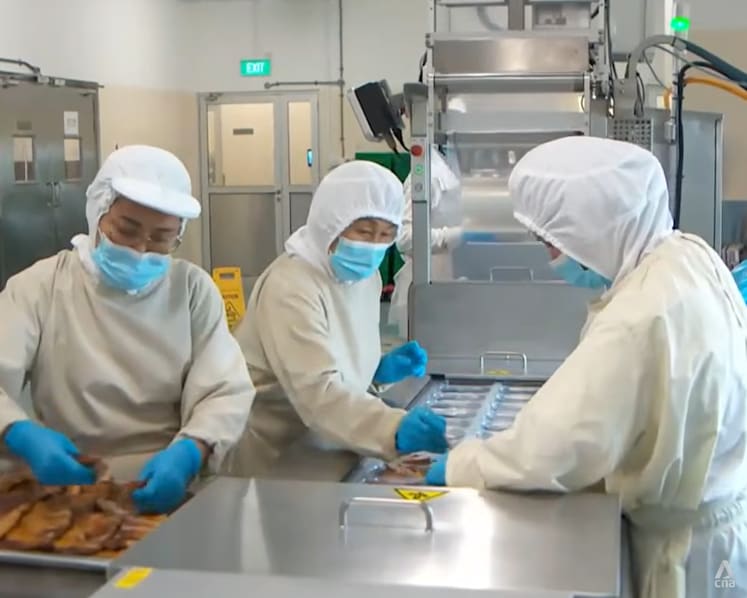
A key focus will be rethinking how people work as they live longer, including creating more flexible and meaningful roles beyond traditional full-time jobs.
“The way we use our human resources has to be more creative than that,” said Prof Straughan, who is also interim co-director of the institute.
“It has to be a process where we can work for as long as we want to or as long as we need to.”




