







Wolbachia mosquitoes to be released at 4 more sites, including Bedok and Marsiling, to curb dengue
This will bring the total Wolbachia coverage in Singapore to 660,000 households, the National Environment Agency (NEA) said.
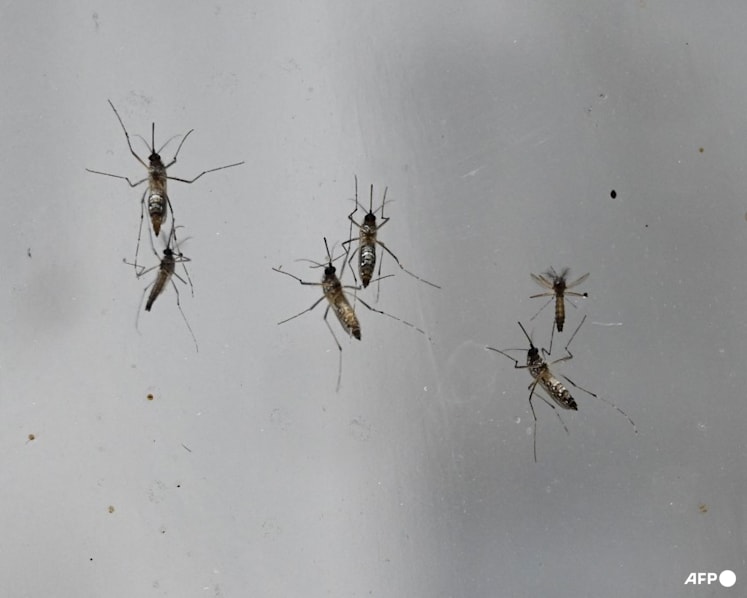
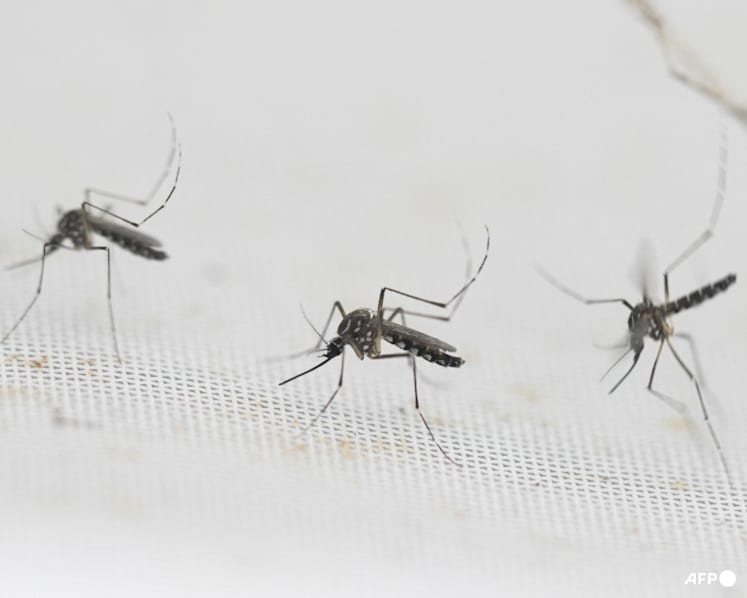
The female and male Wolbachia-carrying mosquitoes are seen mating in an enclosure at the National Environmental Agency (NEA) mosquito production facility on Dec 2, 2019. (File photo: AFP/Roslan Rahman)

This audio is generated by an AI tool.


SINGAPORE: Male Wolbachia-carrying Aedes aegypti mosquitoes will be released at four additional sites across Singapore next month to help combat dengue, Senior Minister of State for Sustainability and the Environment Janil Puthucheary said on Monday (Nov 24).
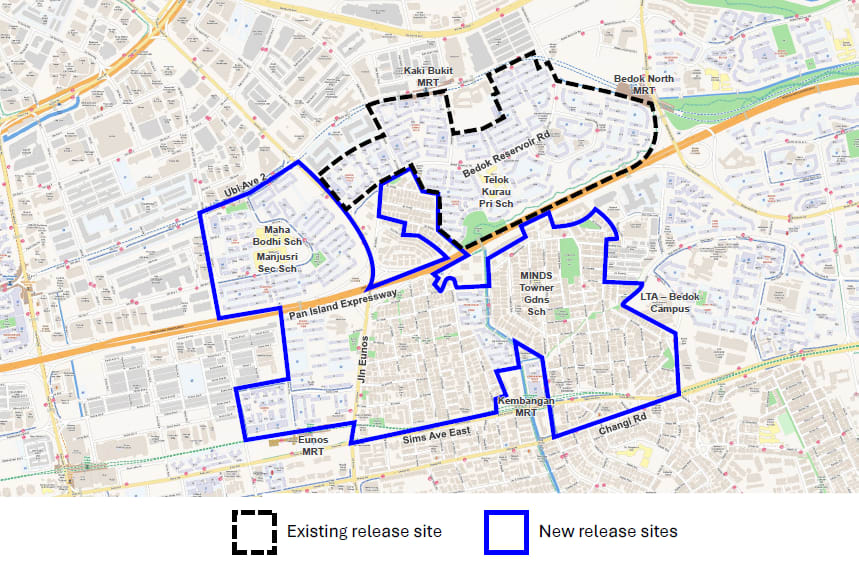
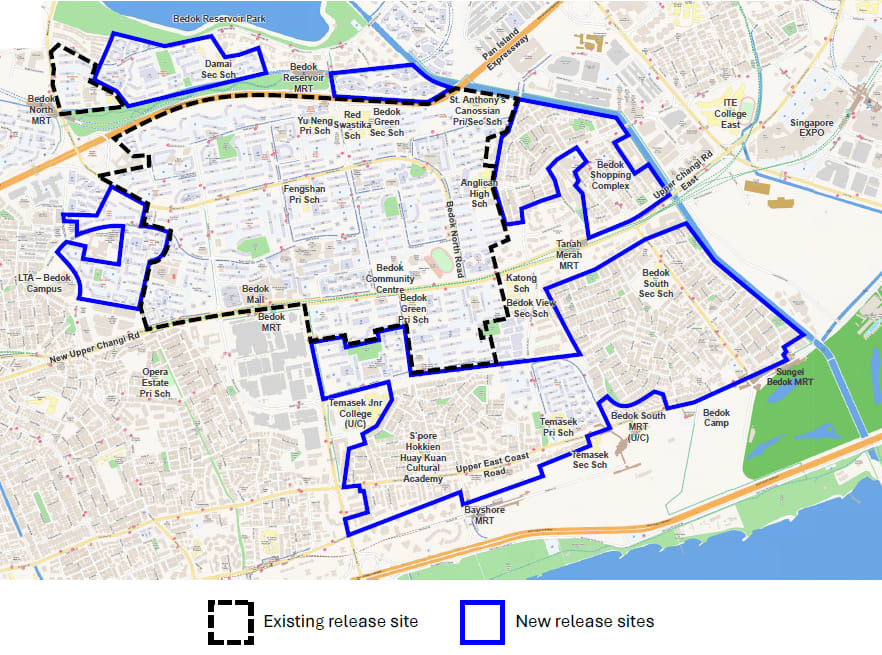
From Dec 16, Project Wolbachia will expand to cover Marsiling and more areas of Woodlands and Kaki Bukit–Kembangan, followed by more areas of Bedok from Dec 17.
This will bring the total Wolbachia coverage in Singapore to 660,000 households, the National Environment Agency (NEA) said.
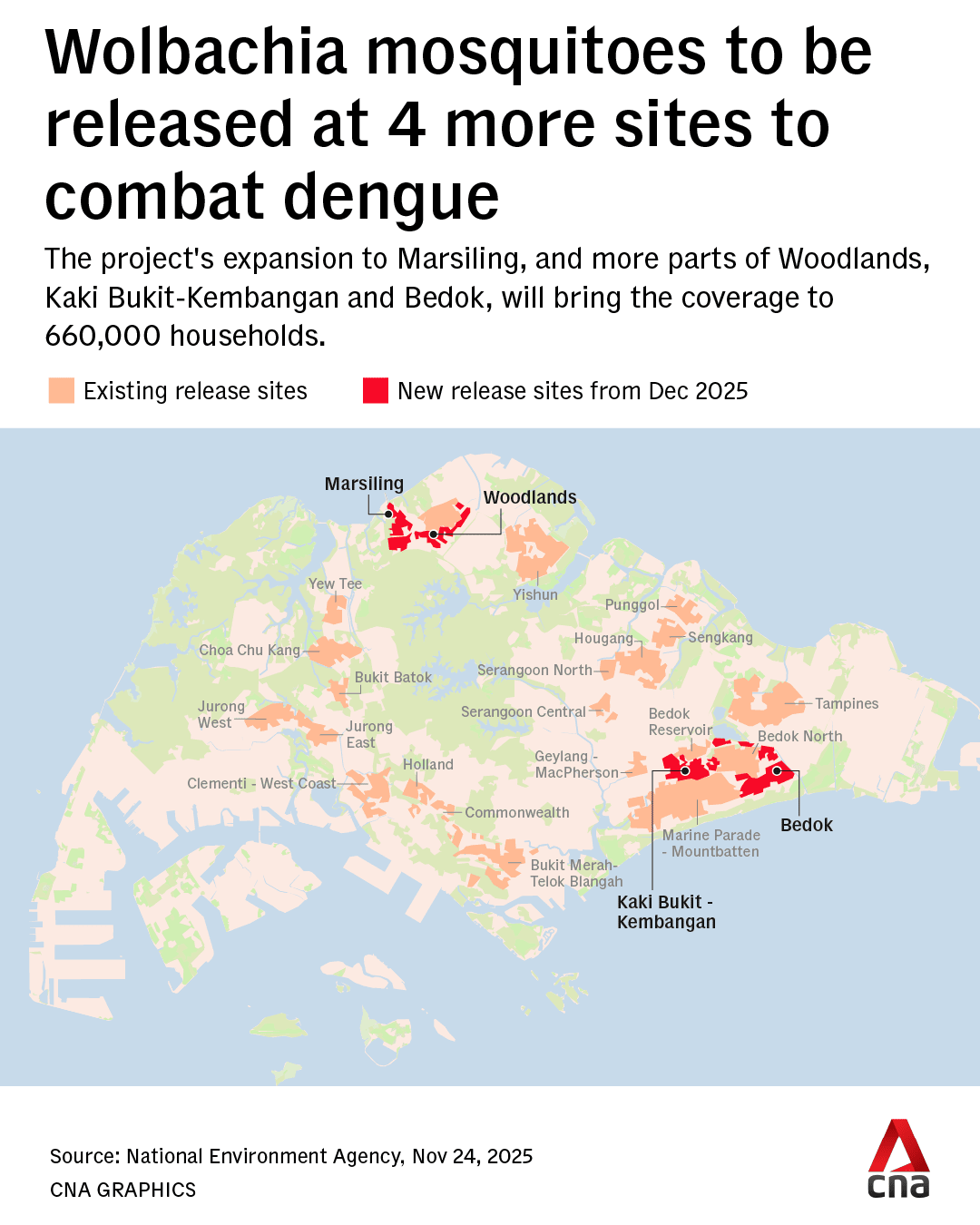
In a video posted on social media, Dr Puthucheary said Singapore is on track to release Wolbachia-carrying mosquitoes to cover 50 per cent of all households or 800,000 households in Singapore by the end of 2026. This was first announced by Minister for Sustainability and the Environment Grace Fu in November last year.





Under Project Wolbachia, male Wolbachia-carrying Aedes aegypti mosquitoes are released to mate with the female Aedes mosquitoes. The eggs that are produced do not hatch.
Male mosquitoes do not bite and cannot transmit diseases, as they feed only on plant juices, such as nectar.
Dr Puthucheary said that the four locations were selected based on factors such as historical dengue risk and the size of their Aedes mosquito populations.
"Residents in these areas can expect releases of male Project Wolbachia mosquitoes twice a week," he added.
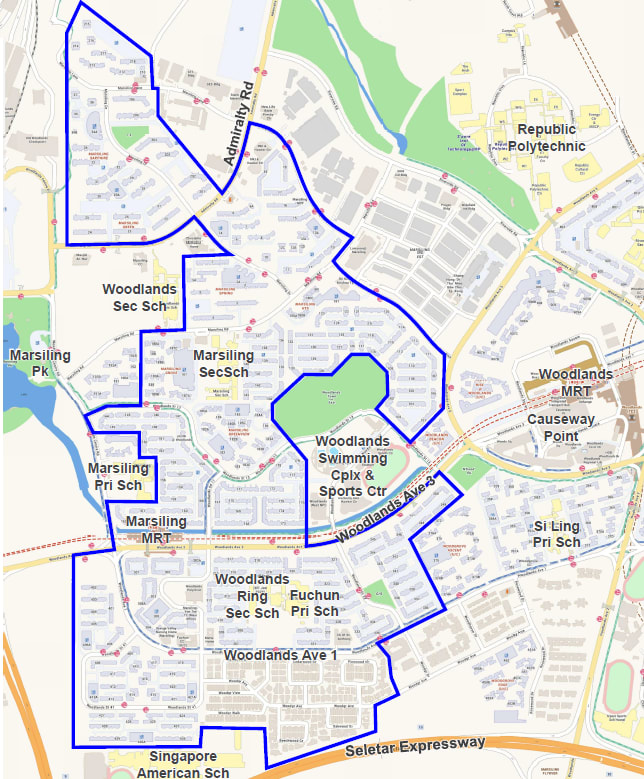
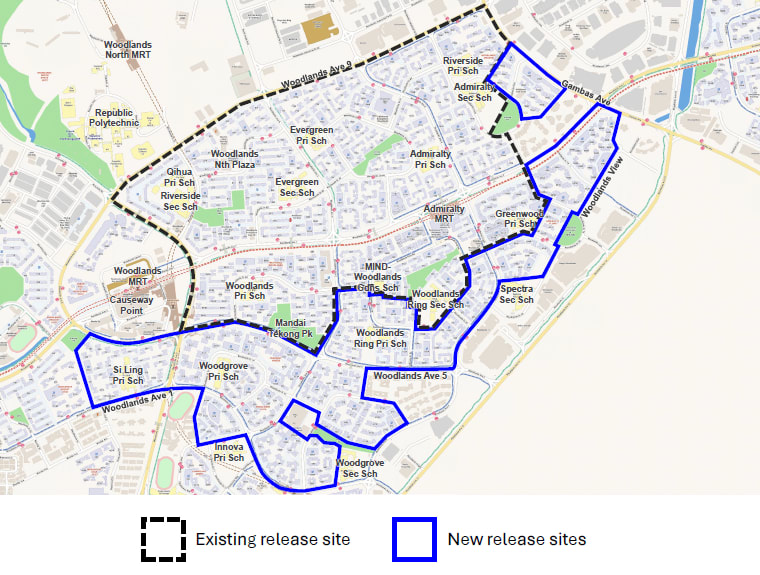
Since the start of Project Wolbachia in 2016, Singapore has been progressively releasing Wolbachia mosquitoes across the country.
In October last year, Singapore also announced the expansion of Project Wolbachia to five additional sites - Serangoon Central, Serangoon North, Jurong East, Jurong West, and an expansion of an existing study site in Hougang.
Dr Puthucheary noted that Project Wolbachia has reduced the risk of contracting dengue by more than 70 per cent, while NEA said that the Aedes aegypti population at study sites had reduced by 80 to 90 per cent.
The agency added that residents in adjacent areas were also found to be 45 per cent less likely to contract dengue compared to those with no releases.
But Dr Puthucheary noted that Project Wolbachia is "not a silver bullet" in the fight against dengue, with members of the public advised to regularly practice the B-L-O-C-K steps to suppress the Aedes mosquito population.
These steps are:
- Break up hardened soil
- Lift and empty flowerpot plates
- Overturn pails and wipe their rims
- Change water in vases
- Keep roof gutters clear and place BTI insecticide inside
According to NEA data, a total of 3,776 dengue cases have been reported in 2025 as of the first 46 epidemiological weeks. As of Nov 17, there were also five active dengue clusters reported, though none of the clusters had 10 or more cases.




