Move over, tourists. Young Singaporeans have claimed Bugis as their weekend hotspot
Once known mainly for Bugis Street, the district has found new life as a youth hangout – driven by thrift culture, experiential retail and a spillover into once-overlooked corridors.

Mr Brian Sukri (left) and Mr Vincent Sukri at one of the themed room settings within their photo studio along Bugis Street on Feb 13, 2026. (Photo: CNA/Mak Jia Kee)

This audio is generated by an AI tool.


When marketing executive Crystal Yong went to Bugis recently, she had to remind herself to follow through with her objective of buying a Chinese New Year dress.
The 23-year-old knows first-hand how easy it is to get distracted while in the area.
Most weekends, she and her friends spend hours weaving through racks of thrift items or squeezing into one of the many photo booths.
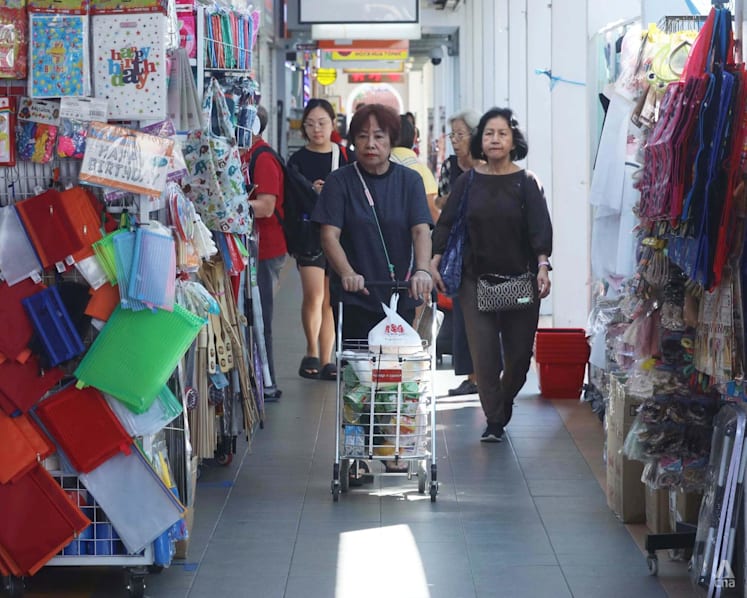
From Haji Lane, they tend to drift towards the stretch near Bugis MRT station for a bite, browse the Resurrack vintage market sprawled across the Art Lane on Bugis Street, stop at a cafe, then wander into Golden Landmark Shopping Complex's maze-like corridors before calling it a day.
"We might have one or two things in mind, and then we just let the day flow in the area," she said.
For many young Singaporeans, this open-ended itinerary in Bugis has become the norm.
Just a few years ago, Ms Yong would not have imagined spending so much time in this precinct. As a teenager, she used to spend her weekends in the Somerset Road stretch of the Orchard Road shopping belt or at one of the museums.
"It feels like Bugis is becoming more alive again. There's so much going on around the area."
For students Thean Xuyi, 22, and Ying Xi, 21, Bugis has also become a regular haunt – most recently for an appointment to pierce their ears along Bugis Street.
They said the area's appeal lies in its "fun atmosphere" and Gen Z-oriented mix of thrift stores, photo booths and craft retailers.
Previously, their weekends were usually spent along Orchard Road, at VivoCity mall or at Marina Barrage for a picnic, but in the last two to three years, they have shifted their attention to the Bugis district instead.
Today, Bugis and the surrounding area are no longer just a quick stop for bargain buys, nail salons or traditional Malay clothing. Though Haji Lane has been a draw since the early 2000s, the district's revival now extends beyond its mural-lined shophouses.
From Golden Landmark's once-sleepy corridors to the periphery of Bugis Street and even Waterloo Centre, a cluster of independent businesses has quietly redrawn the map of where young people linger.





BUGIS' PAST
Professor TC Chang, a social-cultural geographer at the National University of Singapore (NUS), said that places, including the Bugis district, often move through cycles of popularity and renewal, and the decline or revival of districts is never linear.
Over the years, the Bugis district, with Victoria Street running through it and bordered by Middle Road and Ophir Road, has undergone several such iterations.
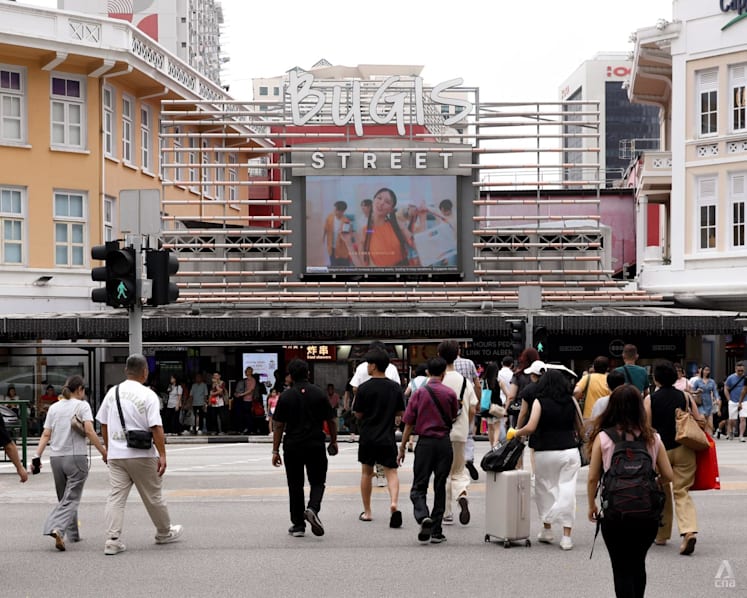
The original Bugis Street, once infamous for its seedy activities, was cleared in the late 1980s, but not before it had cemented its place in Singapore's cultural memory.
Its reputation was later immortalised in the 1995 film Bugis Street, which depicted the lives of transgender women in the former red-light district.
That same year, Bugis Junction opened as the first glass-covered, air-conditioned mall with a shopping street, alongside a reconstructed Bugis Street across the road.
The area quickly became a hit with tourists, given its connection to an MRT station and being a place where they may wander around shophouses filled with trinkets, cheap clothes and street food. It also served as an access point to famous temples along Waterloo Street.
Over the years, however, interest in the area waned even with the opening of Iluma mall in 2009 next to Bugis Street, which was rebranded three years later to Bugis+.
Tenant profiles gradually shifted over the years, with parts of the precinct seeing an influx of souvenir and food stalls operated by mainland Chinese brands.
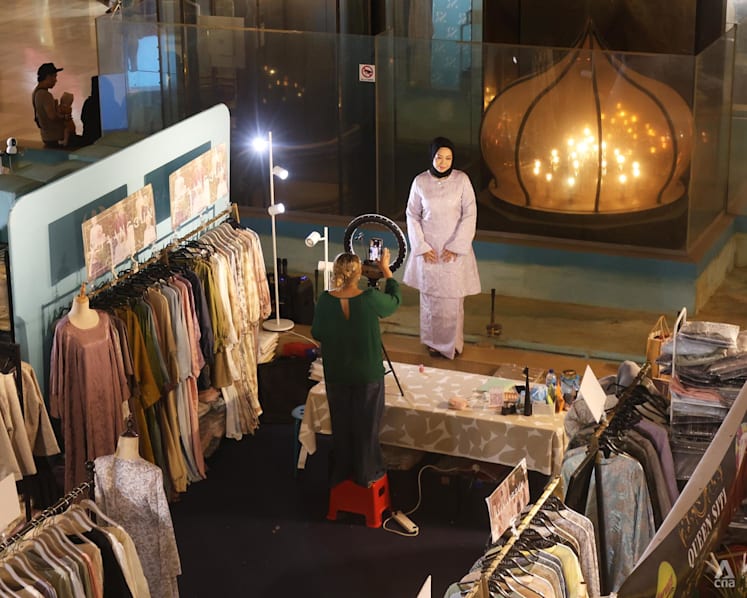
In the meantime, Golden Landmark Shopping Complex, which is about 500m from Bugis Junction and close to the Arab Street district, opened in 1988.
It became known for its traditional clothing shops, tailors and textile retailers.
Over the years, however, it lost its customers to shops at the nearby pedestrianised Bussorah Street and Arab Street, though older members in the Malay-Muslim community who are regulars at some of the shops in Golden Landmark do still visit the place.
The current revival is now being driven largely by independent businesses experimenting within older buildings.
WHAT'S FUELLING THE REVIVAL
When vintage thrift store Two Worlds opened its first outlet at Golden Landmark in 2023, its founder Jesselynn Ni, 23, considered other thrift-store enclaves such as Queensway Shopping Centre.
However, she ultimately decided on Golden Landmark because it offered both accessibility and affordable rent.
She said that Golden Landmark initially struck her as an ageing mall with relatively low foot traffic and a tenant profile that seemed geared towards established community retailers rather than youth-driven concepts.
Ms Ni also did not expect young people to spend an entire day in the area, but that has since changed as more complementary businesses have moved in, helping to sustain footfall.
"Some people might think, 'Do I really want to go to Bugis just to visit one thrift store?'. That's where these other stores help collectively as a community. It becomes, 'Maybe we can go thrifting, then walk through the Resurrack lane and then hit a cafe in the area'," Ms Ni said. She has since opened a second thrift store at nearby Jalan Pisang.
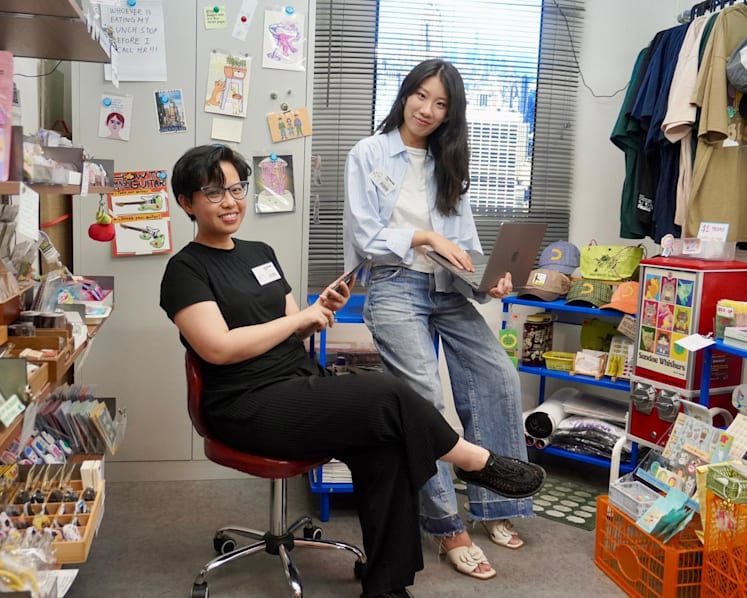
Concept store Catalog has also found its footing in the shopping complex.
Its founders, Ms Diana Yeo, 32, and Ms Lee Wenxin, 29, said that most of their customers are Gen Zers and younger millennials, people in their late teens to late 30s who are often creatives drawn to art, design and quirky items.
Social media visibility has been key to building their following and getting youngsters into the mall, once visited only by older shoppers looking for ethnic clothing or similar items.
"Youngsters nowadays ... embrace art, good design and sustainable living ... I see Bugis evolving to keep up with these trends," Ms Yeo said.
The shift is evident to long-standing tenants.
Mr Adny Alhadad, who has run traditional perfumery The Alchemist at Golden Landmark since 2004, recalled that the atmosphere in the early years of his business felt different.
"I think back then, the atmosphere was a lot more exciting," he said, describing a mix of overseas visitors and Singaporeans drawn to the area's cultural landmarks, including the Sultan Mosque.
Customers in earlier years also tended to have stronger spending power, but with the rise of online shopping, many opt to buy their products online, he said.
He also said that while the rise of Haji Lane in the 2010s brought renewed foot traffic to the wider Bugis precinct, many visitors appeared drawn more by the murals and street vibe than by retail purchases.
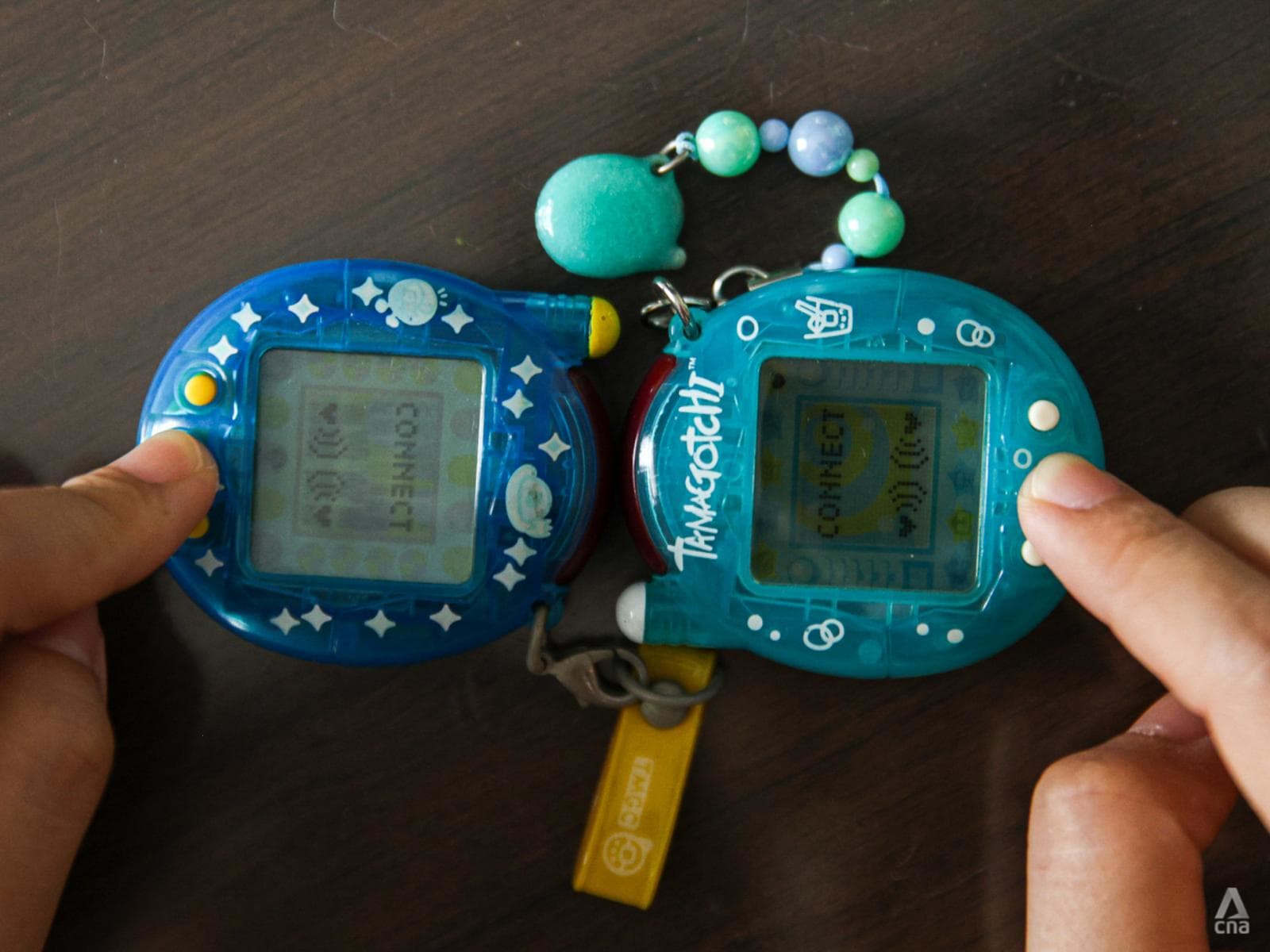

Mr Adny is hopeful that the presence of shops catering to a younger crowd will bring about the same vibrancy he felt when he started his perfumery business in Golden Landmark.
"It's good, because young people always bring life to a place ... and I'd like to see more of it," he said, and then laughed as he gestured towards a group passing his storefront.
"One, two, three, four," he said, counting on his fingers. "You can see that they're definitely not here for the traditional clothing this place is known for, and you know where they're going."
Rather than resisting the changing demographics, Mr Adny has adapted alongside them. A glance at The Alchemist's social media page reveals a clientele that seems noticeably younger.
"I'm young at heart. Even though it's a traditional perfumery, I'm offering it to younger shoppers," said Mr Adny, who is in his 40s.
NEW CONCEPTS IN BUGIS
The demographic shift within Golden Landmark forms part of a broader pattern across Bugis.
A short walk away along Art Lane – a secondary lane off Bugis Street that might have otherwise remained an underused pocket – curated vintage market Resurrack has become another focal point for the young.
Among those to have benefited from the market's weekend footfall is Standard Photo Studio, which offers keychains with photo strips and customisable bead designs – keepsakes that attract the youth.
Its owner Brian Sukri took up a small booth at the Art Lane market in 2024, his first venture outside its main studio on MacPherson Road.
"We were quite nervous," the 33-year-old recalled. The response he received took him by surprise, though.
"There was a queue from our booth all the way out to the street near Fu Lu Shou Complex. At one point, there were about 70 people. We were shocked, but definitely very happy."
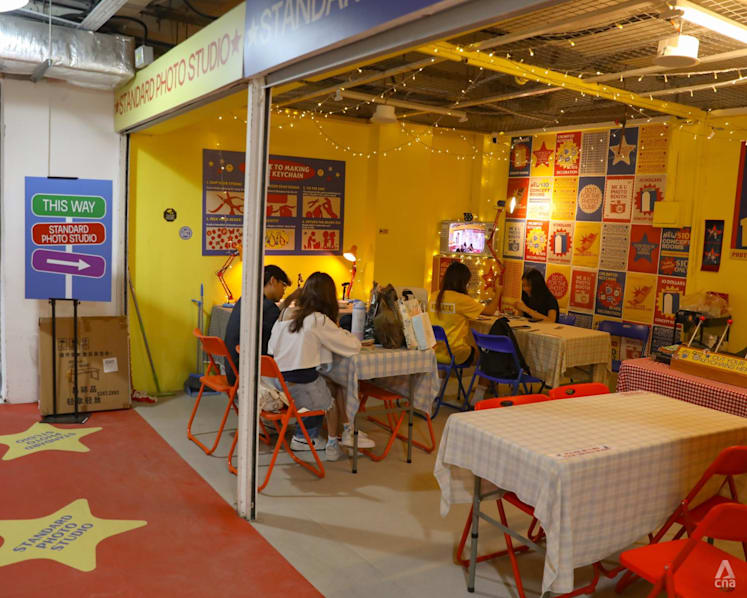
Mr Sukri said that people who were there shopping for thrift items would stumble upon Standard Photo Studio, while others who arrived for photos would explore neighbouring stores.
Many of the brands at Resurrack catered to a similar age group, meaning that their target consumers overlapped.
The Art Lane stint was meant to be temporary, with no plans for a permanent Bugis presence.
However, the strong turnout convinced Mr Sukri that there was a sustained flow of younger shoppers to Bugis, so when an opportunity arose to take up a larger space permanently along Bugis Street, the team eagerly accepted.
The new setup on the second floor allowed the brand to move beyond traditional print services to create a space designed for customers to linger, with themed rooms and seating areas catering to couples, groups of friends and tourists.
The surrounding mix helped as well, he said, noting that a tattoo and piercing studio and rows of claw machines on the same level draw a steady stream of young visitors who often wander among the units, making the businesses "very complementary".
The magic is in the mix.
In response to queries from CNA TODAY, a spokesperson for Bugis Street, which is part of property firm CapitaLand's portfolio, said the tenant mix within Bugis Street is "thoughtfully curated" to stay relevant, with a growing emphasis on experiential concepts alongside its traditional street retail offering.
Experiential tenants such as Standard Photo Studio are part of efforts to balance Bugis Street's traditional "buy-and-go" format with more social, experience-led spaces, it added.
Prof Chang from NUS describes this strategy as the "Power of 10+" concept – the idea that successful districts offer multiple destinations and activities that encourage people to stay.
"Places have to be convenient and diverse in order to attract a diverse crowd," he said.
At Bugis, that could mean having different clusters – Golden Landmark, Art Lane, Bugis Street – each offering a mix of activities within walking distance of one another.
He added that some destinations in Singapore such as Gardens by the Bay are carefully curated, while others such as Bugis evolve more organically.
"The magic is in the mix," he said, noting that cities benefit from having both planned spaces and less-managed ones offering different textures and tempos.
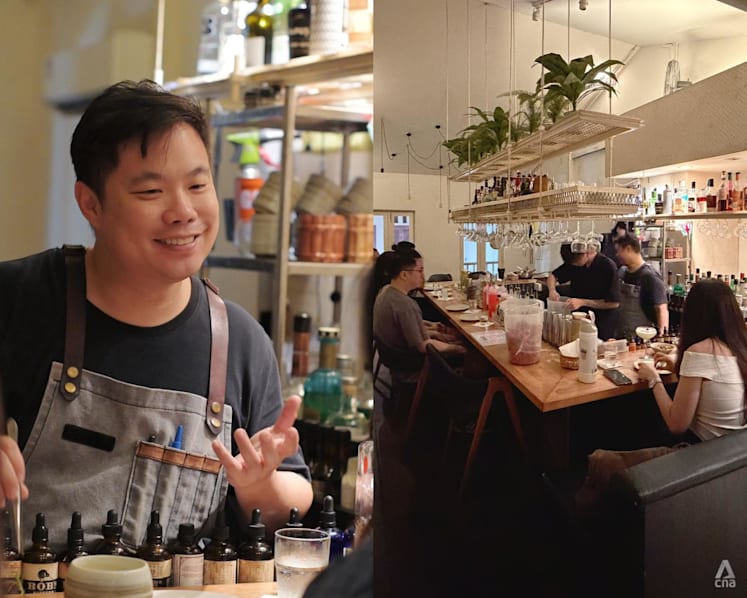
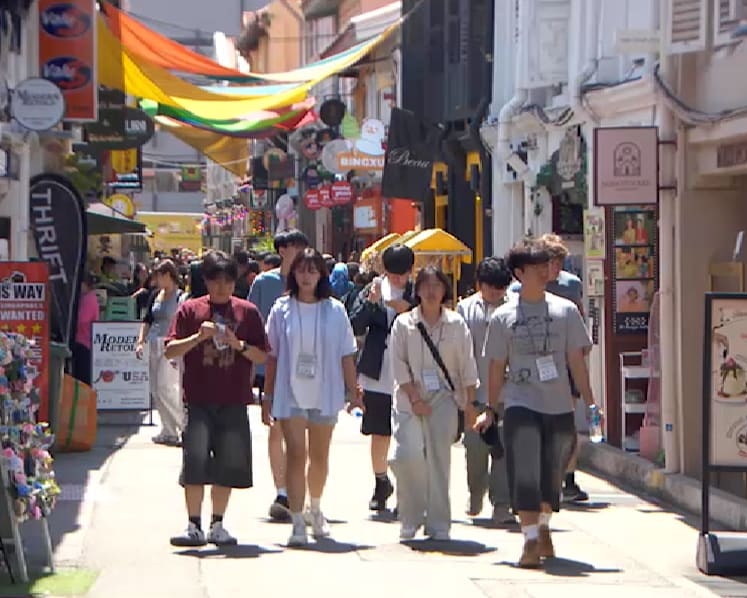
Many of Bugis' newer concepts also fall under what he describes as light, quick and cheap interventions, that can be tested and scaled up if successful.
"If they fail, they fail fast. If they succeed, they can be made more permanent," Prof Chang said.
That layering of experiences can also be seen elsewhere in the district.
At its newer flagship along Jalan Pisang in the Arab Street area, Two Worlds has introduced a cafe and a photo booth, turning what might otherwise be a quick shopping errand into a social outing.
Concept store Catalog at Golden Landmark has introduced a "stamping station" inspired by Japanese trends, where people collect commemorative stamps or printed seals on journals, books or stamp cards.
Associate Professor Dianna Chang from the Singapore University of Social Sciences (SUSS) said that such formats reflect a broader shift in retail.
"Experiential shopping represents the future of retail and is particularly appealing to young consumers."
Shopping is no longer just about purchasing products, but a blend of buying, entertainment and social interaction – with these surrounding experiences often perceived as more important than the transaction itself.


The renewed vibrancy, however, has not translated evenly across the district.
Ms Amy Peng, who is in her 50s and has run a clothing shop along Bugis Street for about 19 years, gestured to the quiet corridor outside her store when CNA TODAY visited on Feb 10.
"Don't even talk about weekends – it's the Chinese New Year period and there's no one,” she said.
She noted that traffic appears concentrated around newer concepts and pop-up stalls, while long-standing shops struggle with higher rents and weaker tourist numbers.
"I've been thinking of shutting down, but it's hard to let go," she said. "After all, 19 years of my youth were spent here."
RIPPLE EFFECTS
As new vendors cluster around Golden Landmark and Art Lane, the ripple effects are beginning to show on Bugis' fringes.
Just across Victoria Street, Bras Basah Complex, built in 1980 and long known as Book City for its concentration of bookstores, is seeing newer lifestyle entrants.
Independent brands such as Wheniwasfour, a design studio selling lifestyle products, and Jovial Crafts, a stationery label designed by a Singaporean artist, have moved in alongside the complex's traditional tenants, subtly refreshing its creative identity.
Over at Waterloo Centre, which has long been associated with spare-parts shops for cars and traditional Chinese medicine clinics, a new wave of younger entrants has also begun to reshape parts of the tenant mix.
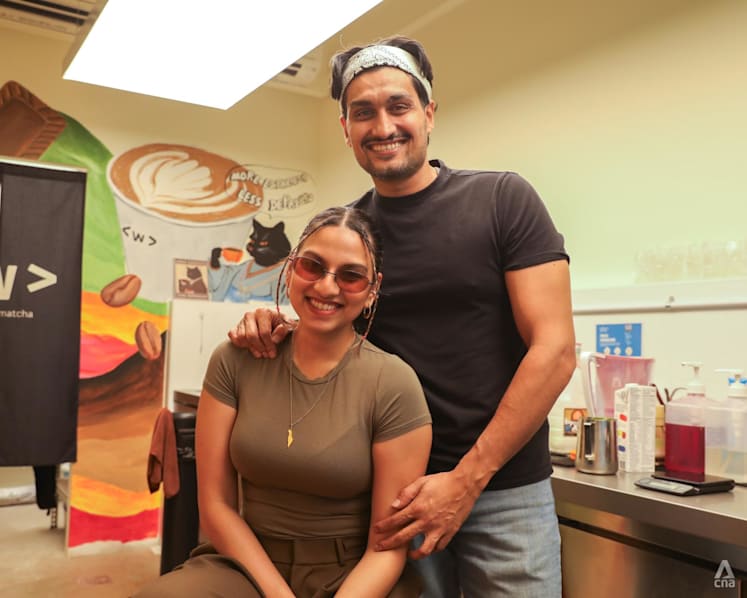
One recent example is Waterloo Coffee, a compact brew stall that moved from a home operation to a road-facing unit at Waterloo Centre three months ago.
Its owner, Ms Umme Uzma Mueez, 25, said that the payoff to a more visible location has been immediate.
"Oh, a hundred per cent. Multiple folds," she said, adding that customers visit the cafe as part of their whole-day outing, rather than for a quick coffee to-go.
Ms Uzma added that media attention has also amplified footfall – such as when Bencoolen, within the Bugis precinct, was named one of the world's coolest neighbourhoods in 2025 by Time Out, a London-based magazine.
"The article didn’t mention us, but customers told me they had come after reading about the area and stumbled upon our cafe," she said.
Assoc Prof Chang from SUSS said that Bugis benefits from its proximity to universities and schools, including the Singapore Management University, LASALLE College of the Arts and the School of the Arts, which create a steady flow of young people who hang out in the area as part of their daily routines.
Even after graduating, many of them return due to nostalgia and familiarity, sustaining the district's youthful energy.
"In an economic climate where young Singaporeans are facing increasing pressures, destinations such as Bugis that combine variety, affordability and engaging experiences are well-positioned to remain relevant and resilient," Assoc Prof Chang said.
For Ms Uzma who runs Waterloo Coffee, the mix of people and experiences that converge in Bugis is unique.
"I think what we get here genuinely cannot be replicated elsewhere," she said.
"Bugis is one of those places where if you don't know where to go, you just say, 'Let's go to Bugis'. You'll figure something out."