Adjournment motion on saving local F&B businesses
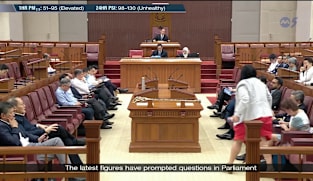
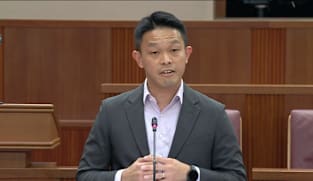
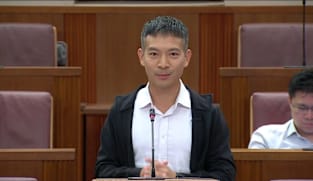
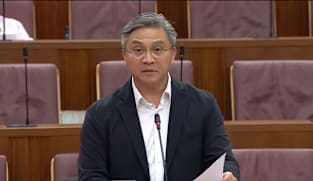
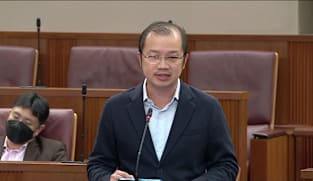
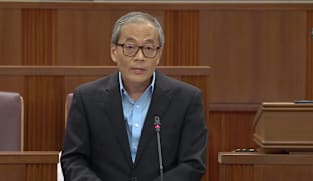
Food and beverage (F&B) has a unique place in Singaporeans’ stomachs and hearts; and the sector warrants special consideration based on its distinctive and challenging economics, while also comprising almost entirely of SMEs, many of which are wholly Singaporean-owned. MP Jamus Lim made the case for this in parliament on Tuesday (Oct 6). Outlining the manpower and rent struggles facing the sector, he called for measures like broadening hiring rules for hawker stall assistants to include Malaysians, introducing alternative tenancy arrangements such as adopting tender criteria that place greater weight on food offerings, capping rent increase quantums and holding malls, coffee shops and hawker centres to a tenant mix that explicitly includes a minimum share of local cuisine. In reply, Senior Minister of State for Energy, Trade and Industry Low Yen Ling said the challenges facing Singapore’s F&B industry can be seen in almost every major city in the world. She noted that the number of F&B entities grew by a net 42 per cent from 2015 to 2025, while more than 90 per cent of those registered continue to be Singapore-owned. Ms Low said rent controls could distort market pricing of commercial leases and discourage landlords from making space available for F&B businesses. She also gave examples of how the government does provide targeted manpower flexibilities.
Food and beverage (F&B) has a unique place in Singaporeans’ stomachs and hearts; and the sector warrants special consideration based on its distinctive and challenging economics, while also comprising almost entirely of SMEs, many of which are wholly Singaporean-owned. MP Jamus Lim made the case for this in parliament on Tuesday (Oct 6). Outlining the manpower and rent struggles facing the sector, he called for measures like broadening hiring rules for hawker stall assistants to include Malaysians, introducing alternative tenancy arrangements such as adopting tender criteria that place greater weight on food offerings, capping rent increase quantums and holding malls, coffee shops and hawker centres to a tenant mix that explicitly includes a minimum share of local cuisine. In reply, Senior Minister of State for Energy, Trade and Industry Low Yen Ling said the challenges facing Singapore’s F&B industry can be seen in almost every major city in the world. She noted that the number of F&B entities grew by a net 42 per cent from 2015 to 2025, while more than 90 per cent of those registered continue to be Singapore-owned. Ms Low said rent controls could distort market pricing of commercial leases and discourage landlords from making space available for F&B businesses. She also gave examples of how the government does provide targeted manpower flexibilities.