Britain expected to set out under 16s social media restrictions
Britain has increasingly toughened its approach to tech companies in recent years, urging or forcing them to impose age verification, adapt their algorithms and, most recently, prevent children from circulating nude images taken on mobile phones.
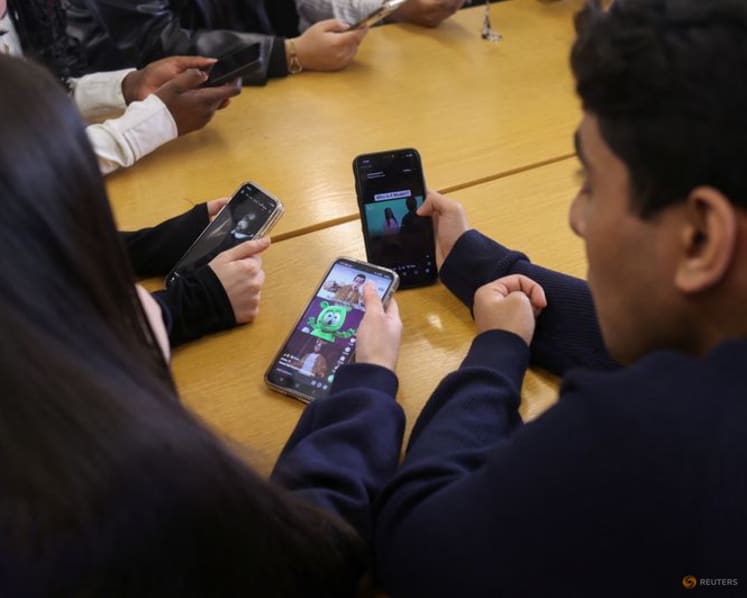
Students from Ricards Lodge and Rutlish High Schools in Wimbledon look at their mobile phones during an interview and discussion with Reuters about their thoughts on a social media ban for under 16s, in London, Britain, on Feb 23, 2026. (File photo: Reuters/Katie Collins)
LONDON: Britain is expected to set out restrictions on social media for children under 16 on Monday (Jun 15) that could include banning popular platforms and features that are deemed too addictive for the well-being of young people online.
Britain has increasingly toughened its approach to tech companies in recent years, urging or forcing them to impose age verification, adapt their algorithms and, most recently, prevent children from circulating nude images taken on mobile phones.
But with a growing awareness of the mental health risks posed by children spending too much time online, Prime Minister Keir Starmer has decided to go further after speaking to parents and considering evidence from Australia, which brought in a ban for under-16s last year.
Starmer, who is likely to face a leadership challenge in the coming weeks, said people rightly expected action.





"That's why we will call time on a system that's failing our kids and take bold action to give every child the best possible start in life," he said, ahead of an announcement on Monday morning.
The Guardian newspaper said Starmer would announce a ban for all under-16s from the main social media platforms, while online products that are not covered, such as gaming apps, will face restrictions, such as preventing children from talking to strangers.
AUSTRALIA LEADS THE WAY
Australia was the first country to ban social media for children under 16, blocking them in December from platforms including TikTok, Alphabet's YouTube and Meta's Instagram and Facebook.
Since then, a raft of countries have said they are looking to regulate access to social media amid mounting concerns over the impact on children's health and safety.
In March, Indonesia became the first Southeast Asian country to implement social media restrictions for under-16s, which banned children from having accounts on YouTube, TikTok, Facebook, Instagram, Threads, X, Bigo Live and Roblox.
In Malaysia, authorities began enforcing rules on Jun 1 barring children from having social media accounts. Platforms with at least 8 million users in the country, including Facebook, Instagram, TikTok and YouTube, must implement age-verification systems and block those under 16 from creating accounts.
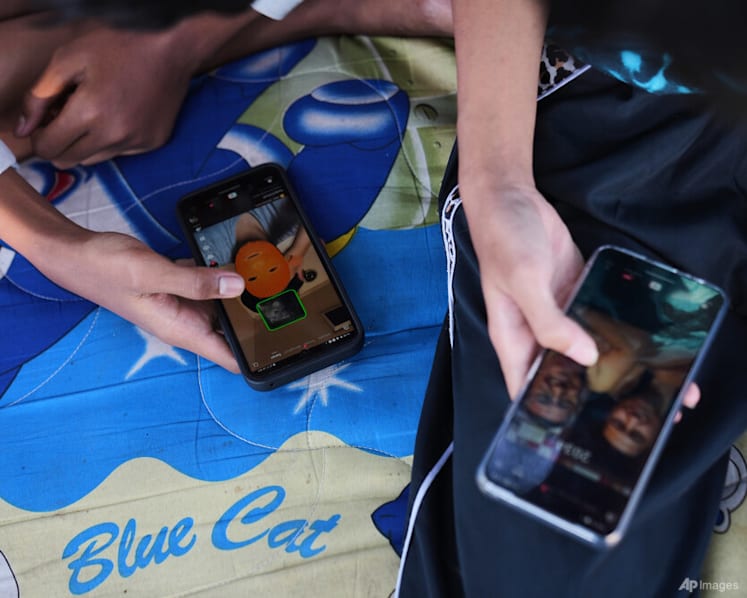
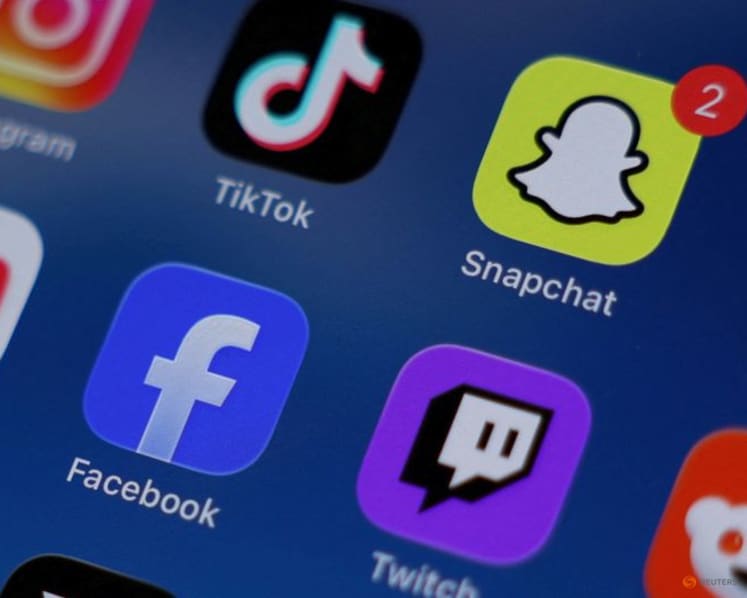
Britain has consulted teachers, parents and young people on new restrictions, including a possible ban for under-16s, as well as curfews, app time limits and curbs on what the government has described as addictive design features.
It received more than 116,000 responses from parents, industry and young people. More than 83 per cent of parents who responded said risks from social media outweighed benefits, while 90 per cent backed a minimum age of 16 to access social media platforms.
Lisa Nandy, the minister for culture and media, said Australia's experience suggested that while some children would always get around a ban, it would change the dynamic.
"It changes the presumption, so that at the age of eight, nine, 10, 11, children aren't presuming that they're going to be in these spaces because all of their friends are, and that quite significantly changes the culture," she told BBC television.
While many parents and politicians back a ban, some psychologists and researchers have said there is no proof that it would work, and a group of school children in London told Reuters they had a conflicted relationship with the technology.