







Costs mount as war on Iran nears third week, raising political stakes for Trump
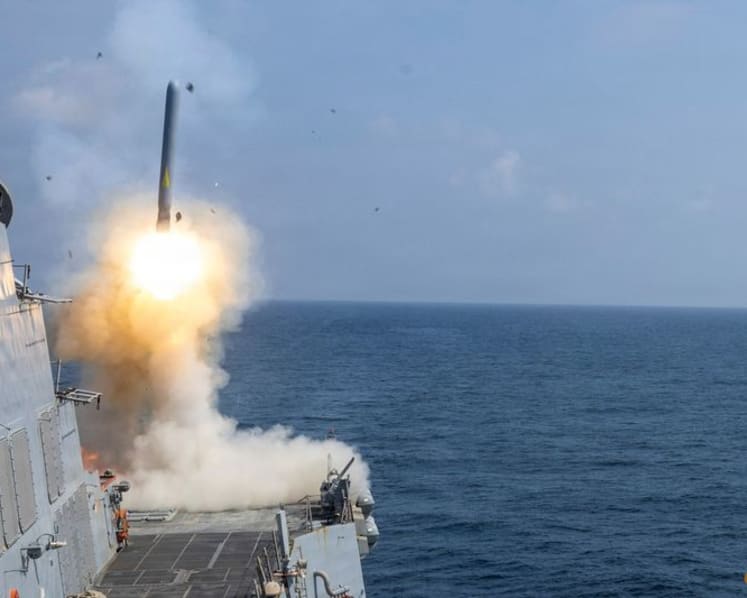
United States officials say more than 5,000 targets have been struck, with many of the munitions deployed costing millions of dollars each.

This audio is generated by an AI tool.


WASHINGTON: The financial toll of the war on Iran is mounting rapidly as it approaches its third week, driven by the use of expensive, sophisticated weapons and long-distance logistics.
Pentagon officials have briefed United States lawmakers that the cost of the war exceeded US$11.3 billion in its first six days, The New York Times reported, citing people familiar with the classified briefing.
The bipartisan think-tank Center for Strategic and International Studies estimates that the first 100 hours of the war cost American taxpayers roughly US$3.7 billion. Some media reports have placed the total cost closer to US$6 billion in just the first two days of fighting.
These estimates mark a significant sum for a president who pledged to rein in spending, avoid foreign wars and prioritise an “America First” agenda.
US President Donald Trump has downplayed the financial impact, describing it as a necessary short-term cost.
However, the growing price tag could carry political consequences for him and the Republican Party ahead of the November midterm elections.
Related:
MOST CURRENT SPENDING NOT BUDGETED
The intensity of what the US has dubbed Operation Epic Fury has driven much of the expense.
US officials say more than 5,000 targets have been struck, with many of the munitions deployed costing millions of dollars each.
“Our weaponry has become more expensive and more sophisticated … and we've made a choice as a country since (the) Vietnam (war) to try to substitute technology for human lives,” said David Super, Carmack Waterhouse Professor of Law and Economics at Georgetown University Law Center.
“We've suffered fewer casualties, but that does mean that everything we fire is a lot more expensive than bullets and mortar shells.”
Much of the current spending was not budgeted. The Pentagon is expected to ask Congress for tens of billions of dollars in emergency funding to replenish depleted munitions stockpiles.
Democrats have raised concerns that the surge in military spending could come at the expense of domestic priorities.
“Taxpayer dollars should be used to make your life more affordable,” noted House Minority Leader Hakeem Jeffries during a recent press conference.
“We’ve seen Republicans, led by Donald Trump … spending billions of dollars to bomb Iran. But they can’t find a dime to make it more affordable for the American people to go see a doctor … to lower the grocery bills,” Jeffries added.
Polls already show that a majority of Americans believe the country is facing an affordability crisis, and the war is now contributing to rising costs at home.
SOARING OIL PRICES
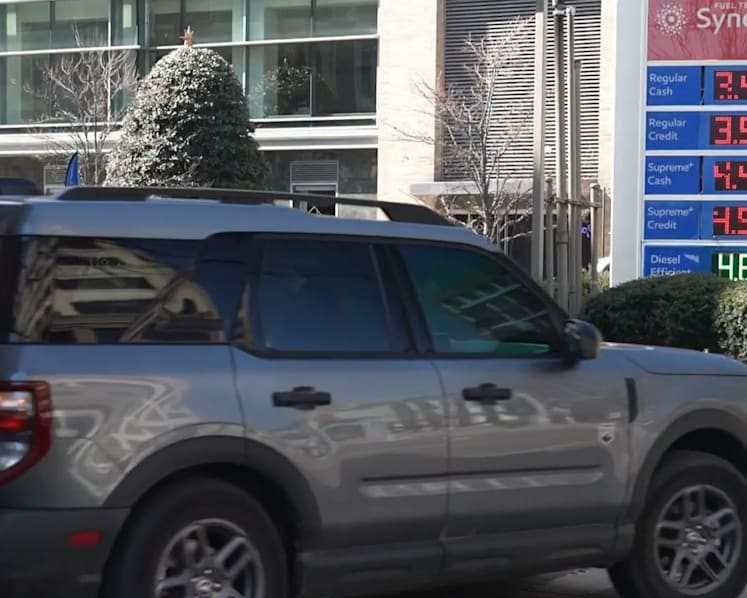
Since the US and Israel first launched strikes on Iran on Feb 28, surging oil prices have pushed fuel costs up by 16 cents per litre, putting new pressure on household budgets.
“I’m really going to have to cut back on where I drive and how often I drive, I’m going to have to make one trip instead of three trips to the store,” said Harry Johnston, who spoke to CNA while filling up his tank.
Others are less concerned.
“Yes, (there's) some temporary strain, but (prices) have been going up and down and they’ve been much higher before,” said Bill, another motorist.
In a bid to contain prices, the Trump administration has eased some oil sanctions on Russia and is considering providing Navy escorts for oil tankers travelling through the Strait of Hormuz to protect them from potential attacks.
The strategic waterway handles about one-fifth of global crude flows. Iran’s new supreme leader Mojtaba Khamenei on Thursday (Mar 12) warned that Iran will keep blocking it.
Trump has said his administration will be “putting an end to all of this threat once and for all”, resulting in lower oil prices for American families, while describing the recent price increases as “a very small price to pay for safety and peace”.
But this argument may not resonate with voters during the upcoming US midterm elections, particularly after Trump pledged not to draw the US into another foreign conflict and to focus on strengthening the domestic economy.
Even if the war ends quickly, experts have also warned that disruptions to energy markets could take weeks – if not months – to stabilise.
How much the war ultimately costs, both economically and politically, will depend on its duration and whether it spreads further. Trump has vowed to continue fighting until US objectives are met.
“I think this is going to demoralise his voters,” said Georgetown University Law Center’s Super.
“A lot of people could stay home, and staying home in large numbers could tip some seats that Republicans have been counting on.”




