







Israel hits Iran's largest petrochemical complex after Trump threat
The South Pars complex is responsible for about 50 per cent of Iran's petrochemical production, said Israel's Defence Minister Israel Katz.
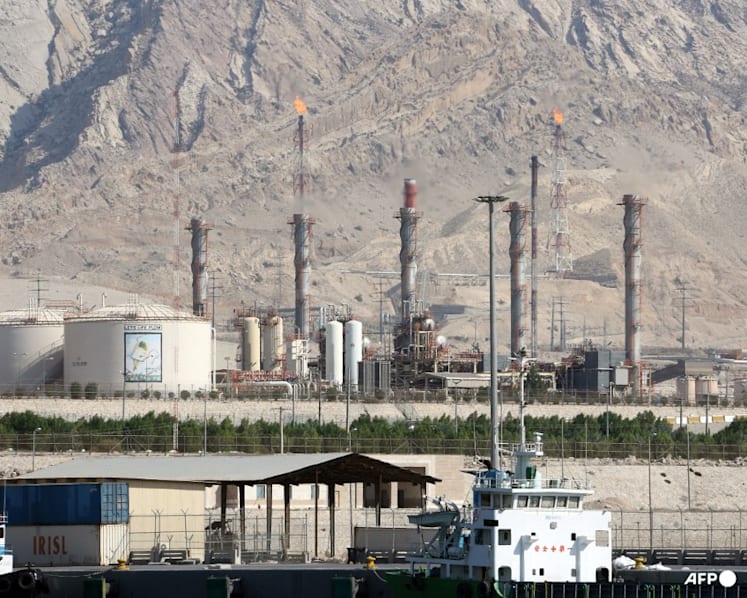
A picture shows a general view of the phase 17-18 of the South Pars gas field facilities in the southern Iranian port town of Assaluyeh on the shore of the Gulf on Nov 19, 2015. Israel said on Apr 6, 2025, that it struck a South Pars petrochemical plant at Assaluyeh. (File photo: AFP/Atta Kenare)
TEHRAN: Israel struck Iran's largest petrochemical complex on Monday (Apr 6), as the Islamic Republic defied threats from US President Donald Trump to devastate civilian infrastructure if it does not reopen the Strait of Hormuz.
Several explosions were heard at the South Pars Petrochemical complex in Assaluyeh, Iranian news agency Fars reported.
The site accounted for about 50 per cent of Iran's petrochemical production, Israeli Defence Minister Israel Katz said.
Companies that provide electricity, water and oxygen to Assaluyeh were attacked, but the Pars petrochemical company has not been damaged, reported Tasnim, another local news agency.
It added that the electricity supply to all Assaluyeh petrochemicals units had been cut.
Israel carried out a similar strike on the Mahshahr Petrochemical Special Zone in southwest Khuzestan province on Saturday, a local Iranian official said, adding that five people were killed.
"At this point, the two facilities, which together account for roughly 85 per cent of Iran's petrochemical exports, have been taken out of operation and are no longer functioning," Katz said.
"This represents a severe economic blow amounting to tens of billions of dollars to the Iranian regime."
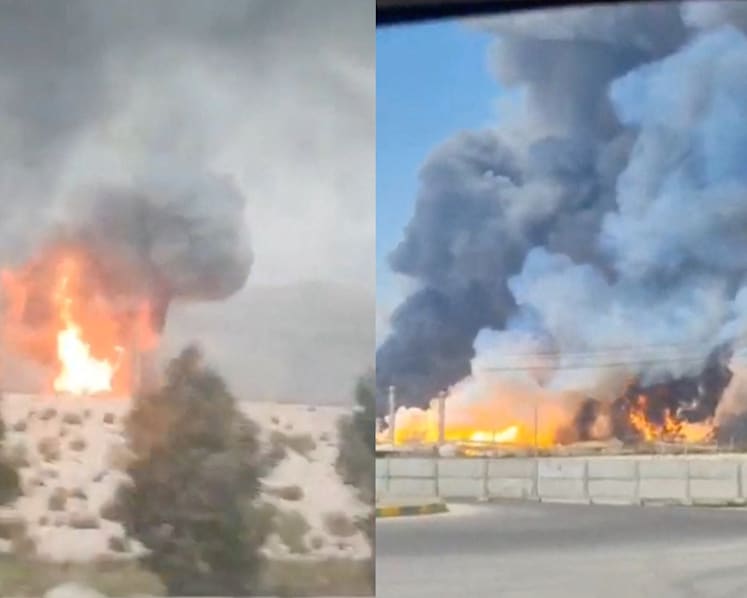
The National Petrochemical Company said Monday that a fire at its Pars site was contained and that no injuries had been reported, according to a statement carried by state media.
"The situation is currently under control, and technical aspects, as well as the extent of the damage, are under investigation," the statement said.
Later Monday, local authorities said strikes hit another petrochemical complex in Marvdasht further north, Fars news agency reported, adding that a fire there had been contained.
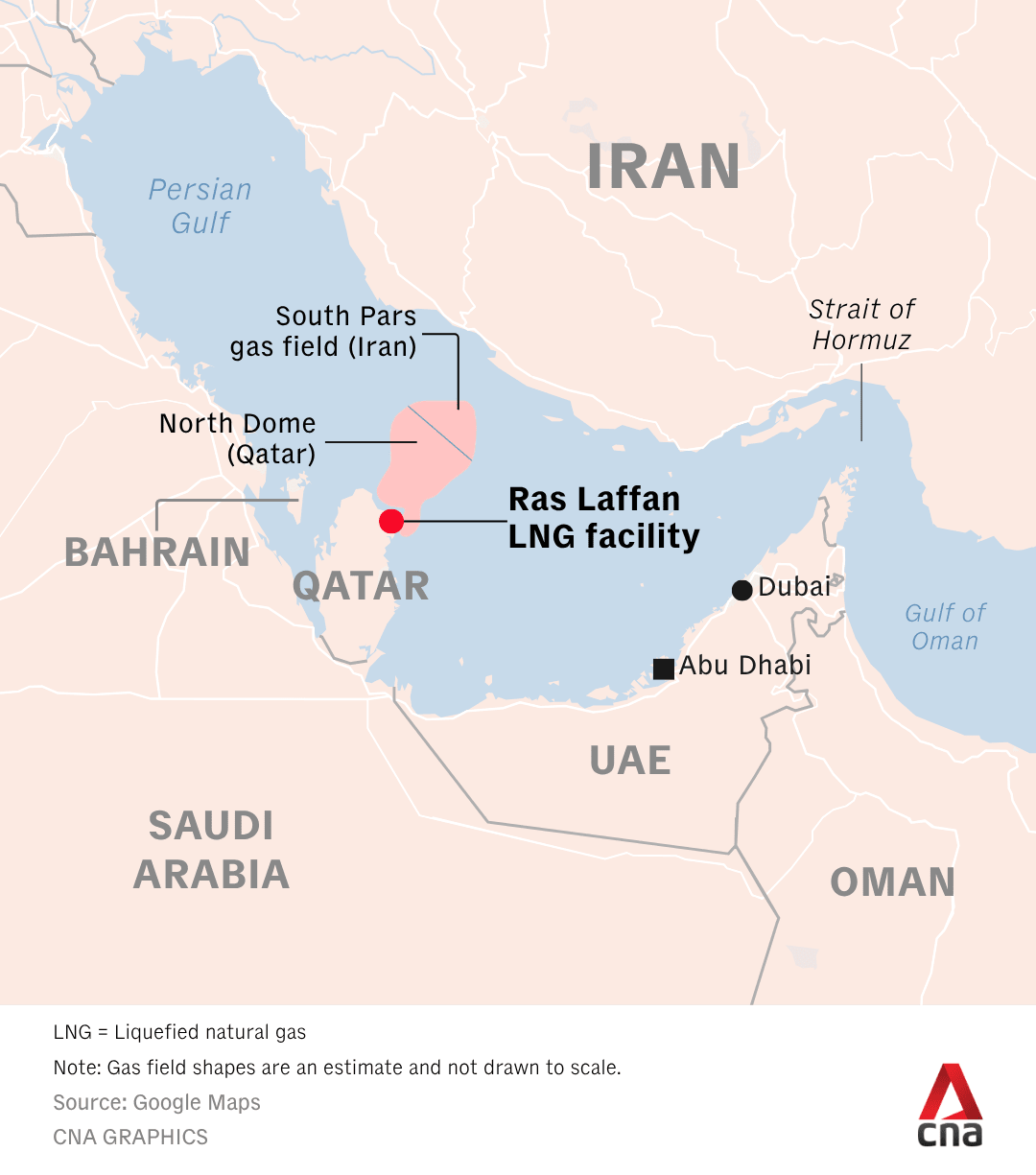
South Pars is the Iranian side of the world’s largest offshore natural gas field.
Located in the Persian Gulf, the reservoir is shared by Iran and Qatar. It holds an estimated 51 trillion cubic metres of usable gas - enough to supply the world’s needs for 13 years.
An Israeli attack in March on South Pars facilities sparked major Iranian attacks targeting oil and gas infrastructure across the Gulf Arab states, including strikes on Qatar's huge Ras Laffan liquefied natural gas facility.
Asked how the latest attack would affect reported talks aimed at bringing an end to the Middle East war, Israeli military spokesman Nadav Shoshani said "the war is ongoing as talks are going".
"We've seen Iran use a strategy of stalling and using negotiations to create time for them," he added.
"Iran is attacking us. We're attacking them. If there is a ceasefire and our political echelon decides to direct us, we'll be quick to act."
In recent days, Israel has targeted key industrial sectors as part of the ongoing military campaign against Iran.
On Friday, Israeli Prime Minister Benjamin Netanyahu said Israeli strikes had destroyed around 70 per cent of Iran's steel production capacity, significantly undermining Tehran's ability to manufacture weapons.
Steel is a strategically important material used in industrial and military production, including for missiles, drones and ships.
Katz said he and Netanyahu had ordered the military "to continue striking with full force Iran's national infrastructure".
Iran has also targeted industrial sites in Israel, including a refinery in the northern city of Haifa.
A DEAL?
While the violence continued to spiral, reports surfaced of a potential push to halt the fighting.
Citing US, Israeli and regional sources, US news website Axios said a deal mediated by Pakistan, Egypt and Turkey for a 45-day ceasefire to allow for negotiations on a more permanent peace was under discussion.
The White House said Trump has yet to approve any draft deal to end fighting, following media reports on the ceasefire proposal.
A 45-day ceasefire is "one of many ideas, and president of the US (Trump) has not signed off on it", a White House official told AFP, ahead of a press conference by Trump at 5pm GMT (Tuesday, 1am, Singapore time) at which he is due to address the conflict.
Egypt's Foreign Minister Badr Abdelatty had on Sunday confirmed he was engaging in talks with governments across the region, as well as US envoy Steve Witkoff and Iran's Foreign Minister Abbas Araghchi.
"Views and proposals were exchanged on ways to de-escalate the military situation in the region given the delicate juncture it is currently facing," a statement from his ministry said.
Trump told Fox News that Iran was "close" to making a deal, but Tehran has repeatedly denied it is engaged in any negotiations with the US or Israel.
European Council chief Antonio Costa, one of the EU's top officials, called in an X post for a "diplomatic solution".
"Any targeting of civilian infrastructure, namely energy facilities, is illegal and unacceptable," Costa said.




