Oil jumps as US-Iran conflict escalates, disrupts shipping
Oil prices surged more than 8 per cent to their highest in months on Monday (Mar 2) as Iran and Israel stepped up attacks in the Middle East.
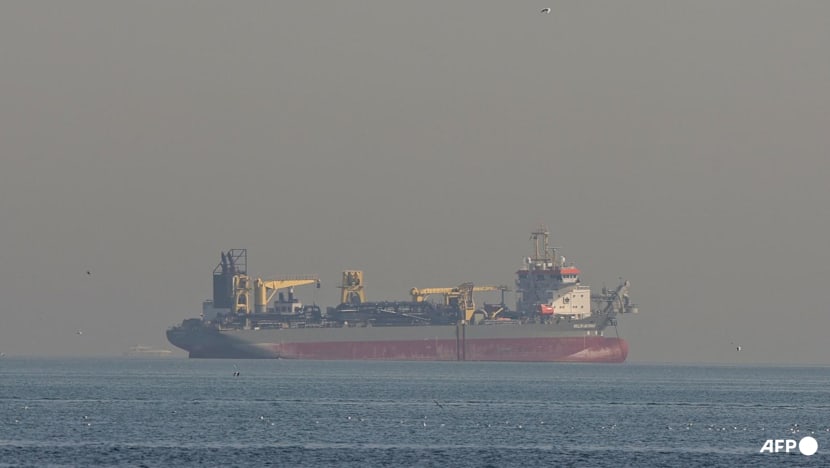
An oil tanker is pictured offshore in Dubai on Mar 1, 2026. (File photo: AFP/Fadel Senna)
SINGAPORE: Oil prices surged more than 8 per cent to their highest in months on Monday (Mar 2) as Iran and Israel stepped up attacks in the Middle East, damaging tankers and disrupting shipments from the key producing region.
Brent crude futures struck a high of US$82.37 a barrel and was at US$79.34, up US$6.47, or 8.88 per cent, by 11.05pm GMT (Monday, 7.05am, Singapore time).
US West Texas Intermediate crude jumped US$5.36, or 8 per cent, to US$72.38 a barrel after touching a high of US$75.33 earlier.
Israel launched a new wave of strikes on Tehran on Sunday, and Iran responded with more missile barrages, a day after the killing of Supreme Leader Ali Khamenei pitched the Middle East and the global economy into deepening uncertainty.
At least three tankers were damaged off the Gulf coast and one seafarer was killed as Iranian retaliation for US and Israeli strikes exposed ships to collateral damage, shipping sources and officials said on Sunday.
Most tanker owners, oil majors and trading houses have suspended crude oil, fuel and liquefied natural gas shipments via the Strait of Hormuz, trade sources said, after Tehran warned ships against moving through the waterway.
More than 20 per cent of global oil is moved through the Strait of Hormuz.
While some alternate infrastructure could be used to bypass the Strait of Hormuz, the net impact from its closure would be a loss of 8 million to 10 million barrels per day of crude oil supply, even after diverting some flows through Saudi Arabia's East-West pipeline and Abu Dhabi's pipeline, said Rystad energy economist Jorge Leon.