







Ukraine drones blamed for cargo ship sinking as Russian oil exports disrupted
MOSCOW: A cargo vessel carrying wheat sank in the Sea of Azov after coming under attack from Ukrainian drones, a Russia-installed official said on Sunday (Apr 5), as separate reports pointed to continued disruption of Russia’s oil export infrastructure.
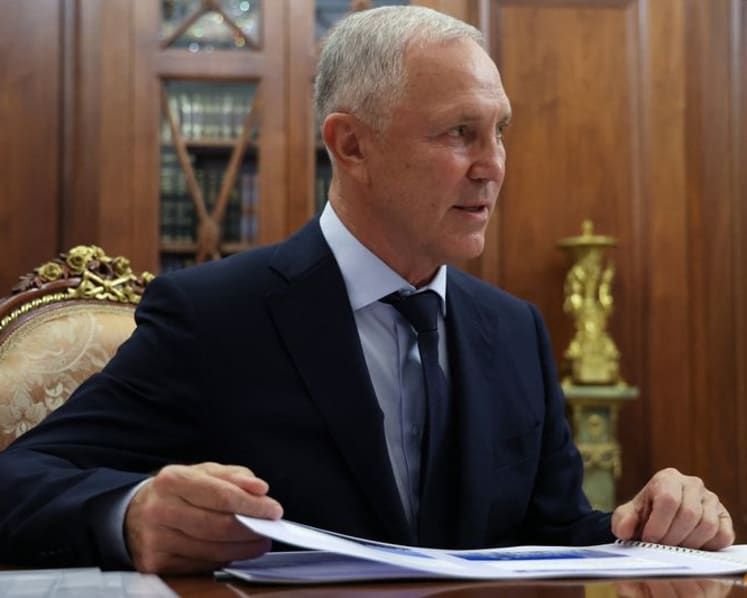
Vladimir Saldo, the Moscow-appointed head of the Russian-controlled part of Ukraine’s Kherson region, said the incident occurred on Friday but only became known on Sunday after survivors reached shore.
He accused Ukraine of carrying out a “terrorist attack” on the vessel, though Kyiv has not commented and Reuters could not independently verify the claim.
CREW CASUALTIES AFTER SHIP SINKS
Saldo said the ship, identified as the Volgo-Balt, sank after the attack, forcing the crew to abandon it.





Nine crew members, all Russian nationals, were later found alive near the village of Strilkove in the Kherson region, he said.
An aide to the captain was killed and two others were missing, while the captain was recovering in hospital. An investigation into the incident was under way, according to the official.
“This is not the first instance of Ukraine attacking a merchant ship in neutral waters. There will be a response to this crime,” Saldo said.

DRONE STRIKES DISRUPT RUSSIAN OIL EXPORTS
Separately, Russia’s key Baltic port of Ust-Luga has resumed crude loading after days of disruption caused by Ukrainian drone attacks, Bloomberg News reported.
An Aframax-class tanker, the Jewel, began loading cargo on Saturday, according to shipping data cited in the report. Reuters could not immediately verify the information, and Russian pipeline operator Transneft did not respond to requests for comment.
Ukrainian drones have struck Ust-Luga multiple times in recent weeks, targeting crude oil loading facilities, according to industry sources.
ENERGY INFRASTRUCTURE UNDER PRESSURE
Drone attacks, along with other disruptions including a disputed pipeline strike and tanker seizures, have affected a significant portion of Russia’s oil export capacity.
Reuters reported last month that up to 40 per cent of Russia’s oil export infrastructure had been impacted, based on market data calculations.
The developments come as both Russia and Ukraine continue to target energy and logistical assets, as the war enters its fourth year with no clear resolution in sight.




