







US stocks cut losses on Netanyahu war comments as energy prices soar again
Wall Street trimmed losses as energy surged after Israeli Prime Minister Netanyahu said the war could end “a lot faster than people think”.
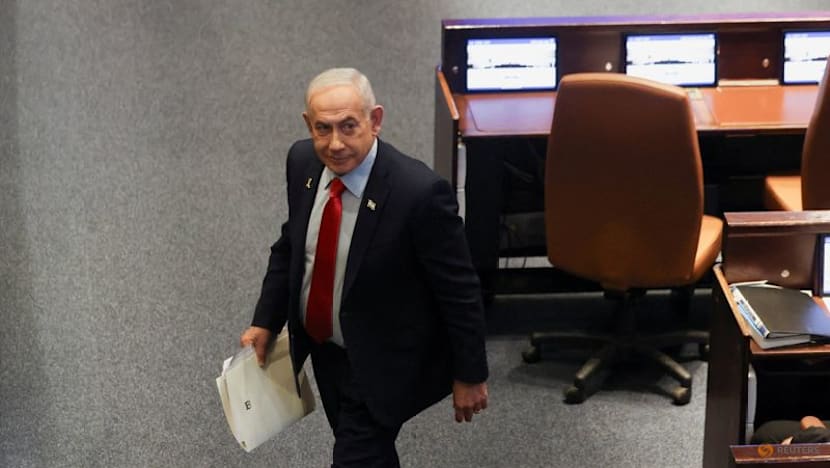
Israeli Prime Minister Benjamin Netanyahu attends a session at the plenum of the Knesset, Israel’s parliament, in Jerusalem Jan 5, 2026. (Photo: REUTERS/Ronen Zvulun)
NEW YORK: Energy prices soared during a volatile session Thursday (Mar 19), while Wall Street stocks trimmed losses after Israeli Prime Minister Benjamin Netanyahu said the war with Iran could finish sooner than expected.
Major Wall Street indices were headed to significant losses following gloomy sessions in Europe and Asia, but got a boost from Netanyahu's press conference shortly before the US market closed.
Netanyahu said he sees "this war ending a lot faster than people think," the Israeli leader told a press conference, while vowing that Iran's efforts to "blackmail the world" by shutting the Strait of Hormuz were doomed to failure.
The broad-based S&P 500 finished at 6,606.49, down 0.3 per cent but up about 50 points from its session lows.
The stock market's move higher was "kind of reflexive," said Briefing.com analyst Patrick O'Hare, who described the market's reaction as a mix of optimism and caution.
The market "is taking it somewhat hopefully but also reservedly because the fact of the matter is that the war isn't over yet," he said.
Surging energy prices had battered equity markets earlier Thursday, with Frankfurt, Paris and London all losing two percent or more following similar declines in Tokyo and other Asian markets.
International benchmark Brent crude rose more than five percent to top US$115 per barrel and US contract WTI briefly topped US$100 as Tehran targeted regional installations in retaliation for an Israeli strike on a site serving its massive South Pars field, which it shares with Qatar.
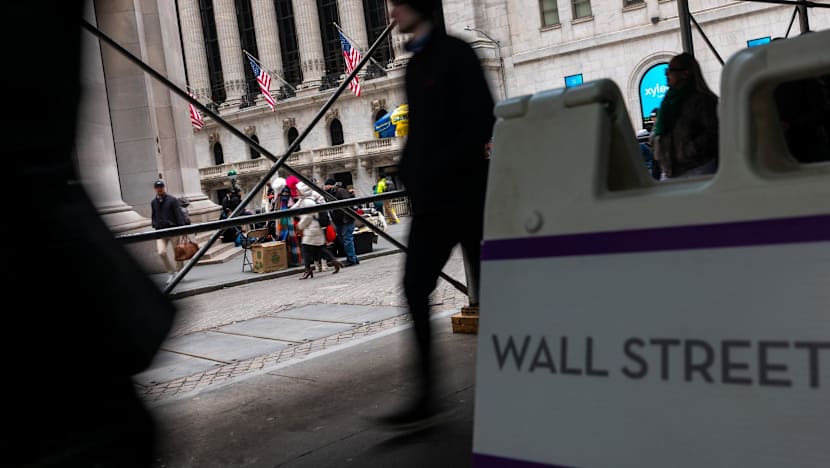
But oil markets moderated later in the day, with Brent finishing up 1.2 per cent and WTI ending slightly lower.
European gas prices also soared by more than a third on fears of the impact on energy supplies before edging back down.
"The prospect of a longer, more drawn-out conflict is in sharp focus, as both sides ratchet up attacks on energy infrastructure," said Susannah Streeter, chief investment strategist at Wealth Club.
"Downbeat sentiment is spreading fast ... as investors assess the repercussions for the global economy," she added.
Repeated attacks on energy infrastructure in recent days have only deepened fears that the US and Israeli war on Iran launched on Feb 28 may be evolving into an energy war with painful and lasting consequences for the global economy.
Energy markets looked poised for more volatility given bombastic rhetoric.
US President Donald Trump warned of a furious US response if Tehran did not halt strikes on Qatar.
Iran responded that it would have "zero restraint" if its energy infrastructure was hit again.
In foreign exchange markets, the dollar fell by more than one per cent against the euro, the yen and the pound following a two-day round of central bank meetings.
The Bank of England, the Bank of Japan and the European Central Bank all held interest rates on Thursday, after the US Federal Reserve had kept its borrowing costs unchanged on Wednesday.
ECB President Christine Lagarde issued a stark warning that the world was undergoing a "severe shock" due to the war, posing a "risk to the euro area economy," potentially weighing on growth and pushing up inflation, she said.
"A prolonged war could increase energy prices further and for longer than currently expected and also weigh on confidence," she said.
Lagarde remained tight-lipped on future monetary policy decisions but analyst O'Hare said the retreat in the dollar reflected investor belief that the other central banks are more likely to hike rights in the coming period, whereas the Fed is more likely to keep rates flat.





