







Airlines in Asia raise fares as jet fuel prices spike, but what if the Middle East war drags on?
A Singapore Airlines spokesperson said the fare hikes partially defray the higher fuel costs but do not fully cover the increase.
.jpg?itok=hmZdPDJM "Airlines in Asia raise fares as jet fuel prices spike, but what if the Middle East war drags on?")
A Singapore Airlines plane on the tarmac at Changi Airport in Singapore on May 13, 2022. (File photo: AFP/Roslan Rahman)

This audio is generated by an AI tool.


SINGAPORE: Airlines in Asia are raising fares as jet fuel prices have more than doubled amid the Middle East conflict, with Singapore Airlines (SIA) and its budget subsidiary Scoot among those affected.
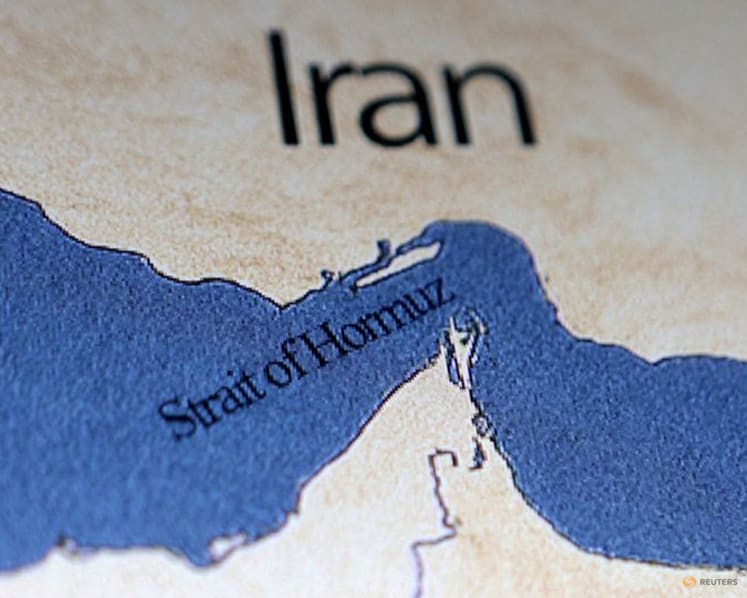
Aviation analysts said Asian airlines and airports could be particularly hard hit, as much of the oil passing through the blocked Strait of Hormuz is destined for Asian markets. Some airlines have already suspended selected flights, but more may do so if the war drags on.
An SIA spokesperson told CNA that the national carrier and Scoot have increased airfares across their networks in response to the spike in jet fuel prices.
Hong Kong flag carrier Cathay Pacific announced on Thursday (Mar 26) that it would increase its fuel surcharges for all flights by 34 per cent from Apr 1, and review them every two weeks.





Thai Airways said it would raise fares by 10 per cent to 15 per cent to address rising fuel costs.
Budget carriers are also increasing prices. Malaysian budget carrier AirAsia X said in response to CNA queries that it has made adjustments to fares across its network following the recent rise in global jet fuel prices, describing the measure as temporary.
Philippine budget airline Cebu Pacific said that, for the next few months until May, it has raised fares by 20 to 26 per cent due to the fuel price spike.
The impact of the conflict on airlines and airports in the region could be severe, said Mr Mayur Patel, regional commercial and industry affairs leader for Asia Pacific, Middle East and Africa at aviation consultancy OAG Aviation.
The Strait of Hormuz, which has effectively become impassable, carries around 20 per cent of the world’s oil supply. Of the crude oil that passes through the strait, 84 per cent is destined for Asian markets.
Jet fuel is refined from crude oil.
“Asia obtains the majority of its oil needs from the Middle East and has been affected more than other regions by the effective closure of the strait,” said Mr Patel.
Related:
Aviation fuel has nearly doubled in price, rising from between US$85 (S$108) and US$90 per barrel last month to between US$150 and US$200 per barrel, noted Mr Patel.
According to the International Air Transport Association's (IATA) fuel price monitor, the weekly average price per barrel of jet fuel was US$197 in the week ending Mar 20.
Before the Middle East conflict erupted on Feb 28, crude oil was priced at about US$67 per barrel. It rose above US$100 per barrel earlier this month before moderating.
According to a New York Times report, jet fuel prices have risen faster and more sharply than crude oil because it is often the first refined product to run short.
This is in part because jet fuel is held to stricter quality standards than other fuels. It must be stored in specialised tanks, and it cannot be stored for long periods without degrading.
This means there is less buffer to absorb supply disruptions. Jet fuel also depends on specific components that are harder to substitute, leaving fewer alternatives when supplies tighten, said the NYT report.
It added that countries that extract crude oil are also often not the ones that refine it. For instance, South Korea is a major exporter of jet fuel but relies heavily on imported crude.
What are other airlines doing?
As of Mar 25, some airlines have raised fares and revised financial outlooks, given the surge in jet fuel prices.
Air France
The airline group said it planned to increase long-haul ticket prices to address surging fuel costs, with cabin fares set to rise by 50 euros (US$57) per round trip.
Air New Zealand
The airline was one of the first to announce broad increases to ticket prices. It also suspended its full-year earnings forecast due to fuel market volatility.
The price hikes for one-way economy fares are set at NZ$10 (US$6) on domestic routes, NZ$20 on short-haul international services and NZ$90 on long-haul flights, with further price, network and schedule changes possible if fuel costs remain elevated.
Akasa Air
India's Akasa Air said it was introducing a fuel surcharge ranging between 199 and 1,300 Indian rupees (US$2 and US$14) on domestic and international flights.
American Airlines
The US carrier said it expected a US$400 million increase in first-quarter expenses.
EasyJet
EasyJet CEO Kenton Jarvis said European consumers should expect higher ticket prices towards the end of summer, when existing fuel hedges come to an end.
Hong Kong Airlines
The airline said it would raise fuel surcharges by up to 35.2 per cent from Mar 12, with the sharpest increase on flights between Hong Kong and the Maldives, Bangladesh and Nepal, where charges would rise to HK$384 (US$49) from HK$284.
IndiGo
India's biggest airline said it would introduce fuel charges on domestic and international flights from Mar 14, including a charge of 900 rupees for flights to the Middle East and a charge of 2,300 rupees for flights to Europe.
Pakistan International Airlines
The carrier said it would raise respective domestic and international flight fares by US$20 and by up to US$100.
United Airlines
The US airline is cutting unprofitable flights over the next two quarters as it prepares for oil prices to remain above US$100 until the end of 2027, CEO Scott Kirby said.
Vietjet
The Vietnamese budget airline said it had adjusted flight frequency on selected routes due to potential fuel shortages.
Vietnam Airlines
The carrier plans to cancel 23 flights per week across domestic routes from April, Vietnam's aviation authority said, after the airline requested government assistance to remove an environmental tax on jet fuel.
COSTS AND TICKET PRICES
Passing costs on to consumers is inevitable, aviation analysts said.
Mr Patel said aviation fuel accounts for 20 to 30 per cent of an airline’s operating expenses.
“Airlines may be forced to raise ticket prices by between 5 per cent and 10 per cent, or more, if carriers fail to optimise operational costs and fuel management strategies,” said Mr Patel.
The SIA spokesperson said fuel costs accounted for about 30 per cent of the airline group’s expenditure in the nine months ending Dec 31, 2025, making it the airline's single largest cost item.
The spokesperson added that the fare hikes partially defray the higher fuel costs, but do not fully cover the increase.
“SIA and Scoot will monitor the situation closely and make further adjustments, as necessary,” the spokesperson said.
SIA also announced earlier this month that it will cancel flights to Dubai until Apr 30 amid the conflict.
AirAsia X’s deputy group chief executive officer, Mr Farouk Kamal, said the airline will “dynamically monitor market conditions and react proactively as and when needed”.
The adjustment to the fuel surcharges was necessary and will allow the airline to maintain operational reliability while sustaining its network connectivity across the region, Mr Farouk added.
Mr Alfred Chua, Asia air transport editor for aviation publication FlightGlobal, said any fluctuation in fuel prices will have a significant impact on airline profitability.
One reason is that the industry already operates on thin margins, he said. Data from the IATA showed that airlines made an average net profit of about US$7 per passenger in 2025.
To mitigate the impact, airlines can pass on costs in two ways: through fuel surcharges or by increasing base ticket prices. A fuel surcharge is an additional variable fee added to a ticket’s base fare.
Mr Chua said airlines will likely increase fuel surcharges as a “first line of mitigation” before raising base fares to cope with rising costs.
Suspending flights or reducing the frequency of flights is another strategy airlines have adopted to cut costs, as seen with Cebu Pacific.
WHAT IF THE WAR DRAGS ON?
Airlines have long used fuel hedging to buffer against volatile fuel prices, analysts said. Fuel hedging involves locking in fuel prices in advance to avoid being hit by sudden price spikes.
But fuel hedging is only partially effective, said Mr Patel, as most programmes are tied to crude oil benchmarks rather than the refined aviation fuel that airlines actually use.
In the past month, aviation fuel has risen at a much quicker rate than crude oil.
“Many Asian airlines had no hedging or only hedged against the (crude) oil price benchmark,” said Mr Patel.
Airlines that hedge fuel prices also cannot do so indefinitely, said Mr Chua, and the “protected” prices may not last long.
“Several airlines have, for now, stressed that they remain financially sound to withstand the fuel price shocks,” said Mr Chua.
“But if this drags on for longer, we really could start to see fewer operators able to hold on for longer.”
Fuel made up about 30 per cent of Cathay Pacific's operating costs in 2025, but partial hedging that excludes the refinery component has left it vulnerable to the spike in prices, Hong Kong's flagship airline said.
"If the steep increase in fuel costs cannot be effectively mitigated, we would not be able to sustain the effective operations of our network," Cathay Pacific said.
President of Philippine Airlines Richard Nuttall said the flag carrier has enough jet fuel supply for the next couple of months, with domestic fuel shipments secured to keep the airline operating until the end of June.
He added that petroleum companies are continuing to refine and will have ample supply in April to support operations through the end of May.
Beyond May to June, however, "we don't have visibility, and everybody is looking to source fuel beyond that", Nuttall told CNBC.





