







ASEAN mulls sharing fuel, food resources as fears of prolonged disruptions grow
Leaders proposed a regional fuel stockpile and a standby arrangement for food security at the 48th ASEAN Summit on Friday (May 8).
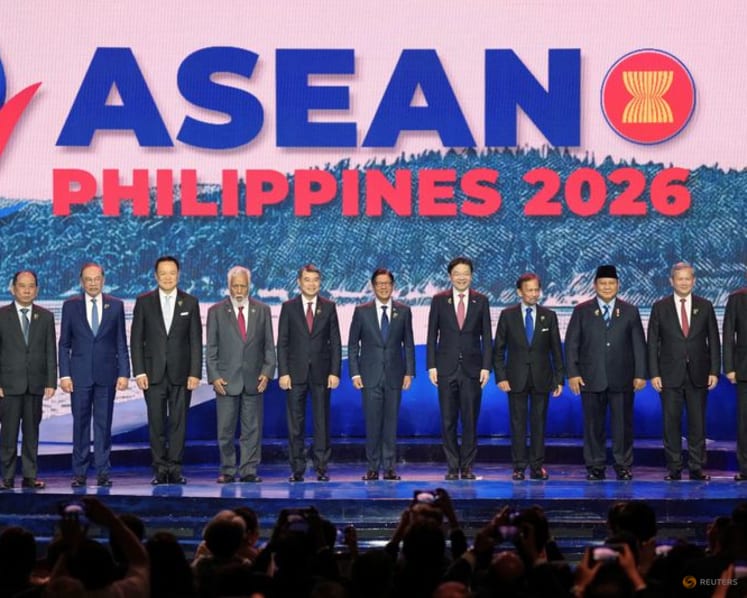
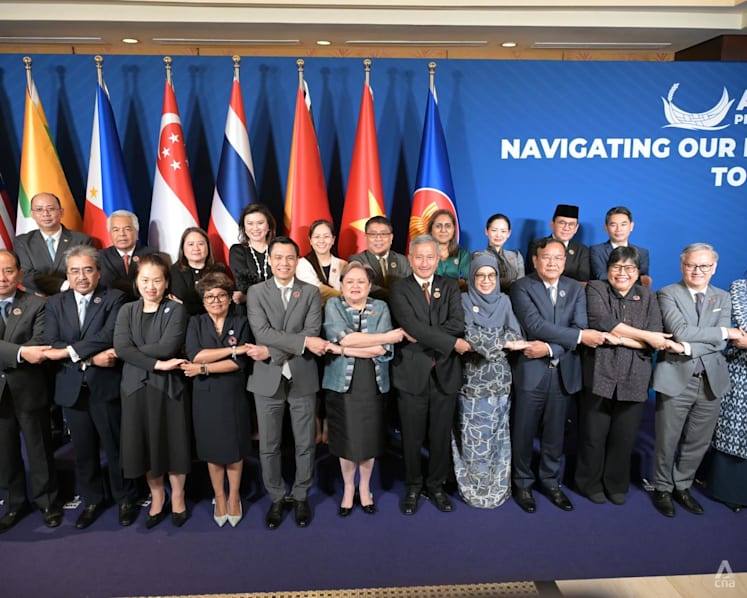
A group photo of leaders at the opening ceremony of the 48th ASEAN Summit and Related Meetings, in Cebu, Philippines, May 8, 2026. (From left) Myanmar's Permanent Secretary of the Ministry of Foreign Affairs U Hau Khan Sum, Malaysia's Prime Minister Anwar Ibrahim, Thailand's Prime Minister Anutin Charnvirakul, Timor-Leste's Prime Minister Xanana Gusmao, Vietnam's Prime Minister Le Minh Hung, Philippine President Ferdinand Marcos Jr., Singapore's Prime Minister Lawrence Wong, Brunei's Sultan Hassanal Bolkiah, Indonesia's President Prabowo Subianto, Cambodia's Prime Minister Hun Manet, and Laos’ Prime Minister Sonexay Siphandone. (Photo: Aaron Favila/Pool via Reuters)

This audio is generated by an AI tool.


CEBU: A regional fuel stockpile and a standby arrangement for food security were among measures proposed on Friday (May 8) at the Association of Southeast Asian Nations (ASEAN) Summit, as member countries continue to grapple with the impact of the Middle East conflict.
Philippine President Ferdinand Marcos Jr, the 2026 chair of the 11-member bloc, urged member states to pursue “practical cooperation” in an increasingly uncertain world.
Prolonged closure of the Strait of Hormuz - the waterway through which Asia obtains a significant share of its oil and gas - in the Middle East war has strained energy and fertiliser supplies, raising prices and threatening livelihoods.
“At a time of heightened volatility, ASEAN must strengthen coordination and reinforce preparedness, (and) pursue practical collective measures to safeguard a stable energy supply and improve interconnectivity,” Marcos said in his opening remarks at the plenary.





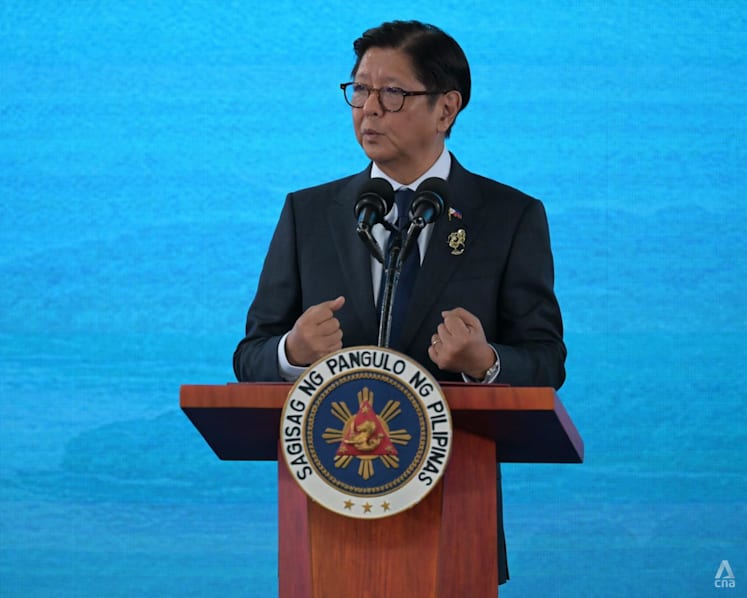
On the regional fuel stockpile, Marcos told the media after the summit that ASEAN leaders had discussed a "mechanism" for having a "reservoir" of different fuel products that can be shared among member states.
"The situation right now is very different for each country. Some countries have a surplus of a certain kind of fuel. Other people have a shortage, and we're trying to balance that out," he said at a press conference.
"And when something like this happens - a war happens and a trade route like the Strait of Hormuz is closed with all the attendant effects - we have somewhere to immediately run to for emergency supply."
In a joint declaration released on Saturday, ASEAN member states expressed "serious concern over the escalation of conflict in the Middle East", stating that the conflict posed a "grave threat" to the lives and safety of civilians, as well as to regional and global peace and stability.
"We call on all countries to respect international law, including the Charter of the United Nations," the declaration said, mentioning Israel, the United States and Iran by name as well as listing in full the Gulf nations that have been targeted by Tehran's retaliatory attacks.
On Thursday, The Associated Press had reported that - based on a draft declaration it saw - ASEAN was expected to issue a joint declaration that includes plans to launch a contingency plan that upholds international law, sovereignty and freedom of navigation in response to the Middle East conflict.
But Saturday's declaration and a separate statement on ASEAN's response to the conflict did not mention such a "contingency" plan.
The declaration did, however, reaffirm the importance of "navigational rights and freedoms" enshrined in the United Nations Convention on the Law of the Sea (UNCLOS), including the right of transit passage in straits used for international navigation.
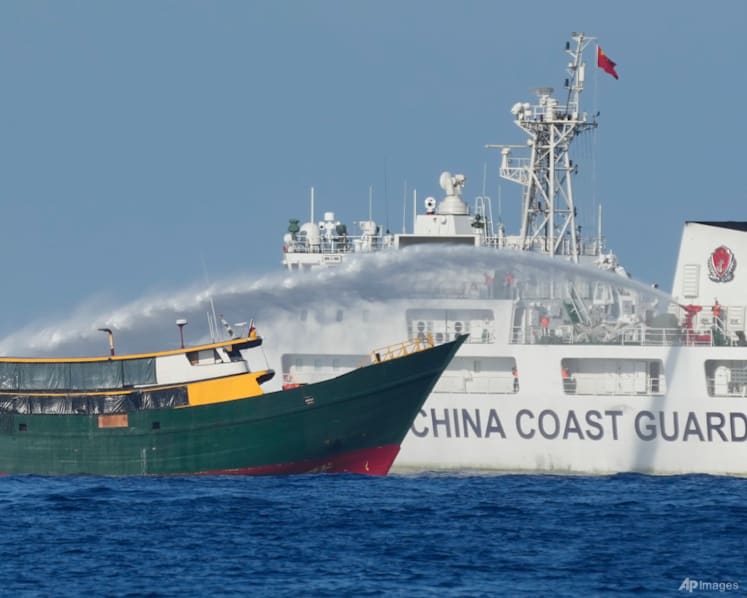
This includes freedom of navigation in and overflight above the South China Sea, ASEAN said, as it welcomed "progress" in ongoing negotiations on a code of conduct in the resource-rich waterway.
Since the 1990s, the regional bloc has been trying to negotiate a framework to manage disputes in one of the world’s most contested waterways with China, but talks have repeatedly stalled.
In 2023, ASEAN and China agreed on guidelines to accelerate negotiations, with a goal of completing the code within three years.
"We encouraged efforts to make full use of the guidelines ... and looked forward to the early conclusion of an effective and substantive COC (Code of Conduct) that is in accordance with international law, including the 1982 UNCLOS," the latest joint declaration said.
The declaration also highlighted the planned establishment of the ASEAN Maritime Centre in the Philippines, noting that it will support the work of ASEAN and ASEAN-led mechanisms on maritime-related issues and promote cross-sectoral and cross-pillar collaboration among ASEAN member states.
In response to a question on sensitivities with China, Marcos told reporters that Manila's proposal for the centre was aimed at protecting freedom of navigation in the South China Sea and "not to confront or not to somehow push back on any single force or any single country".
"As we all know, a large percentage of world trade goes through the South China Sea," he said, pointing to how the closure of the Strait of Hormuz has brought damaging effects for energy supply.
"But if such a thing would happen in the South China Sea, the inevitable consequences would be alarming, just to even think about."
BOOSTING ENERGY SECURITY
On Thursday, Malaysia’s Investment, Trade and Industry Minister Johari Ghani reportedly said that ASEAN is exploring the possibility of establishing a regional fuel stockpile to improve resilience against future supply disruptions.
The proposal would allow member states to coordinate fuel needs and reserves as a regional grouping instead of acting individually, he said on the sidelines of the summit, held in Cebu in central Philippines.
Johari said the proposed framework could involve the private sector and enable all ASEAN member states to access the stockpile and attract more investment into the energy sector in future.
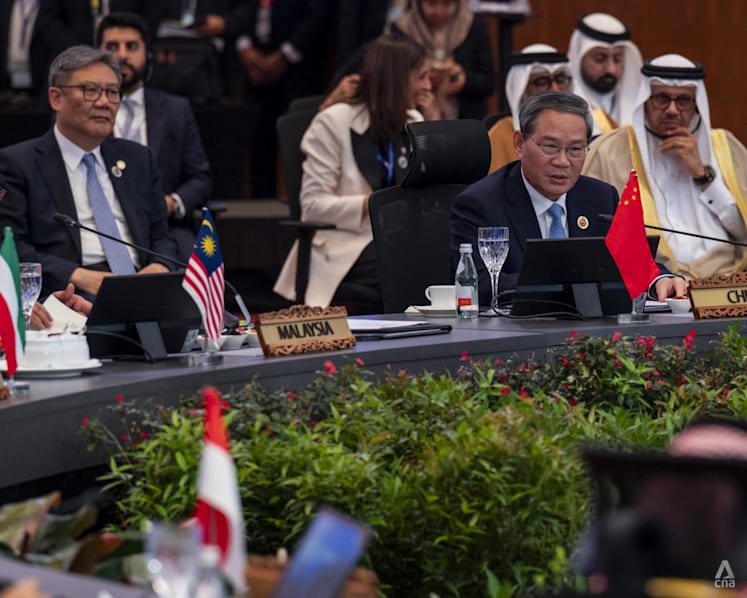
Malaysia Prime Minister Anwar Ibrahim said on Friday ASEAN must recognise that strategic collaboration with trusted partners and regional groupings can strengthen ASEAN’s long-term energy security.
“In this context, ASEAN should fully leverage cooperation with the Gulf Cooperation Council (GCC), including the broader ASEAN-GCC-China nexus, to build more reliable and resilient energy arrangements,” he said in his plenary remarks.
ASEAN, Gulf states, as well as China held a historic first meeting at last year’s ASEAN Summit pledging to build a new model of cooperation against a backdrop of an “increasingly complex” global environment.
Common interests include strengthening food and energy security, confronting climate change by investing in clean energy, and protecting freedom of navigation and the safety of maritime lanes.
Anwar on Friday reiterated ASEAN’s need to diversify fossil fuel sources and reduce over-dependence on vulnerable supply chains, noting that restoring “order” in trade routes and energy prices could take up to 18 months, depending on geopolitical developments.
“At the same time, the ASEAN Power Grid remains central to our energy transition and long-term security. Greater investment is needed to accelerate cross-border interconnectivity and low-carbon growth,” he added.
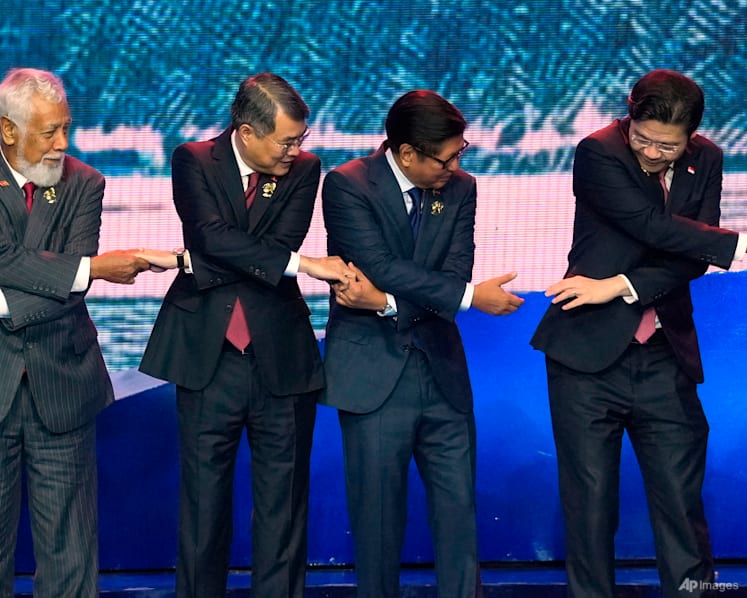
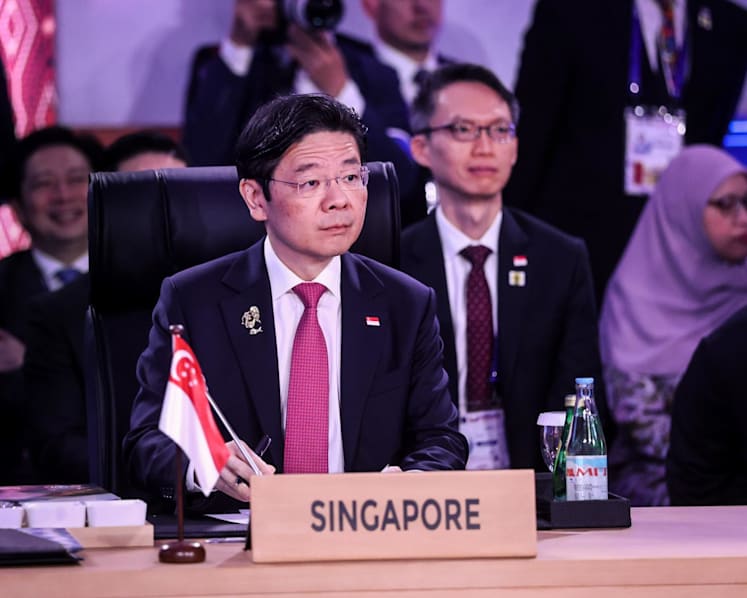
Singapore Prime Minister Lawrence Wong cautioned that even if the Strait of Hormuz were opened tomorrow, it would take at least months for damaged infrastructure to be repaired and for goods to flow again.
ASEAN should reinforce its collective energy security and work towards “swift ratification” of the ASEAN Petroleum Security Agreement as another tool to tackle energy crises, he said.
The agreement is aimed at improving energy security among ASEAN member states, primarily through a voluntary, commercial-based petroleum-sharing scheme during supply emergencies.
Wong encouraged member states to go beyond the agreement and use it as a basis for other measures that could strengthen ASEAN’s collective energy security.
“I know that our ministers and officials have also been discussing various ideas, including the possibility of a regional fuel stockpile,” he said.
CALL TO STRENGTHEN FOOD SECURITY ARRANGEMENT
On food security, Anwar proposed exploring a “regional standby arrangement for food security” during crises.
While Anwar did not give details on how such an arrangement might work, he said it will ensure faster coordination and emergency response among member states.
“The energy crisis is already feeding directly into food insecurity. Higher fuel prices are raising fertiliser, transport and production costs, creating immediate supply pressures across the region,” he said.
“If disruptions persist, ASEAN faces the risk of lower yields and sustained food inflation well into next year. Food security must therefore be treated as a regional strategic priority.”
Anwar also suggested strengthening the ASEAN Plus Three Emergency Rice Reserve mechanism by expanding it to include fertilisers.
The mechanism, which includes the ASEAN member states plus China, Japan and South Korea, involves stockpiling rice for immediate release during disasters, without disrupting market prices.
Singapore’s Wong said intra-ASEAN supply chains should be strengthened, especially for critical goods like food.
“The upgraded ASEAN Trade in Goods Agreement (ATIGA) is actually timely, because it reduces non-tariff barriers to food trade and encourages the exchange of food safety information,” he said, adding that such initiatives can complement existing efforts under the ASEAN Plus Three Emergency Rice Reserve.
The ATIGA was upgraded in October last year to improve the free flow of goods between ASEAN member states and achieve lower business costs, increased trade, and a larger market and economies of scale for businesses.
“Where food is concerned, ASEAN is in fact a major production centre, accounting for almost 10 per cent of global agricultural exports. We should tap on our inherent strengths to better meet the needs of our people,” Wong added.
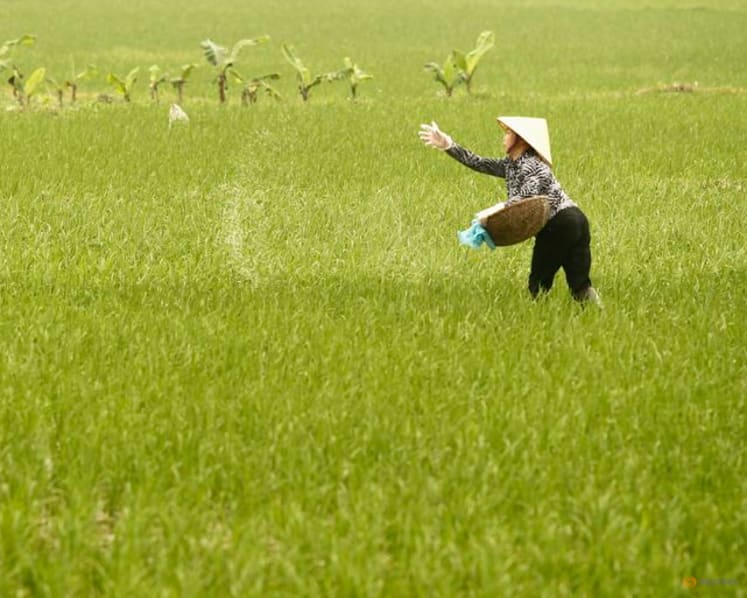
Marcos said the closure of the Strait of Hormuz has “quickly affected” food prices and supply, especially of fertilisers, and the welfare of ASEAN residents.
“Our task is to ensure that ASEAN remains responsive to strengthen and expand intra-ASEAN trade and build the capacities to safeguard and fortify our food systems across the region,” he said.
“Digital innovation can help us anticipate shortages, improve agricultural productivity, and support responsive decision-making so that our peoples in vulnerable situations are better protected.”
Marcos also called on members to harness innovation, including inclusive and responsible applications of artificial intelligence to improve energy forecasting, strengthen grid management and system flexibility, and support clean energy transition.
Indonesian President Prabowo Subianto urged ASEAN countries to accelerate energy diversification, saying it was no longer optional but “necessary”.
“We must move faster. We must go through alternative sources and we must prepare renewables,” he said, as quoted by the news agency Antara, warning that the pressure on energy supply is unlikely to subside anytime soon.
Later on Friday during the leaders’ retreat, Thailand Prime Minister Anutin Charnvirakul urged member states to move beyond national positions, prioritise collective regional interests, and translate them into concrete actions.
“ASEAN must also enhance coordination and decision-making mechanisms, as speed and cohesion are critical in times of crisis,” government spokeswoman Rachada Dhnadirek quoted him as saying.





