‘Feels more intense’: Malaysians and Indonesians grapple with heatwave as experts warn of worsening spells
Fewer food deliveries, less focus in class. People in Southeast Asia have to find ways to adjust as the ongoing heatwave becomes harder to bear.
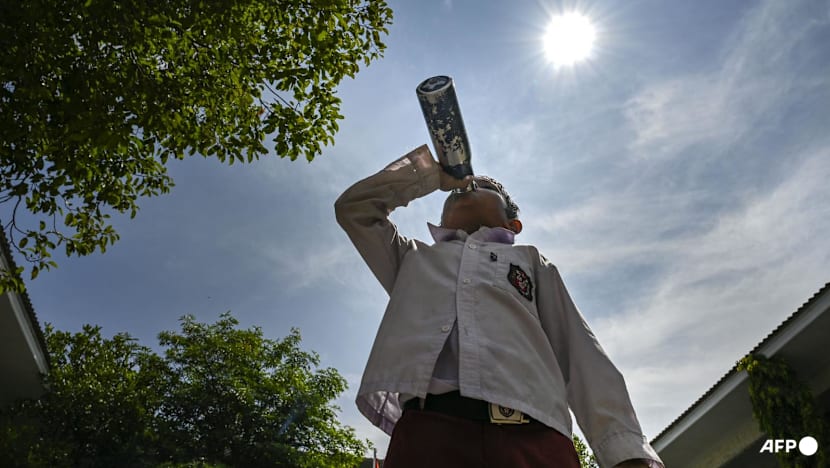
A child drinks water outside his classroom during a heatwave at a primary school in Aceh. (File Photo: AFP/Chaideer Mahyuddin)

This audio is generated by an AI tool.




SINGAPORE: The recent hot weather has become increasingly harder for Malaysian delivery rider Mohd Safarin Jaafar to ignore.
“It isn’t like normal days,” the 47-year-old Klang Valley resident told CNA over the phone.
“This heat feels even more intense, especially from midday to (late) afternoon.”
To cope with the heat, he tries to work during cooler periods, such as in the early morning or at night, but he still has been forced to cut back on the total hours and number of daily delivery orders.
“One of my main challenges is getting tired more quickly. I (often) feel dehydrated and need to take more frequent breaks to avoid health risks like dizziness or fainting,” Safarin said.
“I could usually take on between 20 and 25 orders a day but, now, I can only manage around 15 to 18,” he said, adding that the heat may also make food turn bad more easily.






Malaysia is currently experiencing a heatwave, with temperatures soaring to above 37 degrees Celsius in states like Perlis, Perak and Kedah.
The capital Kuala Lumpur was placed under a Level 1 heatwave alert by the Malaysian Meteorological Department (MetMalaysia) last Monday (Mar 23).
The alert is issued when daily maximum temperatures range between 35 and 37 degrees Celsius for at least three consecutive days.
In a statement on Mar 25, the Malaysian health ministry urged the public to avoid being out during the peak heat hours between 11am and 4pm, and to plan outdoor activities carefully to reduce the risk of heat-related illnesses.
Heat-related illnesses range from mild fatigue and headaches to more severe conditions like heatstroke, dehydration and even comas, it said.
MetMalaysia’s director-general Mohd Hisham Mohd Anip said the heatwave is expected to persist until June, with temperatures peaking between mid-March and mid-April and reaching 38 degrees Celsius, especially in the northern states.
The heatwave has also been straining water resources. Ten dams including the Muda dam, the second-largest reservoir in Kedah, have fallen to “cautionary” levels of below 70 per cent capacity, reported news outlet Malay Mail on Friday.
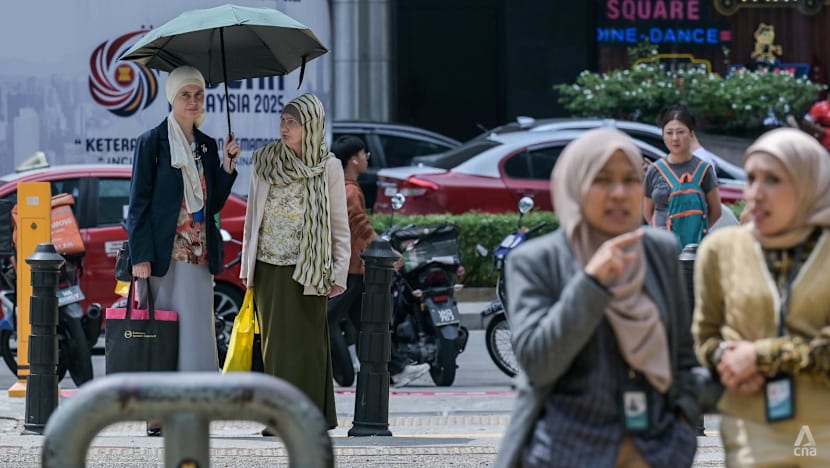
Malaysia is not alone: other countries in the region are also bracing for hotter-than-usual weather.
Temperatures across much of maritime and mainland Southeast Asia are expected to be “above normal” between March and May, according to the ASEAN Specialised Meteorological Centre (ASMC).
Singapore has been grappling with drier than usual weather over the past week, which has also resulted in higher temperatures, said Meteorological Service Singapore (MSS).
Thailand and Vietnam both experienced intense heat last week, with Thailand recording temperatures of up to 40 degrees Celsius across its northern, northeastern and central regions, while northern and central Vietnam saw highs of up to 38 degrees Celsius.
Vietnam’s National Center for Hydro-Meteorological Forecasting added that temperatures could rise further in early April.
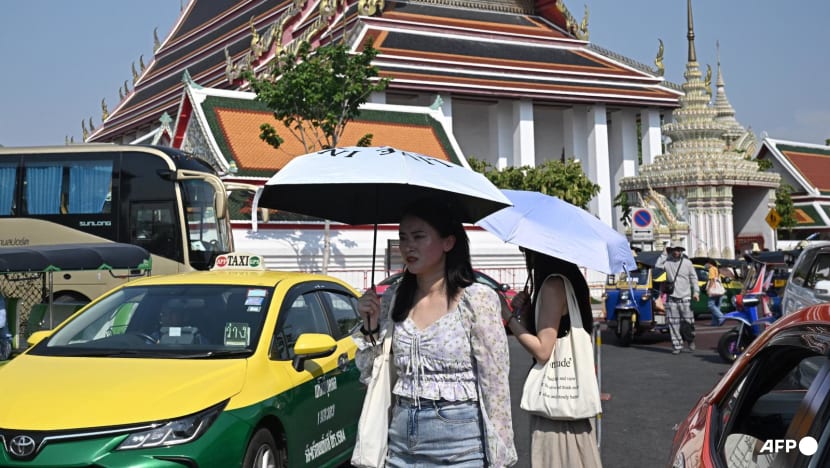
Malaysia and Indonesia are more likely to see above-normal temperatures over the next three months, according to ASMC.
Temperatures in Jakarta reached 35.6 degrees Celsius during the recent Hari Raya holiday week, according to Indonesia’s Meteorology, Climatology and Geophysics Agency (BMKG).
Ultraviolet (UV) radiation levels were also listed as dangerous on Mar 17, said BMKG, which urged the public to limit outdoor activities to reduce the risk of direct sun exposure.
Surging temperatures had been reported earlier in regions like Tasikmalaya city in West Java, which reached 37.2 degrees on Mar 13, according to a Tempo news report.
Rainfall has also resumed in many parts of the country and temperatures are returning to normal, BMKG’s director for climate change Fachri Radjab told CNA on Mar 26, describing normal daily temperatures in the country to be between 28 and 32 degrees Celsius during March to May.
However, he noted that some regions will enter the dry season in April, with peaks expected in August and September.
“During this period, skies are generally clearer with fewer clouds, allowing maximum solar radiation, which can make the weather feel hotter and more humid,” Fachri said.


TOO HOT TO FUNCTION
The hotter-than-usual weather is already reshaping daily routines, with more people avoiding outdoor activities and seeking relief in air-conditioned spaces.
Yee Ann Jee, 21, a university student in Kuala Lumpur, told CNA that she finds it increasingly harder to stay focused during classes and has developed heat rash on her neck and arms because of the “harsher” weather.
“I find myself sweating even in an air-conditioned classroom,” Yee said, adding that the heat has also made her more lethargic.
To keep cool, she enjoys going to the gym, which she said helps her stay active while avoiding the heat.

In Jakarta, Nisa Ulfikriah, who works as a museum staff at Taman Mini Indonesia Indah, a local cultural park, has noticed fewer customers and visitors.
“I’ve also avoided being outdoors and if I do have to go outside, I make sure to bring a small portable fan and stay hydrated,” she told CNA.
Another Jakarta resident, Sharida Shahnaz Parayeel, 25, has taken to wearing a special jacket that offers protection against ultraviolet rays and applies sunscreen when she goes out.
“It’s hotter than usual, it feels really dry and is affecting my daily routine,” she said.
More people have “fallen sick with sore throat or cold” in the past week, especially in the lead-up to Hari Raya Aidilfitri, she added.
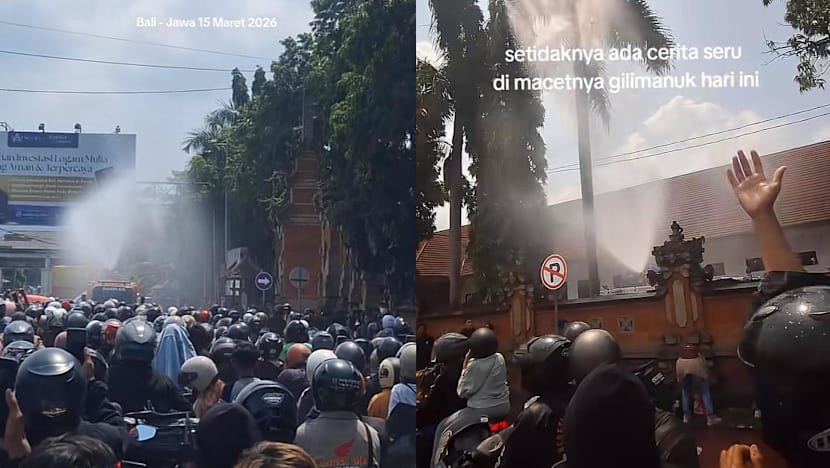
WHAT’S DRIVING THE EXTREME HEAT
Extreme heat in parts of Southeast Asia is being driven by a combination of factors, with El Nino playing a key role, experts told CNA.
Occurring every two to seven years, the natural climate pattern is linked to warming ocean surface temperatures in the central and eastern Pacific - and typically raises temperatures by 0.5 to 2 degrees Celsius.
Its effects in Malaysia have included lower dam levels, forest fires and haze.
But experts said the current heat is not due to a single cause. Instead, it reflects a combination of lingering El Nino conditions, seasonal weather patterns and climate change.
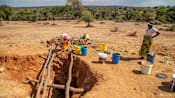
Mohd Shahrul Mohd Nadzir, a senior lecturer at Universiti Kebangsaan Malaysia, said the region is now in the inter-monsoon phase marked by reduced cloud cover, weaker winds and less rainfall - conditions that also allow heat to build up more easily.
“The present heat conditions are best understood as a combined effect of residual El Nino influence, seasonal weather patterns and ongoing climate change,” he said.
Natural climate variability is now amplifying heat on top of an already warmer baseline, said environmentalist Renard Siew, a climate adviser at Cent-GPS, a Kuala Lumpur-based political science and social behavioural research firm.
“The baseline has shifted, and future heatwaves will build on that elevated starting point,” he said.
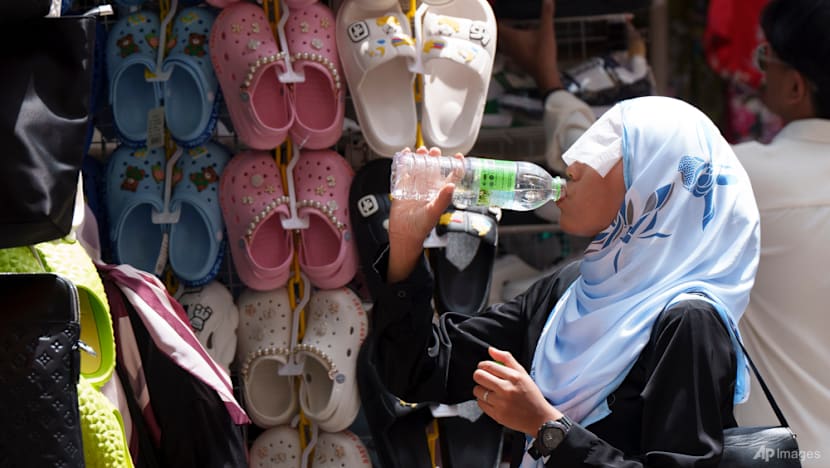
Daily maximum temperatures in Malaysia could remain between 33 and 36 degrees Celsius until May, experts added.
High humidity could also make conditions feel hotter, although occasional rainfall may offer respite.
While such temperatures are not unprecedented, experts said heat events are becoming more intense, frequent and prolonged.
“What’s different today is the context in which these events are occurring,” Shahrul said.
Urban areas such as Kuala Lumpur feel the effects more acutely due to the urban heat island effect, where dense infrastructure and human activity trap heat.
With elevated temperatures likely to persist in the coming months, experts warned that dry conditions will increase the risk of fires in parts of both Malaysia and Indonesia.
They also stressed the need for longer-term responses including better early warning systems, more climate-resilient urban planning and stronger regional coordination.
BUSINESSES FEEL THE HEAT
In Malaysia, businesses have been stepping up measures to cope with the ongoing heatwave by ramping up cooling and ventilation measures.
Malls in Kuala Lumpur are "coping well" despite the current Level 1 heatwave in Kuala Lumpur, the Malaysia Shopping Malls Association (Persatuan Pengurusan Kompleks) told CNA in a statement on Mar 27.
"Malaysian malls are already designed with efficient air-conditioning systems to ensure a comfortable indoor environment,” PPK said, adding that many “continue to operate as normal”.
Malls had been seeing good foot traffic over the recent school holidays and extended Hari Raya public holiday, it said.
Some had also stepped up public awareness efforts, including "regular PA announcements reminding shoppers to stay indoor and keep hydrated" and "adjusting air-conditioning".
"Some malls are also increasing the use of exhaust and ventilation systems, particularly in basement car parks, to expel hot air and improve airflow … (and) deploying standby portable or mobile air-cooler units to support al-fresco dining area or other spots (with) high traffic," it said.


Some companies and mall operators said consumers have been staying longer in their air-conditioned premises to escape the heat.
Timothy Tiah, chief executive of Colony, a company that runs 16 co-working spaces in Kuala Lumpur’s central business district, said patrons were coming in earlier and staying longer to beat the mid-day heat.
“Spaces that are usually comfortable now require consistent air-conditioning from morning to evening, especially in glass-heavy areas,” said Tiah, adding that recent measures have driven up electricity bills.
Cooling is “one of the biggest cost drivers” and “even small adjustments” can add up, he said.
While Tiah has not made drastic changes to counter the heat, adjustments made include lowering thermostat settings in key co-working zones, prioritising cooling in high-density and sun-exposed areas and monitoring hot spots like meeting rooms and window-facing desks.

Tiah also pointed out that over a few days last week, air-conditioning failed at four of his 16 centres, which had not happened before. While the cause is unclear, Tiah suspects this may have been caused by increased usage amid the heatwave.
When air-conditioners run for long periods, additional strain is placed on the system, increasing risk of malfunctions.
In Kuala Lumpur, construction activity is continuing despite the heatwave, with contractors and companies trying to keep to tight schedules.
Contractor Foo Ah Fook, 68, said workers have been encouraged to stay hydrated throughout the day.
They can “take things slower” whenever possible but because “projects run on fixed schedules”, they often have no choice but to keep working, he added.

HC Chan, managing director of the Sunway Malls group which runs Sunway Pyramid in Petaling Jaya and Sunway Carnival Mall in Penang, told CNA that Malaysia’s tropical climate determines how malls are designed and operated.
Measures to manage heat include refining airflow in high-traffic zones, converting common areas into seating spaces, deploying large cooling fans and shifting outdoor maintenance works to cooler periods such as in the morning or evening.
“The focus remains on operational fine-tuning to ensure systems perform efficiently under sustained higher temperatures,” Chan said.
Along with improved ventilation in car parks, the use of air locks - small enclosed spaces such as double-door entrances in shopping malls, office buildings and hospitals - helps prevent cool air from escaping and hot air from entering, he said.
Mall staff are given special dry-fit attire to stay comfortable on hot and humid days, he added.
Siew, climate adviser at Cent-GPS, added that conditions are likely to persist over the coming months as long as El Niño remains active.
"But the more important point is that even when this phase weakens, we are unlikely to return to what we once considered 'normal'," he said.