‘Kindness is in the Philippines' DNA’: Communities offer meals, aid to drivers hit by soaring fuel prices
Calls are growing for more concrete government action, including increased subsidies for drivers.
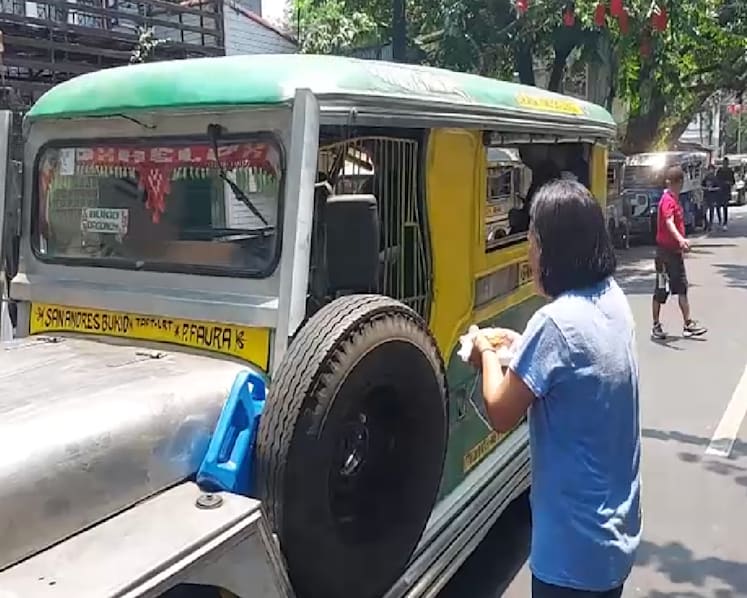
Feeding programmes and donation drives have sprung up across the Philippines in recent weeks, offering support to drivers and other hard-hit groups.

This audio is generated by an AI tool.


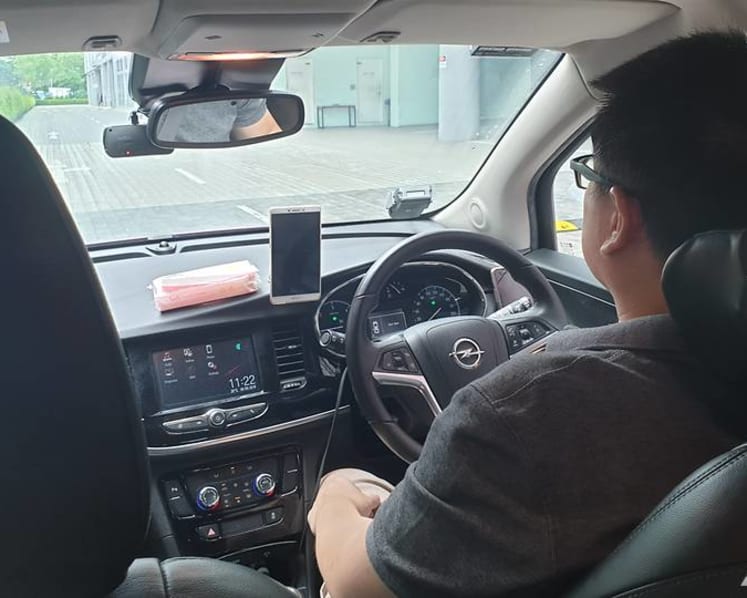
MANILA: Public transport drivers in the Philippines are bearing the brunt of a global oil crisis triggered by conflict in the Middle East, as surging fuel prices eat into their already thin earnings.
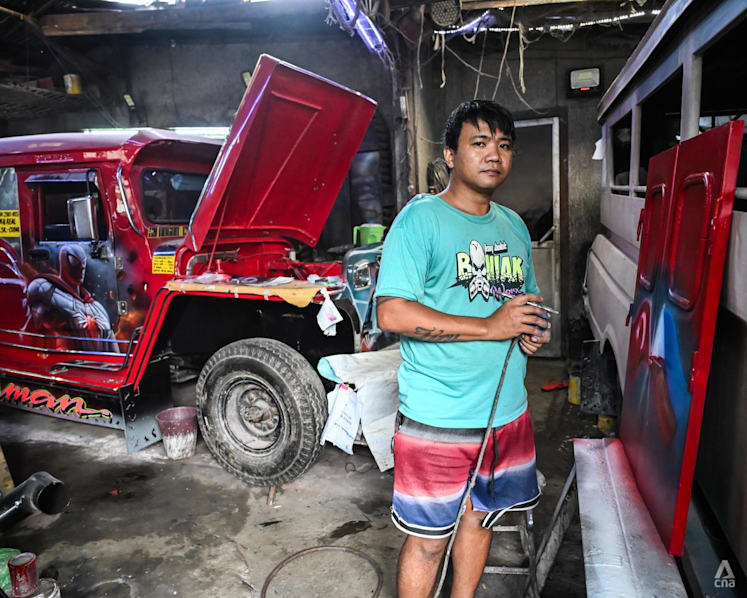
Since March, diesel and gasoline prices have nearly tripled, slashing the daily income of the Southeast Asian nation’s iconic jeepney drivers from as much as US$50 to as little as US$6.
Government assistance has fallen short of what is needed to keep them on the road, prompting private individuals, community groups and businesses to step in with temporary relief.
These efforts include feeding programmes and donation drives that have sprung up across the country in recent weeks, offering support to hard-hit groups.





But observers warn that these stopgap measures are not enough, calling for more sustainable, long-term solutions to address systemic issues of poverty and food insecurity.
HELPING HARD-HIT GROUPS
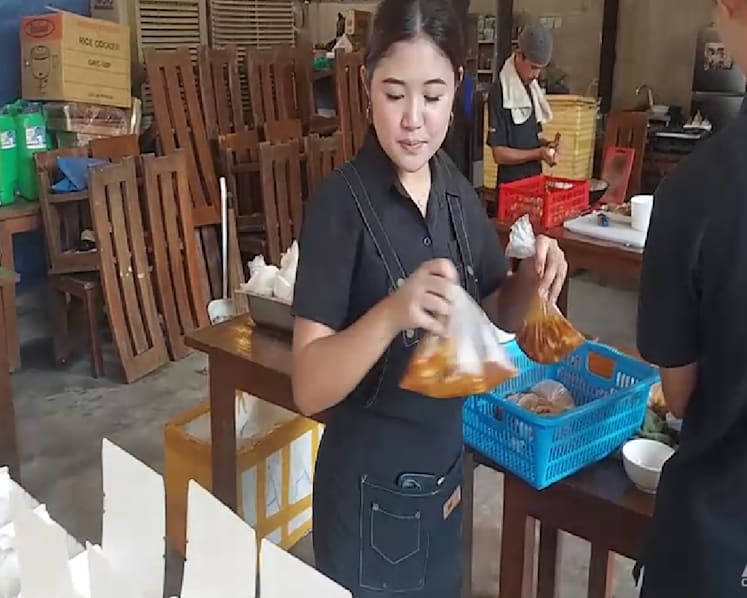
Some restaurants have stepped in to prepare nutritious meals for struggling public transport drivers.
One such establishment is Trining’s Kitchen Stories, where such meals are funded by individual donors, private businesses and community groups.
The small restaurant in Marikina city, located along the eastern border of Metro Manila, has already distributed more than 1,000 hot meals.
“If someone is leading the way, people become braver and more courageous to also donate and also to be kind to other people. I think kindness is in the Philippines' DNA,” said owner Jayson Maulit.
“If a very small kitchen like ours can do an operation like this, then there’s no excuse for people – and for those who are in power – to actually do something bigger.”
Once tables are set up, dozens of delivery riders and tricycle drivers flock to the restaurant for a meal.
“We need to keep driving until nighttime,” said motorcycle hailing rider Cyrus Bustos. “Having these meals means we don’t need to worry about dinner.”
Tricycle driver Francis Serapion added: “It’s hard to make money these days, but we have to persevere to support our families.”
SUSTAINABLE SOLUTIONS NEEDED
Elsewhere in Manila, a commuters’ group has set up a portable roadside kitchen, handing out meals to passing jeepney drivers.
“Different K-pop fan groups have donated to us,” said Nanoy Rafael, convener of PARA Commuters’ Network.
“Even local artists have given us a portion of their earnings from their shows.”
The crisis has also revived “community pantries,” first seen during the country’s COVID-19 lockdowns.
Run by volunteers, these roadside setups offer essentials like rice and canned goods for anyone in need.
Sixty-year-old Esmeralda Grimaldo-Lana has been organising weekly pantry distributions at various locations since the pandemic, building a network of donors and volunteers to keep them going.
“I always think in the back of my mind, it’s not for myself. It’s really for the people,” said the community pantry organiser.
“You need to get out of your comfort zone and see what you can contribute.”
Community pantries and feeding programmes have become a recurring cultural phenomenon in the Philippines, reflecting a spirit of collective resilience in times of crisis.
But organisers and beneficiaries are calling for more concrete government action – including the suspension of oil taxes and increased subsidies for drivers – as they stress that generosity, while vital, is not a long-term solution.