Commentary: Bangladesh did more than elect a new government – it voted for change
After toppling Sheikh Hasina’s regime and electing a new government, Bangladeshis will have their eye on major reform, says Iqbal Singh Sevea from the NUS Institute of South Asian Studies.
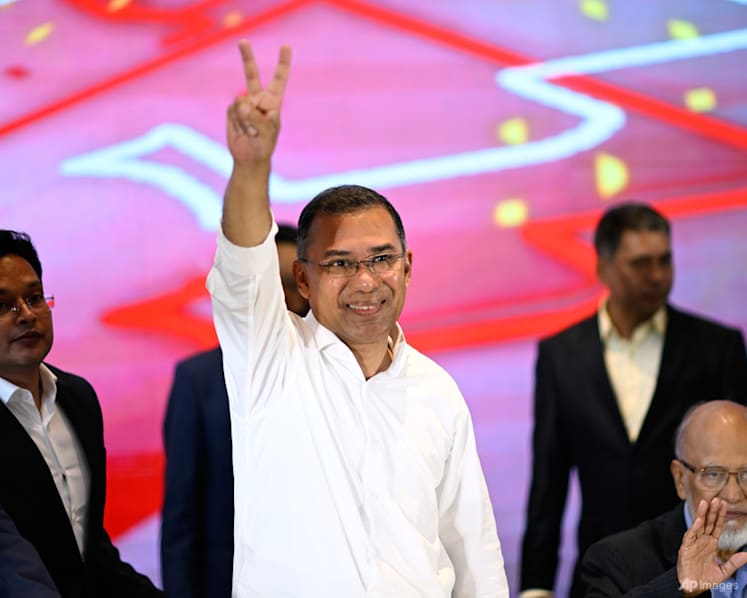
Bangladesh Nationalist Party Chairperson Tarique Rahman greets supporters after his party won the national parliamentary election, in Dhaka, Bangladesh, Saturday, Feb 14, 2026. (AP Photo/Mahmud Hossain Opu)

This audio is generated by an AI tool.


SINGAPORE: Tarique Rahman was sworn in as Bangladesh’s prime minister on Feb 17, after his party secured a two-thirds majority in the country’s first election since the 2024 student-led protests ousted the authoritarian Sheikh Hasina regime.
But the path from protest to reform is far from certain. The question now is whether this marks the start of real change – or the status quo under a new name.
Mr Rahman has promised to rebuild democratic structures, eradicate corruption and ensure accountability. The next 180 days will provide the first major indication of how far he and his Bangladesh Nationalist Party (BNP) are committed to reshaping Bangladesh’s political landscape.
WHAT REFORM WILL LOOK LIKE
A key test lies in constitutional reform. The interim government that led Bangladesh after Hasina’s fall had prioritised the need for constitutional reforms to ensure a system of checks and balances, and also pushed for a referendum on such reforms at the same time as the election.





But while several other parties supported the call for swift reform, the BNP pushed for the election to be held immediately. This would enable it to capitalise on its ground network and support base as a well-established party, something its rivals did not have, while hedging its position on reforms and the need for a referendum.
This raised questions over the BNP’s commitment to political reforms and resulted in the interim government overseeing a process of political bargaining between political parties, but largely excluding civil society and student groups. A reform blueprint, called the July National Charter, was released and signed by political parties, including the BNP.
Mr Rahman eventually indicated his support for a referendum, and it was held alongside the Feb 12 election. More than 60 per cent of voters agreed that a series of constitutional reforms laid out in the July Charter needed to be enacted within 180 days.
Voters were only asked if they supported 47 broad constitutional amendments, with no further clarity. What will happen if the BNP government does not, or is unable to, pass the reforms within the specified timeframe? Is it legally obliged to introduce all 47 amendments?
The extremely broad framing of the referendum complicates what reform will look like.
STRONG MANDATE OR CONCENTRATION OF POWER?
The sharpest division is over the appointment of members to the new upper house of parliament.
The referendum proposed a proportional representational system as a counterweight to a dominant party: Upper house seats would be allocated based on the percentage of votes received. For a smaller party, this means that even if candidates do not gather enough votes to win in individual constituencies, their collective vote share could secure some seats.
The BNP opposes this, as it feels such a system can negate a strong mandate. Instead, it wants upper house seats to be allocated based on the number of seats won in the lower house – and it currently has 209 out of 300 seats.
But concerns over the concentration of political power in the hands of a single party during Hasina’s regime had led to calls for reforms to begin with. How the new structure is formed will be a major test for the BNP government and how it behaves now that it is the one to be checked.
A BALANCING ACT
The political future of Bangladesh will also be shaped by how the BNP is perceived to handle issues of corruption and politicisation of state institutions.
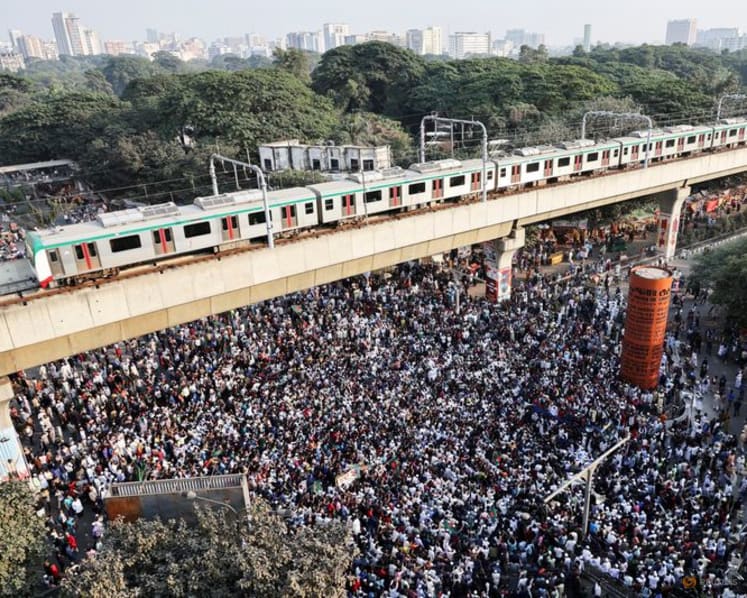
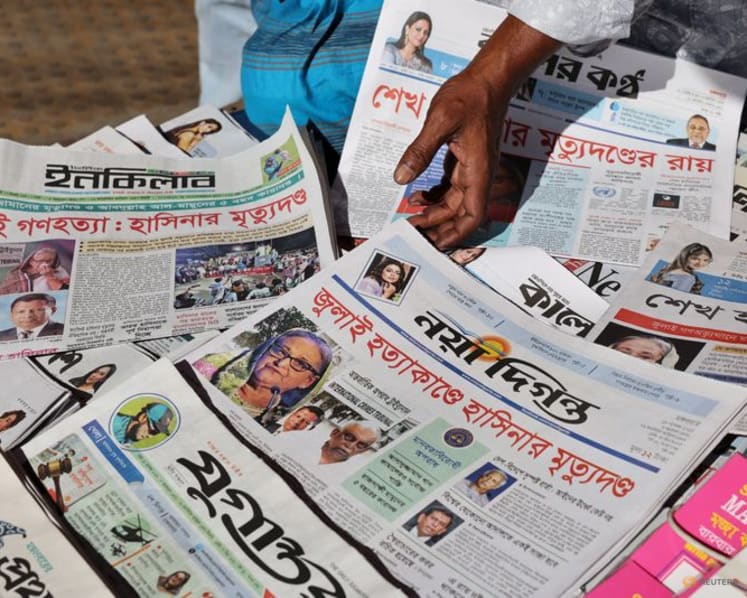
Serious allegations of corruption have been levelled against Mr Rahman and other senior BNP figures in the past. The party has also been criticised for attempting to entrench itself by politicising the bureaucracy during its previous stints in power.
Yet, throughout the electoral campaign, Mr Rahman has tried to present a new face of the BNP and projected the party as a force for change. Furthermore, in selecting his Cabinet, Mr Rahman is trying to bring in new faces untainted by corruption allegations.
That said, it is a political reality that he needs to retain the support of old BNP hands who are able to mobilise support. This balancing act is clearly seen in Mr Rahman’s appointment of members to a separate advisory council.
PRESSURE FROM OPPOSITION BENCH AND THE STREETS
The BNP's failure to institute constitutional changes and address corruption will be met with loud opposition within parliament, despite the BNP’s sweeping majority.
With 68 seats, the Islamist political party, Jamaat-e-Islami, is the second-largest party in parliament. More importantly, it won almost 32 per cent of the vote share, substantially more than its previous high of 12.2 per cent in 1991. This increase in vote share was due largely to its focus on an anti-corruption agenda and strong support for constitutional reforms, rather than its religious agenda.
Thus, the Jamaat can be expected to take a strong stance on these issues in parliament. The party refused to attend Mr Rahman’s oath-taking ceremony because of suspicions that the BNP is not committed to ushering in constitutional reforms, which signals the activist oppositional role the party will play. Its sizable vote share will enable the Jamaat to assert greater political influence in and outside of parliament than the number of seats it won.

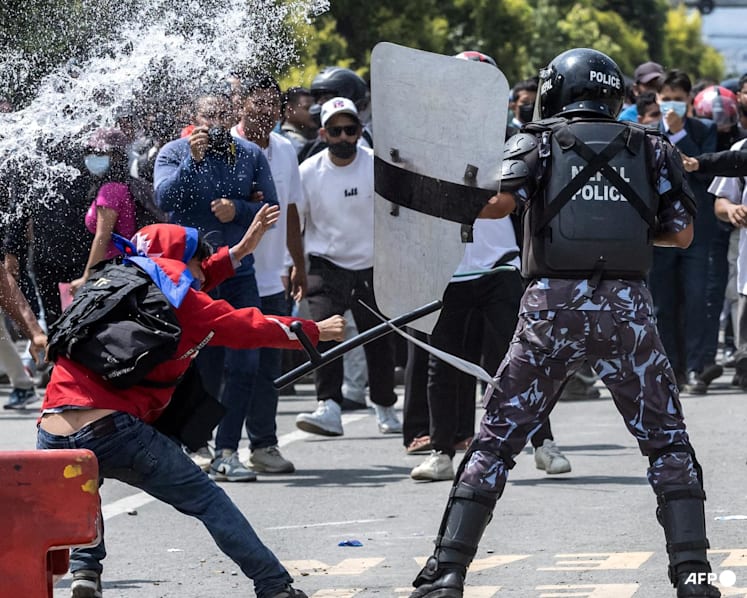
Failure to move on reform could also lead to student protests like the ones that ousted Hasina. In the lead-up to the election, sections of the student protestors who had taken to the streets in 2024 expressed disillusionment over the fact that the political process was dominated by status quo political parties.
One faction of the student movement evolved into the National Citizen Party, which contested the election as a member of the Jamaat’s alliance. Yet, several prominent student leaders like Mahfuz Alam refused to participate in the election. They remain critical of the political process and have indicated that they will continue to assert pressure on the new government. These students have a strong base in universities and urban centres.
Bangladeshis may have elected Mr Rahman and the BNP to office, but their vote in the referendum was for reform.
What Mr Rahman does or does not do in the coming months will determine whether the post-Hasina era is one marked by political stability or contestation – and whether it is a new dawn or more of the same.
Iqbal Singh Sevea is Associate Professor and Director of the Institute of South Asian Studies, National University of Singapore.