China calls US blockade of Iran ports 'dangerous and irresponsible'
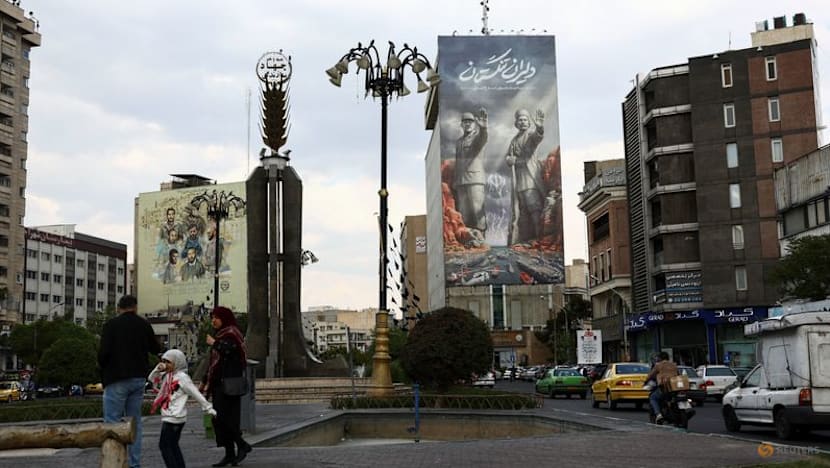
A billboard with a graphic design about the Strait of Hormuz on a building in Tehran, Iran, Apr 13, 2026. (Photo: Majid Asgaripour/WANA via REUTERS)
BEIJING: China said on Tuesday (Apr 14) that a US blockade around Iranian ports was "dangerous and irresponsible", after US President Donald Trump threatened to sink any boats that sought to leave or dock there.
Trump had ordered the blockade of ships entering or leaving Iranian ports and coastal areas in the Gulf following the failure of peace talks over the weekend.
The blockade came into force at 2pm GMT (10pm, Singapore time) on Monday, despite the United States and Iran agreeing to a two-week ceasefire days earlier.
"The US increased military deployments and took a targeted blockade action, which will only exacerbate tensions and undermine the already fragile ceasefire agreement and further jeopardise safety of passage through the Strait (of Hormuz)," Chinese foreign ministry spokesman Guo Jiakun told a news conference.





"This is dangerous and irresponsible behaviour," he added.
Iran had already closed the vital Strait of Hormuz to what it regards as enemy shipping, allowing only vessels serving countries it deems friendly - such as China - to cross.
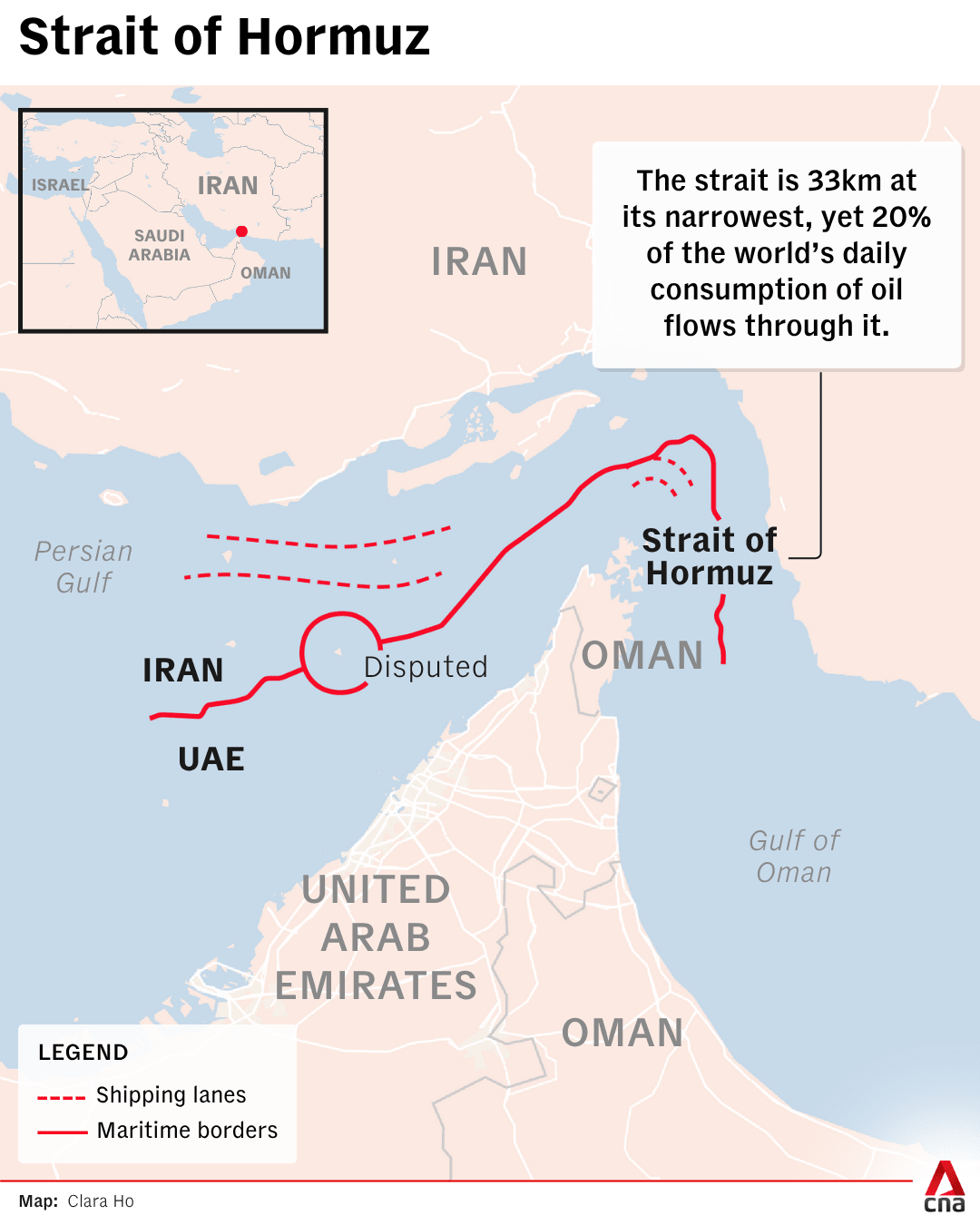
Trump's blockade, analysts say, aims to starve Iran of funds and pressure Beijing, the biggest buyer of Iranian oil, to lean Tehran to open the strait, through which one-fifth of global oil transits.
Tehran's ambassador to the United Nations called Trump's blockade a "grave violation" of Iran's sovereignty.
Chinese President Xi Jinping urged respect earlier on Tuesday for the sovereignty of nations in the Gulf and Middle East, saying Beijing would continue to play a "constructive role" in promoting peace talks.
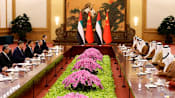
Xi made the comments as he met with Abu Dhabi Prince Sheikh Khaled bin Mohamed bin Zayed Al Nahyan in Beijing, one of several leaders of countries impacted by the war to visit China over the issue.