More Hong Kong drivers head north into mainland China for cheaper petrol - but at what cost?
As conflict in the Middle East drives up global fuel prices, Hong Kong drivers are looking north for relief - but will the savings add up?
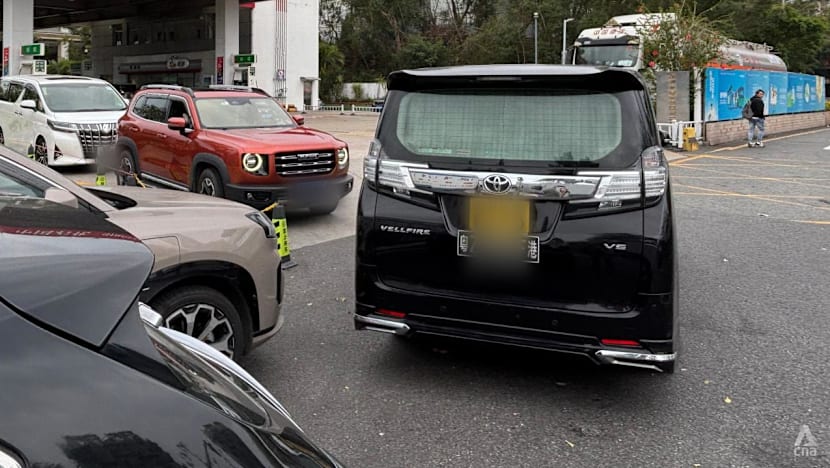
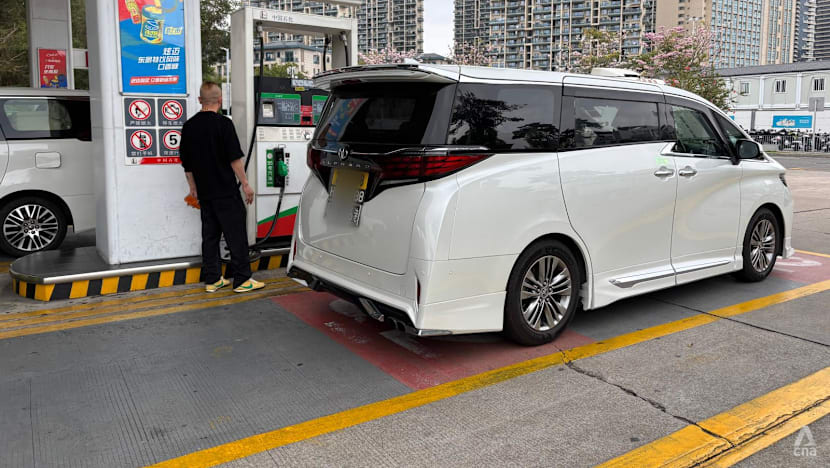
Cars with Hong Kong mainland dual licence plates are seen queueing to refuel at a Sinopec station near Shenzhen Bay Port on Mar 17, 2026. (Photo: CNA/Melody Chan)

This audio is generated by an AI tool.


SHENZHEN: Hong Kong resident Chester Chin sometimes drives across the Hong Kong-Zhuhai-Macao Bridge (HZMB) to fill up his tank.
“Petrol prices in Hong Kong are too high. I go wherever fuel is cheaper,” the 55-year-old told CNA.
Hong Kong petrol prices, among the highest in the world, have climbed above HK$30 (US$4) per litre in recent weeks - as global oil markets react to escalating tensions in the Middle East.
In mainland cities like Shenzhen, prices are around 8 to 9 yuan per litre (between US$1.20 and US$1.30) - roughly a third of the cost.





“Even after a slight price increase on the mainland, fuel there remains roughly one-third the cost in Hong Kong,” said Ringo Lee Yiu-pui, governor and honorary life president of the Hong Kong China Automobile Association.
Lee told local media outlets this week that there had been a noticeable rise in local drivers making regular trips up north specifically to refuel their tanks.
Chin said he spends more than HK$1,200 a week on petrol, adding that fuel across the border in mainland China is much cheaper.
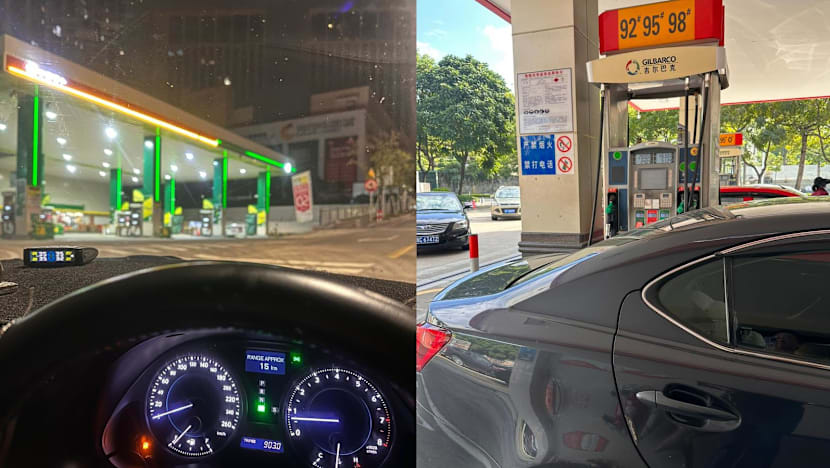
A 39-year-old Hong Kong permanent resident who asked to be identified only by his surname An, told CNA that he now avoids pumping petrol in the city altogether.
“I don’t refuel at all in Hong Kong. It’s just too expensive,” An said.
He frequently drives to mainland China for work and refuels in cities like Shenzhen and Guangzhou, where a full tank typically costs around 450 yuan.
But he noted that making dedicated trips just to pump petrol may not always make financial sense.
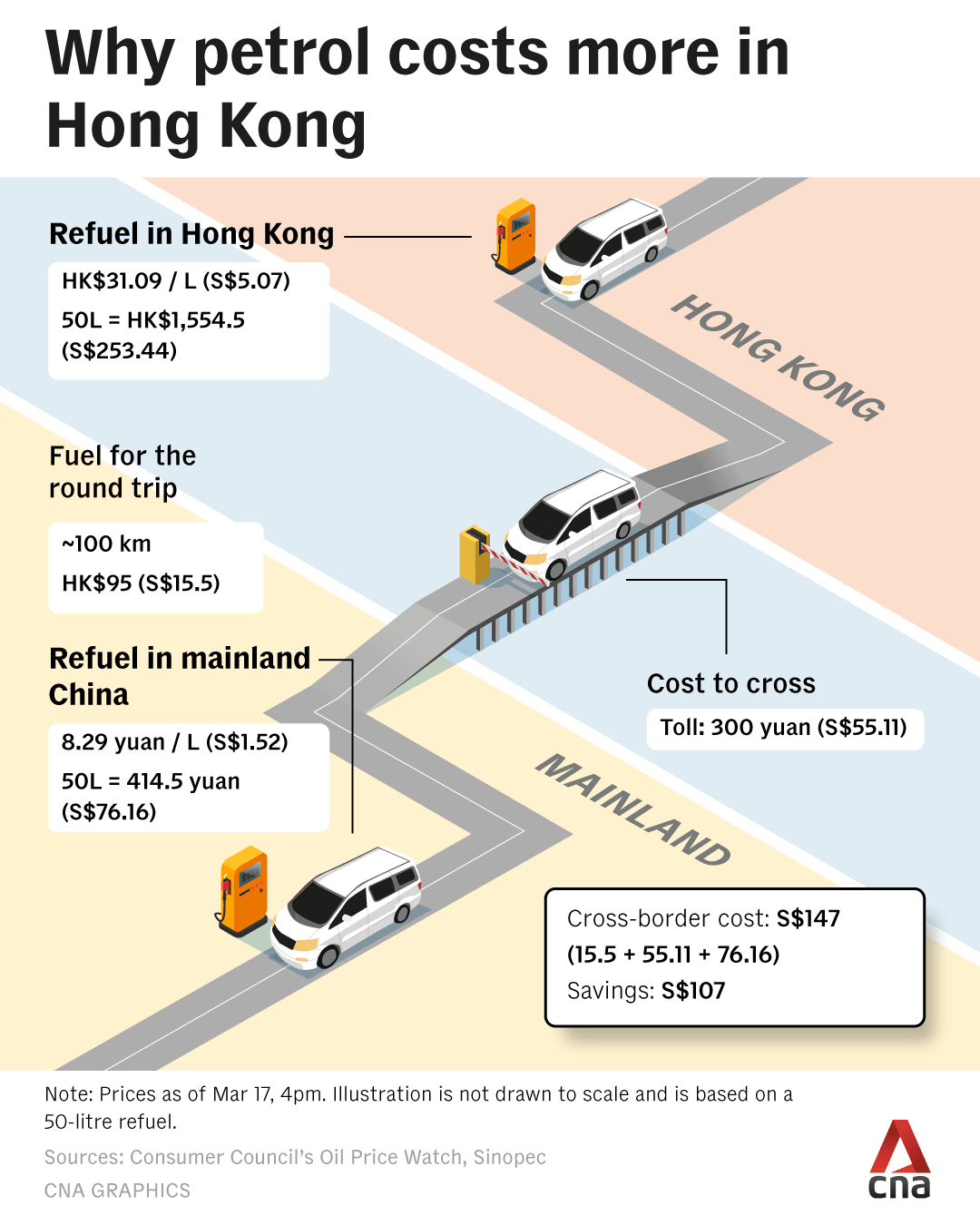
Filling 40 litres of petrol in Hong Kong could cost around HK$1,000 - compared to around 300 yuan (HK$340) on the mainland, An said.
Driving via the HZMB would also cost an additional 300 yuan in tolls, he added.
Cross-border drives typically require dual licence plates, which are subject to quotas - or approval under Hong Kong’s Northbound Travel vehicle scheme, a newer programme that allows eligible private cars to enter cities in China’s southern Greater Bay Area without the need for traditional quotas.
After factoring in costs, as well as fuel used during the journey and time spent travelling, savings could shrink to just a few hundred Hong Kong dollars, An said.

Petrol station workers in mainland cities said Hong Kong vehicles have long been a regular presence.
“They come regularly,” said Li Ming, 38, who works as a petrol station attendant in Shenzhen Sinopec near Shenzhen Bay Port.
He said rising fuel prices in Hong Kong has driven a 20 to 30 per cent increase in demand from Hong Kong drivers, mainly for diesel.
WHY HONG KONG'S PETROL PRICES ARE SO HIGH
Hong Kong’s petrol prices are highly exposed to global oil markets, noted Rosette Leung, a lecturer at the Chinese University of Hong Kong’s business school.
While the difference in petrol prices has long existed, it has widened in recent months as global oil prices rise amid tensions in the Middle East, she added.
“As Hong Kong relies on imported petrol, prices rise quickly when external conditions change,” she said.


Structural factors also contribute to Hong Kong’s high fuel costs, said Mike Lai Kee-hung, chair professor of shipping and logistics at Hong Kong Polytechnic University’s (PolyU) Business School.
“Fuel tax is a primary driver of Hong Kong's petrol prices,” Lai told CNA.
Under the city’s Dutiable Commodities regulations, unleaded gasoline is taxed at HK6.06 per litre, Lai noted.
“This tax represents about 20 per cent of the cost,” he said, adding that high land costs and operating expenses for petrol stations would also drive up prices.
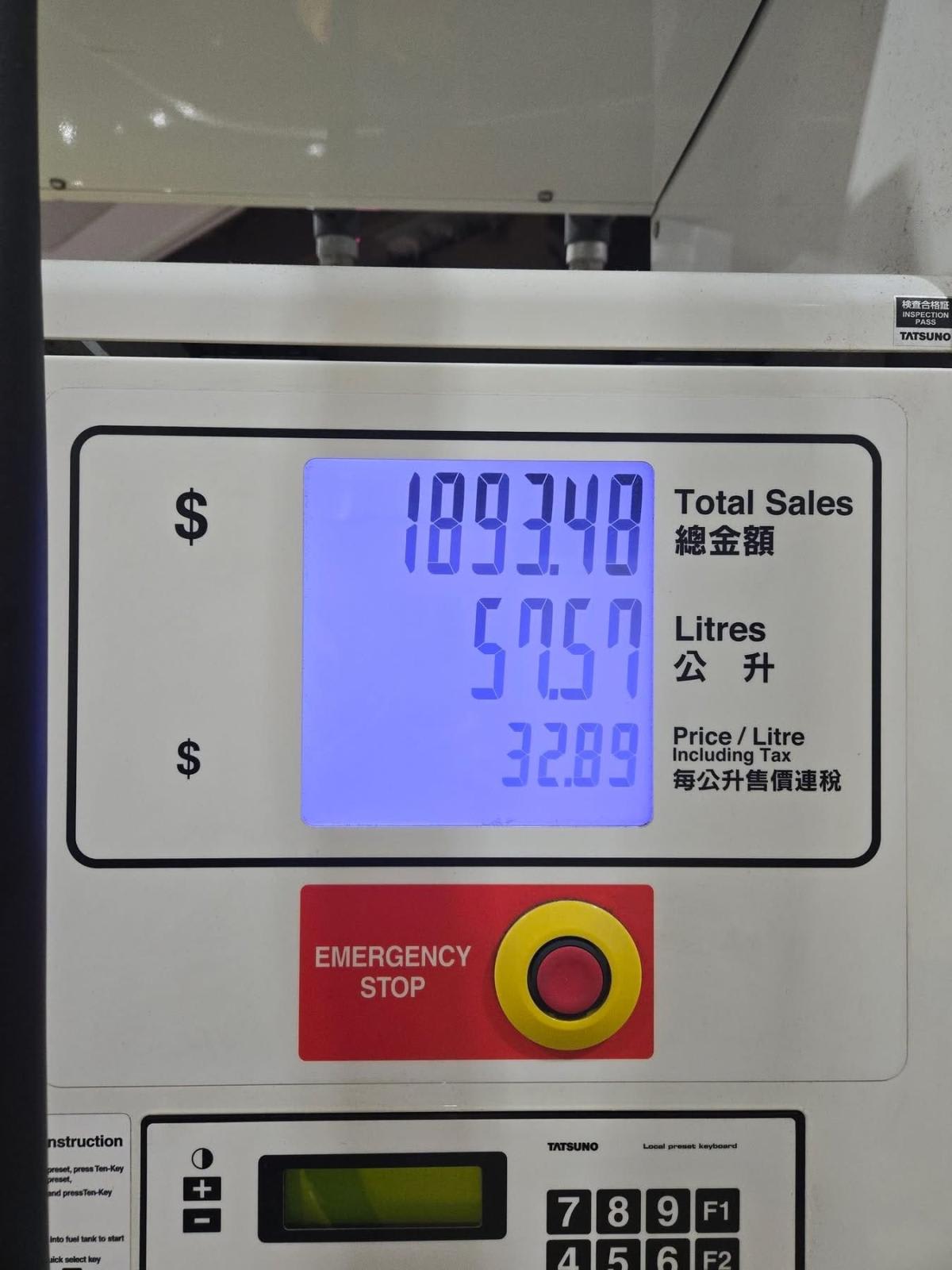
As of Thursday (Mar 19), checks by CNA showed that pump prices in Hong Kong remained above HK$30 per litre - with standard petrol priced at HK$31.09 and premium grades at HK$32.89, according to the Consumer Council’s Oil Price Watch.
By contrast, fuel prices in mainland China are more tightly regulated and have not risen as sharply - widening a gap that has persisted for years, experts note.
Even before geopolitical tensions, petrol in mainland Chinese cities typically cost about one-third of prices in Hong Kong.
Lai said cross-border refuelling is often tied to broader travel patterns rather than driven solely by cost savings.
“In this context, refuelling (petrol in mainland China) is seen as a secondary convenience of the trip, meaning people will continue to do it even if the financial benefit is marginal,” he added.
Instead, drivers who do not regularly travel to the mainland may turn to alternatives like electric vehicles (EVs) if petrol prices remain high.
Chin, the 55-year-old driver, is among those who have made the switch.
“Petrol prices in Hong Kong are too high but driving to the mainland just to refuel takes too much time,” he told CNA.
He has since switched to an EV, under a government “one for one” scheme that offers tax incentives for replacing older petrol cars.
“Now that the economy is not doing so well, I will save (as much as I can) save,” he said.
BUT IS IT WORTH THE TRIP?
For Hong Kong drivers, the cost effectiveness of pumping petrol across the border also depends largely on the type of vehicle and how trips are made.
“It is tied to fuel tank capacity and fuel efficiency,” said Lai from PolyU.
Larger vehicles like SUVs or 7-seaters, with tank capacities of up to 90 litres, stand to benefit more, Lai added.
Even so, time cost can offset any savings.
“The trade-off of sacrificing several hours just to save a few hundred dollars” means efforts “don’t always pay off”, said Lai.
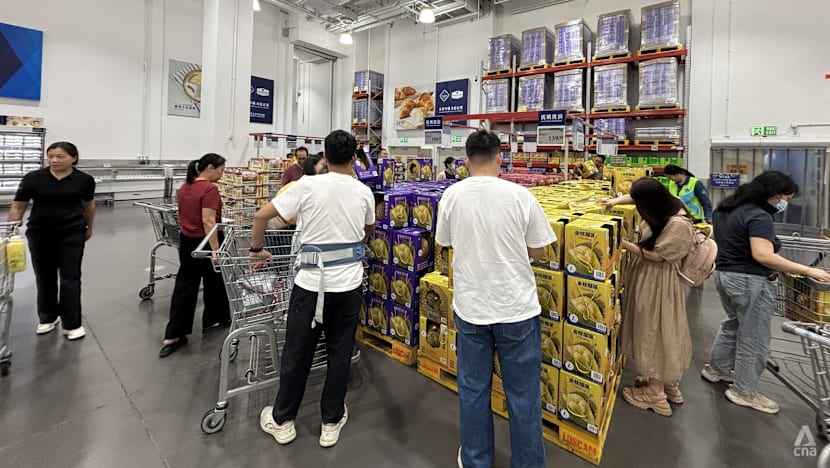
“It’s not really worth it just to (drive all the way) for petrol,” Lai said, adding that it makes more sense only for those already driving up for leisure or work.
Other drivers like Wendy Lo, a 48-year-old Hong Kong homemaker, said refuelling is often part of a bigger cross border road trip - rarely the main reason for a trip.
“We don’t just (drive up) for petrol,” Lo said.
“If we go over for a meal or errands, then we’ll fill up.”
The driver of a five-seater Mercedes with an 80-litre tank, who asked to be identified only by his surname Gan, said he heads to mainland cities like Zhuhai and Zhongshan almost every week just to pump petrol.
Even after factoring in additional costs and travel fees, trips are still worthwhile, he said.
“Pumping petrol in Hong Kong costs around HK$1,600. In Zhuhai, it’s around HK$700 - the difference is huge,” he said.
“Every trip across the border isn’t just for fuel,” he added. “We often eat, shop and spend time in the Greater Bay Area.”