







Japan-born pandas Xiao Xiao and Lei Lei arrive in China as bilateral ties freeze
Japan-born Xiao Xiao and Lei Lei have "made a positive contribution to promoting friendship between the peoples of the two countries", said China's panda research base.
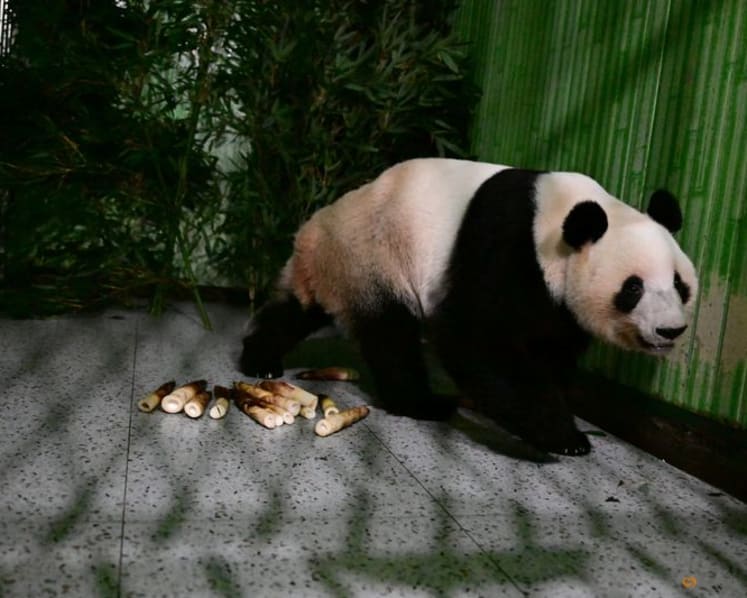
Giant panda Lei Lei walks in a cage after arriving from Japan at Bifengxia Panda Base in Yaan, Sichuan province, China on Jan 28, 2026. (Photo: Reuters/China Daily)
BEIJING: Giant pandas Xiao Xiao and Lei Lei arrived in Sichuan province on Wednesday (Jan 28), China's panda research base said in a social media post, leaving Japan without pandas for the first time since 1972 at a moment of tense relations between the two nations.
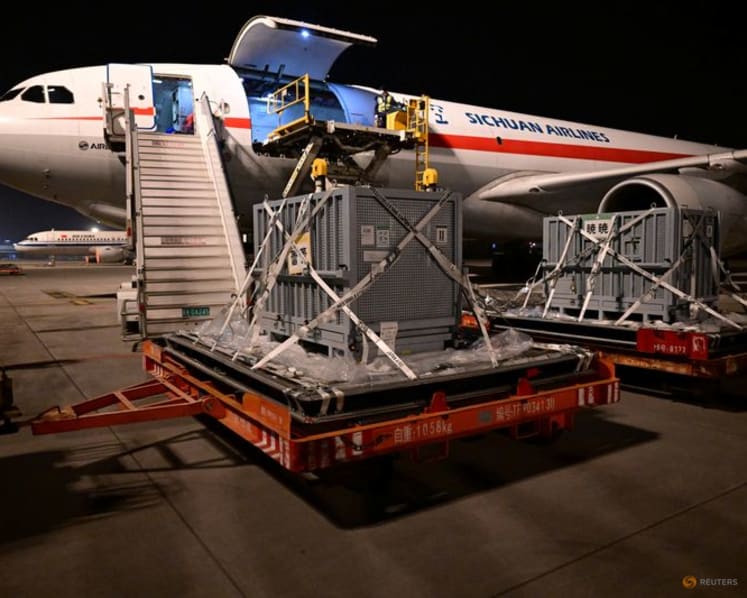
Xiao Xiao and Lei Lei arrived at Chengdu's Tianfu International Airport at 1am on Wednesday, a WeChat post by the China Conservation and Research Centre for the Giant Panda showed. They reached the centre in Ya'an, Sichuan, at 6am on Wednesday, where they will quarantine.
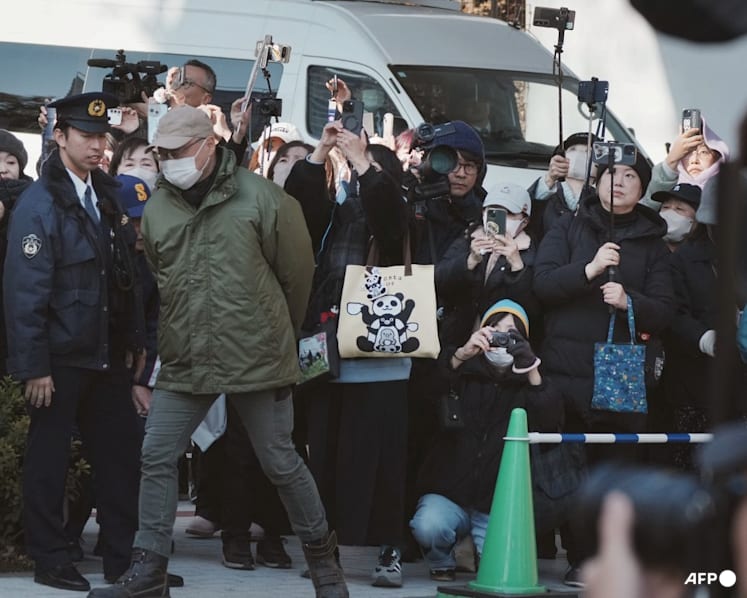
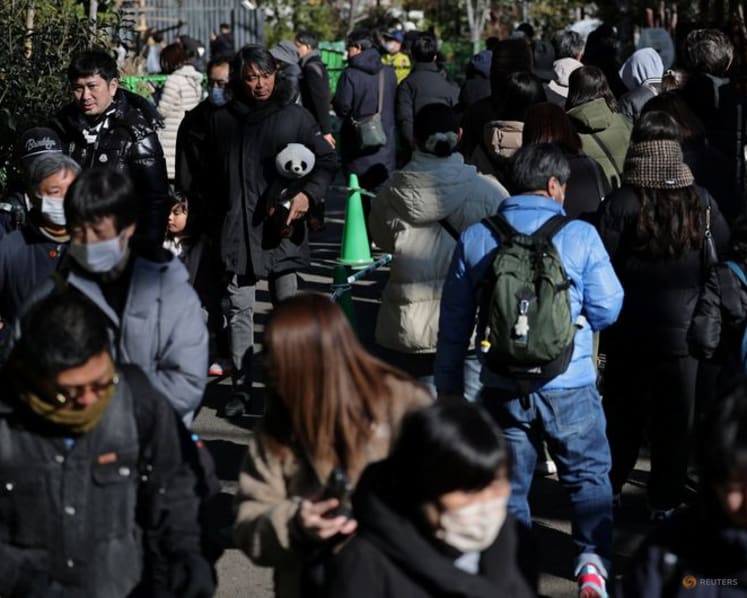
The twin pandas were born in Tokyo's Ueno Zoo in 2021, and their departure followed an emotional goodbye from fans in Tokyo, where the pair were born and raised. They have been a top draw at the zoo since their parents, Shin Shin and Ri Ri, went to China in 2024.
Since its founding in 1949, China has used panda diplomacy to cement ties with other countries - or express its displeasure. The pandas are usually lent out and returned home after the agreement ends.





Pandas born overseas, like Xiao Xiao and Lei Lei, typically go to a Chinese breeding program between the ages of two and four.
Pictures on the WeChat post showed the pandas' crates being unloaded from a Sichuan Airlines plane and then transported to a truck while workers in white protective suits looked on.
Xiao Xiao and Lei Lei have "made a positive contribution to promoting friendship between the peoples of the two countries", the research centre said.
Japan has hosted Chinese pandas since the two countries normalised relations in 1972. Their departure, though long planned, comes at a low point in Sino-Japanese relations.
In November, Japanese Prime Minister Sanae Takaichi said Japan would respond militarily in the event of a Chinese attack on democratically governed Taiwan. China, which reacted angrily to the comment and advised citizens against travelling to Japan, views Taiwan as its own territory, despite the objections of the government in Taipei.
A future offer of pandas could indicate Beijing wants to improve the relationship.
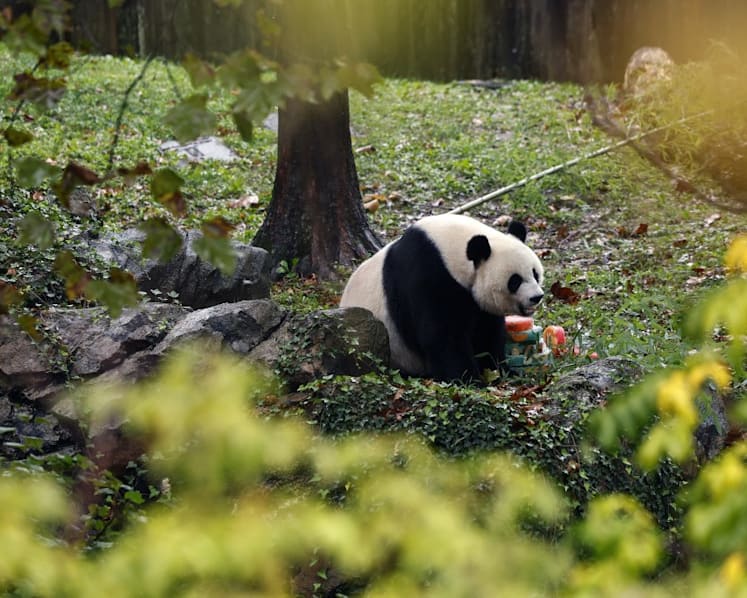
Ya Ya, on loan to the US for 20 years, was returned to China in April 2023 after a suspected Chinese spy balloon floated over the US.
The following year, as Beijing and Washington increased engagement, China promised to send two younger pandas to Washington in what China's ambassador said was a "very good sign" for bilateral relations.
Similarly, China's Premier Li Qiang offered pandas to Australia as a goodwill gesture in 2024 as relations warmed following a trade spat that stretched back to 2020.
South Korea could be the next test ground for China's panda diplomacy.
Chinese President Xi Jinping and his Korean counterpart, Lee Jae Myung, agreed during a January summit to start panda talks, Yonhap News Agency reported, as Lee called for a full restoration of South Korea-China relations in his first visit to Beijing as president.
South Koreans in April 2024 bid a tearful farewell to Fu Bao, the first giant panda born in the country, although it remains home to four other Chinese pandas.






