One year after ousted president Yoon’s failed martial law bid, South Korea works to rebuild stability
Following Yoon Suk Yeol’s surprise announcement on Dec 3 last year, hundreds of South Koreans rushed to the National Assembly in an effort to stop the martial law order from taking effect.

This audio is generated by an AI tool.
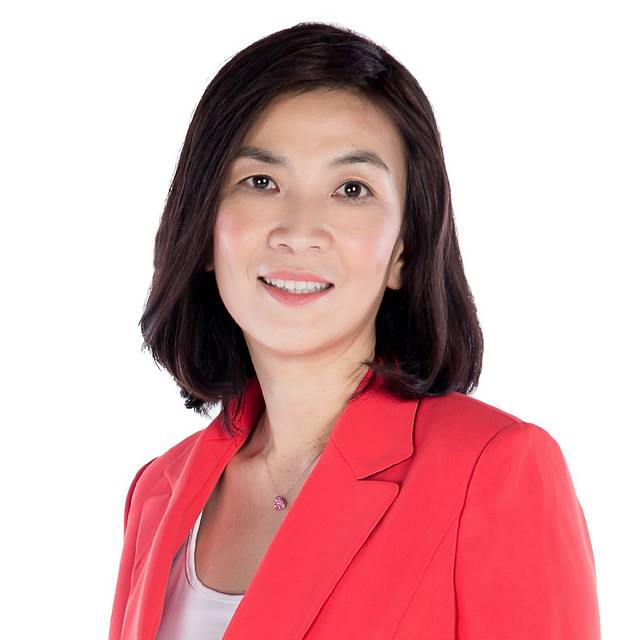



SEOUL: When visually impaired first-term lawmaker Seo Mi-hwa arrived at the National Assembly on the night former South Korean president Yoon Suk Yeol declared martial law, she found the police forming a blockade that prevented anyone from entering.
So she made a spur-of-the-moment decision to climb the gates.
“It was made of rounded bars, like rungs of a ladder, connected in a row, round and round,” the then-opposition Democratic Party lawmaker told CNA.
“As I felt along it, I thought, ‘If I wedge my feet in here, I can climb.’ So I put my feet into the gaps one by one and climbed.”





A year ago, Yoon shocked South Korea with a surprise late-night declaration of martial law, claiming he needed to safeguard the nation “from the threats posed by North Korea's communist forces and eliminate anti-state elements”.
NATION GRIPPED BY CRISIS
At the time, Yoon was losing his grip on power after prolonged political wrangling with the opposition-controlled parliament, which he labelled anti-state.
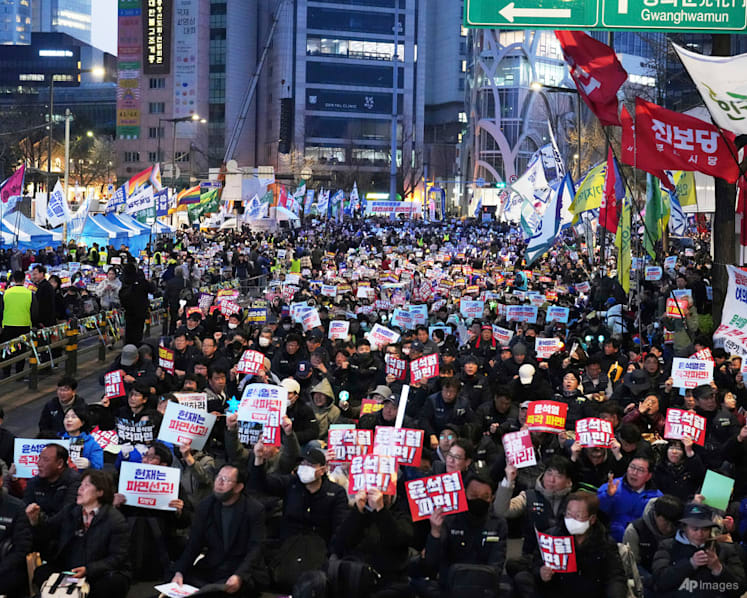
Following the announcement, hundreds of South Koreans rushed to the National Assembly, hoping to stop the martial law order from taking effect.
“Citizens were chanting for the abolition of martial law and the end of dictatorship,” said Ok Hyung-bin, who was one of those who gathered outside the building.
“Everyone was watching live updates on their phones and waiting for the vote (by the lawmakers) to lift martial law.”
Within hours, 190 lawmakers – mostly from the Democratic Party, along with a handful from Yoon’s People Power Party – forced their way into the National Assembly for an emergency late-night session and voted unanimously to overturn the order.
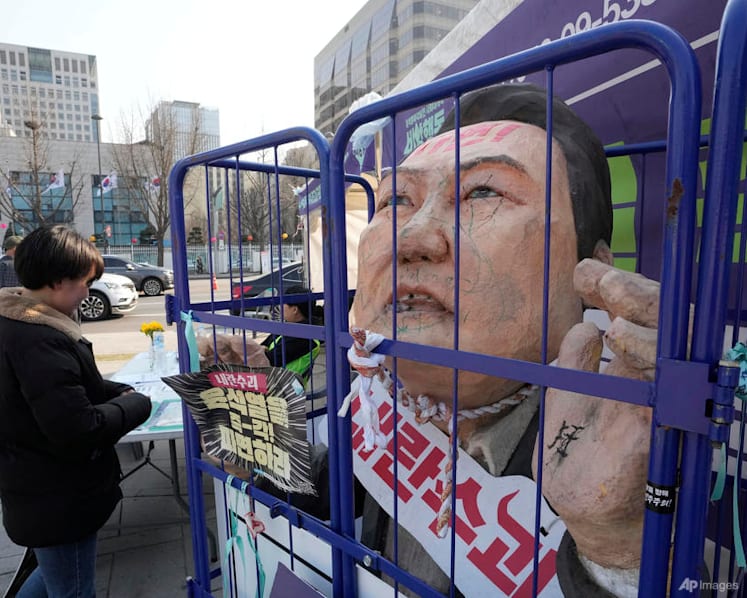
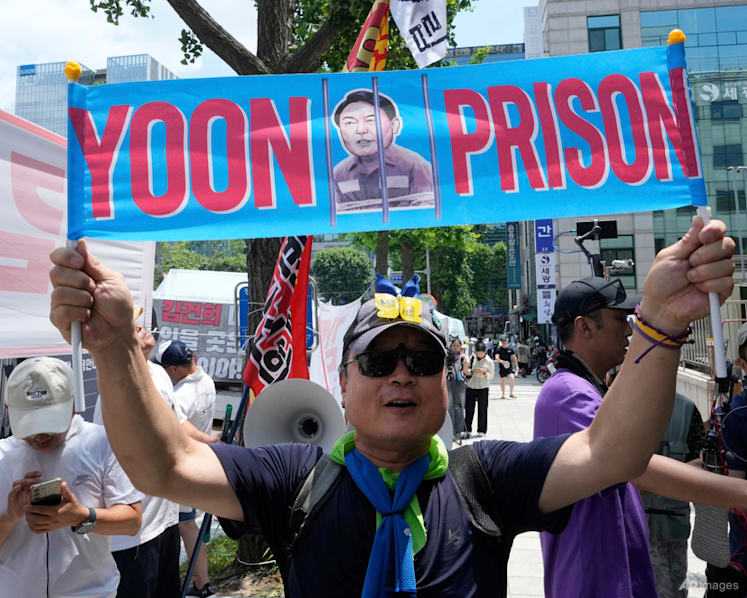
The declaration lasted only six hours. But protests continued until the Constitutional Court upheld Yoon's impeachment in April, officially removing him from office.
NATION CONFRONTS LASTING IMPACT
Yoon’s brief attempt to impose martial law plunged the nation into months of political turmoil, ultimately paving the way for the Democratic Party to assume power when former human rights lawyer Lee Jae-myung won the presidency in June.
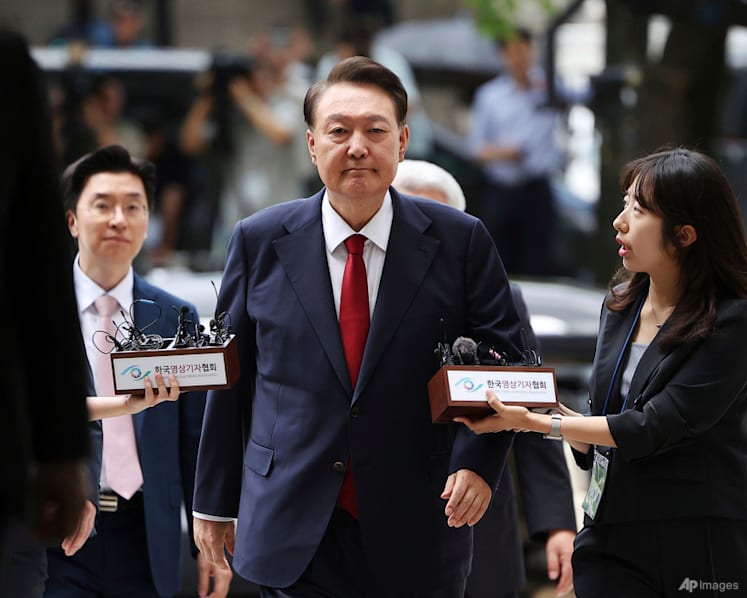
One year on, Yoon is standing trial on charges of insurrection and abuse of power. If convicted, he could face life imprisonment or even the death penalty.
Yoon has denied ordering the arrest of opposition lawmakers and political rivals, insisting the martial law declaration did not harm the country.
Many South Koreans told CNA that it is essential to hold him accountable to ensure that no future president attempts to declare martial law again.
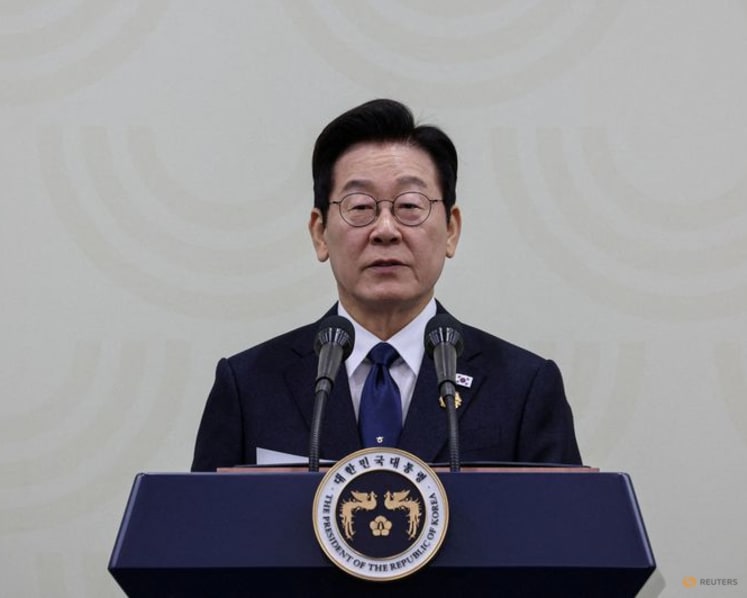
South Korean President Lee on Wednesday (Dec 3) said there is still work to be done to address the fallout of his predecessor’s short-lived martial law bid, noting that the perpetrators had yet to be punished.
In an address marking the first anniversary of the declaration, he vowed not to let future generations go through such a crisis.
Lee added that the past year had demonstrated the country's democratic resilience.
He also said he will propose designating Dec 3 as a public holiday to commemorate the role of the people in quelling the martial law attempt, adding that he believed they deserved consideration for the Nobel Peace Prize.
In the aftermath of the crisis, South Korea’s international standing suffered.
Its economy also took a hit.
The gross domestic product of the export-driven country contracted 0.2 per cent in the first quarter of this year, a downturn exacerbated by heightened uncertainty following United States President Donald Trump’s sweeping tariff measures.
Some analysts believe the most pressing concern now is the deep-rooted political polarisation that had been building long before the martial law declaration.
“Unless we address the potential source of effective polarisations, I don't think Korean democracy is going to be healthier,” said Brandon Park, professor of international politics at Chung-Ang University.
He said the crisis, which ended without bloodshed, highlighted the durability of South Korea’s democratic transition.
“They were not only afraid of the passive action by military forces, but also more importantly, they were afraid of large mobilisation of the public,” he added.