Budget 2026: Defence spending to remain at 3% of GDP, but Singapore ready to raise it if needed
Overall security spending is expected to rise in the coming years as global tensions increase, says Prime Minister Lawrence Wong.
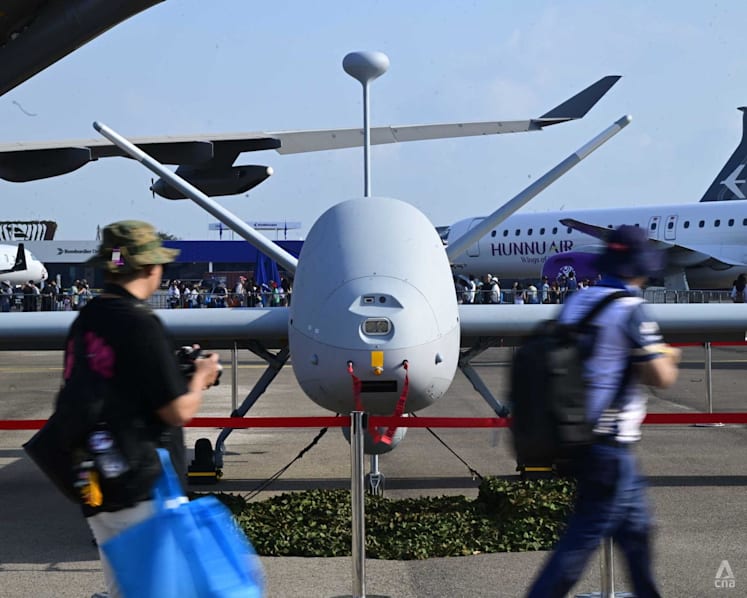
An RSAF Hermes 900 unmanned aerial vehicle on display at the 10th edition of the Singapore Airshow, on Jan 31, 2026. (Photo: CNA/Wallace Woon)

This audio is generated by an AI tool.


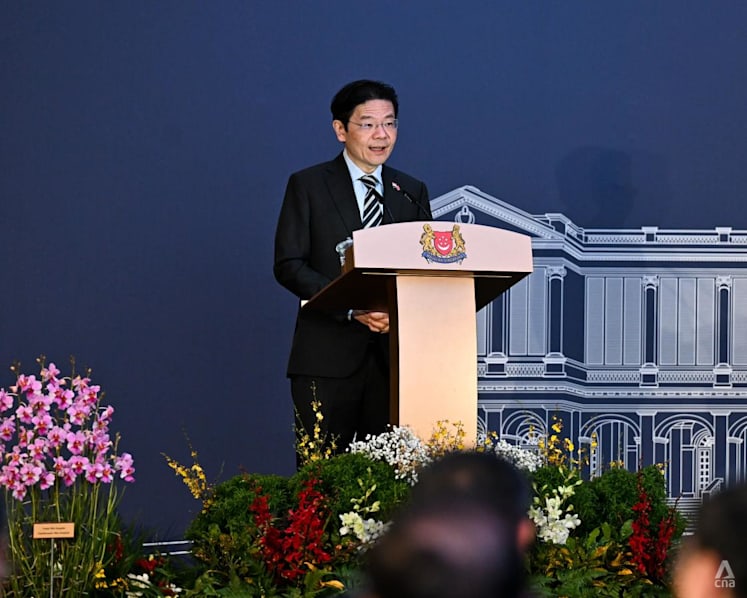
SINGAPORE: Singapore will maintain its current defence budget at 3 per cent of gross domestic product, but this could change if circumstances call for it, Prime Minister Lawrence Wong said on Thursday (Feb 12).
Delivering this year’s national budget, Mr Wong, who is also Finance Minister, said sustaining investments in security is critical amid a more fragmented and dangerous world.
“For now, we expect to keep defence spending at around 3 per cent of GDP. But we are prepared to spend more if the need arises,” he said.
He added that national security extends beyond the Ministry of Defence and includes investments in the protection of critical infrastructure and the work of the Home Team.





“Taken together, we expect overall security-related expenditures to rise in the coming years – to keep Singapore safe and secure in a far more complex threat environment.”
RISING SECURITY RISKS
Mr Wong said the world has become more dangerous in recent years. In 2024, there were 61 state-based armed conflicts worldwide – the highest number recorded since World War II, he said.
“These conflicts are not confined to distant regions. Closer to home, we witnessed one of the most serious armed clashes involving ASEAN member states in years,” said Mr Wong, citing the Thailand-Cambodia military confrontation.
Calling these developments “deeply troubling”, Mr Wong said they reflect a “shrinking space for negotiation, a greater willingness to use force, and a higher risk of miscalculation, with consequences that can easily spill across borders”.
He reiterated that no one will come to Singapore’s rescue in a crisis and that the country is responsible for its own defence and survival.
Recent conflicts have underscored how the nature of warfare is changing, particularly with the widespread use of unmanned systems, he said. Drones are now used not only for surveillance, but also for precision strikes, electronic warfare and coordinated operations.
“We will study these developments carefully and invest decisively in capabilities that are essential to Singapore's defence. This includes strengthening our ability to deploy, counter, and operate alongside unmanned systems across all domains,” said Mr Wong.
The digital domain has also become increasingly contested, with a sharp rise in cyberattacks by state-sponsored and non-state actors. These range from scams targeting individuals to highly sophisticated attacks on critical information systems.
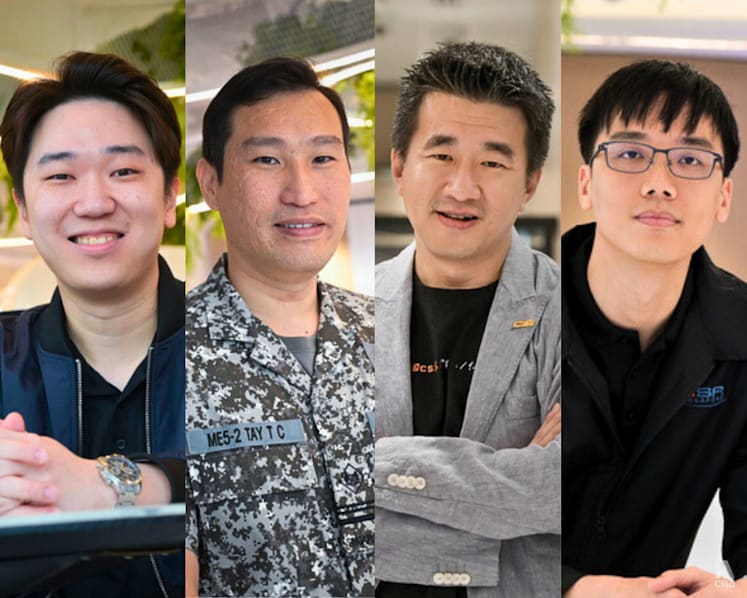
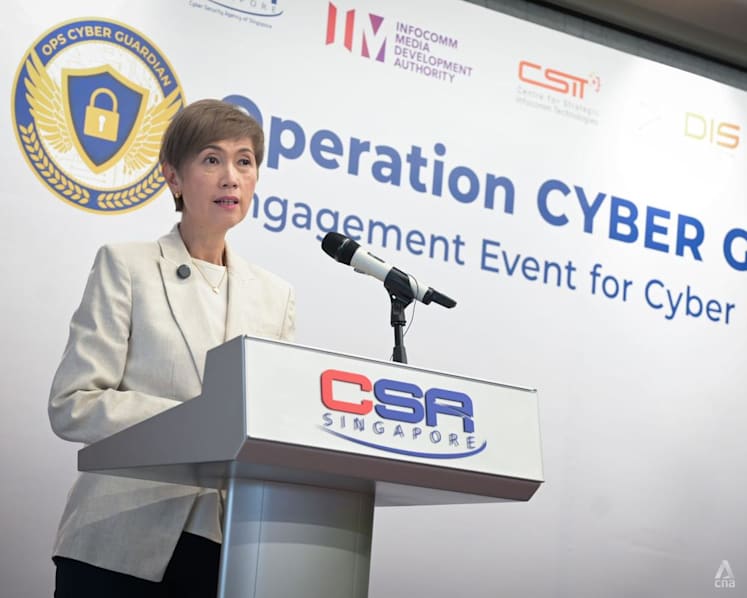
“Singapore is an attractive target. We have faced attacks from malicious cyber actors, including hostile information campaigns and deliberate attempts to undermine our national security,” said the prime minister.
Singapore has strengthened its defences over the years by establishing agencies such as the Cyber Security Agency, the Home Team Science and Technology Agency and the SAF’s Digital and Intelligence Service, he said.
“But the threat landscape continues to evolve, with attacks becoming more frequent, more coordinated and more sophisticated,” he said.
“We will therefore continue to strengthen our cybersecurity posture by deepening capabilities, improving coordination across agencies and better safeguarding our most critical systems.”
"A TIME OF PROFOUND GLOBAL CHANGE"
In what was his first Budget speech for the current term of government, Mr Wong said Singapore is entering its post-SG60 phase "at a time of profound global change".
He said the international order that had underpinned global stability and economic cooperation for nearly eight decades is weakening.
“It underwrote global security, championed open markets, and helped form the institutions and rules that enabled shared prosperity across the world – including here in Asia. That era has now come to an end.”
The US is reassessing and undoing part of that system, setting aside trade rules and bypassing global institutions, making long-standing norms less reliable, said Mr Wong. This has weakened the multilateral system and driven more states towards unilateral action.
The guardrails that once helped manage disputes and tensions are also eroding, leading to a more contested, fragmented and dangerous world, said Mr Wong.
While last year’s US Liberation Day tariffs were expected to trigger a sharp global slowdown, Mr Wong said “our worst fears did not materialise” as firms adjusted quickly by front-loading production and imports.
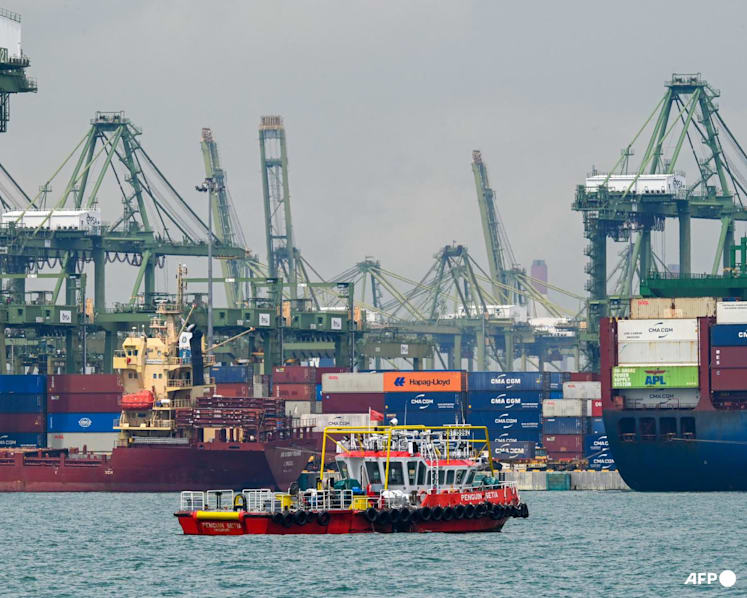

The impact of the tariffs was also reduced by subsequent trade deals and shifts in global supply chains, he said. Growth in the major economies held up, supported in part by strong investment in Al-related activities.
“In short, despite mounting stresses, the global economy proved more resilient than anticipated, and the international system continued to function,” said Mr Wong.
“This year, however, we may not be so fortunate. Events in just the first month of 2026 have already been of exceptional scale and consequence. They have increased geopolitical tensions worldwide.
“As pressures build and the margin for error narrows, the resilience of the global system will be tested far more severely.”
WEAKENING OF GLOBAL ECONOMY
Mr Wong also pointed to “clear and growing signs of fragility in the global economy”.
“Rising public debt in many major economies will strain financial stability, and weigh on longer-term growth prospects. At the same time, heightened risk-taking in financial markets has pushed up asset valuations, leaving them vulnerable to abrupt corrections,” he said.
Such corrections could dampen confidence and spill over into real economic activity, he added.
These developments have direct implications for Singapore. Although the economy grew by a stronger-than-expected 5 per cent in 2025, a more moderate outlook is expected this year.
“Growth is therefore projected at 2 per cent to 4 per cent; with inflation at 1 per cent to 2 per cent,” he said.
Still, Mr Wong said Singapore can move forward with confidence.
“Over the decades, we have systematically strengthened our economic foundations – deepening capabilities, investing in our people, and reshaping our industries as technologies evolve,” he said.
“We have built a reputation as a reliable and trusted hub – stable, secure, and well-governed - qualities that businesses and investors have come to value highly, more so now than before, precisely because the world has become more fractured and uncertain.”
However, he cautioned against complacency. “In a profoundly changed world, standing still is not an option. We cannot wait for conditions to turn more favourable. Nor can we fall back on strategies designed for a previous era.”
Budget 2026 is therefore the first step in refreshing Singapore’s strategies and strengthening its social compact to secure the country’s future in a changed world, he added.