PM Wong warns of severe consequences from Middle East energy disruptions, convenes ministerial task force
The committee is updating contingency plans and developing new ones in light of these unprecedented developments, says Prime Minister Lawrence Wong.
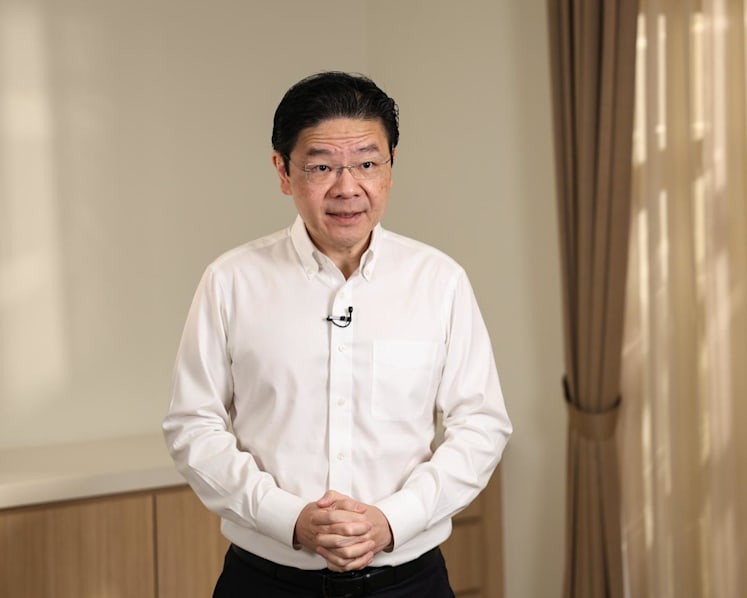
Prime Minister Lawrence Wong speaking in a video message about the situation in the Middle East on Apr 2, 2026. (File photo: Ministry of Digital Development and Information)

This audio is generated by an AI tool.


SINGAPORE: Prime Minister Lawrence Wong warned on Thursday (Apr 2) of "severe consequences" if Middle Eastern energy sources and supply routes remain constrained for an extended period, as he announced the convening of a ministerial committee to coordinate a national response.
The Homefront Crisis Ministerial Committee, chaired by Coordinating Minister for National Security K Shanmugam and advised by Deputy Prime Minister Gan Kim Yong, has begun updating contingency plans and developing new ones in light of “unprecedented developments”, said Mr Wong in a video message.
The committee is part of Singapore's broader crisis management framework, developed after the SARS outbreak to coordinate responses across ministries and agencies during major national emergencies.
It provides strategic and political guidance during crises with the aim of maintaining normalcy as far as possible.
SINGAPORE'S RESPONSE TO EVOLVING SITUATION
Outlining Singapore’s response to the situation so far, Mr Wong said the government is taking active steps to strengthen Singapore’s energy and supply chain resilience.
Singapore has so far managed immediate disruptions, with refineries scaling back production and firms sourcing supplies beyond the Middle East, he said. Liquefied natural gas (LNG) importers are also securing alternative sources globally.
The government is also strengthening longer-term resilience by deepening energy partnerships including with Australia, which already supplies more than one-third of Singapore’s LNG. It is also working closely with New Zealand to ensure supply lines for essential goods and food remain open during crises.
Households and businesses can expect additional support as energy prices rise. Mr Wong said measures announced in this year’s Budget, such as additional U-Save rebates, are being rolled out, with further enhancements and earlier disbursements planned.
Targeted support will also be provided to sectors that are more severely affected, with more details to be announced in parliament next week.
Listen:
BUSINESSES AND HOUSEHOLDS MUST PLAY THEIR PART
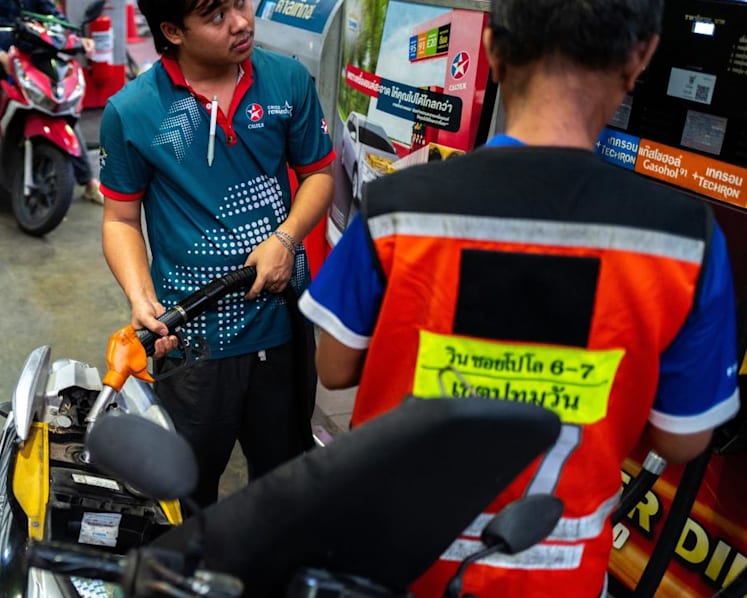
Mr Wong’s warning comes as the conflict in the Middle East disrupts shipping through the Strait of Hormuz. Oil prices have already surged, rising by more than 60 per cent since the war began, putting pressure on supply chains worldwide.
Asia, including Singapore, is particularly exposed because a substantial share of energy supplies passing through the Strait of Hormuz is bound for the region.
While recent diplomatic efforts have been made, the differences between the parties remain wide, said Mr Wong.
“The US has indicated that it plans to bring the war to an end soon, even without a negotiated settlement. And if no agreement is reached, it is prepared to intensify military strikes significantly before winding down its campaign,” he said, adding that Singapore hopes these talks succeed.
However, even if a ceasefire is reached soon, Mr Wong pointed out that damaged infrastructure means supply constraints and elevated prices could persist for months.
Singapore must also be prepared for further escalation in the coming days and weeks, as additional strikes remain a risk, along with the possibility of other groups joining the fray, opening new fronts and widening the conflict.
More fundamentally, even after the US eventually ends its military campaign, the geopolitical situation in the Middle East will have been adversely affected, he said.
“We are entering a more uncertain and unstable phase, with wide-ranging implications for regional security and global energy flows,” said Mr Wong.
“In such an environment, the risk of disruption is significantly higher. More worrying still is the possibility of a prolonged closure of the Strait of Hormuz, as well as other key shipping routes in the region, including the Red Sea.”
Mr Wong urged businesses and households to play their part by conserving energy and reducing unnecessary consumption and waste, stressing that national resilience depends not just on government action but also collective effort.
“For businesses, this means reviewing operations and improving energy efficiency. For households, it means being mindful of daily energy use,” said Mr Wong.
“These may seem like small steps, but taken together, they make a real difference. The government will support you. But our collective response will be far stronger if each of us plays our part too.”
He added that while Singapore cannot avoid the impact of global upheavals, it has the plans and capabilities to navigate this, as it has done in past shocks such as the Asian financial crisis and the COVID-19 pandemic.
“We have built strong foundations – sound finances, diversified supply chains, a strong tripartite partnership, and a cohesive society. These are not abstract strengths. They are what will carry us through,” he said.
“So let us stay disciplined and focused, and keep faith with one another.
“Whatever comes our way, we will face it, as one people, one nation. And we will get through this – together.”