







Johor-Singapore RTS Link set to cut traffic at checkpoints by up to 25%, say experts
However, some cross-border drivers fear a loss of business and are adjusting their services to stay competitive.
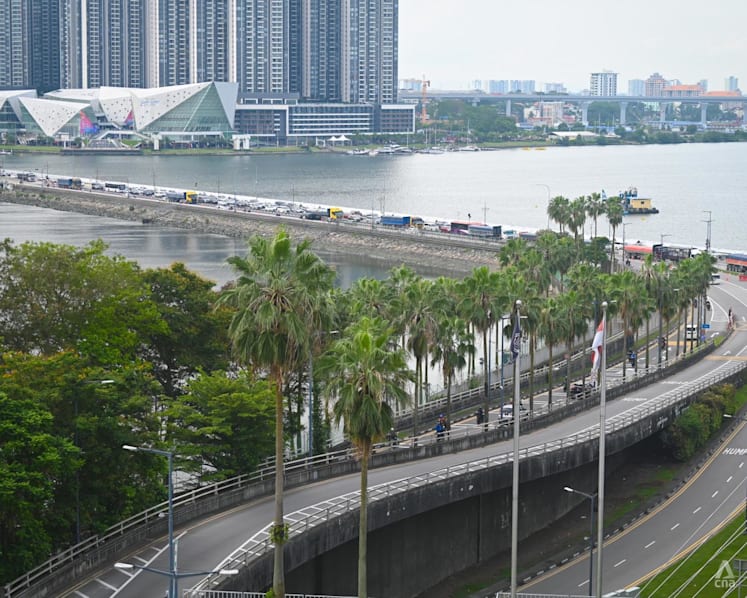
The roads leading to the Causeway from Woodlands Checkpoint. (File photo: CNA/Syamil Sapari)

This audio is generated by an AI tool.




SINGAPORE: Mr Farid Khan is bracing for his cross-border transportation business to take a hit as the Johor Bahru–Singapore Rapid Transit System (RTS) edges closer to operations.
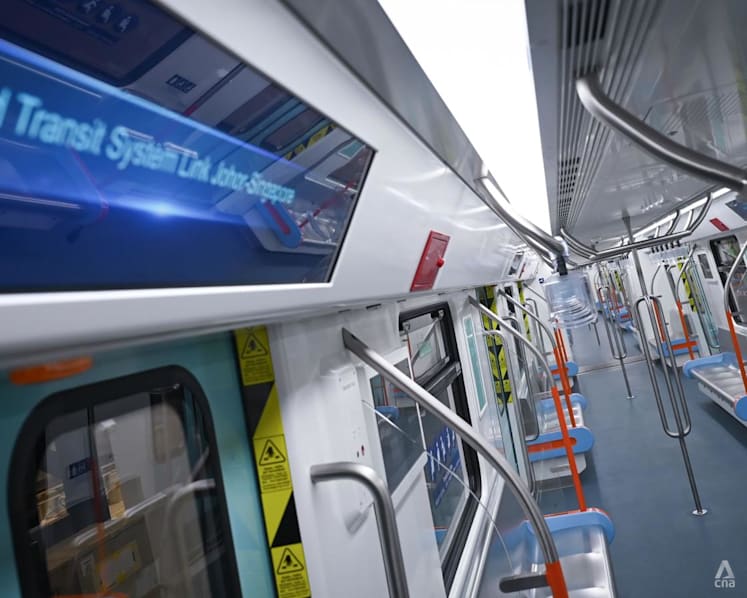
The RTS Link, which completed its first test run last month, is expected to begin operations by the end of this year.
Transport experts have estimated it could cut traffic at Singapore’s Woodlands and Tuas checkpoints by up to 25 per cent – a prospect welcomed by frequent travellers but viewed with concern by some whose livelihoods depend on cross-border road traffic.
TRYING TO STAY COMPETITIVE
Mr Khan, for example, runs a business ferrying passengers between Singapore and Johor in vehicles like sedans, maxi cabs and minibuses.
He caters to 10 rides or more – each costing about S$150 per way – during busy days, and gets enquiries for cross-border trips almost every day.
But Mr Khan, who founded Singapore Cab Booking, is preparing for a potential drop in demand when the RTS Link gets underway.
“There’s a huge impact on my business because of the establishment of this RTS - but I have a cost reduction measurement,” he told CNA.
“So we’re going to reduce our price to JB, and then at the same time we’re going to increase our shuttle service from their respective homes.”





Mr Khan is considering reducing prices by 20 to 30 per cent when the time comes. For instance, a trip in a seven-seater now costs about S$180 to S$200, which could go down to around S$150.
Still, he believes demand could rebound about six months after the RTS Link opens, particularly from customers who prefer point-to-point services.
“From the start, people will be very excited for this new (transport option) … and then once they have experienced the process of getting on the train, maybe they will try something different by using minibuses or land transportation services,” he noted.
He also said the RTS and the upcoming Johor-Singapore Special Economic Zone will benefit businesses like his in the long run. Currently, about 6,000 drivers are registered under his platform.
“We can have more job opportunities and … supplement more income for the drivers,” he added.
Other cross-border drivers said they are also exploring ways to remain competitive, such as offering group discounts and introducing specialised services such as guided tours around Johor.
However, many say it remains to be seen how commuters will ultimately respond to the new rail option.
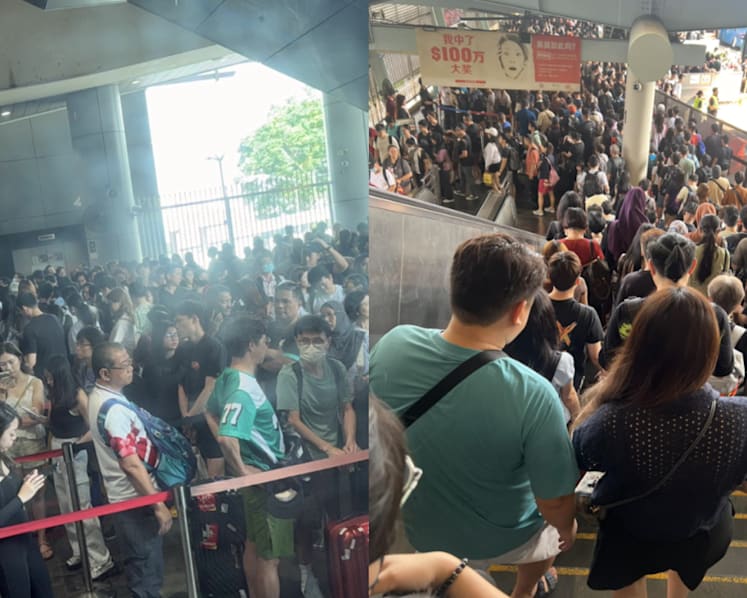
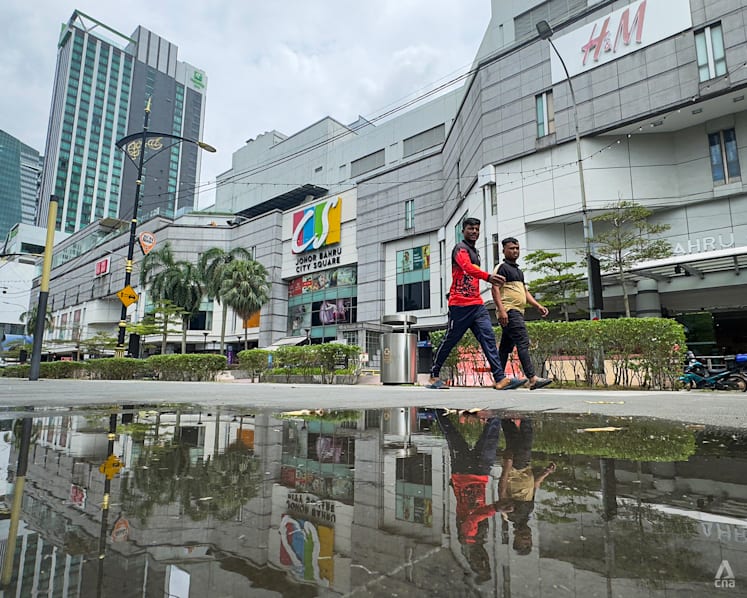
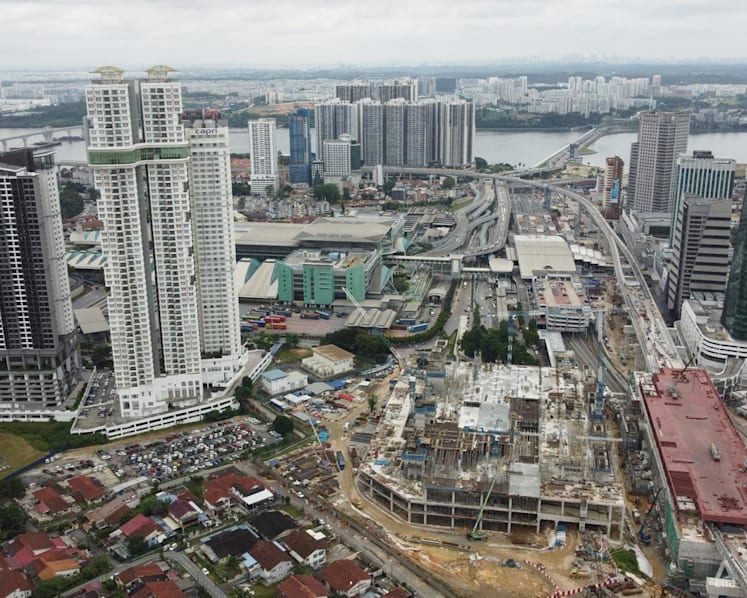
SHIFT IN TRAFFIC
Transport consultant Kelvin Foo, managing director of TTS Group, estimates that up to 25 per cent of passenger movements could shift to the RTS Link.
In Singapore, it will connect directly to Woodlands North MRT station on the Thomson-East Coast Line.
Commuters will then alight at Johor’s Bukit Chagar station, with a journey time of about five minutes between both stations.
The RTS Link will have the capacity to serve up to 10,000 commuters every hour in each direction during peak periods, according to the Land Transport Authority.
“There (will be) a shift of the current traffic, which is about 200,000 to 400,000 (commuters daily) for both Second Link and the Causeway, over to the RTS side,” said Mr Foo.
However, he noted that reduced congestion could also encourage new users to drive across the border.
“Maybe the roads (will) become smoother, and therefore there will be induced demand to use driving as another means. So it’s the overall balancing, sort of little elements to balance the two sides,” he added.
Despite this, Mr Foo said the overall effect will still be a reduction of traffic on the Causeway and the Second Link, with more predictable travel times being a key benefit.
“This will benefit people like us, where now, it is a case where we no longer have to guess: ‘How long are we stuck in the traffic for?’ So when we (bring) up a train (journey), you’ll (know it will take) roughly this amount of time,” he noted.
“We will also roughly know how long it takes to clear customs. This will be good for us to estimate. But one thing for sure, travel time will be down.”
Mr Foo also stressed the importance of designing communal facilities such as walking and cycling paths with convenience and safety in mind, to ensure commuters have a smooth travel experience.




