







No plans to introduce central kitchen model at all schools: MOE
The government did not introduce the scheme to replace the traditional canteen model, says Minister of State for Education Jasmin Lau.
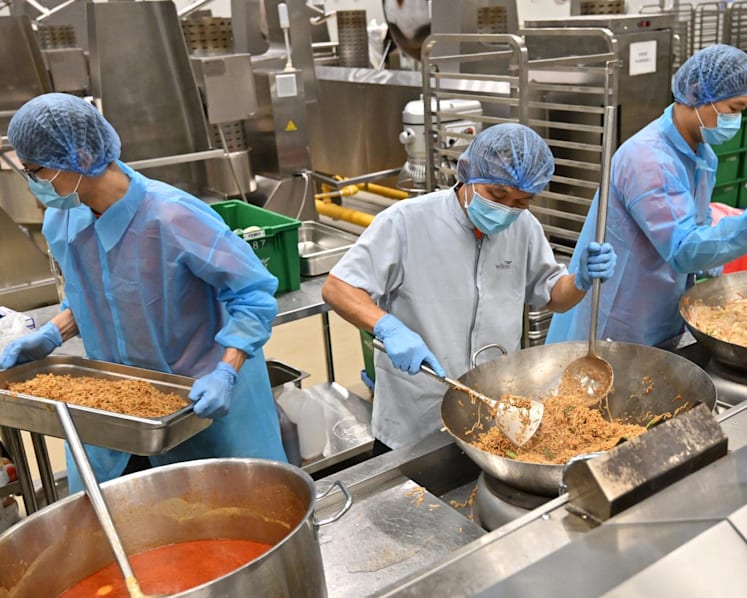
Staff at Wilmar cooking dishes for bento meals on Jan 14, 2026. (Photo: CNA/Raydza Rahman)

This audio is generated by an AI tool.


SINGAPORE: The central kitchen meal model will be explored only with schools facing difficulties securing sufficient stallholders, Minister of State for Education Jasmin Lau said on Tuesday (Feb 3).
The Ministry of Education (MOE) has no intention of scaling this model to all schools and does not have a target in mind, she said in parliament in her response to parliamentary questions about the model.
From last month, the central kitchen model was rolled out to 13 schools to address a growing shortage of canteen operators while keeping food meals affordable.
Ms Lau said the government did not introduce the scheme to replace the traditional canteen model.





“We wanted to explore alternative models to help schools that were struggling to attract stallholders and had severe shortages of functioning stalls,” she said.
“We want to avoid putting students in these schools that were at risk of not having good access to affordable, nutritious and balanced meals.”
A pilot for the scheme began with Yusof Ishak Secondary School, which relocated from Bukit Batok to Punggol and did not have existing stallholders at its new site, she added.
After seeing “positive results”, MOE decided to try out a range of central kitchen meal models in the 13 other schools that had found it challenging to secure enough stallholders, said Ms Lau.
Some schools are using hybrid models where operators both deliver pre-ordered meals and prepare fresh food onsite, she added.
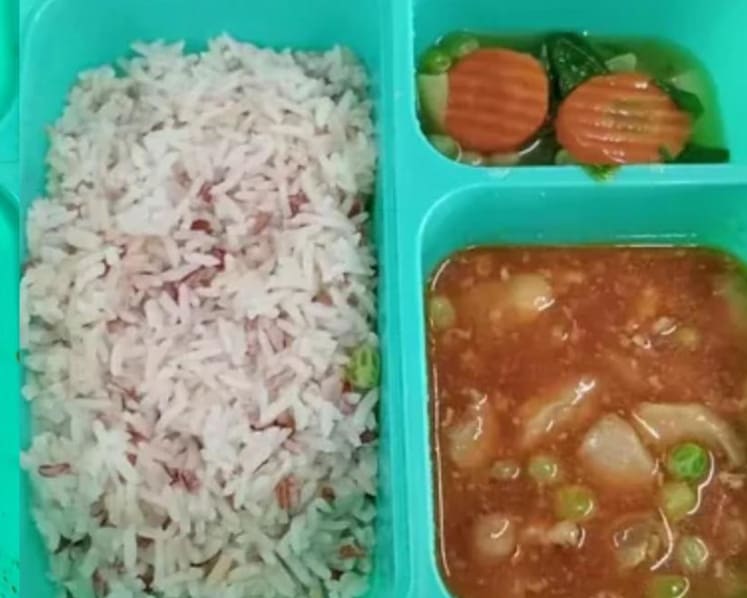
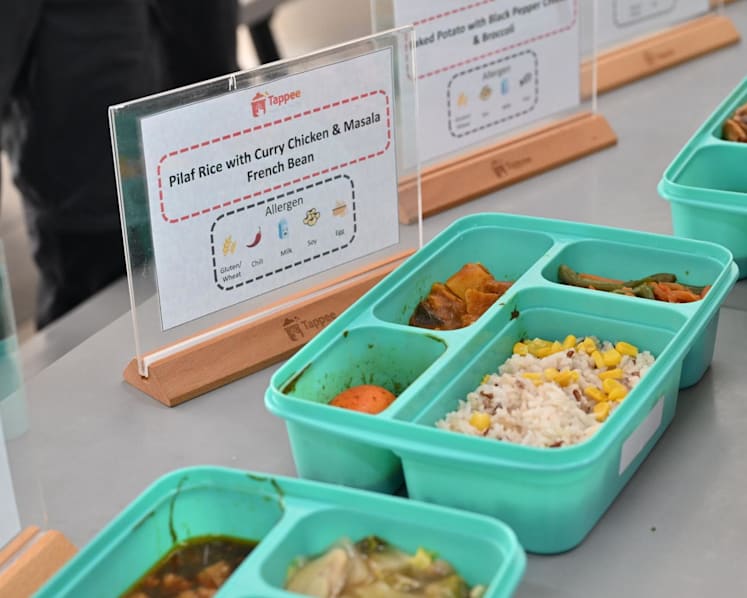
MOE has seen “positive outcomes” in the schools – students spend less time queueing for food, parents know what their children eat in school and teachers have access to a wider range of options, Ms Lau said.
Responding to a supplementary question from Member of Parliament (MP) Jamus Lim (WP-Sengkang) about the variety and quality of meals, she said that the operators currently offer between six and 14 options per day, and menus change every week.
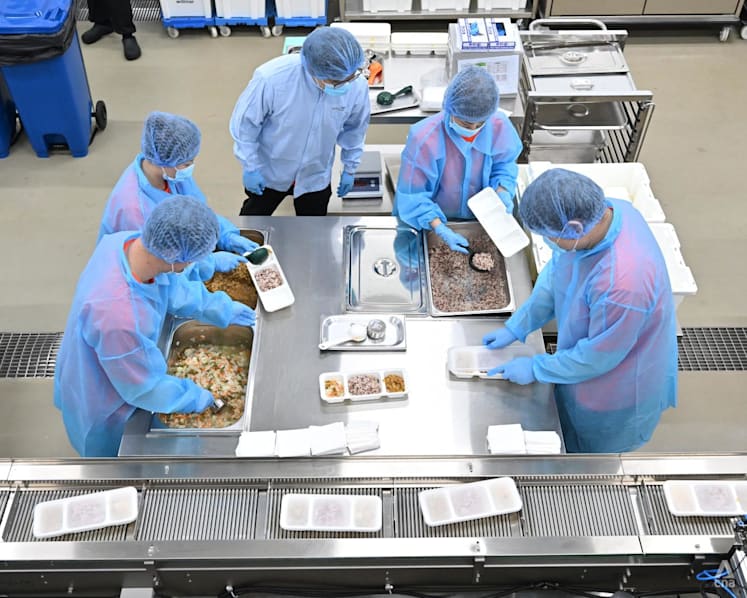
In response to a separate parliamentary question about food safety, Senior Parliamentary Secretary for Sustainability and the Environment Goh Hanyan said central kitchens are subject to more frequent inspections because they process and prepare food on a larger scale.
“This is consistently applied to central kitchens and caterers serving all consumers, including other vulnerable consumers such as persons in nursing homes,” she said.
Since August 2025, the Singapore Food Agency (SFA) has stepped up checks on the central kitchens supplying school meals under MOE’s central kitchen meal model programme, she added.
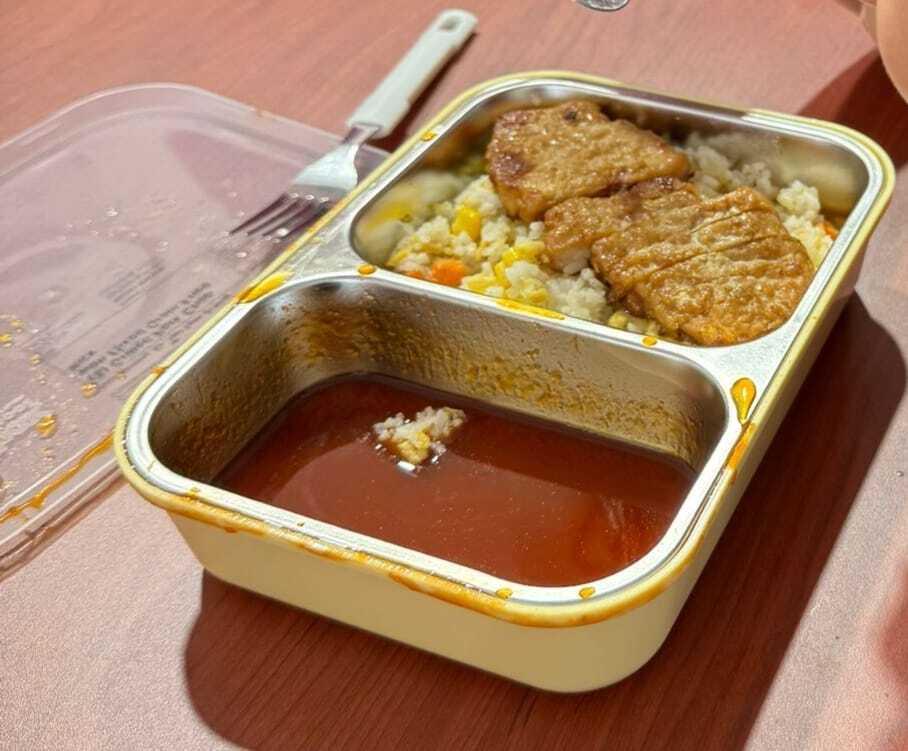
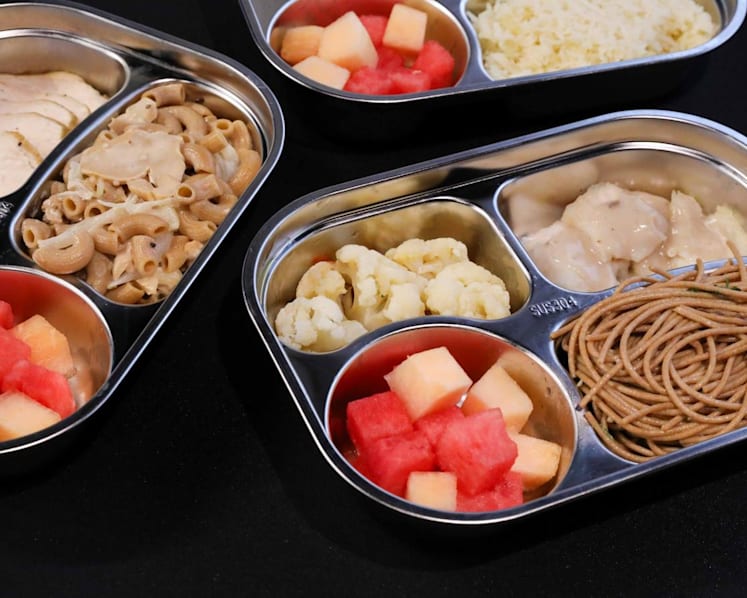
Responding to questions about the recent suspected gastroenteritis incidents at River Valley Primary School and North View Primary School, Ms Lau said that SFA, MOE and the Communicable Diseases Agency are investigating the causes of both incidents.
The food at River Valley Primary is supplied by central kitchen meal model operator Gourmetz, while North View Primary has traditional stallholders.
Ms Lau also responded to questions about whether additional measures would be provided to sustain individual stallholders.
MOE provides support to stallholders, she said, noting the “very low” rentals of between S$5 and S$15 per month, preferential electricity tariffs that result in savings passed to stallholders, and regularly reviewed food pricing guidelines.
“But the challenges go deeper than just costs. School canteens have a small customer base, and limited business hours due to the school schedules. Elderly stallholders may also start to have regular medical appointments, and may not be able to operate their stalls daily,” she added.
“This is a complex issue with no easy solutions, but we will continue to explore new ways to support our stallholders.”




