In the land of plenty, elderly malnutrition is rising in Singapore – and it’s not just about access to food
Malnutrition among the older population is not a problem unique to Singapore. As people age, health problems and social isolation often lead to dietary changes that leave many lacking the protein and calcium they need in their silver years.

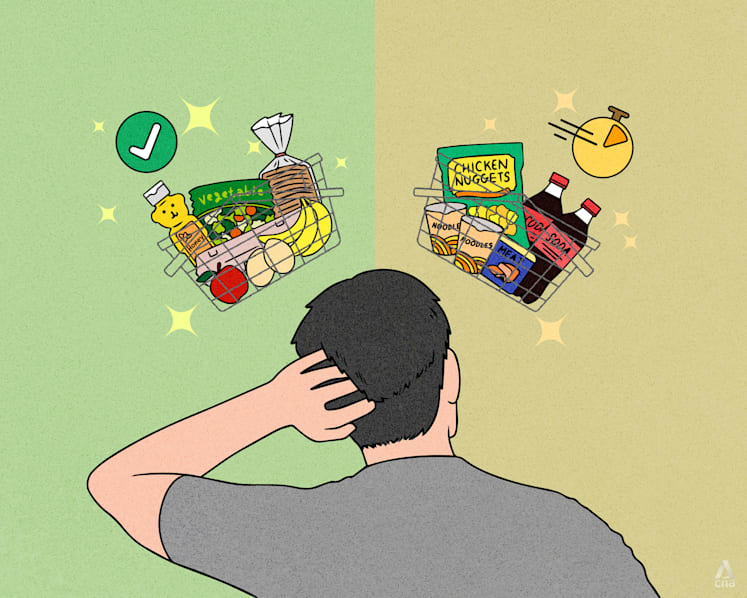
Many older adults continue to eat their fill, but they may not be getting enough nutrients. This puts them at risk of malnutrition, which causes serious health consequences such as loss of bone density. (Illustration: CNA/Nurjannah Suhaimi)

This audio is generated by an AI tool.


Every morning, Madam Sulemah Salim, 68, starts her day with a simple breakfast comprising bread and jam.
Ever since she slipped and fell in her kitchen a few years ago, she has become weaker and unable to stand for long periods of time, so she has stopped cooking.
She now gets her daily lunch from a nearby coffee shop, one of two places she can conveniently get to on her electric wheelchair. The other is the Active Ageing Centre near her home.
She typically makes what she considers a healthy choice at the coffee shop – rice, vegetables and soup. She eats meat once in a while, but usually finds it too tough to chew.
"If I eat lunch too late, or am not hungry, I won't have dinner," the retiree told CNA TODAY, adding that she would opt for a pack of biscuits in the evening instead.
Furthermore, when her son and his family are not around and she has to eat alone, Mdm Sulemah admitted that the loneliness drains her appetite.
"So I'm lucky I have friends nearby and I can eat with them at the coffee shop," she said, adding that her family visits at least once a week.
As for 82-year-old Lee, who declined to give his full name, meals are mostly made up of soft foods. The retiree believes that he should eat less meat overall for his health.
"Old people shouldn't eat so much. It's expensive. (Besides, we're) old already, so too much cholesterol from eggs is not good," he said, repeating a common misconception that CNA TODAY heard from several older citizens who were interviewed.
Recent studies have shown that dietary cholesterol raises blood cholesterol only slightly and health experts have said that for most people, eating one or two eggs a day will not increase blood cholesterol significantly, provided that they are eaten in moderation and not cooked in unhealthy ways.
Eggs provide many nutrients such as amino acids – which help the body build muscle mass and strength – vitamin A, zinc and selenium, an antioxidant that prevents cell damage from free radicals.





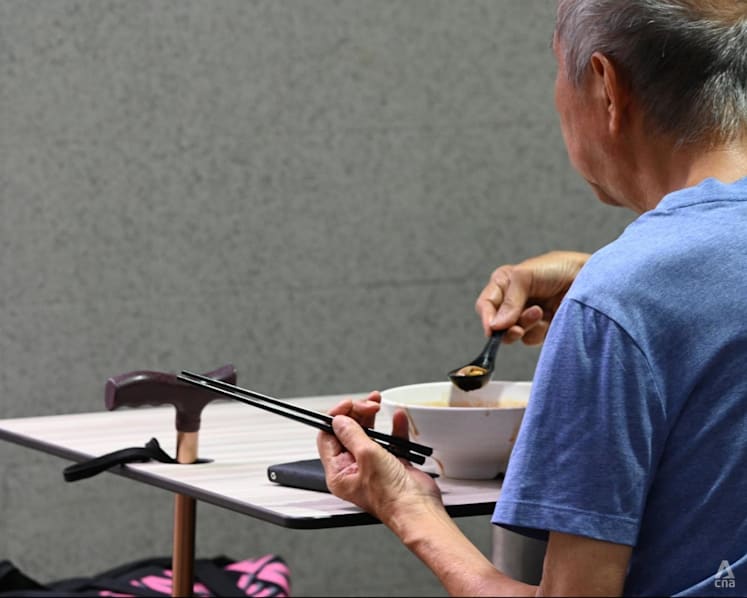
Think of Singapore and the country's vibrant food culture comes to mind. Yet, healthcare providers tell a surprising story when it comes to the older population.
An increasing number of seniors are at risk of malnutrition or are already malnourished, they told CNA TODAY.
Public healthcare group NHG Health said that the proportion of hospitalised patients at risk of malnutrition in 2025 stood at 40 per cent, up from 30 per cent in 2023. About 60 per cent of the hospitalised patients were above the age of 65, and most of those at risk of malnutrition were the elderly.
Among the patients attended to by dietitians at NHG Health, those at risk or who were malnourished when they were discharged rose from 56 per cent to 66 per cent in the same time period. Similarly, most of these were elders.
In a community frailty screening study of 1,406 adults aged 50 and up by SingHealth, Singapore's largest public healthcare group, 18 per cent were identified to be at risk of malnutrition. Another 2 per cent were malnourished.
Over at the National University Hospital (NUH), a study found that the malnutrition rate among "robust and pre-frail" adults aged above 60 was one in 10.
Associate Professor Wee Shiou Liang, from the SR Nathan School of Human Development at the Singapore University of Social Sciences (SUSS), said that the rise in malnutrition diagnoses in Singapore reflects better awareness and screening, as well as the country’s rapidly ageing population.
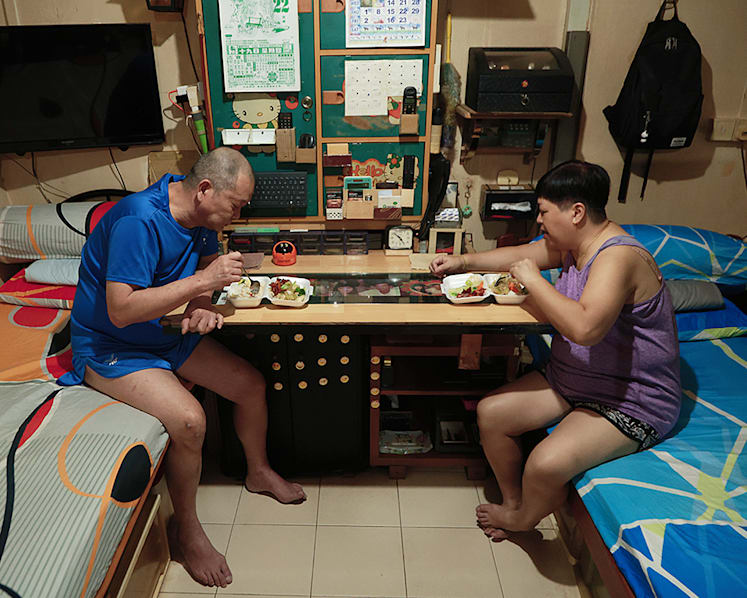

However, a range of factors are causing the malnutrition in the first place, from physiological and psychological to social and economic.
Ms Cherie Tong, the lead of dietetics at SingHealth Office of Regional Health, said that age-related deterioration in taste and smell reduces appetite and food enjoyment, while swallowing difficulties further complicate eating.
"Declining digestive efficiency reduces nutrient absorption even when adequate food is consumed."
There are also misconceptions about nutritional needs decreasing with age, despite older adults needing more nutrients such as protein than younger ones.
Therefore, even though many older adults continue to eat their fill, they may not be getting enough nutrients, putting them at risk of malnutrition.
Their appetite may be satisfied, but they still face serious health consequences such as loss of bone density and muscle mass, and increased hospitalisation.
Addressing the issue is not easy because diagnosing malnutrition is not straightforward, the health experts said.
Ms Tan Kim Fong, the principal dietitian at the Department of Dietetics in NUH, said that malnutrition is "notoriously challenging to detect" because early signs such as low energy or weight loss are frequently mistaken for "normal ageing processes".
"Importantly, a person can be malnourished without appearing emaciated, particularly if they have a higher body weight while suffering from micronutrient deficiencies or muscle loss," she added.
WHY ARE OUR ELDERLY NOT GETTING ENOUGH NUTRIENTS?
Malnutrition is a condition caused by an inadequate, excessive or imbalanced intake of nutrients.
Ms Tong, who is also a senior principal dietitian at the Department of Dietetics in Sengkang General Hospital, said one reason is that an older adult has different nutritional needs from the average person.
To be more specific, an older adult needs 1.2g of protein daily for each kilogram of body weight, while the average adult needs just 0.8g.
Older adults also need 1,000mg of calcium daily, compared to 800mg for the average adult, as well as more dietary fibre.
Ms Tong added that seniors should reduce oil, salt and sugar from their diet.
"The key principle (is that) older adults must increase the proportion of nutrient-dense foods to compensate for decreasing energy requirements."
Yet, several elders who spoke to CNA TODAY said that meeting these needs becomes more challenging with age, and some of them were not even aware of their bodies' changing nutritional needs.
Mr Tan, an 80-year-old retiree who declined to give his full name, has bad teeth and lives alone in Bukit Batok. He said that his weak teeth have made it difficult to chew, so he tends to eat a very "plain" soft diet of porridge unless he receives extra food from volunteers.
Like several others who spoke to CNA TODAY, he believes that a healthy diet for seniors is a bland soft diet with little meat, which is why he rarely eats meat. And since it is difficult for him to chew, some vegetables are out of the picture.
Mr Tan does not mind the diet too much. For him, the main focus is feeling full – and even a plain porridge does the trick.
He is unsure if he is malnourished, but based on what the experts said, the daily diet he described does not meet the nutritional requirements for his age.

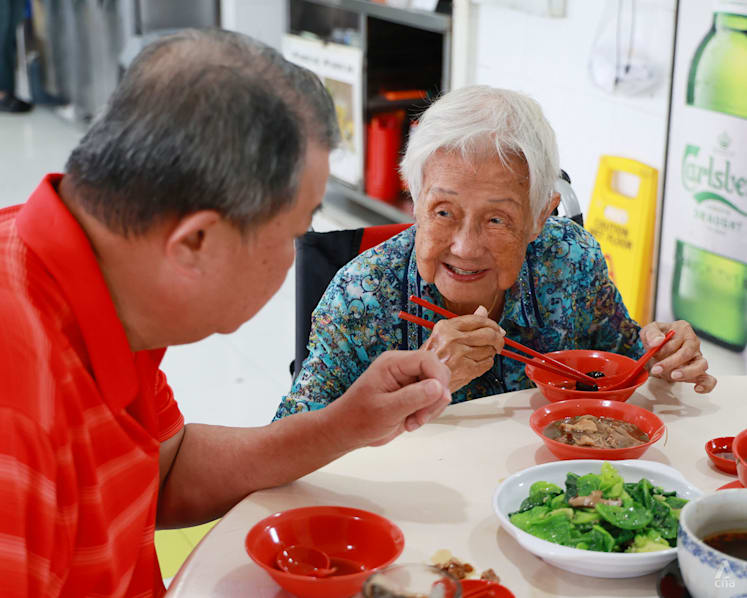
Other senior citizens gave a variety of reasons for their less-than-nutritious diets, ranging from a lack of understanding about the proper food to take to the challenge of eating certain foods because of worsening eyesight.
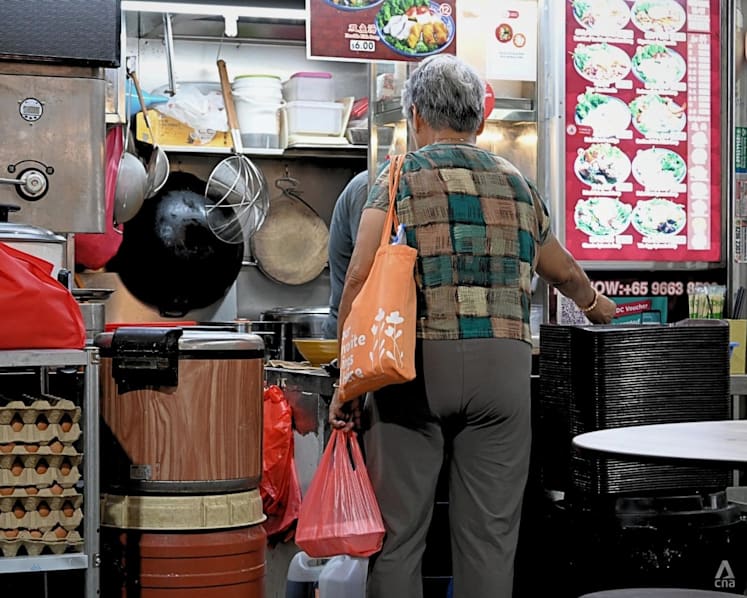
Some of them said they eat out often because they are unable to cook, and their worries about expenses make them choose cheaper meals with less fibre or protein.
However, health experts said that meals sold at food-and-beverage outlets are often carbohydrate-heavy, which may fill the stomach but lack the necessary nutrients.
Ms Tan from NUH said that physical changes such as a loss of appetite and feeling full quickly make it tricky for elders to eat well.
They also experience reduced taste and smell sensitivity, as well as difficulty in swallowing, preventing them from eating nutritious meals.
Adding to that, oral health problems make them particularly prone to malnutrition.
Professor Marco Peres, deputy chief executive officer for research, innovation and education at the National Dental Centre Singapore, said that tooth loss and ill-fitting dentures make it difficult to chew, causing older adults to avoid nutritious but harder-to-chew food such as fresh fruits, vegetables and protein.
"Dental pain and untreated caries can directly limit food intake, while dry mouth – often due to medications – affects taste and swallowing," Prof Peres added.
Other health challenges include medications influencing appetite and taste, vision problems that make cooking and eating difficult, and memory issues leading to skipped meals.
Beyond the physical limitations, a sociologist said that eating is "inherently a social thing".
Noting that Singapore has one of the longest working hours globally, Dr Shannon Ang, an assistant professor of sociology at the Nanyang Technological University (NTU), said: "In a country obsessed with productivity, there is little time or incentive to have nutritious meals shared with family and friends, apart from the yearly festivities and special occasions."
Indeed, operators of Active Ageing Centres told CNA TODAY that they have observed elders eating less as their social circles shrink.
Ms Jocelyn Toh, the head of senior service at social service agency Allkin Singapore, said: "As friends move away, fall ill or pass on, many seniors find themselves eating alone more often, which can cause them to have poorer appetite, eat irregularly or lose motivation to prepare proper meals."
Adding to this point, Dr Lily Yeo, the head of NTUC Health's Active Ageing Centres, said: "Elderly people also show a strong preference for familiar foods, making them less inclined to explore new and healthier dishes.
"This frequently results in them opting for convenient, high-sugar snacks such as biscuits, kuehs or cakes, which – despite being quick and comforting – fail to provide the variety needed for adequate daily nutrition."
As friends move away, fall ill or pass on, many seniors find themselves eating alone more often, which can cause them to have poorer appetite, eat irregularly or lose motivation to prepare proper meals.
GLOBAL ISSUE IN RICH COUNTRIES WITH AGEING POPULATIONS
Singapore may be an affluent country with high healthcare spending, but this does not automatically translate into good nutritional outcomes for its population, Assoc Prof Wee of SUSS said.
This is especially so if healthcare investment is concentrated in hospital-based, disease-focused care.
"Malnutrition in older adults is not about a lack of food in the country. It is about the failure of systems to maintain adequate nutrition in a population that faces multiple simultaneous vulnerabilities," he added.
"The paradox is that as countries become wealthier, their populations live longer. And the longer people live, the more likely they are to accumulate the frailty, isolation, functional decline and disease burden that drives malnutrition."
Essentially, what this means is that wealth might buy people a longer life, but they may not necessarily have a better quality of life in their final years.
However, malnutrition among older adults is not a problem unique to Singapore, the health experts said.
Adjunct Associate Professor Lim Yen Peng, a director of allied health at Woodlands Hospital under NHG Health, said that the common health issues faced by older adults and the increasing risk of malnourishment have been widely reported in other developed countries.
"(There is) a significant proportion of the aged population who are similarly susceptible to the nutritional challenges associated with ageing."
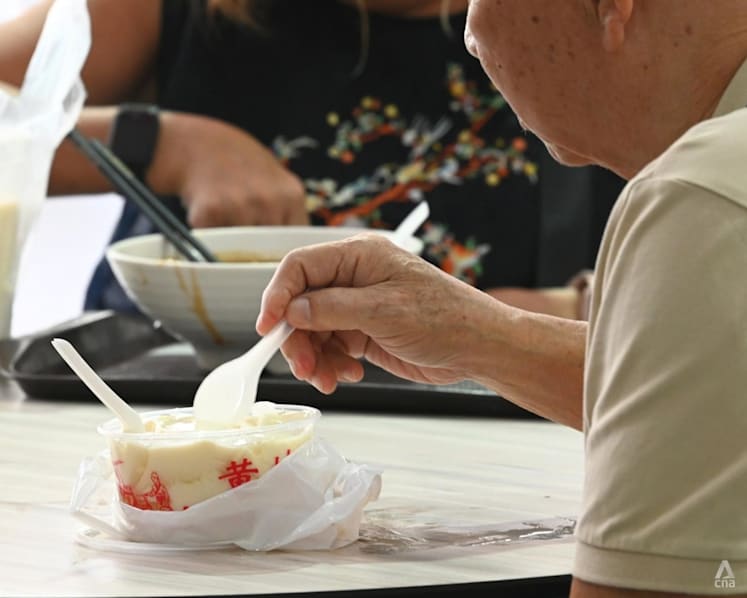
In Canada, for example, studies since 2008 have shown that about a third of Canadian adults aged 55 or older are at the cusp of malnutrition.
Sweden estimates that between 5 per cent and 10 per cent of all older adults are malnourished, researchers from Uppsala University and the University of Gothenburg reported in 2024. This figure rises to 50 per cent of patients cared for in hospitals and care facilities.
In Japan, some studies estimated that one in six older people is malnourished. The figure is based on the assumption that people with a Body Mass Index (BMI) of under 20 are malnourished.
However, Assoc Prof Wee said that there are different contexts for each country. For example, a major contributing factor for Canada is geographical isolation, because the rural populations of seniors may have limited access to fresh, nutritious food and healthcare services.
"Singapore's challenge is more about density without adequate social support networks, high living costs and rapid family structure changes," he added.
GETTING OLDER ADULTS TO EAT RIGHT
Associate Professor Laura Tay, the head and senior consultant of the Memory and Cognitive Disorder Centre at SingHealth Duke-NUS, warned that malnutrition has both immediate and long-term consequences.
"Short-term effects include fatigue, weakness, increased infection susceptibility and slower wound healing," she said.
"Long-term effects are more severe and can be irreversible. Loss of bone and muscle mass leads to sarcopenia and osteoporosis, resulting in frailty, falls, fractures and hospitalisation."
Sarcopenia is the gradual loss of muscle mass, strength and function, while osteoporosis causes bones to become weak and brittle.
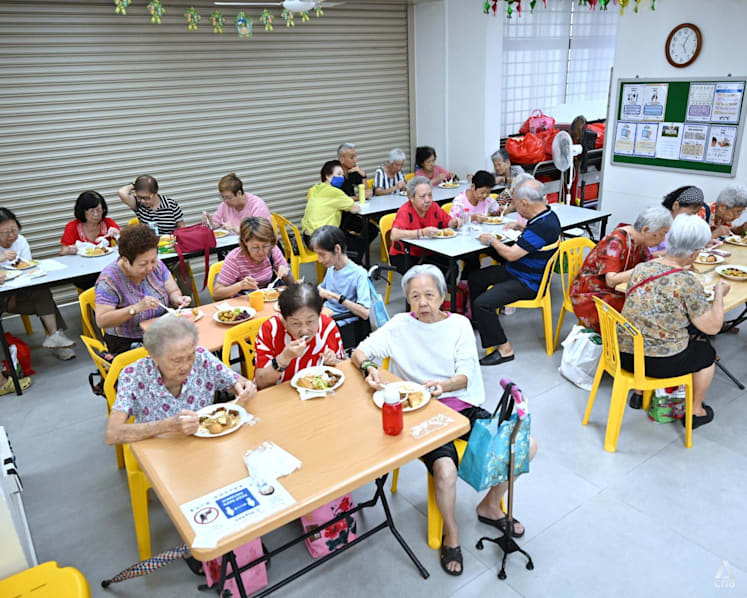
Assoc Prof Tay added that a 2022 study on hospitalised older adults in Singapore found that malnutrition increased the risk of delirium and perpetuated poor oral intake, which increases the likelihood of re-admission.
Malnutrition also results in societal costs as malnourished seniors place greater demands on caregivers and the healthcare system, Assoc Prof Wee said.
"Preventing or reversing malnutrition in the community is not just a clinical goal – it is a fiscal and social imperative," he said.
To tackle this problem, older adults can take some simple steps to cook healthier meals despite reduced mobility, the experts advised.
Ms Tong said that they can buy pre-processed ingredients and use one-pot methods to cook. This includes steaming fish with vegetables while cooking rice, or adding eggs and vegetables directly to boiling noodles.
Madam Soh Wan Keem, an associate lecturer at the Management Development Institute of Singapore (MDIS), said that one good source of high-quality protein is tofu, which can be prepared quickly with minimal effort.
She highlighted the following simple dishes:
Steamed tofu and egg – whisk an egg with a little light soy sauce, pour it over silken tofu, and steam for eight minutes.
Tofu, egg white and spinach soup – simmer silken tofu with spinach, egg whites and a handful of soybeans.
The one-dish meal – add firm tofu to a bowl of fish-and-tomato beehoon. The acidity of the tomato helps with mineral absorption, while the tofu and fish both provide protein for muscle strength.
Mdm Soh, who is also the principal dietitian and founder of Nutrimaxx Consultancy, said that older people who find it tough to cook can still make healthier food choices by following the "quarter-quarter-half" rule, which is in line with the Health Promotion Board's suggestions.
The approach comprises:
The Protein Quarter – choose steamed or braised dishes instead of deep-fried. Good choices include sliced fish soup, steamed chicken (skip the skin), or yong tau foo with plenty of bean curd.
The Carb Quarter – ask for less rice or noodles and, where possible, ask for brown rice or whole-grain beehoon (rice vermicelli).
The Vegetable Half – when ordering cai fan (rice with a mix of dishes), ask for two servings of vegetables such as chye sim or kai lan and one colourful food item such as carrots, tomatoes or stir-fried capsicum.
For elders who enjoy the taste of traditional foods, Ms Tong suggested that they may modify their meals for better nutrition, such as going for brown rice, adding more vegetables to pork bone soup or incorporating more vegetables and low-fat yoghurt into curry dishes.
NOT JUST A HOSPITAL PROBLEM
Considering the multitude of factors that put the elderly at risk of malnutrition, Assoc Prof Wee of SUSS said that malnutrition is not "simply a hospital problem".
"It is fundamentally a public health, primary care and social challenge. By the time an older person is admitted to hospital with malnutrition, significant deterioration has often already occurred in the community," he said.
Some efforts are already underway to address the issue, with Active Ageing Centres, healthcare groups, and the government stepping in to support elderly people in meeting their nutritional needs.
Importantly, a person can be malnourished without appearing emaciated, particularly if they have a higher body weight while suffering from micronutrient deficiencies or muscle loss.
Ms Lim Pei Wen, assistant manager of Allkin Senior Service, said that the agency adopts a preventive and community-based approach across Allkin's 10 Active Ageing Centres.
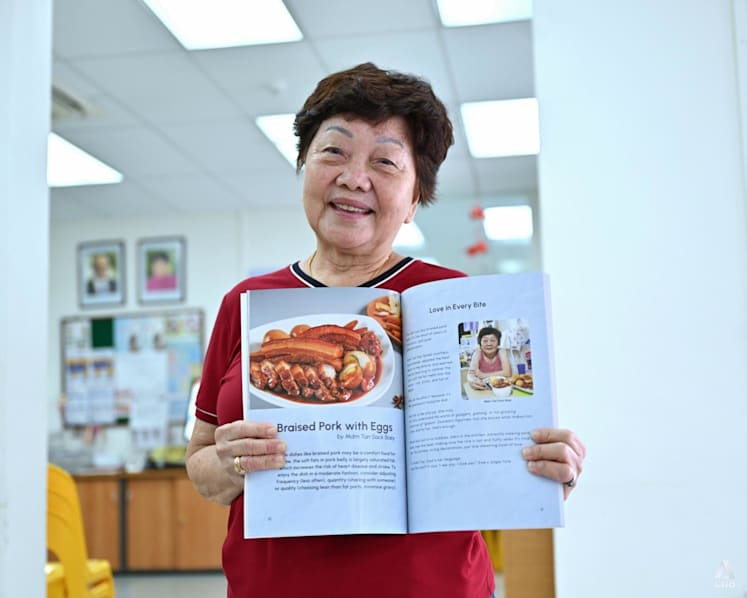
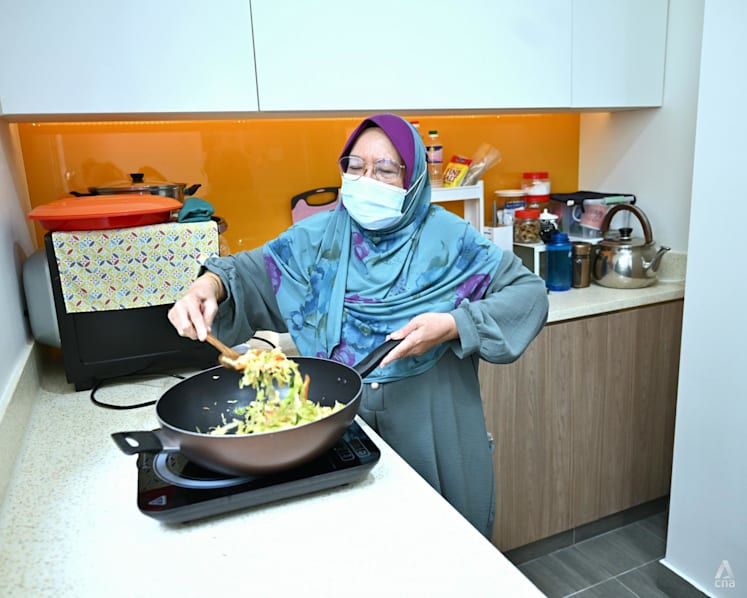
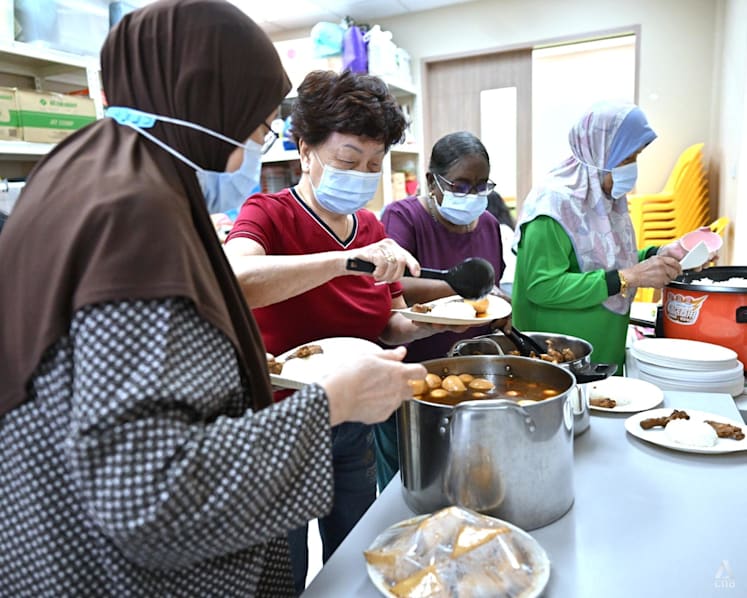
Among its list of initiatives is a communal dining programme, where seniors attend quarterly nutritional workshops and take part in cooking demonstrations. In collaboration with NHG Health, the participants worked with dietitians to create a cookbook featuring healthy heritage meals.
Featured in the cookbook is 80-year-old Tan Sock Boey's braised pork and egg recipe – one that has been made healthier. This version has since become a staple dish she often prepares at home.
When CNA TODAY visited Allkin's Active Ageing Centre in Ang Mo Kio, Mdm Tan had whipped up a halal version of the dish, using chicken instead of pork, to serve as the star of Allkin's communal meal on March 25.
The communal meals are another of the social service agency's efforts to encourage elders to eat nutritious meals while interacting with others.
"It's more fun to eat together and cook together … and I learnt a lot about healthy eating through the classes," Mdm Tan said.
Although the number of seniors taking part in the initiative can vary, the Ang Mo Kio centre feeds roughly 40 to 60 people during each communal meal.
Another regular cook for the programme, held twice a week, is Madam Sharifah Habibah. The 77-year-old retiree, who has diabetes, said that she has seen her health improve since adopting a healthier diet.
"We cook and interact with each other. Sometimes, we'll share recipes with each other and try them at home … I recently made egg drop soup, which was delicious and full of protein, and (another elder at the Active Ageing Centre) suggested I add fishballs, too," she said.
Over at NTUC Health, the elders can take part in its F4 programme: Keep Fit, Be Fed, Have Fun with Friends.
Dr Yeo from NTUC Health said: "Many (elders) are enthusiastic about coming for the exercise sessions, but they are often less inclined to prepare proper meals for themselves at home.
"F4 addresses this by linking what they enjoy — exercising with their peers — to learning about and preparing nutritious meals. After each session, (they) participate in simple cooking activities and enjoy the meals together with their exercise kakis (friends), reinforcing the importance of balanced eating in a fun and social environment."
Dr Yeo also said that the seniors who attend NTUC Health's programme have seen an increased understanding of nutrition and reported feeling more energetic.
"It’s clear that when programmes are practical, social and enjoyable, (they) are eager to take part — and that’s what makes a real difference in helping them live healthier, more active lives."
Organisations and ground-up initiatives that provide meals for seniors are also doing their part.
Ms Normah Salim, a coordinator at Project Goodwill Aid, helps to give out meals for nearly 50 seniors living in Geylang each week, including Mdm Sulemah.
Ms Normah asks donors to provide healthier options such as baked chicken and briyani with less oil.
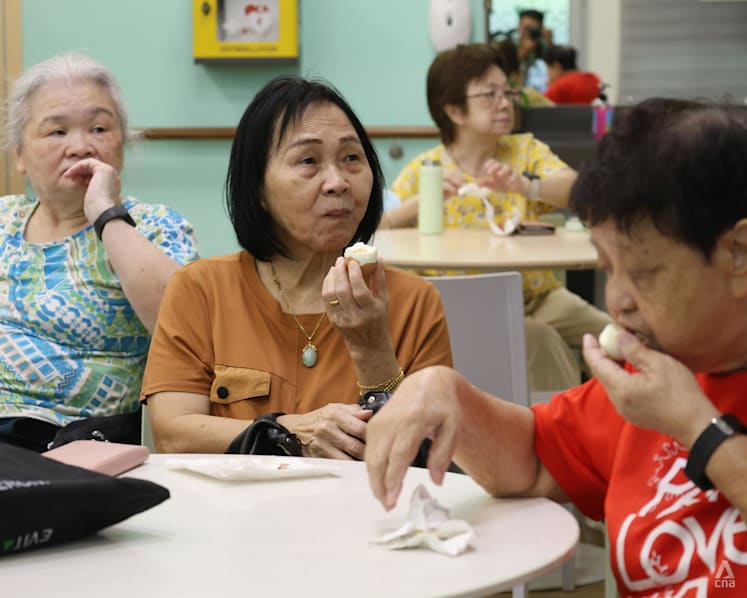
Before every meal distribution, she also reminds the beneficiaries about making healthy choices before a prayer.
And when she visits the coffee shop and sees them, she would also check on them and ensure that they are eating right.
"It can be difficult for the seniors, but all these efforts do help," she said, adding that they are eating healthier, though it takes time to make them stop their old way of thinking.
"They see their parents eating a certain way, so they think that their meal with little meat or vegetables is what they should be eating."
Healthcare groups are also taking steps to be more involved in the community to help older adults eat healthily, before it is too late.
NUHS, for one, is integrating nutrition screening into its routine community care.
Ms Rose Wong, a senior staff nurse for community nursing at NUHS' Community Care Team, said: "Through our Community Health Posts, we are able to identify those who may be at risk of or are already experiencing malnutrition early, before their condition worsens."
Those identified are then referred to dietetic services, ensuring that the right support reaches them promptly.
NUHS also provides personalised nutrition counselling for seniors with frailty, chronic disease or malnutrition, apart from conducting community roadshows and health talks to educate older adults, Ms Wong said.
The healthcare provider has developed multilingual education resources and practical guides, ensuring that caregivers are equipped to prepare healthy meals.
Last year, the Ministry of Health launched EatWise SG, guiding healthcare workers so that they may deliver better diet recommendations to help prevent and manage chronic diseases and malnutrition. This initiative allows primary care providers to identify at-risk patients and provide them with dietary help.
All three public healthcare groups that spoke to CNA TODAY – SingHealth, NUHS and NHG Health – are part of the EatWise SG initiative. NHG Health alone has trained more than 500 community providers.
However, health experts said that more could be done.
Associate Professor Low Lian Leng, director of SingHealth's Centre for Population Health Research and Implementation, said: "If we want seniors to age in place, they must be able to eat well in place."
He noted that seniors do not just need advice on healthy diets, but also "accessible food, oral care, practical meal solutions, social support and early identification of risk".
The location of these amenities is crucial, Assoc Prof Low said.
Referring to an ongoing study by his organisation, he said it found that older adults favoured nearby amenities for daily essentials to be about 120m away from home. That is equivalent to a two-minute walk.
"At the furthest extent, older adults are willing to travel up to 1,191m (about 1.2km) – which is around a 20-minute walk – to reach central hubs with diverse amenities, driven by the need to access services or items unavailable in their immediate neighbourhood," he added.
Ms Tong of SingHealth said that Singapore can take a page from other countries in addressing malnutrition among the older population.
Meals on Wheels Australia, for example, is an association that offers nutrition screening and social connection – a service that could be introduced here, she added.
In Japan, community volunteer training helps volunteers identify early warning signs of malnutrition.
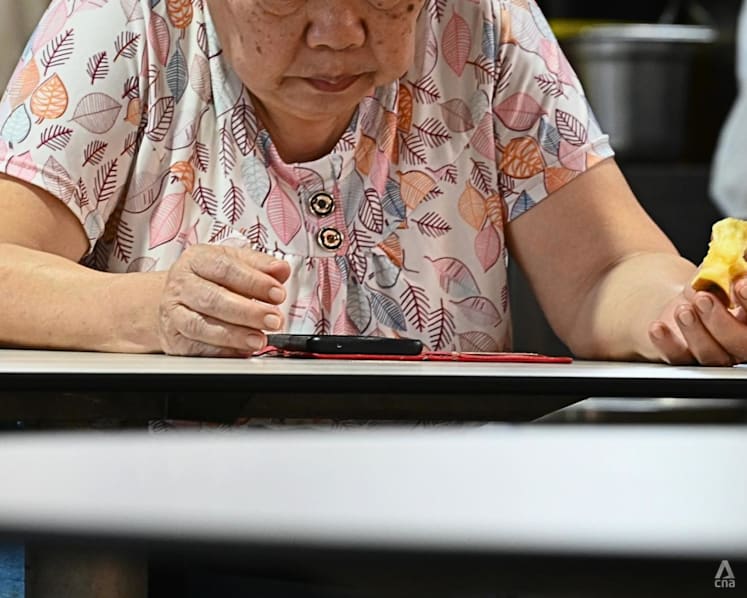
Ms Tan of NUHS said that individuals can also do their part by looking out for key signs that an older person is malnourished and recommend them to a doctor or registered dietitian.
These include physical changes such as unintentional weight loss, or when clothing, jewellery or dentures become loose.
Functional decline such as severe fatigue and difficulty lifting objects is another indicator, alongside behaviour changes such as a loss of appetite, lack of interest in eating or forgetting to eat.
Ms Tan added that food distribution should move towards a "food care model" that offers choice, nutrient-dense options and dietary support.
She also echoed the other health experts' call to roll out quick, standardised nutrition screenings at community touchpoints such as general practitioners' clinics, polyclinics and Active Ageing Centres.
Singapore has made significant strides to address malnutrition among older adults, but total eradication remains elusive.
"Homebound and socially isolated individuals remain among the hardest to reach,” Ms Wong of NUHS said.
"Without regular contact with community services or caregivers, they can easily be missed during outreach and screening efforts.
"Even when an older adult is identified and referred for support, resource constraints can limit the frequency and depth of personalised follow-up."
Ms Wong added that caregiver stress and fatigue are also practical constraints. People who are stretched thin may not be able to consistently introduce dietary changes, even if they are equipped with the knowledge to do so.
Some dietary habits are highly ingrained. Mdm Tan, the retiree who cooks at Allkin's Active Ageing Centre in Ang Mo Kio, often skips lunch, even though she knows that older people should try to eat more consistently.
"But I'm so active now, I'm still strong for my age. My healthier eating is definitely helping."
Ms Wong said: "These limitations remind us that no single programme or initiative can fully address malnutrition in isolation.
"It requires coordinated effort across healthcare, social services and the community, along with sustained commitment over the long term."
Editor's note: An earlier version of the story incorrectly spelt the name of Ms Jocelyn Toh. We are sorry for the error.