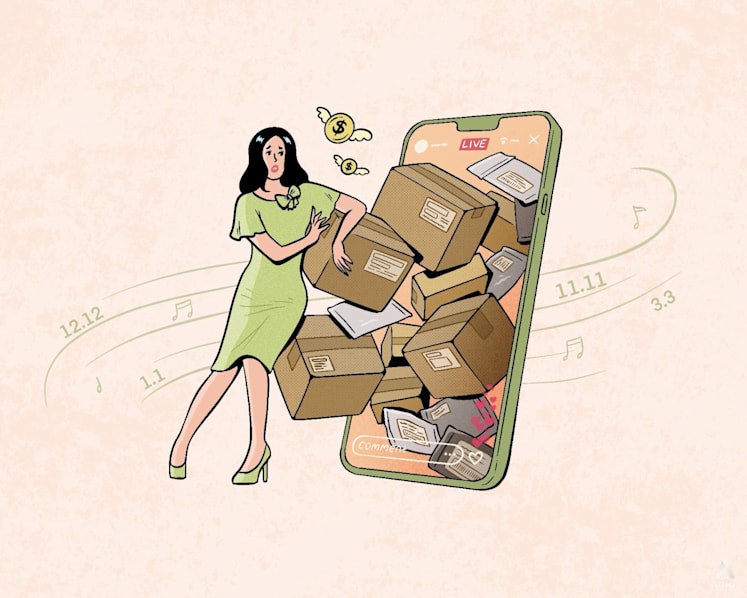
I tried to cut costs when spending, but found it wasn't the best way to save money
From cheap purchases to delayed healthcare, trying to cut costs in the name of saving money can lead to higher expenses, lower productivity and poorer outcomes over time.
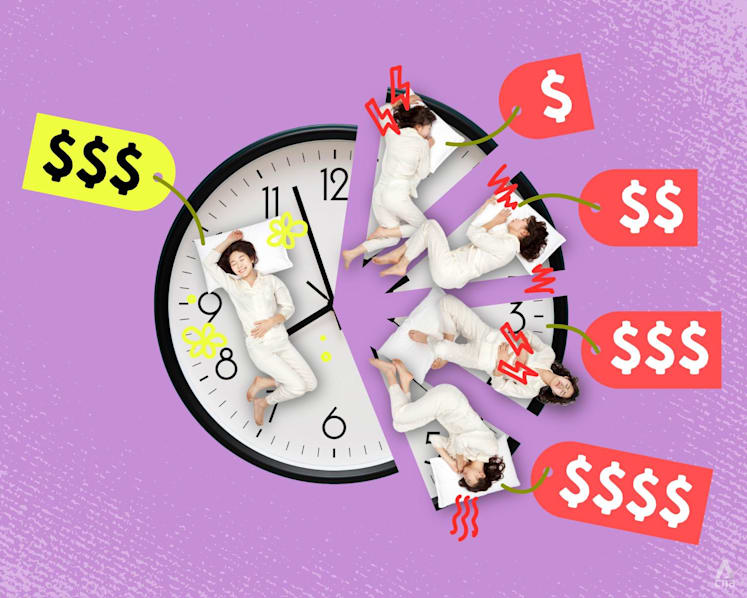
Being sensible with money also means recognising that the least expensive option is not always the most cost-effective over time, finance blogger Dawn Cher said. (Illustration: CNA/Nurjannah Suhaimi, iStock)

This audio is generated by an AI tool.


For a long time, I thought I was being sensible with money.
I bought that S$20 pillow that felt fine in the shop, only to wake up with a stiff neck weeks later.
I went for the discounted office chair during an online sale. It looked decent enough, until the backaches started creeping in after months of working from home.
Every purchase felt like a small win back then because I was saving money. I didn't have to spend excessively when buying essentials for everyday life – or at least that was what I thought.





I soon realised that the costs would come later: visits to the chiropractor, last-minute replacements, time spent reordering, fixing or simply putting up with discomfort that made my workdays longer and less productive.
We're often taught that being good with money means cutting back. Spend less. Downgrade. Hold off. Make do with what you have.
So when someone suggests that spending more can sometimes help you save more, it sounds counterintuitive, or even irresponsible.
But over the years, as I've looked more closely at my own finances and spoken to others about theirs, I've realised that some of my most meaningful savings came not from tightening my belt, but from being intentional about where I was willing to spend more.
When I finally decided to invest in a proper mattress and an ergonomic pillow that supported my neck, it felt indulgent. The upfront cost was undeniably higher.
Yet, years later, both are still in use and I've spent far less on replacements and physiotherapy visits than I would have otherwise.

The lesson wasn't about spending freely. It was about recognising that there are times when the cheapest option isn't the most economical one in the long run.
Healthcare is one of the clearest examples of this principle.
WHY DELAYING CARE IS RARELY CHEAPER
Routine dental visits and health screenings often fall to the bottom of our to-do lists when life becomes hectic and time feels scarce. When nothing hurts yet, it is easy to tell ourselves we'll deal with it later.
But in Singapore, healthcare costs can rise quickly when small issues go ignored.
I've seen friends postpone a S$150 dental visit, only to return months later, needing a procedure that costs several times as much. Others skip physiotherapy after an injury, only to deal with chronic pain that affects their work and income.
When it comes to our health, delaying care doesn't make problems disappear. It often just makes them more expensive. Ignoring issues when they are still small and manageable can lead to worse – and more expensive – outcomes down the road.
Preventive spending rarely feels urgent, while reactive spending will almost always be far more expensive.
It took a year of chronic aches to make me realise that my sedentary lifestyle of writing and researching while using the laptop for hours on end was costing me.
None of this felt urgent when the pain was still tolerable. But over time, it became clear that ignoring my physical health was beginning to affect my focus, my energy and my ability to work well.

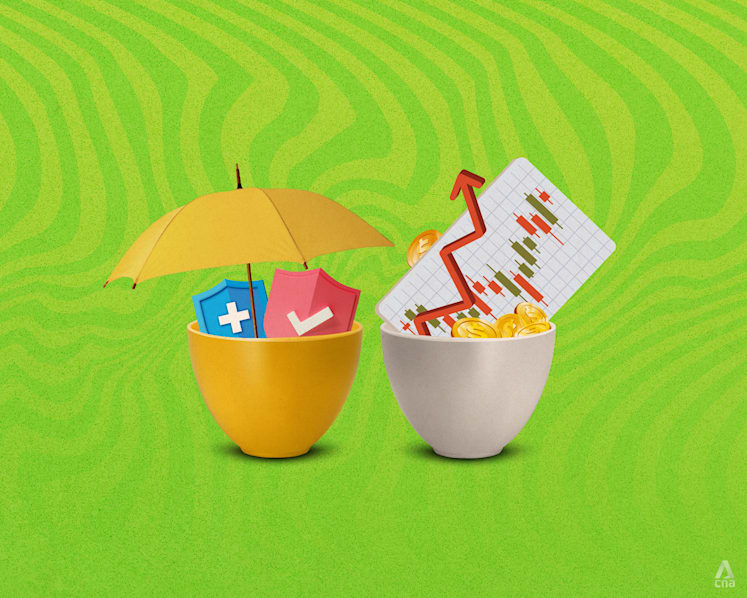
That is why this year, I started committing to a gym membership and regular movement as a non-negotiable part of my routine, because I've learned what it costs me when I don't take action.
My gym membership and pilates classes may look like an optional spending of S$200 to S$300 each month on paper, but compared to recurring physiotherapy visits, lost productivity or long-term health issues, I reckon they have turned out to be a far more sustainable and affordable choice.
INVESTING IN WHAT EARNS YOU MORE
One of the most underrated places to spend money is on learning, especially when it helps us acquire useful, practical skills and improve our financial literacy.
These often shape our earning power far more than we realise, and the effects compound over the years.
Courses that teach you how to invest sensibly can help you create passive income and compound your money into a sizeable sum for retirement over time.
Hiring a career coach who can help you negotiate your salary or better price your freelance work can shift your income trajectory permanently, not just for one year.
As we draw up our budget for the new year, the most useful question may not be how to spend less, but how to spend better.
In contrast, the cost of not knowing is often invisible – missed opportunities, avoidable mistakes, or spending years being stuck at the same income level, all while your cash loses its value to inflation.
Sometimes, the most expensive decision is choosing to remain uninformed, quietly paying for it year after year.
BUYING BACK TIME AND ENERGY
Given our long working hours, lengthy commutes and caregiving responsibilities, it is no surprise that many of us feel perpetually short on time. Trying to manage everything on our own to save money can slowly lead to burnout.
Engaging a part-time cleaner, using meal preparation services, or even getting help during particularly busy periods can ease the mental load and free up energy for work, rest or family.
When we are constantly exhausted, we are more likely to make impulsive spending decisions, rely on costly last-minute fixes, or see our productivity (and income) quietly suffer.

After having kids, I realised that my limited energy is an asset, and spending some money to protect it is a wise financial strategy.
That was why we hired a domestic helper and delegated tasks to staff members. By outsourcing, I free up more time that I can use to work and earn money instead, or spend it with my family.
These are worth every dollar spent.
WHY SAVING ISN'T ALWAYS ABOUT CUTTING BACK
As we draw up our budget for the new year, the most useful question may not be how to spend less, but how to spend better.
Being good with money isn't about spending as little as possible to the point where we start to feel like we're depriving ourselves. Rather, it is about being discerning and spending with intention.
Spending more on quality items or services, or education, or protecting our health can create a powerful ripple effect that leads to lower costs, higher income and fewer financial emergencies down the road.
In a high-cost city like Singapore, saving more isn't always about tightening your grip on every dollar.
Sometimes, it is about spending more, provided they are for the right reasons.
Dawn Cher, also known as SG Budget Babe, is the author of Take Back Control of Your Money. She has been running a popular blog on personal finance for the last 10 years.