Committee of Supply 2026 debate, Day 6: Kenneth Poon on care for PWDs beyond caregiving lifespan
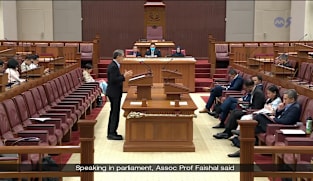
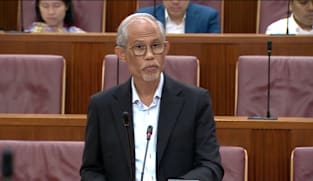
What happens to persons with disabilities (PWDs) when parental caregiving is no longer available? NMP Kenneth Poon said this question must now be answered with greater urgency for three reasons. PWDs are living significantly longer due to advances in medical care. Caregivers are also living longer, but the gap between lifespan and health span means many parents may still be alive yet no longer physically or cognitively able to provide sustained care. Finally, families are smaller, so there are fewer siblings and extended kin to assume long-term caregiving responsibilities. Prof Poon said future support for PWDs therefore needs to be anticipated, structured and reinforced. He spoke in parliament on Thursday (Mar 5).
What happens to persons with disabilities (PWDs) when parental caregiving is no longer available? NMP Kenneth Poon said this question must now be answered with greater urgency for three reasons. PWDs are living significantly longer due to advances in medical care. Caregivers are also living longer, but the gap between lifespan and health span means many parents may still be alive yet no longer physically or cognitively able to provide sustained care. Finally, families are smaller, so there are fewer siblings and extended kin to assume long-term caregiving responsibilities. Prof Poon said future support for PWDs therefore needs to be anticipated, structured and reinforced. He spoke in parliament on Thursday (Mar 5).
Popular Shows