







Israel faces mounting diplomatic pressure ahead of Netanyahu’s UN address
Trade measures targeting Israeli settlements and growing criticism over Gaza show signs of a widening divide between Israel and some of its Western allies.
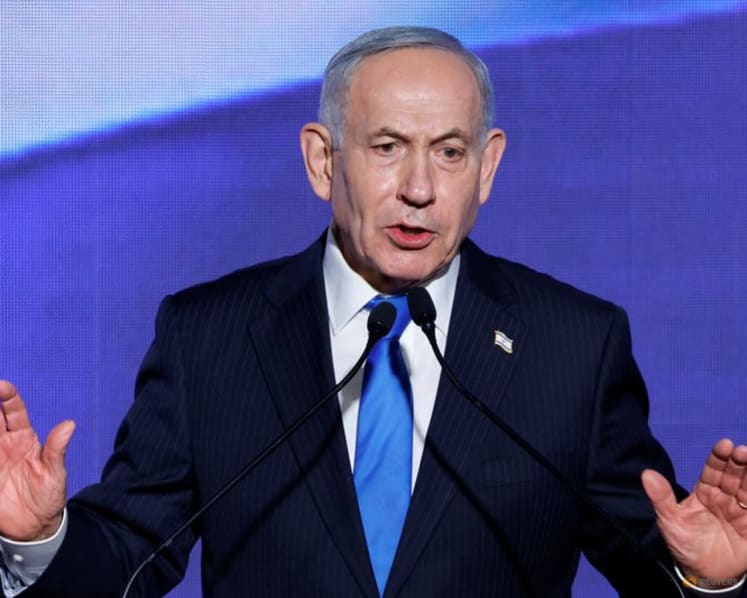
File Photo: Israeli Prime Minister Benjamin Netanyahu speaks during a toast-raising event hosted by his Likud party in Tel Aviv, Israel, on Sep 17, 2026. (File Photo: Reuters/Amir Cohen)

This audio is generated by an AI tool.
BRUSSELS: Israel is facing growing diplomatic pressure at this year’s United Nations General Assembly, as some of its closest Western allies take a tougher stance over Gaza and Israeli settlements in the West Bank.
But Prime Minister Benjamin Netanyahu is showing little sign of backing down.
Netanyahu has said he would defend Israel’s military actions against the Palestinians at the UN this week. He is slated to speak at the General Assembly on Thursday (Sep 24) evening.
“I'm coming to the UN,” Netanyahu said in a video statement on Tuesday. “I'm going to tell the truth about our heroic soldiers.”
Nearly 130 heads of state and government are attending the UN’s High-level Week in New York, with the General Debate running from Tuesday (Sep 22) to Sep 28.
For Israel, this year’s gathering comes against a markedly different diplomatic backdrop.
Ahead of last year’s gathering, several Western countries with longstanding ties to Israel, including the United Kingdom, Canada and Australia, formally recognised Palestinian statehood, marking a break with longstanding policy.
France did the same at a high-level conference at the UN in New York.
A year later, as the Gaza war approaches its third year, Israel finds itself increasingly isolated on the international stage.
Public opinion of Israel has deteriorated in many countries, according to a Pew Research Center survey this year. The findings showed that across 36 countries, a median of 67 per cent of adults had an unfavourable view of Israel.
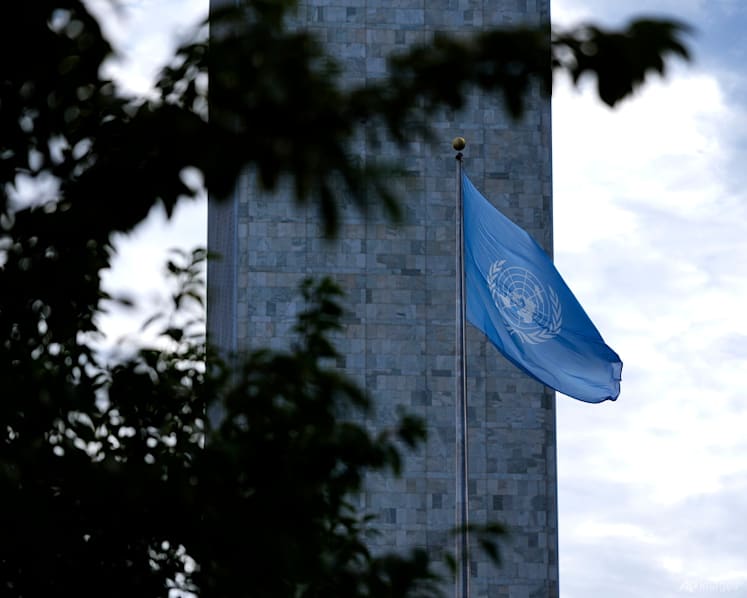
PRESSURE OVER WEST BANK SETTLEMENTS
The Israeli government’s support for settlement expansion in the West Bank has also prompted concern and condemnation from some of its closest allies.
On Sep 8, the foreign ministers of 12 countries, including the UK and France, said they would support or consider restrictions on trade in goods with Israeli settlements in the West Bank that are illegal under international law.
The move marked a toughening of the Britain's stance on Israel under new Labour Prime Minister Andy Burnham.
Britain’s Foreign Secretary Ed Miliband, who took up the post in July, also criticised settler violence, saying the UK believed there is “ethnic cleansing” of Palestinians in areas of the West Bank.
“Today we refuse to be bystanders to further suffering and to the destruction of the two-state solution," Miliband said.
Kaja Kallas, the European Union’s High Representative for Foreign Affairs and Security Policy and Vice-President of the European Commission, said: “Settler violence against Palestinians continues to rise, and too often goes unchecked.
“The E1 settlements will further undermine the prospect of the two-state solution by driving a wedge through the West Bank.”
But the EU’s 27 member states remain divided over taking tougher action against Israel.
Countries such as Spain and Ireland have pushed for punitive measures, while getting countries that have historically maintained closer ties with Israel, such as Germany, on board has proven more difficult.
NETANYAHU NOT BACKING DOWN
The Israeli prime minister has made it clear the country will not bend to international pressure, particularly when it comes to Gaza and its position on Hamas.
“The IDF (Israel Defense Forces) will continue to thwart the threats against our forces and our citizens, because once again, the existence of Israel and the security of all the citizens of Israel are not up for negotiation,” Netanyahu said in August.
There have also been signs of tension between Israel and its most important ally, the United States, after it refused to withdraw from Lebanon – one of Iran’s conditions in the memorandum of understanding with the US in June to end their conflict.
This did not go down well in the Trump administration.
“Donald J. Trump is the only head of state in the entire world who is sympathetic to the nation of Israel at this moment in time,” said US Vice President JD Vance in June.
“If I was in the cabinet of the Israeli government, I might not be attacking the only powerful ally that I have anywhere left in the entire world.”
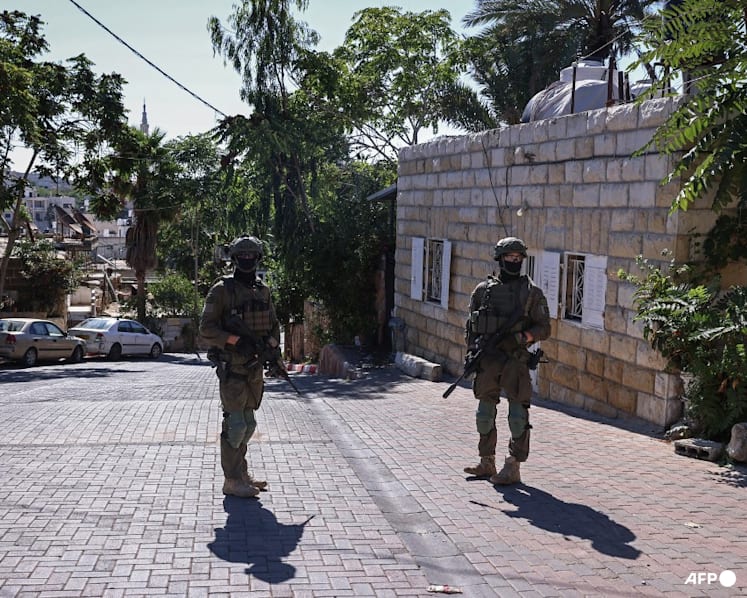
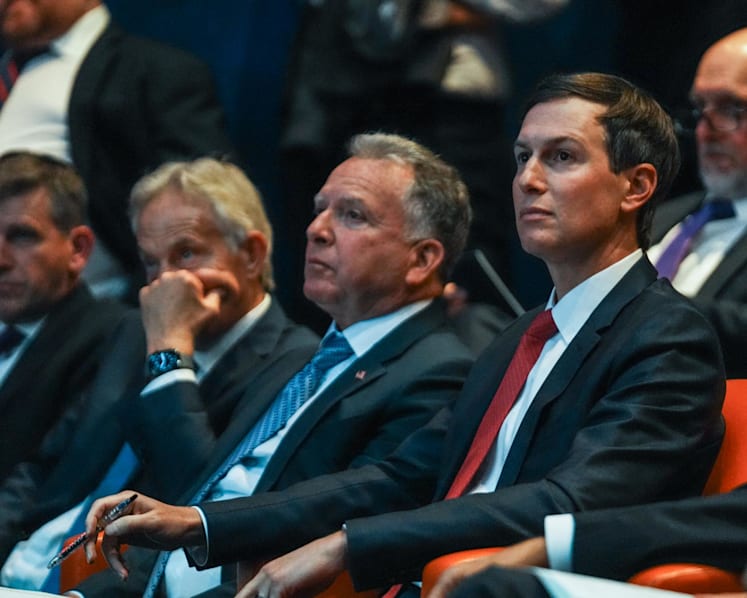
US-ISRAEL TIES
Despite such tensions, experts say the longstanding ties between Israel and the US remain intact.
Elisa Ewers, senior fellow for Middle East studies at American think-tank, the Council on Foreign Relations, said disagreements between the two governments have not fundamentally altered the relationship.
“We see these momentary revelations of tensions but the underlying foundation in the relationship, especially between the two presidents, is still very much there,” said Ewers.
“So, the question becomes, how does this affect ... election cycles in both countries?”
The US is heading into midterm elections on Nov 3, with opinion polls suggesting that Democrats could wrest control of the Senate from Republicans, many of whom have maintained strong support for Netanyahu.
For Israel, analysts say its government’s position is unlikely to soften ahead of October’s general election, particularly as Netanyahu seeks to bolster his reputation as a defender of Israel.
Oliver McTernan, director of Forward Thinking, a UK-based charity that deals with conflict resolution, said opposition to Palestinian statehood remained strong among Israeli voters.
“A good 70 per cent of the Israeli population would be in empathy with Netanyahu’s plan to finish the job,” said McTernan.
“They’ll say: ‘We’ll never feel secure if we go back to what the situation was before, or if we have a Palestinian state’.”
Sanctions and diplomatic rebukes may increase the pressure on Israel as it faces growing criticism from countries with which it has traditionally had close ties.
But whether they will lead to substantive impact on Israel’s foreign policy remains uncertain.
With an election approaching, observers say the government’s next moves are likely to be shaped as much by domestic voters as the international community.




